testata inforMARE
Cerca
14 June 2026 - Year XXX
Independent journal on economy and transport policy
10:42 GMT+2
LinnkedInTwitterFacebook


COUNCIL OF INTERMODAL SHIPPING CONSULTANTSYEAR XXIII - Number 4/2005 - APRIL 2005

Safety & security

Containers e sicurezza: requisiti e standard

Il successo spesso ingenera il sospetto. Il contenitore adibito al trasporto merci, l'innovazione di maggiore successo nei trasporti del secolo scorso, non costituisce un'eccezione a questa regola. Dall'11 settembre 2001, il container è finito al centro dell'attenzione: esso potrebbe rappresentare il mezzo preferito dai terroristi e dai criminali per trasportare persone od oggetti che sarebbero poco desiderate nel territorio di un paese.

Se ci si attiene ai fatti, si potrebbe scoprire che il contenitore - con le sue complesse attività della catena di trasporti multifase - è il modo meno idoneo a mettere in atto attività di trasporti improprie. Ma, ciononostante, la maggior parte dei governi di tutto il mondo hanno rivolto la propria attenzione sui traffici containerizzati quale argomento inerente al futuro miglioramento della sicurezza. I soggetti operanti nel settore delle esportazioni e del trasporto internazionale possono solo cercare di influenzare tutte queste attività verso una direzione in cui le economie dei traffici internazionali abbiano una possibilità di sopravvivenza. Alla fine, le discussioni tra tali parti interessate spesso sfociano in una soluzione che conduce a condizioni politiche che possono variare nel corso del tempo.

Una importante questione è rappresentata dalla sorveglianza delle persone che sono impiegate nella catena di trasporto: alcuni di loro potrebbero avere piani sospetti. L'altra principale questione è quella della sorveglianza del container medesimo. Essa ha inizio con la sorveglianza di quelle persone che caricano gli articoli sul container e poi lo chiudono; la loro integrità personale deve essere controllata. La seconda questione è la sorveglianza del contenitore nel corso della sua movimentazione al fin di far sì che non venga aperto per farvi entrare persone od oggetti che non siano i benvenuti nel paese di destinazione finale. Perciò, il contenitore dev'essere controllato presso tutte le interfaccia della catena trasportistica per stabilire se esso è stato aperto nel corso del tragitto oppure se i congegni di chiusura originali sono rimasti intatti.

Ciò non implica una novità: da anni, molti contenitori vengono movimentati con sigilli doganali. Ciò comporta la conseguenza che il contenitore è progettato per essere chiuso e sigillato e che un sigillo doganale può essere può essere apposto al fine di dimostrare le eventuali aperture avvenute nel frattempo.

I dettagli relativi a tale regolamentazione sono contenuti nella Convenzione Doganale sui Contenitori che venne siglata a Ginevra nel 1972 e che da allora sempre stata in vigore senza nessuna modifica di rilievo. L'amministrazione doganale nazionale appone ciò che percepisce come un sigillo doganale sicuro. Ciò viene fatto quale atto di amministrazione sovrana, vale a dire nell'ambito di una collaborazione internazionale minima. Ciò comporta alcune migliaia di diverse versioni di sigilli doganali approvati. Per molte ragioni, gli esperti in sicurezza dei contenitori non accettano tale congegno quale contributo alla sicurezza dei traffici.

Gli Stati Uniti - attualmente, il governo maggiormente attivo nelle questioni della sicurezza - hanno già fornito qualche idea in ordine a lucchetti e sigilli di contenitori sicuri. Essi hanno portato avanti l'idea che ciascun contenitore che trasporta carichi dovrebbe essere chiuso e sigillato prima di essere caricato a bordo di una nave che viaggi alla volta di un porto statunitense.

L'addetto alla sicurezza della nave controllerà l'integrità del sigillo e del container prima che il container venga caricato a bordo. Attualmente tali regole vengono per lo più applicate a quei contenitori che viaggiano ai sensi di uno speciale regime di sicurezza certificata ed usufruiscono di un trattamento preferenziale quando fanno ingresso negli Stati Uniti (il "canale verde").

Ma alcuni operatori si aspettano che queste regole, al momento applicate volontariamente, diventino obbligatorie nel prossimo futuro. La cattiva esperienza fatta con la vasta varietà di sigilli doganali ha indotto gli esperti statunitensi in materia di sicurezza ad elaborare un'idea precisa circa la natura di un sigillo di questo tipo: essi vorrebbero che ci fosse uno standard internazionale in relazione a tale sigillo ed un valido sigillo di sicurezza dovrebbe seguire questi standard.

Tale punto di vista sarà accolto favorevolmente dal settore dei trasporti: la situazione maggiormente costosa è rappresentata da un'ampia varietà di soluzioni con criteri diversi a seconda dei vari paesi in ordine a che cosa sia un sigillo accettabile. Questo potrebbe creare una situazione in cui un contenitore viene tenuto fermo presso una località di importazione poiché si tratta di decidere se il sigillo può essere approvato o meno. Un sigillo standard a diffusione mondiale, sviluppato sulla base delle consulenze dei tecnici del settore trasportistico, costituirà certamente la soluzione maggiormente efficace per questo problema.

Nel frattempo, è stato sviluppato uno standard di questo tipo in ordine ad un sigillo di sicurezza meccanico.

La meccanica di tale sigillo è chiara ed è largamente accettata nell'ambito dell'ISO (Organizzazione Internazionale per la Standardizzazione). Ciononostante, questa discussione attira continuamente inventori che suggeriscono idee nuove e rivoluzionarie su come risolvere il problema. Il settore dei trasporti deve valutare quali di tali idee possano costituire un passo avanti e quali invece rappresentino solo dei sogni.

Maggiori difficoltà sono state incontrate con il sigillo elettronico. Ancora una volta gli esperti dell'ISO TC 104 da vari anni sono impegnati a sviluppare uno standard internazionale. Nei primi tempi, gli esperti dell'industria elettronica che suggerivano strumenti assai sofisticati per il controllo di un contenitore mediante congegni elettronici hanno dominato le discussioni in materia. Gli armatori e le imprese di leasing non si sono preoccupati molto di tale dibattito. Essi hanno riflettuto sul fatto che - quale che sia la soluzione standard suggerita - avranno comunque la facoltà di adottare le soluzioni che gli piacciono e scartare quelle che non gli piacciono: ad esempio, quando il calcolo dei costi/benefici non mostra un valore aggiunto.

Ma la situazione è cambiata. Quando il dibattito sulla sicurezza ha preso piede, gli armatori hanno compreso che probabilmente una di queste soluzioni avrebbe potuto costituire oggetto di un provvedimento vincolante da parte delle dogane o delle autorità nazionali sulla sicurezza. In questo modo, essi non hanno più avuto la libertà di decidere sulla base del "prendere o lasciare".

Di conseguenza, gli armatori sono entrati nel dibattito sulla standardizzazione del sigillo elettronico e hanno rifiutato tutti i suggerimenti che non riflettevano la loro esperienza pratica. Tutte le soluzioni suggerite a favore di sigilli multiruolo che contengano un'ampia varietà di funzioni sono state respinte. Pure l'idea che il sigillo possa presentare un numero oltre al codice d'identificazione del containers è stata respinta.

Tale decisione è stata presa sulla base di una valutazione delle procedure adottate nella prassi: normalmente, l'armatore fornisce all'esportatore un contenitore vuoto unitamente ad un nuovo sigillo. Una volta completato il riempimento del contenitore da parte dell'esportatore, egli lo chiuderà, vi apporrà un lucchetto ed applicherà il sigillo. Si tratta di manovre molto semplici. Non si può sbagliare nulla, con una procedura così facile. Questa situazione potrebbe cambiare se il sigillo dovesse contenere il numero di container ("SEAU 202144 0"): pure l'armatore dovrebbe programmare il numero nel nuovo sigillo prima della consegna.

Peraltro, in molte grandi stazioni di esportazione-imballaggio sono depositati contenitori vuoti in gran numero, ed uno di loro verrà prelevato per il prossimo carico. L'addetto alla sicurezza che ha i nuovi sigilli in custodia, sceglie il sigillo (si spera) giusto da consegnare alla squadra adibita alla caricazione e fa in modo che esso venga applicato. Oppure, il nuovo sigillo non contiene un numero di contenitore e la squadra di caricazione deve leggere il numero del contenitore e programmarlo all'interno del sigillo. Nel corso di questa procedura possono verificarsi molte occasioni per commettere errori. Una volta che tale errore è nel sistema i problemi che ne derivano diventano un incubo. Si provi ad immaginare che qualcosa come il 5% di tutti i containers sigillati contengano una cattiva programmazione del numero del contenitore. Un grosso terminal containers marittimo può movimentare qualcosa come 5.000 contenitori per ogni turno.

Partendo da questo presupposto, ciò significa che 250 volte in ciascun turno si attiva l'allarme "Pericolo! Numero contenitore/sigillo errato". Questo allarme si attiverà ogni volta che il container viene controllato elettronicamente. Quindi, 250 volte per ciascun turno la direzione del terminal deve mandar fuori qualcuno a controllare la situazione. Essi possono contattare l'esportatore (se ne conoscono l'identità) o lo spedizioniere (che dovrebbe conoscere l'identità del soggetto che ha chiuso i portelli e ha apposto i sigilli).

Ciò potrebbe essere più difficile a farsi di notte nel week-end. La mossa successiva consiste nella rimozione del sigillo errato e nell'apposizione di uno nuovo e corretto. Essi dovranno altresì apporre un protocollo su tutte queste azioni al fine di produrre la prova giuridica della loro validità. In pratica, gli attori preferiscono una soluzione più semplice in cui sia possibile incorrere in un numero minore di errori; altrimenti, questa procedura non potrà essere più adottata.

In concreto, la situazione sulla standardizzazione del sigillo elettronico può essere descritta come segue:

  • i produttori di sigilli tendono alla complessità;
  • gli acquirenti di sigilli tendono alla semplicità.

Nel frattempo, i potenziali acquirenti hanno costituito un organismo per proprio conto allo scopo di curare i propri interessi, l'Organizzazione Proprietari Contenitori. Gli enti preposti alla standardizzazione hanno accettato la loro richiesta di fondo "rendilo semplice" ed il sigillo elettronico è stato ridotto ai seguenti dati di base:

  • numero del produttore del sigillo;
  • numero del sigillo;
  • momento in cui è stato chiuso il sigillo;
  • momento in cui è stato aperto il sigillo;
  • sigillo intatto/non intatto.

Su un'altra questione è stato raggiunto un accordo: il sigillo elettronico non sarà nulla più di un congegno elettronico attaccato ad un sigillo meccanico standard, il quale assicurerà - mediante un segnale di frequenza radio - i suddetti dati che altrimenti verrebbero scritti sul sigillo meccanico, per mezzo di numeri in chiaro o di un codice a barre. La trasmissione in frequenza radio sarà supportata da una batteria integrata nella prese elettronica.

Il sigillo alla fine verrà gettato, vale a dire è progettato come sigillo per un solo viaggio. Perciò, la batteria dovrà avere una durata che copra un normale viaggio di contenitori, vale a dire circa 8 settimane. Tali congegni elettronici, dotati di batterie proprie, sono allo stato dell'arte odierno. I costi che essi comportano si mantengono nei limiti che i traffici sono in grado di permettersi. La banda di frequenza del segnale radio è previsto nella fascia dei 433 MHz e dovrebbe funzionare nella maggior parte dei paesi.

Tutto ciò suona come una soluzione liscia come l'olio' peraltro, se un terminal identifica e legge un sigillo di contenitore elettronicamente, ciò ha senso solamente se, contemporaneamente, si riesce a leggere il numero del contenitore. Se il numero del sigillo viene eletto elettronicamente, anche il numero del contenitore dev'essere identificato preferibilmente per via elettronica. E quest'argomento è denso di problemi che fino ad oggi non sono stati risolti.

Uno Standard Internazionale per la lettura della frequenza radio di un numero di contenitore è disponibile da più di 10 anni: lo ISO 10374 Contenitori Merci - Identificazione Automatica. Questo standard, però, non è stato applicato nella prassi di tutti i giorni a causa di un piccolo ma decisivo difetto: la lettura della frequenza radio è possibile solo se un trasponditore elettronico viene fissato sul contenitore. Il terminal ha bisogno di specifiche relative alle prestazioni quali la lettura delle distanze, l'angolo di lettura, la velocità di passaggio durante la lettura ecc., che possono essere soddisfatte solo quando il trasponditore è equipaggiato con una batteria. La durata normale di un container è di 15 anni ed un trasponditore su un container dovrebbe durare altrettanto.

Ma non c'è nessuna batteria sul mercato che duri 15 anni. Qualsiasi apposizione di trasponditore con batteria significa che il proprietario od operatore del contenitore deve prepararsi ad un cambiamento della batteria di quando in quando. Così, ancora una volta, proviamo ad immaginare di essere il dirigente addetto ai contenitori di una compagnia di navigazione, di essere seduto alla propria scrivania nell'ufficio di Rotterdam e di ricevere una telefonata dal seguente tenore: "Salve, chiamo da Long Beach, in California ed il vostro contenitore KNLU 405778 5 ha finito le batterie. Che cosa devo fare?".

Per questi motivi, gli armatori si esprimono a favore dei trasponditori senza batterie. Questa tecnologia esiste, ma le prestazioni della comunicazione tra interrogatore e container sono piuttosto scarse. Fondamentalmente, il segnale d'interrogazione emesso dall'interrogatore deve contenere tanta energia da poter fornire al trasponditore il necessario quantitativo di energia che lo metta in grado di rispondere.

I segnali radio con così tanta energia sono normalmente molto problematici, poiché potrebbero interferire con altre comunicazioni radio: più energia si infonde nella trasmissione, maggiore interfaccia si otterrà. Perciò, le normative di tutti i paesi hanno limitato la potenza di emissione del segnale. Mentre la legge statunitense lascia qualche spazio libero per una utilizzazione affidabile di tecnologie prive di batteria, non avviene lo stesso per la normativa europea. Per il momento, i tecnici addetti al collaudo affermano di poter legalmente spaziare in Europa in una fascia di lettura sino a 3 metri; certamente, si tratta di una misura inferiore a ciò che il settore dei trasporti richiede.

La standardizzazione deve chiedere all'industria dei trasporti di effettuare le proprie scelte in ordine alle seguenti alternative:

  • prendere un trasponditore con batteria incorporata ed organizzare un programma di cambiamento della batteria che soddisfi le esigenze degli utenti. In futuro, si potrebbe sperare che l'industria elettronica sviluppi batterie che offrano una durata affidabile di circa 15 anni;
  • oppure, optare per una soluzione priva di batterie con tutti i suoi limiti in termini di prestazioni. Gli operatori attivi fuori dal Nordamerica possono sperare di riuscire ad influenzare il legislatore locale in modo da consentire loro una emissione di energia maggiore di quella odierna, possibilmente con una limitazione solo nell'area dei terminals intermodali;
  • oppure, abbandonare l'idea di una identificazione automatica a frequenza radio e rivolgersi ai sistemi di identificazione visivi che vengono sviluppati in questi giorni. Ma anche questa soluzione presenta qualche difetto decisivo: se il distintivo d'identificazione visivo è coperto di polvere o di grasso, non si riesce a leggerlo. E dato che l'operazione containerizzata è un'attività che si svolge all'esterno, con molte possibilità che le unità si sporchino, occorre far fronte ad una prestazione che sarà molto più limitata, quanto ad affidabilità, rispetto alle tecniche fondate sulle frequenze radio.

La standardizzazione dell'identificazione automatica è un argomento ancora denso di problematiche e si dovranno attendere i risultati degli ulteriori dibattiti e delle ricerche applicative.
(da: BIC Containers - International Periodical Magazine - n' 01-02/2005)


FROM THE HOME PAGE
Bimco, ICS, Intercargo and Intertanko condemn attacks on ships and seafarers in the Strait of Hormuz
London
Call for an immediate cessation of attacks
The Swiss Federal Council proposes extending subsidies for rail freight traffic through the Alps until 2035.
Bern
From 2027 to 2035, 486 million francs would be paid out
So far the number of ships leaving the Persian Gulf is 6-7% of those transited a year ago
Paris
AXSMarine: No Signs of a Long-Term Reopening of the Strait of Hormuz
Global Ports Holding in talks to manage cruise port in St. Vincent and the Grenadines
Istanbul
The terminal currently records an annual traffic of approximately 200 thousand passengers
Investments in Taiwan's ports amounting to 1.8 billion dollars are planned for the period 2027-2031.
Taipei
At the end of the five-year period, annual container traffic is expected to be equal to 15.5 million TEUs
US forces hit a third vessel in the Gulf of Oman
Tampa
The "Jalveer" is said to be carrying a cargo of Iranian oil.
ALLRAIL, CER, ERFA, FEPORT, FTE, UIP and UIRR present their proposal for the European Railway Platform
Brussels
The aim is to ensure market representation from the very beginning of the new European rail capacity governance process.
US Central Command claims responsibility for attack on product tanker Settebello
Tampa/New Delhi/London
Condemnation by the Indian government and the International Maritime Organization
Product tanker hit in Strait of Hormuz region
Southampton/Muscat
One sailor was injured. Two other crew members are missing.
In the first quarter of this year, freight traffic in the port of Civitavecchia decreased by -1.0%.
Civitavecchia
Cruise passengers increase by +32.1%
A merchant ship was attacked in the Gulf of Aden
Southampton
Gemini Cooperation increases cargo capacity on the Asia-Mediterranean route
Copenhagen
Sea-Intelligence adds additional weekly capacity of 22,402 TEUs
ESPO fully endorses the EU Council conclusions on the Maritime Industrial Strategy
Brussels
The central role of port facilities confirmed
CO2 capture and storage on ships is one of the most concrete and immediately available solutions for the decarbonisation of shipping.
London
Antitrust approves Messina Group's acquisition of Terminal San Giorgio
Rome
The Italian Competition Authority (AGCM) has also approved the acquisition by the MSC group of the Asso group's naval maintenance and repair activities (Jobson Italia and UASC UAE).
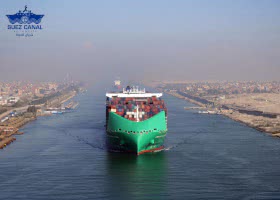
Rates for ships transiting the Suez Canal are expected to rise.
Ismailia
They will be applied from July 15th. Passenger ships excluded.
The Suez Canal Authority has announced that it will introduce surcharges on transit tariffs through the Egyptian canal for most major cargo vessels, effective July 15.
The Council of the EU accepts many of the requests put forward by the associations of the European maritime-port cluster
Luxembourg
However, necessarily, the text postpones the adoption of concrete measures to future legislative initiatives
ESPO calls for proactive use of the EES system to avoid congestion in European ports
Brussels
Ryckbost: Flexibilities activated promptly in exceptional but foreseeable circumstances
Rixi: It is necessary to overcome a maritime ETS that risks shifting traffic and investments to non-European ports.
Luxembourg
What is needed - highlights the vice minister - are incentives and flexibility, not new constraints
Houthis threaten to resume attacks on ships transiting the Red Sea
Sana'a
A total ban on navigation has been declared for all vessels linked to Israeli interests.
Global trade in goods may start to slow down
Geneva
This is reported by the latest reading of the WTO Goods Trade Barometer.
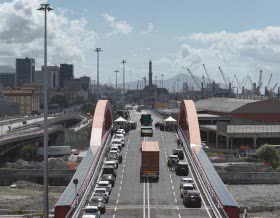
The new port road connection to Sampierdarena has been activated in Genoa.
Genoa
Paroli: the work now allows approximately 900-1,000 heavy vehicles per day to directly access the port's operational areas.
The rapporteurs of the Ports Bill defend the governance project centered on the Ports of Italy.
Rome
Ghio (PD) denounces that the governing bodies of this new company would be appointed entirely by the government. Ghirra (AVS): The objectives of national coordination could have been achieved by strengthening the National Conference of Port Authority Presidents.
US logistics companies WWEX Group and Auctane announce merger
Milan/Dallas/Austin
Artificial intelligence plays a leading role
Unexpected decline in European intermodal traffic in the first quarter of 2026
Brussels
UIRR: Infrastructure chaos caused by construction sites interrupting railway lines
Hanseatic Global Terminals acquires remaining 50% of Hanseatic Global Terminals Aracruz
Rotterdam/Aracruz
The company is building the new Brazilian container port of Imetame
Conftrasporto: The Ports Bill highlights clear operational, financial, and regulatory compliance issues.
Rome
Russo: the competences of Ports of Italy would overlap with those of the Port System Authorities, the Ministry of Transport and the Art
WoodMac believes decarbonisation rules could have a major impact on LNG-powered vessels
Edinburgh
According to the company, European regulations would put ships with DFDE engines out of the market
French MN will transport Avio's Vega C launcher between Italy and South America
Nantes
The French company will equip itself with a new vessel designed specifically for the transport of space equipment
EU methodology for calculating greenhouse gas emissions from transport services comes into force
Brussels
The system is based on the international standard EN ISO 14083:2023
The container ship MSC Sariska V was hit by two shells in the Persian Gulf on Monday.
Geneva/Rome
All crew members were unharmed.
In the first quarter, freight traffic in the port of Bremen/Bremerhaven grew by +5.8%
Bremen
Containers amounted to 1,245,515 teu (+4.4%)
MSC acquires 51% stake in Pivdennyi container terminal (Odessa)
Odessa
It has a traffic capacity of 400 thousand TEUs per year.
The IMO Convention on Liability and Compensation for Damage in Connection with the Carriage of Hazardous and Noxious Substances by Sea will enter into force on 19 November 2027.
London
Dominguez: a long-awaited achievement, which fills an important gap in the international regime
In April, ship transits through the Suez Canal increased by +13.9%
Cairo
In the first four months of 2026, an increase of +12.1% was recorded
In the first quarter, freight traffic in the port of Naples fell by -5.3%, while in Salerno it grew by +6.4%.
Naples
Container throughput in the two ports was 167,433 teu (-3.5%) and 101,509 teu (+7.8%) respectively.
Kerdjoudj (Feport): With the revision of the EU ETS, part of the proceeds should be allocated to ports.
Brussels
Call to carefully evaluate the risk of relocating transhipment traffic
With the new COSCO-PTP terminal, the port of Tarragona relaunches itself on the container market.
Tarragona
Construction work is expected to be completed in 2028 when the terminal will have a capacity of 680,000 TEUs.
In 2025, Egyptian ports set their new all-time container throughput record
Alexandria, Egypt
Strong growth in transhipment volumes, which had remained stable in 2024
The national contract for port mooring and boatmen has been renewed.
Rome
Filt-Cgil strengthens a regulatory framework essential for the sector
A study explains how to make the use of OPS facilities in European ports more attractive and effective.
Brussels
Clearer and more comparable tariffs are also needed.
Federlogistica calls for amendments to the port governance bill.
Genoa
Falteri: the new structure must guarantee the Port System Authority adequate financial resources and effective operational tools.
ESPO calls for EU ETS amendments to ensure the competitiveness of European ports.
Brussels
The negative impact on short sea shipping was also highlighted.
New measures adopted in Switzerland to strengthen the competitiveness of the maritime flag
Bern
A Swiss shipowner will be able to fly the Swiss flag even if the owning company is based abroad
Sea trials of the second cruise ship built in China have concluded.
Shanghai
The Adora Flora City will make its maiden voyage departing from the port of Guangzhou on November 22nd.
In the first quarter of 2026, the value of G20 freight traffic recorded a quarterly growth of +5.3%
Paris
Mitigation of the growth of cargo traffic in the port of Tangier Med
Tangier
In the first three months of 2026, 38.8 million tonnes were handled (+3.2%)
Cargo traffic in Chinese seaports grew by 2.6% in April
Beijing
Imports and exports increased by 0.6%. Containers totaled 26.9 million (+4.8%).
Fermerci asks the government for urgent measures to support rail freight transport.
Rome
Railway companies penalized by infrastructure disruptions
Port of Naples, first ship-to-ship LNG bunkering operation on a cruise ship
Naples
Axpo used the cargo barge "Green Zeebrugge"
CMA CGM closed the first quarter of 2026 with a net profit of $250 million (-78%)
Marseille
Revenues stable, with logistics and other activities offsetting the decline in shipping
The U.S. Supreme Court has reopened the case pitting Havana Docks against Carnival, Royal Caribbean, NCLH and MSC
New International Code of Safety for Autonomous Surface Vessels Adopted
London
It will come into force on July 1st and will be applied on a voluntary basis for at least two years
UIRR: Combined road-rail transport shipments to increase by 1.5% in 2025
Brussels
The association highlighted the disastrous effects on the railway construction sector in Germany.
Fincantieri and Teijin Automotive Technologies sign agreement to develop composite bulkheads for naval applications.
Trieste/Pouancé
Folgiero: We enable the development of lighter and more efficient units
After eight quarters of profits, ZIM reports an operating loss
Haifa
In the first three months of 2026, the volumes of cargo transported by ships also fell sharply (-8.3%)
The US has indicted four Chinese container manufacturers and seven of their executives.
Washington
The arrest of the marketing director of Singamas in France on April 14 was made public.
EU Parliament and Council reach agreement on tariffs agreement between the European Union and the United States
Strasbourg/Brussels
An expiry clause and a suspension clause have been introduced
FFS Cargo Switzerland is reorganizing its single-wagon freight network.
Bern
A reduction of 50 of the current 280 marshalling yards is expected
IMO reports 17% increase in maritime piracy incidents in 2025
London
The most affected area was the Straits of Malacca and Singapore with 122 incidents (+34%).
Hapag-Lloyd and CMA CGM have suspended bookings for maritime shipments to Cuba.
Paris/Frankfurt/Havana
Decision after Trump's expansion of US sanctions
International tender for the new container terminal at the port of Klaipeda will be held by the end of the year.
Klaipeda
It will have an annual traffic capacity of 2.5 million TEUs
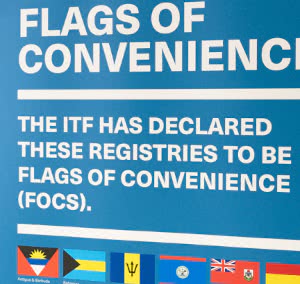
ITF calls on governments to dismantle the flag of convenience system once and for all
London
It is - the union denounces - the bad apple at the heart of the exploitation of seafarers
Evergreen's revenues decreased by 21.3% in the first quarter
Taipei
Operating profit and net economic profit fell by -69.5% and -68.8%
Viking Holdings closed the first quarter with a net loss of -54.2 million dollars
Los Angeles
Revenues up 17.5%
In the first three months of 2026, container traffic at Eurokai port terminals grew by +8.9%
Bremen
Increases of 12.7% in Germany and 7.8% in Italy. A decline in the port of Tangier Med.
Norovirus on Ambassador Cruise Line's Ambition cruise ship
Purfleet/Vlissingen
French health authorities have authorized the unit to continue normal operations.
In the first three months of 2026, freight traffic in the Port of Hamburg decreased by -2.0%
Hamburg
Containers amounted to two million TEUs (-1.6%)
Yang Ming and WHL's quarterly financial results continue to deteriorate.
Keelung/Taipei
In the first three months of this year, revenues decreased by -15.1% and -9.3% respectively.
Hapag-Lloyd closed the first quarter with an operating loss of -218.6 million euros
Hamburg
Revenues down 16.8%
In the first three months of 2026, HMM's revenue decreased by -4.8%
Seoul
Container segment saw a 7.9% decline and bulk segment saw a 20.1% growth.
Global Ports Holding's cruise terminals recorded record traffic in the first quarter of this year.
Istanbul
Five million passengers almost reached
Le Aziende informano
International Shipping Community to Gather in Genoa for Two Days of Maritime Dialogue and Networking
In the first three months of 2026, freight traffic in the ports of Genoa and Savona-Vado fell by -3.8%
Genoa
In March, a decline of -6.1%, with a sharp contraction of -15.0% in containerized cargoes
Federconsumatori is calling on the government to take measures to mitigate the impact of the rising ferry ticket prices.
Rome
Price increases are at +18% for the central weeks of August
In the first quarter of this year, cargo traffic in Croatian ports grew by 14.6%.
Zagreb
Monthly record in March
Successful trial of HVO diesel fuel for cruise ship propulsion
San Donato Milanese
Experiment conducted jointly by Eni and MSC Cruises
Gioia Tauro takes second place in the ranking of the main Italian ports, overtaking Genoa
Rome
Fincantieri records a decline in revenues and new orders
Rome
The group's backlog reached a record value of 74.2 billion euros
The president of Angopi receives the first professional certificate of competence as a mooring man.
Savona
The certificate must be renewed every five years.
Fincantieri has delivered the new cruise ship Mein Schiff Flow to TUI Cruises.
Hamburg/Monfalcone
With a gross tonnage of approximately 160,000 tons, it has a capacity of approximately 4,000 passengers.
In the first three months of 2026, freight traffic in the port of Palermo decreased by -6.3%
Palermo
Traffic also decreased in the ports of Termini Imerese, Trapani, and Licata. Increases occurred in Porto Empedocle and Gela.
The Antitrust Authority has not given its final approval for the acquisition of Armas' assets and activities by Baleària.
Barcelona
Set a series of conditions
Assarmatori's annual assembly will take place in Rome on Tuesday.
Rome
The event's theme is "Instructions for not navigating in the dark."
VARD to build a new generation fishing vessel
Trieste
It was ordered by the Norwegian company Rosund Drift
Concentration in the UK shipbuilding sector
London
Baleana buys APCL Group (A&P Tyne, Cammell Laird and A&P Falmouth and Falmouth Docks and Engineering)
Royal Caribbean has taken delivery of its new Legend of the Seas cruise ship.
Miami
Built by Meyer Turku, it can accommodate 5,610 passengers
Informal hearings of trade union representatives on port governance reform
Rome
At the heart of the critical issues highlighted - confirms Filt-Cgil - is the planned establishment of Porti d'Italia Spa
Venice, the DPSS confirms the need to build new offshore terminals outside the lagoon.
Venice
The Strategic System Programming Document has been approved by the AdSP Management Committee
The Spinelli Group has joined the Italian Association of Port Terminal Operators
Genoa
The company and Assiterminal expressed satisfaction with the resumption of an important association
In the first three months of 2026, freight traffic at UK ports fell by -2.6%
London
More significant decrease (-6.8%) in boarding loads
Mark Hindley is the new president of the European Motor Vehicle Logistics Association
Istanbul
Wolfgang Göbel was elected honorary president
At the Port of Genoa, a tugboat was stopped for irregularities in nitrogen oxide emissions.
Genoa
The vessel is used for the construction works of the new breakwater
In April, freight traffic in the port of Ravenna grew by +21.4%
Ravenna
An increase of +2.5% is expected in May
Sallaum Lines to launch dedicated China-Europe service in 2027
Nanjing
Two new 7,400 CEU PCTCs taken delivery
On June 12th in Naples, an initiative by Filt Cgil on governance in the port sector
Rome
Naval drone found in Romanian port of Constanta
Bucharest
The device self-destructed without causing any casualties.
HJSC receives approval in principle for the construction of a 10,000 TEU biofuel containership.
Athens
It was released from the Korean Naval Register
Global Ship Lease invests $917 million to purchase ten new container ships
Athens
They will be delivered between the fourth quarter of 2028 and the first quarter of 2030.
SAILING LIST
Visual Sailing List
Departure ports
Arrival ports by:
- alphabetical order
- country
- geographical areas
WASS (Fincantieri) and Magellan Agreement on Canada's Underwater Defense
Trieste
Industrial cooperation opportunities in the field of heavy torpedoes and countermeasures will be explored
Solutions to overcome the chronic staff shortage in the Italian maritime sector
Procida
Pagano (Maritime Labor Committee): Digitalization, simplification, and cooperation between training and businesses to overcome the crisis
Maritime training agreement signed by Gente di Mare (Cosulich) and Carnival
Genoa
Di Tizio: This collaboration allows us to bring an international project to the territory
Antipollution (V.Group) orders four eco-friendly vessels from ONEX Shipyards & Technologies
Athens
Option for four additional units
Spinelli has ordered three new handling vehicles from FTMH
Genoa
A reach stacker for empty containers has already entered service in the group's Livorno depot
Luigi Merlo to lead MSC Cruises' Italian cruise terminal company
Geneva
Centrone (formerly Fincantieri) takes over as Director of Maritime Policies and Government Affairs for the group in Italy
Greece's Skaramangas Shipyards and South Korea's HD Hyundai sign cooperation agreement
Athens
The aim is to collaborate in the construction of surface military vessels
AD Ports buys the Brazilian Corredor Logística e Infraestrutura
Sao Paulo/Abu Dhabi
The company handles the largest volume of agri-food bulk exports in the South American nation
The 2026-2028 Three-Year Operational Plan of the Northern Tyrrhenian Port Authority has been approved.
Livorno
Unanimous approval from the Management Committee
Chen Lichtenstein appointed president and CEO of ZIM
Haifa
He will replace the resigning Eli Glickman.
Gianluca Croce has been confirmed as president of Assagenti Genova.
Genoa
The members of the association's board for the two-year period 2026-2028
The Mega Serena ferry has joined the Corsica Sardinia Ferries fleet.
Vado Ligure
It has a capacity of up to 2,000 passengers and over 600 vehicles.
The first steel cutting of the Crystal Grace cruise ship took place in Marghera.
Miami
Fincantieri will deliver the vessel in spring 2028
Palumbo Superyacht awarded 13,048 square meters of mooring space to the Port of Ortona.
Ancona
Central Adriatic Port Authority, guidelines for issuing the single ZES authorization
Port of Livorno: Two new FHP MarterNeri warehouses inaugurated
Livorno
Investment exceeding 23 million euros
The Committee of the Central Northern Tyrrhenian Sea Port Authority has decided to close the institution's state of crisis.
Civitavecchia
New solution for exceptional transport on intermodal trains from FS Logistix and Van der Vlist
Verona
Two aerial platforms transported from Verona to Rostock
Port of Naples: Fire aboard GNV's Phoenix ferry
Naples
Flames broke out in the internal areas of deck 6 of the ship
Latrofa has chosen a trusted individual to lead an in-house company within the Lazio Port Authority.
Civitavecchia
The new sole director - he underlined - has been provided with particularly stringent management guidelines
In the first three months of 2026, MPC Container Ships' revenues decreased by -6.4%.
Oslo
Quarterly net income of $40.8 million (-31.8%)
The 2026-2028 Three-Year Operational Plan of the Sardinian Port Authority has been approved.
Olbia
Green light from the Management Committee
The environmental assessment process for the San Antonio Outer Harbor project has been completed.
Saint Anthony
The Viking Mira cruise ship was delivered at the Fincantieri shipyard in Ancona
Ancona/Los Angeles
It has a gross tonnage of 54,300 tons and a capacity of 998 passengers.
In 2025, RINA recorded revenues of over one billion euros (+11%)
Genoa
Net profit up 30%
The new railway bridge has been installed at the Port of Marina di Carrara.
Marina di Carrara
Pisano: A turning point in the port's logistics organization.
Ports, freight terminals, and corridors. Venice and the Upper Adriatic as a gateway to the East.
Venice
This is the theme of the event that will be held on Thursday in Venice
Estonian State Fleet orders electric-powered ferry from Polish shipyard Crist
Tallinn
Contract worth 49.93 million euros
In April, Spanish ports handled 1.7 million containers (+1.7%)
Madrid
Cruise passengers down by -18.4%
Container traffic in the port of Valencia decreased by 2.5% in April
Valencia
In the first four months of 2026, almost 1.8 million TEUs were handled (+0.2%)
Global Ship Lease posts record quarterly revenues again
Athens
Net profit down 24.0%
International cooperation between the Sardinian Port Authority and the Port of Tangier Ville for luxury yachting
Cagliari
Promotion of an integrated nautical circuit between Sardinia and Morocco
The new first aid medical center has been inaugurated in the port of Gioia Tauro
Gioia Tauro
Among the facilities, a first aid clinic and a CMR ambulance
BPER provides financing to Grimaldi Euromed for fleet modernization.
Milan/Naples
Resources used to partially cover the purchase of the ship "Grande Manila"
ASRY and Priya Blue establish ship recycling yard in Bahrain
Al Muharraq/Alang
First ship destined for dismantling has arrived in the Middle Eastern nation
SAAM Towage orders five new tugboats from Turkish shipyard Sanmar Shipyard
Santiago
They will have a pulling capacity of between 70 and 80 tons
Container traffic at the Port of Long Beach dropped 5.7% last month.
Long Beach/Singapore/Hong Kong
In Singapore, growth of +3.6% was recorded, while in Hong Kong containers decreased by -6.3%.
Carta (Fermerci): Urgent policies are needed to support railway companies.
Rome
In 2025, rail cargo lost approximately 3.5%, in terms of trains/km
Fratelli Neri orders two more new tugboats in Egypt
Ismailia
Contract with the Suez Canal Company for Modern Boats
Container traffic in the port of Barcelona grew by 17.4% in April.
Barcelona/Algeciras
Algeciras port increases by 6.3%.
The Islamabad government has approved the sale of a 30% stake in the Pakistan National Shipping Corporation.
Islamabad
The share will go to the state logistics company NLC which will also assume management control of PNSC
In 2025, the Spanish port system recorded record revenues
Madrid
Pre-tax profit was 349 million euros (+4.2%)
Leapmotor International strengthens its partnership with the Neapolitan Grimaldi shipping group.
Hoofddorp
In the first quarter, approximately 20,000 units were transported from China to the Italian market.
Cruise traffic in German ports reached a new record last year
Wiesbaden
With 1.51 million passengers, growth was +4.1%.
Federazione del Mare joins the celebrations for the International Day for Women in Maritime 2026.
Rome
Mattioli: The maritime economy is losing opportunities and potential.
After years of sustained growth, short sea shipping in Spain has entered a phase of structural slowdown
Madrid
This is what the latest report from the Observatorio Estadístico del Transporte Marítimo de Corta Distancia reveals.
AD Ports to buy German freight forwarder MBS Logistics
Colony
The company has over 450 employees and 26 offices worldwide.
The Spinelli Group has joined the Sustainable Intermodal Logistics Association
Genoa/Rome
Summary: ALIS can offer our ecosystem strategic added value
$200 million investment to build and equip the new multipurpose terminal at Pointe-Noire
Brazzaville/Abu Dhabi
Ordered three ship-to-shore cranes from ZPMC
Evergreen confirms purchase of five new 24,000 TEU containerships
Taipei
They will be built by the Chinese shipyard Guangzhou Shipyard International
Korea will launch an Asia-Europe containerized shipping service on the Arctic route in the coming months
Busan
The tender concluded with the preliminary selection of the PanStar company.
The Maritime Union has raised new alarm over the fate of former ILVA ships.
Verona
Their possible demolition puts 240 maritime jobs at risk
In the period January-March, freight traffic in the port of Koper decreased by -3.9%
Ljubljana
In the container sector, 2.4 million tons were handled (-1.7%)
Last chance to recognize some port jobs as strenuous and to establish a pension fund
Genoa
Siemens to acquire Italian MERMEC business
Monk
The transaction will include the Ferrosud rolling stock production plant in Matera
Growth in intermodal traffic at the Nola interport
Nola/Milan
Economic and financial analysis by the Fedespedi Research Center on freight terminal management companies
Quarterly decline in goods handled by Montenegro's ports
Podgorica
The increase in cargo volumes to and from Italian ports continues, albeit at a slower pace.
Assarmatori denounces the exclusion of maritime transport from the Fuel Decree-Law II.
Rome
Messina: The sector cannot be expected to absorb the impact of fuel price increases alone.
HHLA records a -5.3% decline in containers handled in the first quarter
Hamburg
Eijsink: An unusually harsh winter has significantly limited our daily operations
MSC Technology Italy launches a plan to hire 200 new people.
Turin/Geneva
MSC Cruises debuts in the Alaska market
The Marche Region has approved Carloni's appointment as president of the Central Adriatic Port Authority.
Ancona
Awaiting the opinion of the Abruzzo Regional Council
Greek company Danaos Corporation's quarterly revenues remain stable.
Athens
Two ships of the company are still blocked in the Persian Gulf
Container traffic at the Port of Los Angeles increased by 5.7% in April.
Los Angeles/Port Newark
In the first three months of 2026, the Port of New York handled nearly 2.2 million TEUs (-1.2%)
Cognolato was confirmed as president of Assiterminal
Rome
The new presidency committee and board of directors were also elected
In the first quarter of 2026, freight traffic in the port of Ravenna increased by +0.8%
Ravenna
The growth was driven by the entry into operation of the regasification plant
PORTS
Italian Ports:
Ancona Genoa Ravenna
Augusta Gioia Tauro Salerno
Bari La Spezia Savona
Brindisi Leghorn Taranto
Cagliari Naples Trapani
Carrara Palermo Trieste
Civitavecchia Piombino Venice
Italian Interports: list World Ports: map
DATABASE
ShipownersShipbuilding and Shiprepairing Yards
ForwardersShip Suppliers
Shipping AgentsTruckers
MEETINGS
Assarmatori's annual assembly will take place in Rome on Tuesday.
Rome
The event's theme is "Instructions for not navigating in the dark."
On June 12th in Naples, an initiative by Filt Cgil on governance in the port sector
Rome
Comparison on the logistical, industrial and infrastructural development of ports
››› Meetings File
PRESS REVIEW
World's first floating fusion reactor-powered vessel could become reality with new project
(Interesting Engineering)
Shipbuilding's Spring Illusion: Backbone Collapses
(The Chosun Daily)
››› Press Review File
FORUM of Shipping
and Logistics
Intervento del presidente Tomaso Cognolato
Roma, 19 giugno 2025
››› File
MSC introduces calls at Naples and Malaga on its Dragon service
Geneva
Calls at the Gioia Tauro port have been cancelled.
The National Maritime Fund's board has been renewed.
Genoa
He will remain in office for three years
Network contract for the joint development of intermodal services in Emilia-Romagna
Bologna
It was signed by Interporto Bologna, Dinazzano Po S, SAPIR and Rail Traction Company
Messina (Assarmatori): European technocracy appears inflexible on the EU ETS
Brussels
He underlines that a significant improvement of these policies is necessary.
d'Amico International Shipping's first quarter results are positive.
Luxembourg
The company benefited from the effects of geopolitical tensions
Two orientation events in Livorno and Naples to present the ITS Purser course.
Genoa
Meetings scheduled by the Italian Merchant Marine Academy with the Grimaldi Group
The bow section of the Explora V was launched in Palermo
Geneva
Fincantieri will deliver the cruise ship to Explora Journeys in 2027
The president of the Eastern Adriatic Port Authority is the new president of Trieste Passenger Terminal.
Trieste
He takes over from Gianluca Madriz
Port of Olbia: Seabed restoration work has begun in the access channel to Isola Bianca.
Cagliari
The aim is to safely allow large cruise ships to enter
Damen to renovate and operate Dakar ship repair yard
Dakar/Gorinchem
20-year contract with the Société des Infrastructures de Réparation Navale
Savino Del Bene has acquired three companies of the Spanish Grupo Marítima Sureste
Florence/Valencia
The agreement involves Marítima Sureste Shipping, Marítima Sureste Spain and Transportes Gaypemar
Fim-Cisl, the meeting with Fincantieri regarding the Muggiano shipyard's prospects was positive.
La Spezia
The investments announced by management - the union noted - are going in the right direction.
Rising energy costs weigh on Finnlines' latest quarterly financial statement.
Helsinki
Doepel: Burdens further increased by EU ETS implementation
Marabello is the new secretary general of the Strait of Messina Port Authority.
Messina
The assignment lasts four years
Heavy lift vessel HMM Namu hit near the Strait of Hormuz
Seoul
The accident did not cause any casualties.
DFDS's quarterly financial performance deteriorates
Copenhagen
The fleet's rolling stock is growing. Passenger numbers are down 18%.
From May 21st to 23rd, Ravenna will host "Deportibus - The Festival of Ports Connecting the World."
Ravenna
Kalmar records quarterly decline in new orders
Helsinki
In the January-March period, revenues increased by +5%
Job openings are growing for the port companies of Trieste and Monfalcone.
Trieste
Delivery of a recognition plaque
In the first quarter of 2026, Costamare's revenues decreased by -5.3%
Monk
Orders confirmed for 12 new 9,200 TEU vessels and four 3,100 TEU vessels
- Via Raffaele Paolucci 17r/19r - 16129 Genoa - ITALY
phone: +39.010.2462122, fax: +39.010.2516768, e-mail
VAT number: 03532950106
Press Reg.: nr 33/96 Genoa Court
Editor in chief: Bruno Bellio
No part may be reproduced without the express permission of the publisher
Search on inforMARE Presentation
Feed RSS Advertising spaces

inforMARE in Pdf
Mobile