testata inforMARE
Cerca
12 June 2026 - Year XXX
Independent journal on economy and transport policy
23:16 GMT+2
LinnkedInTwitterFacebook
FORUM of Shipping
and Logistics


INTERPORTI:
LE PREMESSE PER FARE UNA LOGISTICA D'ECCELLENZA


Mai titolo fu più indovinato per quanto illustrerò in seguito e che spero sarà condiviso anche dagli ospiti seduti con noi.

Continua in Europa in modo vortico e a volte un po' caotico la riorganizzazione delle reti di trasporto sulle quali, attraverso anche un riequilibrio modale, si ambisce a dirottare e concentrare gran parte dei flussi di traffico merce.

Ma, a fronte di una situazione ben poco organizzata rispetto a come la vorrebbe la Commissione Europea, l'impressione è che, accanto a una pianificazione infrastrutturale manchi una politica commerciale in grado di guidare, condizionare e influenzare le scelte logistiche dei detentori del traffico che poca confidenza hanno con i tavoli tecnici della Commissione Europea. In Italia, in particolare, la situazione è ben più complicata, dovuta alla totale assenza di una cultura logistica del reticolo produttivo nazionale che se, da un lato, continua a non considerare la logistica un elemento strategico della propria offerta, dall'altro non è messo nelle condizioni di poter valutare e utilizzare servizi logistici efficienti inseriti e operanti in un'ottica di sistema.

L'individualismo è purtroppo ancora un elemento dominante delle più importanti leve nazionali il cui disallineamento riduce drasticamente i livelli di competitività del nostro Paese che ormai da troppo tempo subisce gli andamenti storici anziché dominarli.

L'inversione di tendenza non sarà mai innescata fino a quando non verrà sostenuta e pianificata, da chi di dovere, una forte politica di integrazione e complementarietà. Nel vortice della globalizzazione i confini si riducono per cui urge in Italia un veloce recupero del ritardo accumulato negli anni che porti allo sradicamento di abitudini campanilistiche improduttive a anacronistiche.

Le numerose potenzialità di cui gode il nostro Paese, a cominciare dalla sua posizione geografica, così centrale rispetto all'Europa, rischiano di essere polverizzate proprio per la mancanza di un disegno omogeneo di sviluppo, di una politica forte che riconosca la strategicità delle infrastrutture in un processo di rilancio complessivo del Paese con un piano di sviluppo a lungo termine che finalmente allinei l'Italia all'Europa.

In questo contesto, la UIR accoglie con interesse il lavoro messo in campo dal Governo che, nell'elaborare un nuovo Piano della Logistica, riconosce proprio alla logistica la funzione di incidere sulla competitività del sistema economico nel suo insieme e si propone di dare un contributo costruttivo alla predisposizione delle politiche future che dovrebbero determinare una trasformazione reale dell'assetto logistico nel nostro Paese.

Il cantiere sul nuovo Piano produrrà risultati positivi se sarà un documento concreto, condiviso dagli attori in campo, con azioni chiare che consentiranno di recuperare le inefficienze logistiche del paese a cui Lei signor Sottosegretario fa spesso riferimento.

  • Serve un piano a cui non si riservi la fine avvenuta ai precedenti piani del 2001 e del 2006 e al lavoro presentato nel 2008.
  • Serve un piano che sia accompagnato dalle risorse per dare corso alle politiche indicate.
  • Serve un piano che assuma pienamente il valore di politica industriale che esprime;
e allora per noi UIR si possono individuare almeno cinque campi di azione per delineare una politica industriale per la logistica:

  1. riorganizzazione dell'offerta
  1. trasformazione della domanda
  1. concentrazione delle piattaforme in piastre logistiche
  1. riqualificazione degli insediamenti immobiliari per la logistica
  1. definizione di un nuovo quadro normativo per il settore.
Il controllo delle soluzioni logistiche congiuntamente alla qualità dei prodotti ed alla rete di commercializzazione, costituisce una delle variabili essenziali per posizionarsi con successo sui mercati internazionali. Nel coordinamento dei tre elementi di cui sopra, l'Italia marca, però, un rallentamento per aver storicamente delegato a terzi l'organizzazione dei processi logistici (in entrata e in uscita) compromettendo un rapido riorientamento dei flussi di import-export indispensabile a seguito della crisi in corso. Per andare in questa direzione occorrerebbe prendere atto delle forze effettivamente in campo, a partire dal peso e dalla rilevanza dell'autotrasporto, vera spina dorsale della nostra attuale organizzazione logistica.

Che l'Italia soffra, però, un'eccessiva parcellizzazione dell'offerta di autotrasporto che inficia l'efficienza di prestazioni di servizio competitive sia dal punto di vista economico che qualitativo è, purtroppo, un'evidenza. Bene sarebbe allora individuare delle barriere in entrata e dei precisi standard qualitativi che possano contenere il frenetico aumento di singoli operatori attivando sani processi di selezione e di razionalizzazione del mercato a beneficio di un'impresa di autotrasporto sicuramente più solida.

Ancora, l'autotrasporto italiano opera, purtroppo, in maniera del tutto isolata, slegato da qualsiasi logica di cooperazione intermodale considerata una minaccia e non certo un'opportunità di offrire servizi di trasporto più efficienti e meno impattanti. Sfugge ancora l'evidenza che il trasporto stradale è un elemento del trasporto intermodale e quindi parte di una politica di sviluppo poliedrica che deve tener conto di un'offerta globale. Appare, però, difficile che si possano determinare cambiamenti nell'assetto del mercato senza stimoli ed aiuti finanziari. Quando si assegnano incentivi per il rinnovo delle flotte camionistiche, come nel caso del recente decreto cd. “ferrobonus”, sarebbe auspicabile che tali risorse fossero finalizzate all'acquisto di mezzi vocazionalmente adatti alla intermodalità per scoraggiare l'attuale predominanza del tutto-strada. Difatti, il passaggio dalla mono alla multi-modalità costituisce un tassello imprescindibile per far evolvere le imprese di autotrasporto verso la gestione di una catena del valore più estesa rispetto alla pura offerta di servizi trazionistici.

E' pur vero che le successive modifiche al decreto di cui sopra, sposano maggiormente le urgenze che la UIR da tempo pone alla ribalta, così come le stesse aprono alla prospettiva che ad accedere ai contributi siano anche gli Interporti, in qualità di utenti di servizi di trasporto ferroviario. Gli stanziamenti finanziari previsti dal decreto fanno purtroppo i conti con risorse monetarie governative molto contenute, ma certo è per noi l'inizio di un approccio positivo che sostiene i margini operativi degli Interporti.

I 27 milioni di euro sono certamente il segnale della volontà di tracciare un percorso che muova verso una direzione positiva ma non possiamo non sottolineare con preoccupazione che la legge di stabilità non strutturi un seguito per il 2011.

A fare da corollario sarebbe un'azione strutturata e inequivocabile, sgombra da compromessi, che garantisca una vera liberalizzazione del mercato ferroviario, tanto più indispensabile dal momento che l'ex monopolista non è in grado di operare a condizioni competitive.

Se è assolutamente prioritario riorganizzare l'offerta di servizi logistici, lo è altrettanto la trasformazione della domanda di servizi logistici da parte del sistema industriale che dovrebbe finalmente riappropriarsi della gestione del ciclo logistico e non più delegarlo ad acquirenti e venditori esteri con le clausole franco fabbrica per l'export e franco destino per l'import. Anche in questo caso, sarà indispensabile identificare concreti strumenti che siano in grado di indurre comportamenti che vadano nella direzione di una modernizzazione dei processi logistici.

La necessità di armonizzare e di orientarsi con azioni concrete verso l'intermodalità dei trasporti è un obiettivo primario da perseguire, pena l'emergere di scelte alternative di localizzazione e di utilizzo di altre aree europee dotate di maggiori infrastrutture e di servizi più efficienti, più rapidi, meno costosi e meno impattanti. Un allineamento strategico di tutti i principali attori coinvolti nel processo logistico e con esso il rafforzamento della maglia primaria delle piattaforme intermodali, terrestri e marittime in un contesto di effettiva integrazione delle sette piattaforme territoriali individuate nell'allegato al DPEF 2009-2013, potrebbe valorizzare logiche di sinergia e disincentivare politiche di competizione territoriale.

L'identificazione di un network intermodale condiviso e l'allineamento degli indirizzi nazionali con leve decisionali che oggi sono essenzialmente nelle mani degli enti territoriali, dovrebbero fare da deterrente al processo di proliferazione di insediamenti logistici al di fuori di politiche intermodali e di sistema.

Cambiamenti così radicali del sistema logistico nazionale necessitano di essere inseriti in un nuovo quadro normativo, che per ciò che interessa maggiormente UIR, si riferisca in particolare agli Interporti.

La legge 240/90, che ha avuto il grande merito di attivare il percorso fondativo dell'esperienza interportuale in Italia, richiede ora di essere aggiornata per tener conto delle trasformazioni intervenute e della necessità di dare nuovo slancio alla operatività degli interporti nazionali in un quadro europeo.

A tale riguardo, una legge di riordino degli interporti e delle piattaforme logistiche, comunque già assegnata alla responsabilità del governo dalla legge 57 del 15 marzo 2001, dovrebbe affrontare almeno le seguenti questioni:

  • definire i concetti di piattaforma logistica territoriale e di interporto, anche nella logica del disegno europeo di politica dei trasporti, inserendo la rete dei terminali strategici nazionali nel network comunitario dei collegamenti e dei corridoi:

    • per piattaforma logistica territoriale si intende il compendio delle infrastrutture e dei servizi, presenti su un territorio interregionale, destinato a svolgere funzioni connettive di valore strategico per l'intero territorio nazionale nel suo insieme, prioritariamente nei suoi rapporti con la rete transnazionale dei trasporti, per favorire l'interconnessione più efficace al fine di migliorare la competitività del Paese;

    • per interporto si intende un complesso organico di infrastrutture e servizi integrati, gestito da un soggetto imprenditoriale che opera al fine di favorire lo scambio di merci tra le diverse modalità di trasporto, con l'obiettivo di accrescere l'intermodalità. Un interporto deve comprendere almeno un terminal ferroviario idoneo a formare o ricevere treni completi, operando un numero non inferiore a 10 coppie di treni settimanali, e deve essere collegato con porti, viabilità di grande comunicazione ed aeroporti;
  • riordinare le competenze in materia di pianificazione per le piattaforme logistiche territoriali tra i tre livelli (comunitario, nazionale e regionale) e di conseguenza per gli interporti, assegnando allo Stato sia il compito di definire i “terminali strategici” funzionali ai corridoi europei di trasporto merci, sia il compito di definire i requisiti delle piattaforme logistiche integrate su base sovra regionale con l'obiettivo di favorire la sostenibilità economica del trasporto intermodale attraverso la concentrazione e la specializzazione dei traffici;
  • lasciare invece alle Regioni il compito di autorizzare la costruzione e la gestione di un interporto, coerentemente con il quadro nazionale e comunitario che emerge dalla definizione dei terminali strategici comunitari e dai criteri fissati per l'ottimale organizzazione delle piattaforme logistiche integrate;
  • assegnare al Ministero delle Infrastrutture e dei Trasporti il riconoscimento delle piattaforme logistiche esistenti e la localizzazione di nuove eventuali piattaforme, mediante lo strumento del programma nazionale per lo sviluppo dell'intermodalità, che deve essere contenuto all'interno del piano generale dei trasporti e della logistica. Il programma nazionale per lo sviluppo della intermodalità viene sottoposto al parere, obbligatorio e non vincolante, della Conferenza Stato-Regioni, e dovrà definire il nuovo assetto logistico del sistema paese e pertanto in modo preciso: i “terminali strategici” (grandi hub) di attrazione e di accesso per il combinato terrestre nazionale e internazionale, i terminali ferroviari di concentrazione dei traffici anche per il combinato marittimo. Determinante sarà il collegamento tra le strutture portuali e gli interporti, finalizzato allo sviluppo dei terminal intermodali privilegiando il migliore sfruttamento degli impianti esistenti, piuttosto che la costruzione di nuovi, favorendone comunque la integrazione dell'attività nel caso di compresenza di diversi impianti gestiti da soggetti diversi nei territori di riferimento delle singole piattaforme logistico-territoriali;
  • fissare i requisiti delle piattaforme logistiche territoriali per quanto riguarda gli interporti: all'interno di ciascuna piattaforma logistica debbono essere individuati dalle Regioni un numero definito di interporti operativi, secondo le indicazioni contenute negli strumenti di programmazione nazionale e comunitaria, prevedendo la costruzione di un nuovo interporto solo se chiaramente funzionale a ricevere ed a formare almeno 10 coppie di treni settimanali e in presenza di una rete ferroviaria adeguata a tale esigenza e certificata dal relativo gestore;
  • istituire, tra le Regioni interessate da una piattaforma logistica territoriale, un organismo di coordinamento strategico, formato dagli assessori ai trasporti ed alla mobilità delle Regioni stesse; a tale organismo viene assegnato il ruolo di cerniera tra gli indirizzi nazionali della politica dei trasporti ed i piani regionali delle singole istituzioni territoriali, per fare in modo che la somma degli interporti definiti dalle differenti pianificazioni regionali non sia superiore ai vincoli stabiliti dalla legge;
  • limitare l'ambito del finanziamento; contributi finanziari pubblici destinati al potenziamento infrastrutturale possono essere assegnati solo agli interporti definiti dalla legge e compresi all'interno della pianificazione nazionale e regionale; in tal modo da un lato si concentra l'assegnazione delle risorse alle sole piattaforme veramente strategiche per lo sviluppo complessivo del Paese, dall'altro si evita che nascano nuove infrastrutture logistiche, infrastrutture che generano dispersione anziché concentrazione dei flussi di traffico, condizione indispensabile per assicurare qualità ed economicità al processo di erogazione del servizio di trasporto ed allo scambio tra le diverse modalità ( nella fase iniziale potrebbero essere trasferite ad un apposito fondo tutte le risorse ex legge 240/90 non convenzionate alla data del 31 dicembre 2009 e non utilizzate ad una data da definire e può essere ipotizzato il rifinanziamento del decreto sui “colli di bottiglia”); prevedere comunque l'erogazione dei contributi a favore del traffico intermodale, soprattutto nella fase di start-up di nuovi collegamenti e nella ipotesi di integrazione tra porti/interporti.
  • specificare e ribadire la natura giuridica privatistica di un interporto, le cui attività rientrano nelle attività di prestazioni di servizi aventi natura commerciale, per assicurare quel necessario modello gestionale flessibile ed orientato alla efficienza/efficacia delle azioni, indispensabile per offrire una risposta tempestiva e di qualità alla domanda da parte degli operatori del trasporto che si insediano in questa infrastruttura;
  • favorire l'insediamento negli interporti di centri per lo stoccaggio di rifiuti e di materie prime seconde, in modo tale da favorire, per questa tipologia di merci, il ricorso a soluzioni di trasporto intermodale, minimizzando le rotture di carico e la dispersione logistica;
  • incentivare, mediante strumenti di agevolazione fiscale, la localizzazione, all'interno degli interporti, di insediamenti manifatturieri ad alto contenuto logistico, per favorire l'accesso a soluzioni di trasporto immediatamente disponibili in loco.
L'aggiornamento del quadro normativo potrebbe così rappresentare un'ottima base affinché gli interporti possano configurarsi come:

  • integratori di traffici;
  • pivot del sistema portuale;
  • promotori di servizi integrati;
  • promotori di utili meccanismi di concorrenza in quanto interlocutori di operatori ferroviari differenti dall'attuale quasi-monopolista nazionale.
Per la loro stessa natura, gli interporti possono davvero svolgere un ruolo determinante in un disegno complessivo di rilancio del sistema logistico nazionale, potendosi proporre al mercato come soggetti polifunzionali in quanto propulsori del trasporto intermodale delle merci, poli di sviluppo economico, aree di innovazione a sostegno della sostenibilità ambientale.

La stagione degli interporti come soggetti esclusivamente immobiliari l'abbiamo definitivamente buttata alle nostre spalle; la fotografia aggiornata ci consegna una situazione composta da Interporti che agiscono in prima linea sul mercato dei servizi logistici, ferroviari ed intermodali. Le Società degli Interporti di Nola e Marcianise hanno sviluppato imprese ferroviarie, quella dell'Interporto di Padova opera sul mercato come vero e proprio MTO dopo aver consolidato una positiva esperienza nella gestione di servizi legati al trasporto urbano delle merci; abbiamo il caso dell'Interporto di Rivalta Scrivia che, da sempre gestore di servizi logistici, è oggi protagonista nel riposizionamento della logistica del Nord Ovest. Penso, ancora, ai servizi ferroviari attivati dall'Interporto di Trento per il trasporto verso il centro-sud di materiale littoide o alle iniziative degli Interporti di Jesi, questo impegnato anche con l'apertura di servizi doganali da e per i Paesi della federazione russa, e Portogruaro per intercettare il trasporto di barbabietole.

L'elenco di tutte le nostre buone prassi che certo meritano grande attenzione potrebbe essere ben più lungo smentendo con fatti concreti chi ci vorrebbe sempre e solo amministratori di condominio.

E' questa la nostra risposta alla sfida che in modo provocatorio Mauro Moretti lancia ogni volta in merito al numero degli interporti. Lunedì scorso l'Amministratore Delegato delle ferrovie ha detto “di interporti ne bastano 10”.

Riprendendo alcuni dei concetti esposti in merito all'urgenza di un nuovo quadro normativo, ribadisco che il compito di pianificare deve rimanere in capo alle Istituzioni e agli organi politici congiuntamente agli attori interessati, poi e' bene che la discussione si affronti avendo chiara la fotografia dell'esistente ma quella a venire sulla base di un disegno strategico unitario per il paese nel quale alcuni interporti svolgono già un ruolo di portata internazionale che sarà vincente solo se creando relazione dirette con le altre strutture del paese.

Un lavoro impegnativo di riposizionamento delle rete interpotuale è stato intrapreso negli anni recenti dall'Unione Interporti Riuniti che nel suo intento è riuscita a rivendicare e consolidare la funzione di queste infrastrutture che ancora tanto possono dare al sistema Paese soprattutto se si pensa che, da una recente ricerca effettuata dal CENSIS, risulta che ci sia un mercato aggredibile di trasporto ferroviario/intermodale di ben 151 milioni di tonnellate quale quota di quei flussi di traffico attualmente movimentati su gomma destinati a mercati internazionali o a regioni non adiacenti a quelle di origine.

La quota più significativa del traffico potenzialmente intermodale è generata dalle 4 principali regioni del Nord: Lombardia, Piemonte, Veneto ed Emilia Romagna da cui parte il 45% del traffico extra-regionale diretto all'estero o a regioni non adiacenti, per un totale di 68 milioni di tonnellate; tale percentuale arriva al 60% considerando anche Friuli Venezia Giulia, Liguria e Trentino Alto Adige e all'80% con Toscana, Puglia e Campania.

Anziché continuare a sottolineare le inefficienze e le carenze infrastrutturali e strutturali del Paese mi piacerebbe adesso introdurre spunti interessanti di discussione che aprano panorami nuovi e ottimistici e che siano soprattutto elementi di confronti costruttivi e propositivi.

Il nuovo approccio alla logistica nazionale deve porre la massima attenzione ai territori dell'intermodalità, concetto innovativo elaborato dal CENSIS e sposato dalla UIR, la cui identificazione poggia su un'analisi incrociata di fattori geografici, economico/produttivi e dotazioni infrastrutturali e verso i quali sarebbe opportuno indirizzare in via prioritaria politiche di sostegno in termini finanziari, di razionalizzazione e di pianificazione.

Sulla base dei criteri selettivi sopra menzionati si deduce che i territori dell'intermodalità sono fondamentalmente posizionati nel nord Italia con circoscrizioni di modesta entità in Campania e in Puglia. Tale quadro porta a considerare la possibilità di utilizzare gli interporti del nord Italia come piattaforme di “transshipment” dove concentrare le merci provenienti dal resto della penisola da rilanciare in Europa o in destinazioni ancor più lontane. Stesso dicasi per le rotte contrarie.

Se così fosse diventerebbe ancor più indispensabile rafforzare i livelli di integrazione della rete interportuale attraverso l'implementazione e la messa a punto di servizi logistici complessi e integrati. Strategia che non inficia certo i livelli di produttività dei singoli, ma al contrario permette di incrementarne i livelli di attrattività/competitività nei confronti di un mercato al quale si è in grado di proporre un'offerta completa.

In questo contesto un ruolo importante potrebbe giocarlo la piattaforma UIRNET pensata per migliorare l'efficienza e la sicurezza dell'intero sistema logistico nazionale che su base tecnologica propone agli operatori servizi di infomobilità, servizi di interoperabilità, servizi specifici per la gestione del trasporto delle merci pericolose.

I colleghi presenti mi daranno ragione nell'affermare che in un processo di riorganizzazione logistica che si incastri con i nuovi scenari economico/produttivi, l'approccio di corridoio è sicuramente quello vincente.

Le complicate operazioni di integrazione orizzontale e verticale delle attività e dei processi logistici, con contratti più lunghi e a costi minori, hanno ridotto il numero dei player da un lato e imposto ancor di più il problema della congestione, tipico soprattutto dei nostri scali marittimi, e contestualmente l'opportunità di doverlo gestire in modo efficace per evitare di compromettere il rendimento di intere catene di approvvigionamento.

Ciò rende ancora più essenziale aumentare il livello di coordinamento e di sincronizzazione di tutti i processi e fra tutti gli attori coinvolti, considerando che piccole deviazioni dai processi previsti hanno grandi conseguenze sulle prestazioni dell'intero sistema compromettendo l'affidabilità di chi gestisce l'offerta dei servizi logistici.

La circolazione di navi porta container sempre più grandi dovuti a fenomeni di concentrazione della merce attribuisce sempre più ai porti il ruolo di porte di ingresso ampliando il loro raggio d'azione e attivando un inevitabile processo di penetrazione verso l'entroterra dove infrastrutture come gli interporti possono giocare un ruolo decisivo nell'accogliere i flussi merce e nell'ottimizzarne la gestione per rilanciarli verso altri mercati.

L'interazione porto-interporto si configura come l'elemento base di un corridoio di trasporto intermodale che, se in grado di consentire un equilibrio ottimale tra costi e benefici e una riduzione dei tempi di gestione del carico, potrebbe rappresentare una discriminante nelle scelte logistiche dei cargo owner, aumentando sani livelli di competitività fra porti e fra corridoi; competitività che non può più dipendere solo dalle debolezze o dalle carenze interne delle singole infrastrutture, ma dalla capacità delle stesse di integrarsi in un sistema logistico più articolato sfruttandone le capacità e le potenzialità.

Da quanto detto si desume che siano numerosi gli ambiti con importanti margini di implementazione e di innovazione in grado di impattare l'intero sistema Paese e che mi piacerebbe qui sotto elencare, sottolineando che alcuni sono riassuntivi di concetti sopra evidenziati, per rilanciali ai colleghi, le cui opinioni emergeranno nella tavola rotonda che seguirà:

  • Miglioramento dei collegamenti ferroviari in alcuni porti strategici;
  • Potenziare le capacità lungo i valichi alpini e principali direttrici di traffico;
  • Favorire la pianificazione della logistica intermodale su scala sovra regionale;
  • Arrivare ad un'effettiva indipendenza del gestore delle rete da imprese ferroviarie;
  • Ragionare su una logica dell'oggi, per far funzionare meglio ciò che già esiste;
  • Mettere a sistema le buone prassi a sostegno dell'intermodalità.
Ai parlamentari che hanno accolto l'invito chiediamo di esprimersi su queste proposte e se condivise di promuovere nelle aule parlamentari i progetti di legge conseguenti. E' da tempo che siamo impegnati su questo fronte e le nostre proposte sono state consegnate al Sottosegretario Giachino e alla consulta per la logistica con l'auspicio che le nostre istanze, nell'interesse del paese trovino spazio, voce e azione nel nuovo piano della logistica.

Concludo rinnovando al Sottosegretario Giachino la richiesta della UIR di essere rappresentata nella Consulta del trasporto e della logistica soprattutto in questa fase di progettazione e di rilancio del sistema della mobilità nell'ambito della quale si spera siano valorizzate tutte le potenzialità della rete interportuale.

Alessandro Ricci
UNIONE INTERPORTI RIUNITI
›››File
FROM THE HOME PAGE
Bimco, ICS, Intercargo and Intertanko condemn attacks on ships and seafarers in the Strait of Hormuz
London
Call for an immediate cessation of attacks
The Swiss Federal Council proposes extending subsidies for rail freight traffic through the Alps until 2035.
Bern
From 2027 to 2035, 486 million francs would be paid out
So far the number of ships leaving the Persian Gulf is 6-7% of those transited a year ago
Paris
AXSMarine: No Signs of a Long-Term Reopening of the Strait of Hormuz
Global Ports Holding in talks to manage cruise port in St. Vincent and the Grenadines
Istanbul
The terminal currently records an annual traffic of approximately 200 thousand passengers
Investments in Taiwan's ports amounting to 1.8 billion dollars are planned for the period 2027-2031.
Taipei
At the end of the five-year period, annual container traffic is expected to be equal to 15.5 million TEUs
US forces hit a third vessel in the Gulf of Oman
Tampa
The "Jalveer" is said to be carrying a cargo of Iranian oil.
ALLRAIL, CER, ERFA, FEPORT, FTE, UIP and UIRR present their proposal for the European Railway Platform
Brussels
The aim is to ensure market representation from the very beginning of the new European rail capacity governance process.
US Central Command claims responsibility for attack on product tanker Settebello
Tampa/New Delhi/London
Condemnation by the Indian government and the International Maritime Organization
Product tanker hit in Strait of Hormuz region
Southampton/Muscat
One sailor was injured. Two other crew members are missing.
In the first quarter of this year, freight traffic in the port of Civitavecchia decreased by -1.0%.
Civitavecchia
Cruise passengers increase by +32.1%
A merchant ship was attacked in the Gulf of Aden
Southampton
Gemini Cooperation increases cargo capacity on the Asia-Mediterranean route
Copenhagen
Sea-Intelligence adds additional weekly capacity of 22,402 TEUs
ESPO fully endorses the EU Council conclusions on the Maritime Industrial Strategy
Brussels
The central role of port facilities confirmed
CO2 capture and storage on ships is one of the most concrete and immediately available solutions for the decarbonisation of shipping.
London
Antitrust approves Messina Group's acquisition of Terminal San Giorgio
Rome
The Italian Competition Authority (AGCM) has also approved the acquisition by the MSC group of the Asso group's naval maintenance and repair activities (Jobson Italia and UASC UAE).
Rates for ships transiting the Suez Canal are expected to rise.
Ismailia
They will be applied from July 15th. Passenger ships excluded.
The Suez Canal Authority has announced that it will introduce surcharges on transit tariffs through the Egyptian canal for most major cargo vessels, effective July 15.
The Council of the EU accepts many of the requests put forward by the associations of the European maritime-port cluster
Luxembourg
However, necessarily, the text postpones the adoption of concrete measures to future legislative initiatives
ESPO calls for proactive use of the EES system to avoid congestion in European ports
Brussels
Ryckbost: Flexibilities activated promptly in exceptional but foreseeable circumstances
Rixi: It is necessary to overcome a maritime ETS that risks shifting traffic and investments to non-European ports.
Luxembourg
What is needed - highlights the vice minister - are incentives and flexibility, not new constraints
Houthis threaten to resume attacks on ships transiting the Red Sea
Sana'a
A total ban on navigation has been declared for all vessels linked to Israeli interests.
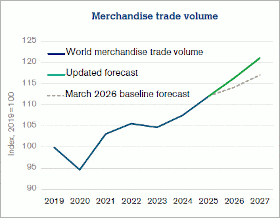
Global trade in goods may start to slow down
Geneva
This is reported by the latest reading of the WTO Goods Trade Barometer.
The new port road connection to Sampierdarena has been activated in Genoa.
Genoa
Paroli: the work now allows approximately 900-1,000 heavy vehicles per day to directly access the port's operational areas.
The rapporteurs of the Ports Bill defend the governance project centered on the Ports of Italy.
Rome
Ghio (PD) denounces that the governing bodies of this new company would be appointed entirely by the government. Ghirra (AVS): The objectives of national coordination could have been achieved by strengthening the National Conference of Port Authority Presidents.
US logistics companies WWEX Group and Auctane announce merger
Milan/Dallas/Austin
Artificial intelligence plays a leading role
Unexpected decline in European intermodal traffic in the first quarter of 2026
Brussels
UIRR: Infrastructure chaos caused by construction sites interrupting railway lines
Hanseatic Global Terminals acquires remaining 50% of Hanseatic Global Terminals Aracruz
Rotterdam/Aracruz
The company is building the new Brazilian container port of Imetame
Conftrasporto: The Ports Bill highlights clear operational, financial, and regulatory compliance issues.
Rome
Russo: the competences of Ports of Italy would overlap with those of the Port System Authorities, the Ministry of Transport and the Art
WoodMac believes decarbonisation rules could have a major impact on LNG-powered vessels
Edinburgh
According to the company, European regulations would put ships with DFDE engines out of the market
French MN will transport Avio's Vega C launcher between Italy and South America
Nantes
The French company will equip itself with a new vessel designed specifically for the transport of space equipment
EU methodology for calculating greenhouse gas emissions from transport services comes into force
Brussels
The system is based on the international standard EN ISO 14083:2023
The container ship MSC Sariska V was hit by two shells in the Persian Gulf on Monday.
Geneva/Rome
All crew members were unharmed.
In the first quarter, freight traffic in the port of Bremen/Bremerhaven grew by +5.8%
Bremen
Containers amounted to 1,245,515 teu (+4.4%)
MSC acquires 51% stake in Pivdennyi container terminal (Odessa)
Odessa
It has a traffic capacity of 400 thousand TEUs per year.
The IMO Convention on Liability and Compensation for Damage in Connection with the Carriage of Hazardous and Noxious Substances by Sea will enter into force on 19 November 2027.
London
Dominguez: a long-awaited achievement, which fills an important gap in the international regime
In April, ship transits through the Suez Canal increased by +13.9%
Cairo
In the first four months of 2026, an increase of +12.1% was recorded
In the first quarter, freight traffic in the port of Naples fell by -5.3%, while in Salerno it grew by +6.4%.
Naples
Container throughput in the two ports was 167,433 teu (-3.5%) and 101,509 teu (+7.8%) respectively.
Kerdjoudj (Feport): With the revision of the EU ETS, part of the proceeds should be allocated to ports.
Brussels
Call to carefully evaluate the risk of relocating transhipment traffic
With the new COSCO-PTP terminal, the port of Tarragona relaunches itself on the container market.
Tarragona
Construction work is expected to be completed in 2028 when the terminal will have a capacity of 680,000 TEUs.
In 2025, Egyptian ports set their new all-time container throughput record
Alexandria, Egypt
Strong growth in transhipment volumes, which had remained stable in 2024
The national contract for port mooring and boatmen has been renewed.
Rome
Filt-Cgil strengthens a regulatory framework essential for the sector
A study explains how to make the use of OPS facilities in European ports more attractive and effective.
Brussels
Clearer and more comparable tariffs are also needed.
Federlogistica calls for amendments to the port governance bill.
Genoa
Falteri: the new structure must guarantee the Port System Authority adequate financial resources and effective operational tools.
ESPO calls for EU ETS amendments to ensure the competitiveness of European ports.
Brussels
The negative impact on short sea shipping was also highlighted.
New measures adopted in Switzerland to strengthen the competitiveness of the maritime flag
Bern
A Swiss shipowner will be able to fly the Swiss flag even if the owning company is based abroad
Sea trials of the second cruise ship built in China have concluded.
Shanghai
The Adora Flora City will make its maiden voyage departing from the port of Guangzhou on November 22nd.
In the first quarter of 2026, the value of G20 freight traffic recorded a quarterly growth of +5.3%
Paris
Mitigation of the growth of cargo traffic in the port of Tangier Med
Tangier
In the first three months of 2026, 38.8 million tonnes were handled (+3.2%)
Cargo traffic in Chinese seaports grew by 2.6% in April
Beijing
Imports and exports increased by 0.6%. Containers totaled 26.9 million (+4.8%).
Fermerci asks the government for urgent measures to support rail freight transport.
Rome
Railway companies penalized by infrastructure disruptions
Port of Naples, first ship-to-ship LNG bunkering operation on a cruise ship
Naples
Axpo used the cargo barge "Green Zeebrugge"
CMA CGM closed the first quarter of 2026 with a net profit of $250 million (-78%)
Marseille
Revenues stable, with logistics and other activities offsetting the decline in shipping
The U.S. Supreme Court has reopened the case pitting Havana Docks against Carnival, Royal Caribbean, NCLH and MSC
New International Code of Safety for Autonomous Surface Vessels Adopted
London
It will come into force on July 1st and will be applied on a voluntary basis for at least two years
UIRR: Combined road-rail transport shipments to increase by 1.5% in 2025
Brussels
The association highlighted the disastrous effects on the railway construction sector in Germany.
Fincantieri and Teijin Automotive Technologies sign agreement to develop composite bulkheads for naval applications.
Trieste/Pouancé
Folgiero: We enable the development of lighter and more efficient units
After eight quarters of profits, ZIM reports an operating loss
Haifa
In the first three months of 2026, the volumes of cargo transported by ships also fell sharply (-8.3%)
The US has indicted four Chinese container manufacturers and seven of their executives.
Washington
The arrest of the marketing director of Singamas in France on April 14 was made public.
EU Parliament and Council reach agreement on tariffs agreement between the European Union and the United States
Strasbourg/Brussels
An expiry clause and a suspension clause have been introduced
FFS Cargo Switzerland is reorganizing its single-wagon freight network.
Bern
A reduction of 50 of the current 280 marshalling yards is expected
IMO reports 17% increase in maritime piracy incidents in 2025
London
The most affected area was the Straits of Malacca and Singapore with 122 incidents (+34%).
Hapag-Lloyd and CMA CGM have suspended bookings for maritime shipments to Cuba.
Paris/Frankfurt/Havana
Decision after Trump's expansion of US sanctions
International tender for the new container terminal at the port of Klaipeda will be held by the end of the year.
Klaipeda
It will have an annual traffic capacity of 2.5 million TEUs
ITF calls on governments to dismantle the flag of convenience system once and for all
London
It is - the union denounces - the bad apple at the heart of the exploitation of seafarers
Evergreen's revenues decreased by 21.3% in the first quarter
Taipei
Operating profit and net economic profit fell by -69.5% and -68.8%
Viking Holdings closed the first quarter with a net loss of -54.2 million dollars
Los Angeles
Revenues up 17.5%
In the first three months of 2026, container traffic at Eurokai port terminals grew by +8.9%
Bremen
Increases of 12.7% in Germany and 7.8% in Italy. A decline in the port of Tangier Med.
Norovirus on Ambassador Cruise Line's Ambition cruise ship
Purfleet/Vlissingen
French health authorities have authorized the unit to continue normal operations.
In the first three months of 2026, freight traffic in the Port of Hamburg decreased by -2.0%
Hamburg
Containers amounted to two million TEUs (-1.6%)
Yang Ming and WHL's quarterly financial results continue to deteriorate.
Keelung/Taipei
In the first three months of this year, revenues decreased by -15.1% and -9.3% respectively.
Hapag-Lloyd closed the first quarter with an operating loss of -218.6 million euros
Hamburg
Revenues down 16.8%
In the first three months of 2026, HMM's revenue decreased by -4.8%
Seoul
Container segment saw a 7.9% decline and bulk segment saw a 20.1% growth.
Global Ports Holding's cruise terminals recorded record traffic in the first quarter of this year.
Istanbul
Five million passengers almost reached
Le Aziende informano
International Shipping Community to Gather in Genoa for Two Days of Maritime Dialogue and Networking
In the first three months of 2026, freight traffic in the ports of Genoa and Savona-Vado fell by -3.8%
Genoa
In March, a decline of -6.1%, with a sharp contraction of -15.0% in containerized cargoes
Federconsumatori is calling on the government to take measures to mitigate the impact of the rising ferry ticket prices.
Rome
Price increases are at +18% for the central weeks of August
In the first quarter of this year, cargo traffic in Croatian ports grew by 14.6%.
Zagreb
Monthly record in March
Successful trial of HVO diesel fuel for cruise ship propulsion
San Donato Milanese
Experiment conducted jointly by Eni and MSC Cruises
Gioia Tauro takes second place in the ranking of the main Italian ports, overtaking Genoa
Rome
Fincantieri records a decline in revenues and new orders
Rome
The group's backlog reached a record value of 74.2 billion euros
The president of Angopi receives the first professional certificate of competence as a mooring man.
Savona
The certificate must be renewed every five years.
Fincantieri has delivered the new cruise ship Mein Schiff Flow to TUI Cruises.
Hamburg/Monfalcone
With a gross tonnage of approximately 160,000 tons, it has a capacity of approximately 4,000 passengers.
In the first three months of 2026, freight traffic in the port of Palermo decreased by -6.3%
Palermo
Traffic also decreased in the ports of Termini Imerese, Trapani, and Licata. Increases occurred in Porto Empedocle and Gela.
The Antitrust Authority has not given its final approval for the acquisition of Armas' assets and activities by Baleària.
Barcelona
Set a series of conditions
Assarmatori's annual assembly will take place in Rome on Tuesday.
Rome
The event's theme is "Instructions for not navigating in the dark."
VARD to build a new generation fishing vessel
Trieste
It was ordered by the Norwegian company Rosund Drift
Concentration in the UK shipbuilding sector
London
Baleana buys APCL Group (A&P Tyne, Cammell Laird and A&P Falmouth and Falmouth Docks and Engineering)
Royal Caribbean has taken delivery of its new Legend of the Seas cruise ship.
Miami
Built by Meyer Turku, it can accommodate 5,610 passengers
Informal hearings of trade union representatives on port governance reform
Rome
At the heart of the critical issues highlighted - confirms Filt-Cgil - is the planned establishment of Porti d'Italia Spa
Venice, the DPSS confirms the need to build new offshore terminals outside the lagoon.
Venice
The Strategic System Programming Document has been approved by the AdSP Management Committee
The Spinelli Group has joined the Italian Association of Port Terminal Operators
Genoa
The company and Assiterminal expressed satisfaction with the resumption of an important association
In the first three months of 2026, freight traffic at UK ports fell by -2.6%
London
More significant decrease (-6.8%) in boarding loads
Mark Hindley is the new president of the European Motor Vehicle Logistics Association
Istanbul
Wolfgang Göbel was elected honorary president
At the Port of Genoa, a tugboat was stopped for irregularities in nitrogen oxide emissions.
Genoa
The vessel is used for the construction works of the new breakwater
In April, freight traffic in the port of Ravenna grew by +21.4%
Ravenna
An increase of +2.5% is expected in May
Sallaum Lines to launch dedicated China-Europe service in 2027
Nanjing
Two new 7,400 CEU PCTCs taken delivery
On June 12th in Naples, an initiative by Filt Cgil on governance in the port sector
Rome
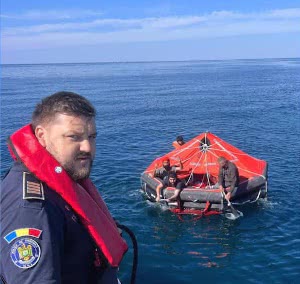
Naval drone found in Romanian port of Constanta
Bucharest
The device self-destructed without causing any casualties.
HJSC receives approval in principle for the construction of a 10,000 TEU biofuel containership.
Athens
It was released from the Korean Naval Register
Global Ship Lease invests $917 million to purchase ten new container ships
Athens
They will be delivered between the fourth quarter of 2028 and the first quarter of 2030.
SAILING LIST
Visual Sailing List
Departure ports
Arrival ports by:
- alphabetical order
- country
- geographical areas
WASS (Fincantieri) and Magellan Agreement on Canada's Underwater Defense
Trieste
Industrial cooperation opportunities in the field of heavy torpedoes and countermeasures will be explored
Solutions to overcome the chronic staff shortage in the Italian maritime sector
Procida
Pagano (Maritime Labor Committee): Digitalization, simplification, and cooperation between training and businesses to overcome the crisis
Maritime training agreement signed by Gente di Mare (Cosulich) and Carnival
Genoa
Di Tizio: This collaboration allows us to bring an international project to the territory
Antipollution (V.Group) orders four eco-friendly vessels from ONEX Shipyards & Technologies
Athens
Option for four additional units
Spinelli has ordered three new handling vehicles from FTMH
Genoa
A reach stacker for empty containers has already entered service in the group's Livorno depot
Luigi Merlo to lead MSC Cruises' Italian cruise terminal company
Geneva
Centrone (formerly Fincantieri) takes over as Director of Maritime Policies and Government Affairs for the group in Italy
Greece's Skaramangas Shipyards and South Korea's HD Hyundai sign cooperation agreement
Athens
The aim is to collaborate in the construction of surface military vessels
AD Ports buys the Brazilian Corredor Logística e Infraestrutura
Sao Paulo/Abu Dhabi
The company handles the largest volume of agri-food bulk exports in the South American nation
The 2026-2028 Three-Year Operational Plan of the Northern Tyrrhenian Port Authority has been approved.
Livorno
Unanimous approval from the Management Committee
Chen Lichtenstein appointed president and CEO of ZIM
Haifa
He will replace the resigning Eli Glickman.
Gianluca Croce has been confirmed as president of Assagenti Genova.
Genoa
The members of the association's board for the two-year period 2026-2028
The Mega Serena ferry has joined the Corsica Sardinia Ferries fleet.
Vado Ligure
It has a capacity of up to 2,000 passengers and over 600 vehicles.
The first steel cutting of the Crystal Grace cruise ship took place in Marghera.
Miami
Fincantieri will deliver the vessel in spring 2028
Palumbo Superyacht awarded 13,048 square meters of mooring space to the Port of Ortona.
Ancona
Central Adriatic Port Authority, guidelines for issuing the single ZES authorization
Port of Livorno: Two new FHP MarterNeri warehouses inaugurated
Livorno
Investment exceeding 23 million euros
The Committee of the Central Northern Tyrrhenian Sea Port Authority has decided to close the institution's state of crisis.
Civitavecchia
New solution for exceptional transport on intermodal trains from FS Logistix and Van der Vlist
Verona
Two aerial platforms transported from Verona to Rostock
Port of Naples: Fire aboard GNV's Phoenix ferry
Naples
Flames broke out in the internal areas of deck 6 of the ship
Latrofa has chosen a trusted individual to lead an in-house company within the Lazio Port Authority.
Civitavecchia
The new sole director - he underlined - has been provided with particularly stringent management guidelines
In the first three months of 2026, MPC Container Ships' revenues decreased by -6.4%.
Oslo
Quarterly net income of $40.8 million (-31.8%)
The 2026-2028 Three-Year Operational Plan of the Sardinian Port Authority has been approved.
Olbia
Green light from the Management Committee
The environmental assessment process for the San Antonio Outer Harbor project has been completed.
Saint Anthony
The Viking Mira cruise ship was delivered at the Fincantieri shipyard in Ancona
Ancona/Los Angeles
It has a gross tonnage of 54,300 tons and a capacity of 998 passengers.
In 2025, RINA recorded revenues of over one billion euros (+11%)
Genoa
Net profit up 30%
The new railway bridge has been installed at the Port of Marina di Carrara.
Marina di Carrara
Pisano: A turning point in the port's logistics organization.
Ports, freight terminals, and corridors. Venice and the Upper Adriatic as a gateway to the East.
Venice
This is the theme of the event that will be held on Thursday in Venice
Estonian State Fleet orders electric-powered ferry from Polish shipyard Crist
Tallinn
Contract worth 49.93 million euros
In April, Spanish ports handled 1.7 million containers (+1.7%)
Madrid
Cruise passengers down by -18.4%
Container traffic in the port of Valencia decreased by 2.5% in April
Valencia
In the first four months of 2026, almost 1.8 million TEUs were handled (+0.2%)
Global Ship Lease posts record quarterly revenues again
Athens
Net profit down 24.0%
International cooperation between the Sardinian Port Authority and the Port of Tangier Ville for luxury yachting
Cagliari
Promotion of an integrated nautical circuit between Sardinia and Morocco
The new first aid medical center has been inaugurated in the port of Gioia Tauro
Gioia Tauro
Among the facilities, a first aid clinic and a CMR ambulance
BPER provides financing to Grimaldi Euromed for fleet modernization.
Milan/Naples
Resources used to partially cover the purchase of the ship "Grande Manila"
ASRY and Priya Blue establish ship recycling yard in Bahrain
Al Muharraq/Alang
First ship destined for dismantling has arrived in the Middle Eastern nation
SAAM Towage orders five new tugboats from Turkish shipyard Sanmar Shipyard
Santiago
They will have a pulling capacity of between 70 and 80 tons
Container traffic at the Port of Long Beach dropped 5.7% last month.
Long Beach/Singapore/Hong Kong
In Singapore, growth of +3.6% was recorded, while in Hong Kong containers decreased by -6.3%.
Carta (Fermerci): Urgent policies are needed to support railway companies.
Rome
In 2025, rail cargo lost approximately 3.5%, in terms of trains/km
Fratelli Neri orders two more new tugboats in Egypt
Ismailia
Contract with the Suez Canal Company for Modern Boats
Container traffic in the port of Barcelona grew by 17.4% in April.
Barcelona/Algeciras
Algeciras port increases by 6.3%.
The Islamabad government has approved the sale of a 30% stake in the Pakistan National Shipping Corporation.
Islamabad
The share will go to the state logistics company NLC which will also assume management control of PNSC
In 2025, the Spanish port system recorded record revenues
Madrid
Pre-tax profit was 349 million euros (+4.2%)
Leapmotor International strengthens its partnership with the Neapolitan Grimaldi shipping group.
Hoofddorp
In the first quarter, approximately 20,000 units were transported from China to the Italian market.
Cruise traffic in German ports reached a new record last year
Wiesbaden
With 1.51 million passengers, growth was +4.1%.
Federazione del Mare joins the celebrations for the International Day for Women in Maritime 2026.
Rome
Mattioli: The maritime economy is losing opportunities and potential.
After years of sustained growth, short sea shipping in Spain has entered a phase of structural slowdown
Madrid
This is what the latest report from the Observatorio Estadístico del Transporte Marítimo de Corta Distancia reveals.
AD Ports to buy German freight forwarder MBS Logistics
Colony
The company has over 450 employees and 26 offices worldwide.
The Spinelli Group has joined the Sustainable Intermodal Logistics Association
Genoa/Rome
Summary: ALIS can offer our ecosystem strategic added value
$200 million investment to build and equip the new multipurpose terminal at Pointe-Noire
Brazzaville/Abu Dhabi
Ordered three ship-to-shore cranes from ZPMC
Evergreen confirms purchase of five new 24,000 TEU containerships
Taipei
They will be built by the Chinese shipyard Guangzhou Shipyard International
Korea will launch an Asia-Europe containerized shipping service on the Arctic route in the coming months
Busan
The tender concluded with the preliminary selection of the PanStar company.
The Maritime Union has raised new alarm over the fate of former ILVA ships.
Verona
Their possible demolition puts 240 maritime jobs at risk
In the period January-March, freight traffic in the port of Koper decreased by -3.9%
Ljubljana
In the container sector, 2.4 million tons were handled (-1.7%)
Last chance to recognize some port jobs as strenuous and to establish a pension fund
Genoa
Siemens to acquire Italian MERMEC business
Monk
The transaction will include the Ferrosud rolling stock production plant in Matera
Growth in intermodal traffic at the Nola interport
Nola/Milan
Economic and financial analysis by the Fedespedi Research Center on freight terminal management companies
Quarterly decline in goods handled by Montenegro's ports
Podgorica
The increase in cargo volumes to and from Italian ports continues, albeit at a slower pace.
Assarmatori denounces the exclusion of maritime transport from the Fuel Decree-Law II.
Rome
Messina: The sector cannot be expected to absorb the impact of fuel price increases alone.
HHLA records a -5.3% decline in containers handled in the first quarter
Hamburg
Eijsink: An unusually harsh winter has significantly limited our daily operations
MSC Technology Italy launches a plan to hire 200 new people.
Turin/Geneva
MSC Cruises debuts in the Alaska market
The Marche Region has approved Carloni's appointment as president of the Central Adriatic Port Authority.
Ancona
Awaiting the opinion of the Abruzzo Regional Council
Greek company Danaos Corporation's quarterly revenues remain stable.
Athens
Two ships of the company are still blocked in the Persian Gulf
Container traffic at the Port of Los Angeles increased by 5.7% in April.
Los Angeles/Port Newark
In the first three months of 2026, the Port of New York handled nearly 2.2 million TEUs (-1.2%)
Cognolato was confirmed as president of Assiterminal
Rome
The new presidency committee and board of directors were also elected
In the first quarter of 2026, freight traffic in the port of Ravenna increased by +0.8%
Ravenna
The growth was driven by the entry into operation of the regasification plant
PORTS
Italian Ports:
Ancona Genoa Ravenna
Augusta Gioia Tauro Salerno
Bari La Spezia Savona
Brindisi Leghorn Taranto
Cagliari Naples Trapani
Carrara Palermo Trieste
Civitavecchia Piombino Venice
Italian Interports: list World Ports: map
DATABASE
ShipownersShipbuilding and Shiprepairing Yards
ForwardersShip Suppliers
Shipping AgentsTruckers
MEETINGS
Assarmatori's annual assembly will take place in Rome on Tuesday.
Rome
The event's theme is "Instructions for not navigating in the dark."
On June 12th in Naples, an initiative by Filt Cgil on governance in the port sector
Rome
Comparison on the logistical, industrial and infrastructural development of ports
››› Meetings File
PRESS REVIEW
World's first floating fusion reactor-powered vessel could become reality with new project
(Interesting Engineering)
Shipbuilding's Spring Illusion: Backbone Collapses
(The Chosun Daily)
››› Press Review File
FORUM of Shipping
and Logistics
Intervento del presidente Tomaso Cognolato
Roma, 19 giugno 2025
››› File
MSC introduces calls at Naples and Malaga on its Dragon service
Geneva
Calls at the Gioia Tauro port have been cancelled.
The National Maritime Fund's board has been renewed.
Genoa
He will remain in office for three years
Network contract for the joint development of intermodal services in Emilia-Romagna
Bologna
It was signed by Interporto Bologna, Dinazzano Po S, SAPIR and Rail Traction Company
Messina (Assarmatori): European technocracy appears inflexible on the EU ETS
Brussels
He underlines that a significant improvement of these policies is necessary.
d'Amico International Shipping's first quarter results are positive.
Luxembourg
The company benefited from the effects of geopolitical tensions
Two orientation events in Livorno and Naples to present the ITS Purser course.
Genoa
Meetings scheduled by the Italian Merchant Marine Academy with the Grimaldi Group
The bow section of the Explora V was launched in Palermo
Geneva
Fincantieri will deliver the cruise ship to Explora Journeys in 2027
The president of the Eastern Adriatic Port Authority is the new president of Trieste Passenger Terminal.
Trieste
He takes over from Gianluca Madriz
Port of Olbia: Seabed restoration work has begun in the access channel to Isola Bianca.
Cagliari
The aim is to safely allow large cruise ships to enter
Damen to renovate and operate Dakar ship repair yard
Dakar/Gorinchem
20-year contract with the Société des Infrastructures de Réparation Navale
Savino Del Bene has acquired three companies of the Spanish Grupo Marítima Sureste
Florence/Valencia
The agreement involves Marítima Sureste Shipping, Marítima Sureste Spain and Transportes Gaypemar
Fim-Cisl, the meeting with Fincantieri regarding the Muggiano shipyard's prospects was positive.
La Spezia
The investments announced by management - the union noted - are going in the right direction.
Rising energy costs weigh on Finnlines' latest quarterly financial statement.
Helsinki
Doepel: Burdens further increased by EU ETS implementation
Marabello is the new secretary general of the Strait of Messina Port Authority.
Messina
The assignment lasts four years
Heavy lift vessel HMM Namu hit near the Strait of Hormuz
Seoul
The accident did not cause any casualties.
DFDS's quarterly financial performance deteriorates
Copenhagen
The fleet's rolling stock is growing. Passenger numbers are down 18%.
From May 21st to 23rd, Ravenna will host "Deportibus - The Festival of Ports Connecting the World."
Ravenna
Kalmar records quarterly decline in new orders
Helsinki
In the January-March period, revenues increased by +5%
Job openings are growing for the port companies of Trieste and Monfalcone.
Trieste
Delivery of a recognition plaque
In the first quarter of 2026, Costamare's revenues decreased by -5.3%
Monk
Orders confirmed for 12 new 9,200 TEU vessels and four 3,100 TEU vessels
- Via Raffaele Paolucci 17r/19r - 16129 Genoa - ITALY
phone: +39.010.2462122, fax: +39.010.2516768, e-mail
VAT number: 03532950106
Press Reg.: nr 33/96 Genoa Court
Editor in chief: Bruno Bellio
No part may be reproduced without the express permission of the publisher
Search on inforMARE Presentation
Feed RSS Advertising spaces

inforMARE in Pdf
Mobile