- Relazione del Presidente Corrado Antonini
-
all'Assemblea degli Associati e degli Aderenti
-
- Roma, 19 Luglio 2012
-
- LA CANTIERISTICA MERCANTILE
-
- I MERCATI
-
- Shipping e cantieristica
-
- Un anno fa, pur in un quadro di incertezza, si azzardavano
previsioni su una possibile ripresa dell'attività marittima.
-
- Oggi, l'accresciuta instabilità del contesto generale -
basti pensare alle forti turbolenze che hanno caratterizzato
l'Eurozona negli ultimi mesi - rende di fatto impossibile
l'elaborazione di scenari attendibili di settore.
-
- In questa situazione, cantieristica e shipping continuano ad
essere penalizzate da crisi settoriali strettamente collegate, di
cui non si intravede un'inversione di tendenza.
-
- Già prima della crisi finanziaria gli equilibri dello
shipping erano infatti minacciati da imponenti portafogli ordini, in
gran parte speculativi. Il rallentamento dei traffici registrato
dopo il 2008 unito alle consegne di nuove navi, che fra il 2009 e il
2011 hanno via via demolito ogni precedente record, ha avuto effetti
a catena sul settore: la grande eccedenza della capacità di
trasporto ha portato ad una generalizzata caduta delle rate di nolo
che, assieme a costi operativi in crescita, ha fortemente ridotto -
o in molti casi annullato - la redditività delle compagnie
armatoriali.
-
- Allo stesso tempo è sceso di molto il valore delle navi,
con evidenti impatti sulla solidità finanziaria delle imprese
armatoriali e sulla loro capacità di accedere al credito. E
questo in un contesto, di per sé generalizzato, di “credit
crunch”.
-
- Di qui la nuova frenata della domanda di navi che nel 2011, con
32 Mil.Tslc, ha registrato un calo del 18% rispetto al 2010. La
flessione è proseguita anche nei primi mesi di quest'anno con
ordini inferiori a 5 Mil.Tslc nel primo trimestre, meno 24% rispetto
allo stesso periodo del 2011, talché, laddove questa tendenza
dovesse proseguire per il resto dell'anno, il 2012 verrebbe
annoverato fra gli anni di minimo storico della domanda di nuove
navi.
-
- Il rallentamento degli ordini non ha interessato il solo fronte
delle navi standard ma anche quello delle navi a tecnologia più
evoluta, incluse le navi da crociera, con le sole eccezioni delle
gasiere e dei mezzi dedicati all'offshore, produzioni nelle quali
eccellono la cantieristica coreana e norvegese.
-
Se si considera che nel medio termine la domanda non dovrebbe
superare i 40 Mil.Tslc, e che tali volumi dovranno confrontarsi con
una capacità produttiva che ha raggiunto i 60 Mil.Tslc,
risulta del tutto evidente l'entità della sovraccapacità
che affliggerà il settore negli anni a venire.
-
- È qui che rischia di innestarsi un circolo vizioso
destinato a pesare sui destini di shipping e cantieristica: paesi
come Cina, Corea e Giappone - quelli nei quali maggiormente si
concentra l'eccesso di capacità produttiva - hanno già
da tempo reso operativi schemi e strumenti di finanziamento
finalizzati a stimolare la domanda, in particolare di navi a basso
consumo ed a bassa emissione, mentre le imprese hanno avviato su
questi temi programmi di Ricerca, Sviluppo ed Innovazione, spesso
con il supporto di ingenti risorse pubbliche.
-
- Allo stato, queste navi non potranno che alimentare
ulteriormente lo squilibrio fra domanda ed offerta di stiva, a meno
che non si inneschi un “sano” processo di sostituzione
delle unità più obsolete con i citati mezzi innovativi
che verranno immessi in flotta. Del pari sarebbe essenziale
realizzare una consistente riduzione della capacità
produttiva, in particolare in Corea ed in Cina. Purtroppo al momento
nulla di tutto ciò è presente nelle varie sedi in cui
si dibatte la materia: anche nell'ultima riunione del WP6 OCSE,
grande assente la Cina, si è potuta riscontrare una forte
difformità di vedute su come affrontare il tema della
sovracapacità.
-
- Tuttavia, poiché “i mercati non aspettano la
politica”, la sovracapacità sta già mietendo
vittime proprio là dove il problema è più
acuto, cioè nel Far East. Numerose aziende stanno già
chiudendo l'attività in Cina ed in Corea, quale conseguenza
di risultati economici negativi, mentre in Giappone il settore si
sta contraendo a seguito di ristrutturazioni di importanti gruppi
industriali, finalizzate a conseguire maggiore efficienza.
-
- Il risultato di tale processo si concretizza certamente in una
riduzione della capacità produttiva, ma la sua entità
è ancora del tutto insufficiente a colmare l'enorme gap che
separa domanda ed offerta.
-
È quindi facile prevedere che lo squilibrio presente nei due
settori dello shipping e della cantieristica si protrarrà nel
tempo, con ovvie ripercussioni sui livelli della domanda e dei
prezzi, nonchè con un'accentuazione degli interventi di
sostegno da parte degli Stati, laddove questi sono ancora possibili.
-
- Le navi passeggeri
-
- La crisi della domanda di nuove navi, come detto, si è
riverberata anche sul settore crocieristico nonostante i
fondamentali di questo business restino assolutamente sani.
-
- A livello mondiale, il 2011 si è chiuso con 19.5 Mil. di
passeggeri trasportati contro i 18.8 Mil. del 2010, con un
incremento quindi del 3.7%. In questo quadro generale va
sottolineato che i passeggeri europei sono cresciuti del 9% rispetto
al 2010, raggiungendo i 6.1 Mil.
-
- Per quanto riguarda il futuro, le previsioni effettuate, prima
dell'incidente della Costa Concordia, da Cruise Market Watch e da
Seatrade concordavano sulla possibilità di raggiungere nel
2012 la cifra di 20.3 Mil. di passeggeri trasportati.
-
- È indubbio, peraltro, che l'evento abbia avuto un impatto
sul mercato, ma la flessione è in via di rapido
riassorbimento, come evidenziato dal buon andamento delle
prenotazioni sostenute da un efficace uso della leva prezzo.
-
- Il fatto che nel 2011 siano stati finalizzati ordini per 10 navi
da crociera contro i 7 dell'anno precedente non deve peraltro dar
luogo a facili ottimismi: in termini di lower berths le unità
ordinate ammontano a circa 23.000 LB contro gli oltre 24.100 LB di
quelle del 2010, evidenziando il fatto che il mercato ha
privilegiato la richiesta di navi di più piccole dimensioni.
-
- Una valutazione di più lungo periodo, che metta a
confronto gli ordini del quadriennio 2004-2007, ante crisi, con
quelli del periodo 2008-2011 evidenzia un drammatico dimezzamento in
termini di numero di navi (51 ordini verso 21).
-
- Le ragioni della riduzione della domanda sono da ricercare sia
nella difficoltà di finanziare investimenti di così
grossa portata, sia nel fatto che il settore deve ancora assimilare
la notevole quantità di navi costruite nel recente passato.
-
- È quindi assodato che, almeno per alcuni anni, la domanda
non sarà in grado di soddisfare la capacità produttiva
dei cantieri europei, leader in questo segmento, a maggior ragione
nell'ipotesi che possa consolidarsi un inserimento nello stesso da
parte di cantieri dell'Estremo Oriente.
-
- Perdurando la stagnazione nei tradizionali comparti standard a
domanda globale, dominati dai cantieri del Far East, si fanno
infatti sempre più frequenti e pericolosi i tentativi di
questi ultimi di entrare nelle nicchie di eccellenza della
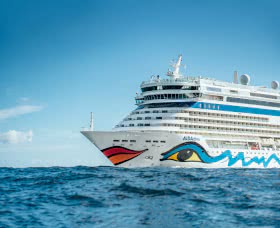
cantieristica europea. Ne è riprova l'acquisizione della
commessa per Aida Cruises, relativa a 2 navi da crociera da 125.000
Tsl, da parte del cantiere giapponese Mitsubishi H.I. La conferma
dell'ordine è giunta a valle della concessione di un
finanziamento da parte della Japan Bank for International
Cooperation, controllata dallo Stato, attraverso crediti
all'esportazione verso i paesi industrializzati, non ammissibili
fino a poco tempo fa e resi possibili da un'apposita ridefinizione
delle politiche della banca.
-
- E ciò a conferma del fatto che, in relazione alla forte
restrizione del credito, la competizione in questo comparto si gioca
in misura sempre più decisiva sulla capacità di
comporre un pacchetto finanziario comparativamente più
attraente.
-
- Va infine considerato che i cantieri del Far East sono
disponibili a sostenere forti sacrifici di prezzo e di margine pur
di entrare in questo qualificatissimo business.
-
- Non è un caso quindi che nonostante le navi acquisite da
Mitsubishi H.I. siano prototipi di elevata complessità
progettuale e realizzativa, il prezzo pattuito abbia abbassato in
misura sensibile i valori di riferimento fin qui adottati dai
clienti.
-
- Il clima di incertezza economica ha impattato anche sui comparti
legati ai beni di lusso come quello dei mega-yacht dove tuttavia
qualche segnale positivo si sta registrando, soprattutto per i mezzi
molto grandi (oltre i 70 m.). Si mantiene invece su livelli ancora
molto bassi la richiesta di mezzi tra i 50 e 70 m. Questa fase del
mercato potrebbe modificare, anche profondamente, il quadro della
concorrenza, da un lato determinando l'uscita dei soggetti più
deboli, entrati di recente allettati dalla crescita ante crisi del
settore, dall'altro, andando ad interessare anche operatori
consolidati come dimostra l'acquisizione del Gruppo Ferretti da
parte della società cinese Shantui H.I. o l'uscita di Thyssen
Krupp da questo business.
-
- Nel settore dei traghetti continua lo stallo della domanda: nel
2011 due solo mezzi di lunghezza superiori ai 150 m. sono stati
ordinati in Cina da armatori nazionali. A zero anche gli ordini di
cruise ferries di grandi dimensioni.
-
- Poiché l'armamento punta a posizionarsi su una soglia di
prezzo bassa, sul fronte competitivo tendono a farsi avanti degli
outsider, cantieri di media/piccola dimensione che di fatto alterano
le dinamiche di mercato. Offrono infatti prezzi bassi ma, non
disponendo della necessaria qualificazione, capita non raramente che
non siano in grado di portare la commessa a buon fine.
-
- In ogni caso va sottolineato che resta aperto, con tutto il suo
potenziale, il tema di un possibile rimpiazzo dei traghetti
obsoleti, operanti in particolare nel Mediterraneo, con nuovi mezzi
caratterizzati da elevati standard di sicurezza e di rispetto
dell'ambiente. Tale processo di sostituzione richiederebbe da un
lato norme più restrittive per l'utilizzo di questi mezzi,
dall'altro misure di incentivazione per la costruzione di nuove
unità.
-
- Anche il settore delle riparazioni ha conosciuto un
rallentamento dell'attività dopo aver inizialmente retto
l'impatto della crisi meglio degli altri comparti navali.
-
- Nell'area del Mediterraneo è forte la concorrenza
esercitata dai cantieri turchi; ma anche la Croazia, il Montenegro,
la Bulgaria e la Romania si propongono con offerte molto competitive
stante il loro basso costo del lavoro.
-
- Contestualmente, in relazione alle restrizioni dei budget, gli
armatori tendono a ridurre l'entità degli interventi di
riparazione o a ritardare, dove è possibile e con il consenso
dei Registri, le visite di classe.
-
- Alcuni segnali di miglioramento si sono registrati nell'ultimo
trimestre del 2011 per alcuni importanti interventi di
trasformazione e refurbishment.
-
- Ci si aspetta a breve una crescita della domanda in particolare
nel settore delle navi passeggeri e dell'offshore, dove consistenti
iniziative di upgrading sono attese già nel corso del 2012.
-
- LA POLITICA SETTORIALE DELL'UNIONE EUROPEA
-
- Entro questo di per sé difficile contesto l'industria
cantieristica europea appare sempre più in sofferenza: fra il
2008 e il 2011 l'Europa è infatti riuscita ad aggiudicarsi un
volume di ordini (complessivamente 7 Mil.Tslc) corrispondente alla
potenzialità produttiva di un solo anno, con quote comprese
tra il 3% ed il 6% della domanda mondiale.
-
- I carichi di lavoro si stanno di conseguenza assottigliando
pericolosamente talché la “visibilità”
produttiva è scesa, nella grande maggioranza dei casi, al di
sotto di un anno.
-
- È preoccupante sottolineare che la crisi non interessa
solo i numerosi cantieri medio-piccoli che caratterizzano la realtà
europea, ma è giunta ad investire anche gli operatori di
maggiori dimensioni di Germania, Francia, Finlandia, Spagna, Olanda
e della stessa Italia.
-
- In Europa, l'attività cantieristica rischia quindi di
essere rappresentata solo da singole imprese eccellenti che
coniugano prodotti di successo a modelli produttivi altamente
competitivi. Compito non semplice in quanto soglie produttive troppo
ridotte mettono a rischio l'indotto navale, parte integrante del
modello produttivo dei cantieri, ma notoriamente più fragile
dal punto di vista strutturale.
-
- Cosa può fare l'Europa in questo difficile contesto?
-
- È positivo sottolineare che le Associazioni Nazionali, e
la loro rappresentanza a Bruxelles, il CESA, non sono “state a
guardare”. Grazie anche alle iniziative promosse dal Vice
Presidente Tajani - al quale va il nostro più sentito
ringraziamento - è stato possibile mettere in campo
provvedimenti che oggi sono già operativi, ed avviare nuove
iniziative, attualmente in fase di messa a punto e finalizzazione.
-
- È stato infatti possibile ottenere la definizione da
parte della Banca Europea degli Investimenti di una nuova “Transport
Lending Policy”, più favorevole di quella precedente al
comparto marittimo. La BEI offre oggi finanziamenti a tasso
agevolato, con priorità per le navi “green”,
anche per le unità che opereranno in acque extra-Europee;
consente inoltre l'erogazione del finanziamento anche ad inizio
costruzione ed offre ai cantieri europei specifiche tutele nei
confronti di pratiche sleali.
-
Ultimo, ma non meno importante, la BEI accorda prestiti agevolati
anche per l'attività di Ricerca, Sviluppo e Innovazione
specificamente riferita ai temi delle “tecnologie pulite”
e del risparmio energetico. Fincantieri ha recentemente beneficiato
di questa opportunità in supporto ad un importante programma
di sviluppo prodotto.
-
- Nel Dicembre dello scorso anno è stato inoltre rinnovato,
ma per il solo biennio 2012-2013, lo “Shipbuilding Framework”,
provvedimento che regola la concessione di aiuti all'innovazione
alle imprese cantieristiche europee. Anche in questo caso, grazie al
lavoro delle Associazioni, è stato possibile ottenere
l'introduzione di elementi migliorativi rispetto alla precedente
formulazione: ci si riferisce in particolare al riconoscimento di un
elemento di aiuto pari al 30% dei costi eleggibili per le
innovazioni di prodotto e di processo con valenza “green”,
rispetto al 20% accordato per gli altri tipi di innovazione.
-
- Come è noto il finanziamento di questi schemi è a
carico degli Stati membri e pertanto su questo tema auspichiamo un
fattivo interessamento del Ministro Passera per evitare che
l'industria nazionale resti svantaggiata rispetto a quella di
Francia, Germania, Finlandia, Spagna ed Olanda che hanno già
notificato alla Commissione l'introduzione dei relativi schemi
nazionali di supporto.
-
Un'altra iniziativa con elevato potenziale è quella che va
sotto il nome di “LeaderSHIP 2020”. Si tratta della
definizione di una nuova politica industriale per il settore
cantieristico e per le industrie della filiera produttiva che
traguarda due obiettivi fondamentali:
-
- lo sviluppo di un trasporto marittimo sostenibile attraverso
l'avvio di un processo di rinnovo della flotta in chiave di
efficienza energetica e di tutela dell'ambiente;
- lo stimolo di progetti finalizzati allo sviluppo di tecnologie
per lo sfruttamento sostenibile delle energie marine rinnovabili
(generazione eolica offshore, ecc.) e delle risorse marine.
- Tre le leve che verranno esplorate da appositi Gruppi di Lavoro:
-
- la finanza, con l'obiettivo di definire schemi praticamente
attuabili nel campo del pre e post-delivery financing nonché
in quello delle garanzie
- la triade Ricerca, Sviluppo e Innovazione, con la definizione di
proposte per un miglior coordinamento delle iniziative in essere ed
una riduzione della frammentazione delle fonti di finanziamento. In
questo campo un importante contributo verrà fornito da
Horizon 2020, il nuovo strumento finanziario di supporto alla R/I,
in via di elaborazione, che andrà a sostituire i tradizionali
Framework Programmes e che potrà contare su un budget
complessivo di oltre 80 Mildi di Euro.
- infine, le politiche sociali, mirate a limitare l'impatto dei
processi di ristrutturazione, facilitare la riprofessionalizzazione
e la mobilità dei lavoratori e ad identificare strumenti
formativi per sostenere l‘ingresso nei nuovi business
- I lavori per lo sviluppo del progetto LeaderSHIP 2020 vedono la
partecipazione di una sessantina di persone, rappresentative di
tutti i principali stakeholders presenti a livello europeo.
-
- Per la cantieristica è impegnata nell'iniziativa
l'Associazione denominata SEA Europe, il cui acronimo sta per Ships
and Maritime Equipment Associations of Europe. Tale organismo è
nato a Parigi il 1° Giugno scorso dall'unione del CESA,
l'Associazione dei Costruttori e Riparatori Navali, e dell'EMEC,
l'Associazione dei Fornitori Navali, entrambe partecipate da
Assonave.
-
- SEA Europe raccoglie oggi 22 Associazioni di 18 paesi europei
che rappresentano circa 500.000 addetti ed un valore della
produzione di 80 Mildi Euro, in buona parte esportata.
-
- Si tratta di un passo importante, auspicato dalla stessa
Commissione Europea per dare “una sola voce”, e quindi
maggiore forza, a comparti che talora hanno avuto difficoltà
ad attuare una strategia comune in ambito europeo.
-
- In questo nuovo e rafforzato contesto Assonave sta dando a
LeaderSHIP 2020 un forte contributo di idee e di proposte, e confida
fin d'ora nel supporto del Governo e delle Amministrazioni Regionali
per una tempestiva attuazione degli indirizzi che verranno convenuti
in sede comunitaria.
-
- LA CANTIERISTICA ITALIANA
-
- Le costruzioni mercantili
-
- L'andamento della cantieristica italiana - ancorché
prevalentemente posizionata in nicchie specialistiche - riflette
l'andamento generale della crisi del settore.
-
- Nel 2011 il portafoglio ordini è sceso a 885 mila Tslc,
pari a circa 3.5 Mildi di Euro, rispetto ad un portafoglio
pre-crisi, di fine 2007, che era pari a 2.8 Mil. di Tslc, per un
valore di 10.6 Mildi di Euro.
-
- Sono cifre che, nella loro essenzialità, più di
qualsiasi commento danno contezza della gravità della crisi.
-
- In questo contesto la nostra maggiore associata, Fincantieri, ha
acquisito ordini per la costruzione di:
-
- una nave da crociera da 141 mila Tsl per il cliente P&O
Cruises, la più grande mai costruita per il mercato inglese,
che entrerà in servizio a Marzo 2015;
- una nave da crociera da 132 mila Tsl - con opzione per una
seconda - per Costa Crociere; questa sarà la più
grande nave da crociera italiana e la decima ordinata da Costa
Crociere a Fincantieri.
- Due eventi sicuramente incoraggianti, che tuttavia non
modificano il citato quadro di riferimento per il mercato delle navi
passeggeri: a medio termine la domanda risulterà
sostanzialmente dimezzata, rispetto ai livelli degli ultimi anni.
-
- In tale contesto, per compensare i minori volumi attesi dai
segmenti di tradizionale presenza l'azienda intende perseguire una
strategia di diversificazione, in particolare nel settore
dell'offshore. La produzione di greggio dai giacimenti offshore in
acque profonde è infatti in continua crescita, e nei prossimi
5 anni sono previsti cospicui investimenti soprattutto da parte del
Brasile, ma anche nel Golfo del Messico e in Africa Occidentale.
-
- Si tratta di un settore ad alta tecnologia, in cui l'azienda
potrà utilizzare al meglio le sue competenze ingegneristiche
e la sua capacità di “integratore di sistemi”
acquisita attraverso produzioni altamente personalizzate. Ma è
anche un settore fortemente concorrenziale, per cui andranno
valutate con attenzione tutte le opzioni strategiche, ivi inclusa la
possibilità di alleanze con soggetti affermati nel comparto.
Si inquadra in questa logica l'accordo di collaborazione
recentemente sottoscritto con NLI, società norvegese leader
nella fornitura di impiantistica e ingegneria nel comparto dell'oil
& gas, nonchè quello con la società Rosetti
Marino, affermato EPC (Engineering, Procurement and Construction)
Contractor per il medesimo settore.
-
- La situazione, purtroppo, appare molto più complicata per
i cantieri medio-piccoli della nostra associata Ancanap il cui
posizionamento strategico è in generale più fragile,
sia in relazione al portafoglio prodotti che al livello di
specializzazione del know-how.
-
- A ciò si aggiunga la grande difficoltà di accedere
al credito, che rende ancora più difficile l'operatività
non solo dei cantieri ma anche del vasto ed articolato mondo
dell'indotto che compone il loro modello produttivo.
-
- L'impossibilità di saturare la capacità produttiva
ha, necessariamente, determinato un diffuso ricorso alla CIG.
-
- Di fronte a tale situazione particolarmente difficile
l'industria ha dispiegato tutte le sue capacità di reazione:
dal ripensamento in chiave di maggiore efficienza e produttività
del proprio modello produttivo a riflessioni, e conseguenti
iniziative, per un miglior posizionamento strategico nell'arena
competitiva.
-
- Ma, analogamente a quanto accade nei paesi con i quali ci
confrontiamo, chiediamo anche una decisa attenzione da parte dello
Stato al nostro settore. Un settore, desideriamo ricordarlo, che
consente al nostro Paese di essere leader in campo mondiale nei due
comparti delle navi passeggeri e dei mega-yacht, e che contribuisce
significativamente al PIL nazionale e all'export.
-
- Nel formulare questa richiesta non ignoriamo ovviamente le
restrizioni alle quali, di questi tempi, è sottoposta la
finanza pubblica.
-
- Per tale motivo il nostro settore chiede esclusivamente
interventi mirati e selettivi, essenzialmente in supporto alla
Ricerca e all'Innovazione, che sono le leve competitive fondamentali
nelle nostre produzioni ad alta tecnologia.
-
- L'attività di R e I della cantieristica non ha però
trovato un chiaro riconoscimento nelle azioni di governo degli
ultimi anni; ci si riferisce:
-
- per l'attività di Innovazione, alla già citata
circostanza che il rinnovo da parte della Commissione Europea dello
Shipbuilding Framework non si è ancora concretizzato in una
copertura finanziaria che consentirebbe alla cantieristica nazionale
di accelerare l'ingegnerizzazione delle nuove tecnologie di prodotto
e di processo;
- per l'attività di Ricerca e Sviluppo, alla decurtazione
del Progetto Bandiera RITMARE per la parte relativa alla
cantieristica, progetto tuttora non attivato da parte del CNR;
- il mancato riconoscimento da parte del MIUR della significativa
azione svolta dalla Piattaforma Tecnologica Nazionale Marittima a
livello di indirizzo, e dai Distretti Tecnologici relativi alla
cantieristica a livello attuativo, che ha portato ad una esclusione
delle Tecnologie Marine dal recente Avviso per la costituzione di
Cluster Nazionali.
- In questo contesto il settore sta affrontando cambiamenti
tecnologici radicali con il limitato supporto di poche
Amministrazioni Regionali lungimiranti, che stanno anche supportando
in sede Comunitaria la ridefinizione della politica cantieristica.
-
- Non si può quindi non esprimere preoccupazione
considerando che ci si accinge a definire una programmazione
dell'intervento pubblico per il periodo 2014-2020 in tema di Ricerca
e Innovazione a tutti i livelli, da Regionale a Comunitario.
-
- Non vorremmo che l'esistenza in Italia di una forte
specializzazione cantieristica, uno dei pochi settori industriali
che ancora consentono al nostro Paese di avere un ruolo in campo
internazionale, venisse dimenticata.
-
- Le costruzioni militari
-
- A differenza di quanto avvenuto nel settore delle costruzioni
mercantili, la domanda nel comparto militare ha mostrato nel 2011
segni di forte vivacità.
-
- L'anno si è infatti chiuso con un volume di ordini a
livello mondiale pari a 20,7 Mldi di Euro contro i 5 Mldi del 2010.
-
- Gran parte di tale incremento è però riconducibile
agli ordini emessi dalle Marine di Paesi che dispongono di una
cantieristica nazionale (si è trattato in particolare di
contratti siglati dalla US Navy e dalle Maggiori Marine Asiatiche,
Cinese e Indiana in primis), il cui peso ha rappresentato quasi i
tre quarti del volume di ordinativi complessivamente assegnati.
-
- Nonostante i tagli al bilancio che hanno colpito anche la difesa
americana, la US Navy si conferma una delle poche marine maggiori ad
aver proseguito nel 2011 i propri programmi di investimento; ne
hanno beneficiato i cantieri americani della nostra associata
Fincantieri, divenuti uno degli operatori di riferimento nel
soddisfare le esigenze di difesa del Paese.
-
- Anche la domanda espressa dai Paesi non completamente autonomi
dal punto di vista produttivo ha registrato comunque un deciso
incremento, attestandosi nel 2011 a 5,5 Mldi di Euro contro un
valore dell'anno precedente di poco inferiore a 1 miliardo.
-
- È peraltro un fatto che, nonostante il buon andamento del
2011, i maggiori produttori continuino a confrontarsi con una
riduzione generalizzata dei budget della difesa, particolarmente
forte in Europa. A ciò si aggiunge, nel caso di contratti per
marine estere, la diffusa richiesta di costruire le unità in
loco, cosa che ovviamente non contribuisce ad alimentare i carichi
di lavoro dei cantieri nazionali.
-
- Nonostante alcune affermazioni nei mercati esteri, le maggiori
preoccupazioni della cantieristica militare nazionale, e della sua
filiera di fornitura, riguardano il grado di continuità della
domanda espressa dalla Marina Militare Italiana il cui bilancio,
come è noto, è stato fortemente ridotto negli anni ed
ulteriormente decurtato dalle recenti misure di contenimento della
spesa pubblica.
-
- Con riferimento alle 10 fregate Fremm previste dal programma
originale, ad oggi ne risultano finanziate soltanto 6, di cui le
ultime 2 parzialmente, e ciò si traduce in una forte
incertezza per la continuità produttiva delle aziende
interessate alla fornitura.
-
- Sebbene persista il requisito per le rimanenti 4 unità,
la Marina sta valutando l'ipotesi di utilizzare nuove unità
multiruolo, più piccole, da acquisire in numero maggiore per
compensare la possibile cancellazione delle ultime Fremm.
-
- È inoltre prevista, fondi permettendo, la realizzazione
di una nuova unità anfibia con accentuate capacità
elicotteristiche (LHD) oltre al rimpiazzo con nuove costruzioni
della nave soccorso Anteo e della prima delle due rifornitrici di
squadra classe Stromboli. Tali unità sono destinate ad essere
ritirate dal servizio entro il 2016 insieme ad oltre venti unità
di prima e seconda linea ed a numerosi mezzi navali per il supporto
e la formazione degli equipaggi.
-
- È evidente che questa situazione non potrà che
portare ad una riduzione delle capacità operative della MMI,
solo in parte compensabile dalle politiche di “pooling and
sharing” allo studio nell'ambito dell'Agenzia Europea per la
Difesa.
-
- L'auspicio è dunque quello che, come accade in altri
paesi europei, si riesca a definire una logica di programmazione a
medio-lungo termine delle commesse, tale da ridurre i rischi di
discontinuità produttiva e salvaguardare quanto più
possibile le capacità industriali, di tutto rilievo, di cui
il nostro Paese dispone nel campo navale militare.
-
- CONCLUSIONI
-
- Signori Associati, Signori Aderenti,
-
- dal quadro tracciato è emerso che cantieristica e
shipping stanno tuttora vivendo una fase di profonda crisi, di cui
non si intravede una possibile conclusione; e ciò a maggior
ragione ove si consideri che i motivi fondamentali del suo
persistere -in primis la grande sovracapacità- sono ben
lontani dall'essere il tema prioritario del dibattito.
-
- Abbiamo davanti a noi un ulteriore periodo di difficoltà
ed occorre prenderne atto.
-
- Ma questo, lungi dall'alimentare sentimenti di rassegnazione
deve suscitare, al contrario, una forte reazione attraverso
l'utilizzo delle numerose leve che abbiamo a disposizione.
-
- Si stanno innanzitutto attivando iniziative sul piano
industriale, intervenendo sui modelli produttivi in chiave di
maggiore efficienza e produttività : sussistono tuttora ampi
margini di miglioramento che possiamo cogliere concordando
l'approccio più efficace con tutti i soggetti, istituzionali
e sociali, impegnati nella vita delle aziende.
-
- A ciò si aggiungono scelte strategiche finalizzate a
comporre portafogli business più articolati, meno esposti
alle derive settoriali.
-
- È infine in atto un continuo rinnovamento dei prodotti,
sia tecnologico che di costo, per corrispondere alle più
esigenti richieste del mercato ed alla continua evoluzione delle
normative ambientali e di sicurezza.
-
- In queste azioni ci potrà sostenere fortemente l'attività
di Ricerca e Innovazione, ed in particolare la focalizzazione su
alcuni temi quali la tutela dell'ambiente e l'efficienza energetica,
temi che sono ormai in primo piano non solo nelle più
generali considerazioni dell'opinione pubblica, ma anche nell'agenda
delle Istituzioni.
-
- Istituzioni dalle quali cui attendiamo un forte supporto sul
piano normativo e finanziario.
-
In particolare facciamo affidamento sulle proposte che emergeranno
dall'iniziativa comunitaria LeaderSHIP 2020 in materia di finanza,
ricerca ed innovazione e politiche sociali, e vorremmo poter contare
fin d'ora su una loro rapida ed efficace implementazione anche nel
nostro Paese, a partire dal recepimento dello Shipbuilding Framework
per il sostegno all'innovazione, leva competitiva determinante per i
comparti in cui opera la cantieristica nazionale.
-
- Il richiamo dell'anno scorso - “tutti ai remi” -
resta dunque non solo un riferimento operativo più valido che
mai ma, anzi, diviene la condizione indispensabile per essere vitali
e pronti a cogliere i frutti di una ripresa del settore, che tutti
auspichiamo arrivi prima di quanto non sia attualmente possibile
prevedere.
|














 - Via Raffaele Paolucci 17r/19r - 16129 Genoa - ITALY


