testata inforMARE
Cerca
29 June 2026 - Year XXX
Independent journal on economy and transport policy
10:16 GMT+2
LinnkedInTwitterFacebook
FORUM of Shipping
and Logistics
ASSOPORTI

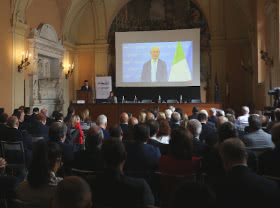
Assemblea generale
18 luglio 2012

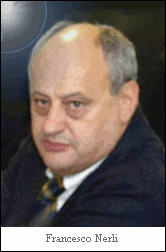
Relazione del presidente, Francesco Nerli

Signor Vice Ministro, componenti del Parlamento, rappresentanti delle istituzioni, del mondo associativo, gentili ospiti, cari colleghi e associati, è con vivo piacere che porgo a voi tutti il benvenuto alla nostra assemblea annuale.

Un appuntamento che è da tempo gradita consuetudine per Assoporti e quest'anno assume per me un significato particolare.

Proprio da alcuni brevi dati che tratteggiano lo scenario attuale voglio partire per individuare le sfide che il nostro settore dovrà affrontare.

Per quel che riguarda la situazione e le prospettive economiche, il quadro che abbiamo davanti, come sappiamo, non è positivo. La crisi sta provocando una modifica degli assetti e degli equilibri a livello mondiale, con ripercussioni drammatiche anche per l'Europa.

La crisi della Grecia, della Spagna, la nostra crisi, tamponata ma non risolta, impongono scelte irrinviabili sul fronte della crescita, anche attraverso investimenti finalizzati alla ripresa e ad un'azione forte sul versante di una necessaria coordinata politica industriale e di crescita dell'occupazione.

La ricetta dell'austerità finanziaria e dell'equilibrio dei bilanci pubblici, come sappiamo, sia pur necessaria, non è di per se in grado di far uscire l'economia mondiale dalla crisi. Si è riaperta di fronte a noi la necessità di un ripensamento del ruolo degli stati e, per noi, dell'UE in economia.

Secondo le stime del Fondo Monetario Internazionale, è atteso nel 2012 un aumento del PIL, a livello mondiale, del 3,5%, lo 0,4 % in meno rispetto all'anno precedente, frutto anche di un rallentamento dei tassi di crescita di Paesi fin qui cresciuti “a due cifre” (Cina, India, Russia, Turchia). Ancora peggiori le aspettative dell' “area euro” e per l'Italia, il cui PIL è previsto scenda nel 2012 di oltre 2 punti ed ulteriormente nel 2013.

Il positivo ed inevitabile percorso di consolidamento e tendenziale risanamento della finanza pubblica, portato avanti dal Governo Monti, ha inevitabilmente prodotto una pressione fiscale sempre più forte che, accompagnata ad una riduzione della spesa per investimenti, ha prodotto un calo dei consumi reali pro-capite, che alcuni stimano avviati ad un catastrofico -3,2% nel 2012, ed a tassi di disoccupazione a livelli oggettivamente preoccupanti e difficilmente sostenibili.

___________


Questo scenario economico, fortemente differenziato, inciderà anche sui volumi di import-export e sui traffici marittimi.

Guardando ai containers sono previsti tassi di crescita tra il 7 e l'8% nei prossimi 3-4 anni.

Più prudenziali viceversa le previsioni del traffico di rinfuse solide e liquide, in particolare verso l'Europa, anche in considerazione del consolidamento della tendenza di Paesi produttori a trasformarle in loco, e del permanere di rilevanti flussi verso i Paesi asiatici (Cina anzitutto).

Questi fattori, combinati con un'offerta portuale sempre più robusta e qualificata in aree mediterranee extraeuropee e con le strategie delle grandi compagnie armatoriali, fatte di accordi di cooperazione e fusione, riassetti delle linee e rallentamento della velocità delle navi (anche per attenuare gli effetti di una sovracapacità ancora significativa) hanno disegnato e fanno prevedere, almeno per il 2012, una situazione caratterizzata da risultati di segno diverso nei singoli porti nazionali.

Innegabile è il vantaggio competitivo che il versante Mediterraneo europeo offre in termini di costo della tratta marittima. Recenti stime quantificano un risparmio calcolato in 100 Euro per un container da 40' da Singapore ad un porto del versante nord occidentale del Mediterraneo. Al tempo stesso però, quelle stime dimostrano costi ed inefficienze delle tratte terrestri (non solo in Italia) tanto maggiori da annullare quel beneficio, anche in virtù di un utilizzo non ottimale della modalità di trasporto ferroviario e, da noi, delle “strozzature” dell'ultimo miglio.

___________


Se questo è il contesto, resta da chiedersi quali sono gli strumenti di cui oggi dispone la portualità italiana per recuperare ruolo e quote di traffico.

La legge 84, come voluta dal legislatore del 1994, ha separato la sfera della regolazione da quella dell'operatività ed ha superato, con l'istituzione delle Autorità Portuali, modelli di amministrazione disomogenei, generatori di dissesti che lo stesso sistema dalle Autorità Portuali ha ripagato rinunciando per un decennio alla parte maggiore delle tasse e dei diritti marittimi.

Pur nella validità di quell'impianto riteniamo che la legge ha bisogno, come più volte sostenuto, di perfezionamenti ed innovazioni per alcuni aspetti che sono però decisivi.

Anzitutto, l'effettivo potere di coordinamento da riconoscere all'A.P.; la capacità di regolazione e controllo della realtà che amministra nonché aspetti di semplificazione e velocizzazione procedurale (in tema di pianificazione, degli iter autorizzativi, ecc.).

Ormai siamo nella seconda legislatura che vede il Parlamento impegnato nell'elaborazione di quella che molti definiscono “riforma della riforma”.

Devo dare atto che su alcuni aspetti vi è da tempo convergenza tra le diverse parti politiche e che punti del disegno di riforma, frutto dell'impegno del Presidente Grillo nonché del Senatore Filippi e di tutti i componenti l' VIII Commissione, sono stati anticipati da recenti provvedimenti, benché in forme perfettibili (penso ad esempio ai dragaggi ed ai “sistemi logistici”).

Dirimente resta per la portualità il tema dell'autonomia finanziaria, sul quale ritornerò più avanti, nonché, come detto, il riconoscimento della titolarità esclusiva delle Autorità Portuali per quel che concerna l'amministrazione del demanio portuale e la possibilità delle stesse Autorità Portuali di coordinare effettivamente i molteplici soggetti, non solo privati, che determinano il livello quantitativo e qualitativo dell'offerta portuale.


Il nuovo disegno della rete transeuropea dei trasporti. Apprezziamo come una rete originariamente concepita in funzione e con una forte finalizzazione intraeuropea (nonché con una considerazione sempre prevalente per la modalità di trasporto ferroviario) si sia lentamente orientata nel senso di una rete che deve servire anche le proiezioni dell'Unione verso l'esterno. Superando anche un disegno precedente che sembrava una sommatoria di “corridoi”.

Al contempo non va però dimenticato che, a norma del Trattato UE, le reti transeuropee costituiscono strumento per conseguire gli obiettivi di coesione e integrazione economica e sociale tra i territori dell'Unione.

La revisione deve quindi costituire occasione di riequilibrio infrastrutturale tra le diverse regioni dell'Unione, per una redistribuzione dei flussi di traffico verso le aree sottoutilizzate e per uno sviluppo sostenibile ed equilibrato di tutti territori Europei, nonché opportunità per facilitare la ripresa economica.

In poche parole, non individuando solo nodi e collegamenti concentrati nelle aree che già oggi sono maggiormente infrastrutturate. Bensì valorizzando appieno tutte le aree costiere, a partire da quella Mediterranea ed i suoi porti, quali “gateway” europei per le merci provenienti e destinate all'estremo oriente, da e verso il nord Africa, l'area orientale del Mediterraneo, fino al Mar Nero.

Ciò valorizzando collegamenti marittimi quali le “Autostrade del Mare”, tra tutti i porti della rete “core” e “comprehensive” (anche perché su questa distinzione abbiamo diverse riserve), e tra questi e porti selezionati extra UE del Mediterraneo e del Mar Nero.

Con riguardo a questo tema, credo si debba insistere in sede europea per escludere le risorse pubbliche necessarie all'implementazione della rete TEN-T dal Patto di Stabilità. Ciò costituisce aspetto dirimente per la parità delle condizioni di accessibilità ai contributi UE da parte di tutti gli Stati Membri.


Le Autorità Portuali soggetti promotori di sistemi logistici. Il riconoscimento di questo strategico ruolo degli enti di governo dei porti, sancito dall'art.46 del Decreto Legge 201/2011, coincide con una delle previsioni contenute nel Testo unificato di revisione della Legge 84.

Su questo versante già stanno operando diversi porti, anche con una logica di “sistema di porti”, mirando ad offrire alla merce opzioni e opportunità molteplici su medesimi archi costieri.
Per il miglior successo di queste iniziative sono necessarie anche sinergie ed una progettualità condivisa con i nodi interportuali, nonché con il mondo dell'autotrasporto.

Se ciò è innegabile, non vi è dubbio però che sarebbero riduttivi e perdenti “rovesciamenti” di centralità della pianificazione della rete logistica in capo all'autotrasporto o agli interporti.
La connessione dei porti con la piattaforma infotelematica per la gestione della rete logistica nazionale. Questa scelta, fatta dal legislatore con l'art.61-bis del Decreto Legge n.1/2012, può concorrere alla costruzione di una rete logistica integrata nazionale nonché a migliorare le capacità competitive degli operatori della logistica. Però è chiaro che, se parliamo di connessione dei porti alla rete, ciò non può essere inteso come il tentativo di costruire una sorta di “grande fratello”, che tra l'altro esproprierebbe le Autorità Portuali di competenze proprie (i servizi informatici sono tra i “servizi di interesse generale” di cui all'art.6, della L.84/94).

Piuttosto, si devono realizzare, da un lato i sistemi di interfaccia tra la piattaforma infotelematica nazionale ed i porti, dall'altro realizzare o portare a compimento, nei porti in cui già da tempo si sta lavorando in questo senso (anche secondo disegni progettuali evoluti e complessi), la realizzazione di sistemi infotelematici portuali, tenendo in debito conto lo stato di fatto dei sistemi informativi esistenti (ovvero di quelli dei diversi soggetti operanti nei porti); le funzioni che svolgono quei sistemi; le interfacce esistenti tra di essi e quelle che è necessario attivare al fine di rispondere alle concrete esigenze dei diversi soggetti del ciclo della logistica. Ciò significa anche considerare la volontà, espressa dagli operatori privati, di utilizzare sistemi info-telematici con proprie infrastrutture hardware, software e di sicurezza sviluppate e localizzate nelle singole realtà portuali e gestite – sempre a livello locale – da soggetti super-partes, quali sono le Autorità Portuali.

Sistemi che dovranno essere interconnessi a quelli nazionali, con particolare riferimento al VTMIS, UIRNet, AIDA/Dogane, nonché interoperabili con altri sistemi sviluppati nei territori.
Tutto questo concorrerà tra l'altro alla realizzazione di quello sportello “unico portuale” che da tempo riteniamo necessario.

Come detto, già in alcune realtà si sta operando in questo senso o si sono sviluppate progettualità ispirate a questa filosofia. Assoporti ha anche realizzato, in recente passato, collaborazioni con UIRNet in tale direzione.

Vi è quindi una buona base sulla quale, fermi rimanendo autonomia e ruolo delle Autorità Portuali, si può lavorare.

___________


In sintesi, nel quadro normativo si delineano alcuni positivi ed innovativi aspetti che, opportunamente gestiti, possono contribuire alla crescita del sistema dei porti quale componente essenziale del sistema logistico italiano.

Rimangono però in questo scenario, elementi di grave criticità:
  • l'assenza di un definito disegno di sviluppo di livello nazionale;
  • la carenza di risorse;
  • differenze nelle condizioni di competitività delle imprese operanti nei nostri porti rispetto a quelle dei concorrenti europei (ed ancora di più nei confronti di quelli extraeuropei).
___________


Ognuno di questi aspetti, che non costituisce problematicità nuova, merita, pur in sintesi, uno specifico esame.

Parto, per comodità di esposizione, dall'ultimo, la competitività delle imprese. E' sufficiente ricordare che il cluster marittimo portuale, fin dall'insediamento del precedente Governo, concordemente aveva chiesto una parziale e temporanea fiscalizzazione degli oneri sociali delle imprese operanti ex art.16,17 e 18 della legge 84/94 e la riduzione delle accise sui prodotti energetici utilizzati dai mezzi esclusivamente operanti in aree portuali, come consentito da norme comunitarie e già praticato in quasi tutto il nord Europa.

Si tratta, lo sottolineo, di priorità di sistema, di omogeneizzazione delle condizioni di competitività. Ritengo devono avere adeguata considerazione da un Governo che ha tra i propri obiettivi, tra gli altri, quelli della competitività e dello sviluppo.

La mancanza di un disegno di sviluppo del sistema, o per essere più chiari di un piano strategico per la portualità, rappresenta una carenza che non è esagerato definire storica per il nostro Paese. Se individuo un eccezione a tale criticità, la trovo forse solo nel processo di riadeguamento avviato con le risorse della L.413/98 ed i successivi rifinanziamenti. Ma, lo sottolineo, si trattava di un programma di indispensabile riallineamento che ha consentito di recuperare (in sinergia con la spinta data dalla Legge 84/94 sui versanti delle regole, dell'assetto organizzativo e del lavoro) ma non ha potuto completare il salto di qualità.

Gli spunti non sono mancati. Vi sono stati nel tempo molti “Piani”, ma tutti sono finiti in qualche cassetto fino all'ultimo lavoro fatto dalla struttura ministeriale in attuazione di una norma della legge finanziaria del 2007.

Oggi si rimprovera alle Autorità Portuali di aver elaborato pianificazioni sovradimensionate rispetto agli scenari futuri credibili.

Contemporaneamente si dà credito ad indicazioni programmatiche e di priorità che sono frutto di studi di autorevoli Fondazioni, ma hanno il limite della carenza di confronto con gli enti del territorio, le amministrazioni di settore, le Autorità Portuali, i gestori delle grandi reti infrastrutturali. Indicazioni che non sono state oggetto di valutazioni di priorità in quella “cabina di regia” che era una previsione specifica del Documento di Finanza Pubblica fin dal 2010 e neanche sembrano supportate da una adeguata valutazione costi-benefici.

Si accreditano sostanzialmente disegni che, per tutte queste motivazioni, riteniamo astratti e parziali poiché, questo è innegabile, non tengono conto della necessità del sistema–Paese di conservare una rete di porti per la molteplicità di funzioni che essi svolgono.

Non mi dilungo oltre: valorizziamo ogni contributo di studio; abbandoniamo approcci astratti; attiviamo una vera cabina di regia; selezioniamo oggettivamente le priorità.


Alla necessità di un piano di sviluppo si collega il tema della carenza di risorse. Questa non deve essere però la scusa per non fare un piano. Comunque l'assenza di un piano non può essere motivo: né per far mancare quanto necessario a garantire le condizioni di operatività in sicurezza (penso anzitutto alle risorse per le manutenzioni); né per bloccare l'attivazione di iniziative di partnership pubblico-private.

A prescindere da ogni piano, non si devono far mancare fondi da tempo previsti per i quali sono stati presi impegni precisi anche dal Governo e non si può bloccare la realizzazione di una effettiva autonomia finanziaria, intesa come ritorno ai porti di una quota (adeguata, ovviamente, non soli 70 milioni l'anno) delle risorse che ciascun porto genera.

Non possiamo e non vogliamo ignorare la difficile situazione di bilancio.

Ma se effettivamente il Governo crede che i sacrifici e gli sforzi che sta facendo il Paese sono il punto di partenza di un processo di riavvio della crescita, è indispensabile che si tracci un percorso graduale, ma realistico, di realizzazione di autonomia finanziaria. Non invece redistribuendo risorse che non si sono potute spendere per l'inestricabile matassa di norme e procedure che vanno semplificate. Mi riferisco all'art.15 del recente “Decreto sviluppo” (D.L. 83/2012).

Prima di terminare queste considerazioni riguardo all'argomento risorse, non posso trascurare di ricordare che ormai da troppi mesi la portualità attende il perfezionamento del provvedimento di adeguamento della misura delle tasse e dei diritti marittimi ferme ancora a quelle del 1993!

Il Parlamento, in occasione della conversione dell'ultimo decreto legge “Milleproroghe”, ha cancellato la previsione di rinviare ulteriormente quell'adeguamento, peraltro graduale. Non dare tempestiva attuazione a quanto previsto dalla legge di fatto và contro la volontà del Parlamento e produce un danno, non solo per le A.P., ma anche per il bilancio dello Stato (e in tempo di spending review…).

___________


I tre argomenti ora toccati non esauriscono purtroppo le problematicità.

Cito, anzitutto, l'approssimarsi della scadenza di molte tra le maggiori concessioni di terminal portuali, che pongono la necessità di riferimenti certi sulla possibilità o meno della proroga ed eventualmente a quali condizioni.

L'argomento travalica i confini nazionali, poiché deve essere risolto in coerenza con i principi dell'UE e non può essere ignorato il confronto competitivo con portualità di sistemi-Paese che possono ignorare quei principi.

Neanche può essere ignorata la necessità di garantire condizioni che rendano possibile la presenza nel sistema dei porti nazionali dei grandi operatori, che possono assicurare flussi di traffici consistenti, nonché l'esigenza di evitare situazioni di indiretta ed implicita ”privatizzazione” del bene porto, oltre alla creazione di artificiose barriere all'ingresso di altri operatori.

Voglio anche rammentare recenti indirizzi della Commissione Europea in materia di “aiuti di Stato”. In particolare la DG Concorrenza, sembra orientata a considerare “aiuto di Stato” ogni risorsa proveniente dalle casse dello Stato destinata ai porti, indipendentemente dalla loro finalizzazione, anche quelle per la realizzazione di infrastrutture.

Questa visione, almeno per quanto riguarda il nostro Paese, non è corretta e rischia di mettere in discussione la possibilità per lo Stato di investire sui propri beni. A questo riguardo propongo che il Governo chieda alla Commissione Europea di affrontare l'argomento con un approccio diverso. Valutare, prima dei flussi finanziari dallo Stato verso i porti, quanto i porti danno allo Stato in termine di risorse e ricchezza. Solo a questo punto, potremo verificare quante di quelle risorse tornano effettivamente verso i porti.

In Italia, ad esempio, le casse dello Stato introitano dagli stessi porti molti miliardi di Euro di IVA generati dalle attività di import-export.

Aspetto problematico, fonte di grande preoccupazione, è quanto in questi ultimi giorni emerge da indirizzi normativi e pronunce della magistratura.

Esplicito: mi riferisco al Decreto Legge 95/2012 in tema di “spending review” ed alla recente sentenza del TAR Lazio sul ricorso avanzato dall' Autorità Portuale di Napoli avverso un atto che, di fatto, equipara i dipendenti delle Autorità Portuali a dipendenti pubblici.

Tanto il Decreto Legge che la sentenza, paiono ricondurre le Autorità Portuali al ruolo di mere strutture di amministrazione e di conservazione del bene porto, quasi dimenticando la natura degli scali marittimi quale complesso organizzato di beni funzionale allo sviluppo del territorio, con tutto ciò che ne consegue. Capacità e possibilità del soggetto di amministrazione di svolgere un ruolo attivo in campi quali l'ambiente; l'integrazione con il tessuto sociale ed economico circostante; l'attuazione di iniziative specifiche su versanti quali la formazione; la valorizzazione delle risorse del territorio in congiunzione con la capacità di attività propriamente portuali. Si pensi, ad esempio, alle sinergie tra crocierismo e valorizzazione turistica dei territori. In due parole, penso anche alla funzione sociale dei porti.

Da ultimo, invece, sentiamo parlare di porti, e di Autorità Portuali, quali mere strutture burocratiche da “tagliare”, “accorpare”, “alleggerire” nelle dotazioni organiche e nelle risorse, anche se, è innegabile, esse non gravano e non hanno mai gravato, sul bilancio dello Stato.

Non è azzardato definire tutto ciò come una mina all'autonomia dei soggetti di amministrazione dei porti, in controtendenza con ciò che sempre più si fa in altri Paesi.

Ma è soprattutto un problema di indirizzo generale, al quale Governo e Parlamento devono dare risposte politiche:
  • alla pronuncia del TAR Lazio, tenendo anche conto dei potenziali dirompenti effetti sul clima di sostanziale pace sociale e sulla concertazione, che nei porti ha costituito un valore aggiunto, unitamente al “contratto unico”, avviato a scadenza e che intendiamo rinnovare;
  • alle ipotesi di “taglio”, “accorpamento” o macro entizzazioni di sistema, tenendo conto che mere aggregazioni o sommatorie di enti non sempre sono il mezzo per perseguire la razionalizzazione dell'assetto di regolazione ed amministrazione della portualità.
Senza voler ritornare su un argomento già trattato, ritengo molto più ragionevole un riesame di questi aspetti allorché definito un concreto piano di sviluppo della portualità a fronte delle scelte legislative che si stanno delineando con i lavori dell'8^ Commissione del Senato sulla c.d. “riforma della riforma”.

Tutto ciò facendo salve, anzi favorendo, collaborazioni, sinergie e condivisioni che, spontaneamente, singole Autorità Portuali hanno posto in essere e vorranno sviluppare.
___________


Vado alle conclusioni.

Mi sono limitato a temi di primario spessore e attualità. Anche per altri, comunque non trascurabili, credo vi sarà modo ed occasione di confronto ed approfondimento nelle sedi appropriate.
Come ho detto in premessa, l'appuntamento di oggi assume per me un significato particolare.

Infatti, concludo una lunga esperienza nella portualità ed all'interno dell'Associazione Porti Italiani.
Nell'assemblea degli associati che terremo questo pomeriggio, proporrò su concorde avviso del nostro Consiglio Direttivo, la nomina di Luigi Merlo a Presidente di Assoporti.

A lui rivolgo anzitutto un augurio di buon lavoro, così come a Pasqualino Monti, che sarà Vice Presidente Vicario.

Alla fine del mandato non è quindi mera consuetudine il ringraziamento che rinnovo a tutti i presenti. Un ringraziamento particolare al Direttore Caliendo e ai suoi collaboratori; le occasioni di confronto sono state frequenti e costruttive, così come con quanti lo hanno preceduto nella funzione.

Altrettanto con il Comando Generale, con le associazioni del settore, le organizzazioni sindacali dei lavoratori.

Sentitissimo è il saluto per i nostri associati; per quanti anche in passato li hanno rappresentati; per l'amico Luigi Robba, mio primo “contatto” con Assoporti e primo supporto negli anni passati, nonché per tutto il team dell'Associazione di ieri e quello di oggi.

Dall'attuale Segretario Generale fino ai più giovani collaboratori e collaboratrici; li accomuno tutti nel ringraziamento per l'impegno a vantaggio degli associati.

Un saluto, e concludo, a Patrick Verhoeven, Segretario Generale di ESPO, l'Associazione dei Porti Europei, e tramite lui a tutti i porti d'Europa.
›››File
FROM THE HOME PAGE
La Spezia is among the Italian ports that are most increasing their connections to container shipping lines.
Geneva
Among the other main national airports, Vado Ligure and Ravenna are losing connections
Middle Eastern Gulf Cooperation Council states call for freedom of navigation through the Strait of Hormuz
Manama
Rejected any toll, tax or attempt to exercise control over the Strait
IMO suspends evacuation operations for ships awaiting transit through the Strait of Hormuz
London/Taipei
Evergreen says its container ship was hit while following the UKMTO-recommended route.
Four entities pre-qualified for the concession of the cargo terminals of the Ukrainian port of Chornomorsk
Gdansk
These are APM Terminals, Mariner/TAS, Yilport Holding and AD Ports/SKF Holdings UK
New attack on a ship transiting the Strait of Hormuz
Southampton
The container ship Ever Lovely was hit by a shell off the coast of Oman.
In 2025, 1,478 containers were lost at sea out of a total of 280 million transported by ships
Washington
On January 1st, the IMO regulation came into force which makes reporting of boxes lost at sea mandatory
BIMCO and ICS' latest report on the maritime workforce raises alarm over officer shortages
London/Bagsværd
In 2026, there will be a shortage of 39,100 STCW certified officers.
In 2025, intermodal traffic handled by Kombiverkehr decreased by -13.5%
Frankfurt am Main
Annual revenues down 8.3%
The government's proposal to update the rules on port governance raises more than one doubt
Rome
Costa: The lack of infrastructure planning cannot be solved with a joint stock company
MSC Cruises and Meyer Werft have not yet signed contracts for four new cruise ships plus two options.
Papenburg/Geneva
The companies expressed confidence that they could successfully conclude negotiations in the coming weeks.
The LSCI index of Italy's connection to the global network of containerized maritime services continues to grow.
Geneva
In the second quarter of 2026 it was equal to 290.0 (+2.3%)
AD Ports has completed the acquisition of an 81% stake in Global Feeder Shipping.
Abu Dhabi
In 2025, the company's ships carried 2.8 million containers
An evacuation plan has been established for ships still waiting to transit the Strait of Hormuz.
London/Muscat
Dominguez (IMO): The operation will be carried out in close cooperation with Iran, Oman, all other coastal states in the region, the USA and the maritime industry
Carnival Cruise Line Reports Record Revenue for March-May Quarter
Miami
Fuel costs rise to near-record levels in 2022
Reducing navigation speed and optimizing port calls are the key to decarbonizing shipping
Copenhagen
A new study by the Global Maritime Forum highlights this.
ECSA and A4E reiterate the need to allocate EU ETS revenues to the decarbonisation of ships and aircraft
Brussels
Essential to bridge the price gap between sustainable and conventional fuels
AD Ports' new bid to gain control of Egypt's ALCN rejected
Cairo
A new proposal worth approximately $580 million has been submitted.
John Denholm is the new president of the International Chamber of Shipping
Rome
He succeeds Emanuele Grimaldi, who has completed his four-year term
A ship was hit by a drone in the Black Sea
Odessa
One of the nine crew members died
Port of La Spezia: Dredging of the third port basin and navigable canal begins.
La Spezia
Yesterday, 25 ships passed through Hormuz, the highest daily number since April 18.
Singapore
Since March, the average has been 7.6 transits per day
Interferry calls on the EU to implement the EES pragmatically, or to suspend it
Victoria
The upcoming high summer season - the association denounced - risks suffering serious inconveniences
In the first three months of 2026, freight traffic in French ports increased by +3.8%
Paris
General cargo and solid bulk cargo are growing. Liquid bulk cargo remains stable.
BIMCO and Intertanko stress that there are still significant risks to the Hormuz crossing
Copenhagen/London
In April, freight traffic in the ports of Genoa and Savona-Vado Ligure grew by +1.7%
Genoa
The Boards of Directors of the Basins and Maritime Stations Authority have been renewed.
After more than 100 days in the Persian Gulf, Grimaldi's PCTC Grande Torino has passed through Hormuz
Naples
Transit authorized by the Ministry of Foreign Affairs of the Islamic Republic of Iran
US-Iran agreement signed to restore naval traffic through Hormuz
Islamabad/Tehran
Lifting of the American naval blockade and demining of the waters
Assocostieri, port governance reform should take into account the specific nature of strategic energy infrastructure in ports.
Confitarma rejects any form of toll in the Strait of Hormuz.
Naples
Zanetti: We reaffirm the fundamental principle of freedom of navigation.
Federagenti proposes to allocate the concession fees proportionally to Ports of Italy and the AdSPs to finance the new joint stock company
Rome
DP World in talks to build container terminal at Texas port of Corpus Christi
Charlotte/Los Angeles
Container traffic at the Port of Los Angeles grew by 17.2% last month.
Assarmatori criticizes Brussels, but also Rome, for what they are doing to decarbonize the shipping industry.
Rome
Messina: A return to normalcy in the Strait of Hormuz will not be immediate.
US firm Enstructure buys Logistec's US port terminal network
Wellesley/New York/Montreal
It operates a total of 84 terminals in the USA
Leveraging the revised Block Exemption Regulation to encourage private investment in ports
Constance
FEPORT urges it
The Antwerp-Bruges Port Authority will collaborate in the development of the port of Misrata.
Measured
Project for a new bulk terminal
Bimco, ICS, Intercargo and Intertanko condemn attacks on ships and seafarers in the Strait of Hormuz
London
Call for an immediate cessation of attacks
Container traffic at the Port of Long Beach grew by 31.7% last month.
Long Beach
The overall volume of containers remained unchanged in the first five months of 2026
The Swiss Federal Council proposes extending subsidies for rail freight traffic through the Alps until 2035.
Bern
From 2027 to 2035, 486 million francs would be paid out
So far the number of ships leaving the Persian Gulf is 6-7% of those transited a year ago
Paris
AXSMarine: No Signs of a Long-Term Reopening of the Strait of Hormuz
Global Ports Holding in talks to manage cruise port in St. Vincent and the Grenadines
Istanbul
The terminal currently records an annual traffic of approximately 200 thousand passengers
Investments in Taiwan's ports amounting to 1.8 billion dollars are planned for the period 2027-2031.
Taipei
At the end of the five-year period, annual container traffic is expected to be equal to 15.5 million TEUs
US forces hit a third vessel in the Gulf of Oman
Tampa
The "Jalveer" is said to be carrying a cargo of Iranian oil.
ALLRAIL, CER, ERFA, FEPORT, FTE, UIP and UIRR present their proposal for the European Railway Platform
Brussels
The aim is to ensure market representation from the very beginning of the new European rail capacity governance process.
US Central Command claims responsibility for attack on product tanker Settebello
Tampa/New Delhi/London
Condemnation by the Indian government and the International Maritime Organization
Product tanker hit in Strait of Hormuz region
Southampton/Muscat
One sailor was injured. Two other crew members are missing.
In the first quarter of this year, freight traffic in the port of Civitavecchia decreased by -1.0%.
Civitavecchia
Cruise passengers increase by +32.1%
A merchant ship was attacked in the Gulf of Aden
Southampton
Exchange of gunfire with the security team on board the ship
Gemini Cooperation increases cargo capacity on the Asia-Mediterranean route
Copenhagen
Sea-Intelligence adds additional weekly capacity of 22,402 TEUs
ESPO fully endorses the EU Council conclusions on the Maritime Industrial Strategy
Brussels
The central role of port facilities confirmed
CO2 capture and storage on ships is one of the most concrete and immediately available solutions for the decarbonisation of shipping.
London
This is highlighted in a report commissioned by ICS to Lloyd's Register Advisory.
Antitrust approves Messina Group's acquisition of Terminal San Giorgio
Rome
The Italian Competition Authority (AGCM) has also approved the acquisition by the MSC group of the Asso group's naval maintenance and repair activities (Jobson Italia and UASC UAE).
Rates for ships transiting the Suez Canal are expected to rise.
Ismailia
They will be applied from July 15th. Passenger ships excluded.
The Suez Canal Authority has announced that it will introduce surcharges on transit tariffs through the Egyptian canal for most major cargo vessels, effective July 15.
The Council of the EU accepts many of the requests put forward by the associations of the European maritime-port cluster
Luxembourg
However, necessarily, the text postpones the adoption of concrete measures to future legislative initiatives
ESPO calls for proactive use of the EES system to avoid congestion in European ports
Brussels
Ryckbost: Flexibilities activated promptly in exceptional but foreseeable circumstances
Rixi: It is necessary to overcome a maritime ETS that risks shifting traffic and investments to non-European ports.
Luxembourg
What is needed - highlights the vice minister - are incentives and flexibility, not new constraints
Houthis threaten to resume attacks on ships transiting the Red Sea
Sana'a
A total ban on navigation has been declared for all vessels linked to Israeli interests.
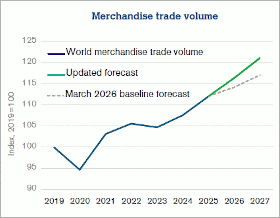
Global trade in goods may start to slow down
Geneva
This is reported by the latest reading of the WTO Goods Trade Barometer.
The new port road connection to Sampierdarena has been activated in Genoa.
Genoa
Paroli: the work now allows approximately 900-1,000 heavy vehicles per day to directly access the port's operational areas.
The rapporteurs of the Ports Bill defend the governance project centered on the Ports of Italy.
Rome
Ghio (PD) denounces that the governing bodies of this new company would be appointed entirely by the government. Ghirra (AVS): The objectives of national coordination could have been achieved by strengthening the National Conference of Port Authority Presidents.
US logistics companies WWEX Group and Auctane announce merger
Milan/Dallas/Austin
Artificial intelligence plays a leading role
Unexpected decline in European intermodal traffic in the first quarter of 2026
Brussels
UIRR: Infrastructure chaos caused by construction sites interrupting railway lines
Hanseatic Global Terminals acquires remaining 50% of Hanseatic Global Terminals Aracruz
Rotterdam/Aracruz
The company is building the new Brazilian container port of Imetame
Conftrasporto: The Ports Bill highlights clear operational, financial, and regulatory compliance issues.
Rome
Russo: the competences of Ports of Italy would overlap with those of the Port System Authorities, the Ministry of Transport and the Art
WoodMac believes decarbonisation rules could have a major impact on LNG-powered vessels
Edinburgh
According to the company, European regulations would put ships with DFDE engines out of the market
French MN will transport Avio's Vega C launcher between Italy and South America
Nantes
The French company will equip itself with a new vessel designed specifically for the transport of space equipment
EU methodology for calculating greenhouse gas emissions from transport services comes into force
Brussels
The system is based on the international standard EN ISO 14083:2023
The container ship MSC Sariska V was hit by two shells in the Persian Gulf on Monday.
Geneva/Rome
All crew members were unharmed.
In the first quarter, freight traffic in the port of Bremen/Bremerhaven grew by +5.8%
Bremen
Containers amounted to 1,245,515 teu (+4.4%)
MSC acquires 51% stake in Pivdennyi container terminal (Odessa)
Odessa
It has a traffic capacity of 400 thousand TEUs per year.
The IMO Convention on Liability and Compensation for Damage in Connection with the Carriage of Hazardous and Noxious Substances by Sea will enter into force on 19 November 2027.
London
Dominguez: a long-awaited achievement, which fills an important gap in the international regime
In April, ship transits through the Suez Canal increased by +13.9%
Cairo
In the first four months of 2026, an increase of +12.1% was recorded
In Spain, €11.8 million in eco-incentives have been allocated for the use of motorways of the sea.
Madrid
163,672 shipments made by 32 companies subsidized
ABB has signed an agreement to buy Norwegian marine automation company Høglund.
Zurich
The Tønsberg-based company's integrated automation system is currently installed on over 600 vessels.
Port of Gioia Tauro: tender launched for the redevelopment of the ro-ro docks
Gioia Tauro
Worth 5.6 million euros, the works will last 210 days
Grimaldi confirms the important role of the port of Catania in its strategies
Catania
The aim is to increase services and make existing ones even more efficient.
Annual growth of +6% in cruise traffic and +2% in ferry traffic is expected in the Adriatic
Venice
It is the only Mediterranean region to have recorded a decline in cruises in the period 2019-2025
PSA Padova established to develop and manage the Padua intermodal terminal
Padua
The shareholders of Interporto Padova and Padova Hall have approved the merger plan
The Federagenti assembly will be held in Civitavecchia on July 3rd.
Rome
Pessina: We will not discuss regulations, community relations, or the pursuit of theories and bureaucracy, but rather the challenges of Italian port infrastructure.
Spediporto has opened its own representative office in Hong Kong
Genoa
Giachero: the opening of this desk is also an opportunity for young people
Arcese, Conti and Cosulich establish a company for the port logistics of finished vehicles
Livorno
HMM orders eight bulk carriers and two gas carriers
Seoul
Investment of approximately 1.1 billion dollars
MPC Container Ships has purchased four 7,000 TEU containerships built between 2023 and 2024.
Oslo
Investment of 340 million dollars
FedEx posts record quarterly and annual revenue
Memphis
Total revenues in fiscal year 2026 amounted to $94.7 billion (+7.7%)
Geopolitical uncertainty has become the main risk for shipping
Munich
Evergreen purchases 140,500 new containers in China
Taipei
Investments totaling $358.9 million
Memorandum of Understanding for the Launch of Drone Use in the Port of Palermo
Palermo
Submission of the request for the establishment of U-Space
Yesterday, the Strait of Hormuz was crossed by 42 commercial vessels
Paris
For the first time since the beginning of the conflict, several LNG tankers entered the Persian Gulf
Saipem wins new $1 billion offshore contract in Angola
Milan
It was awarded by Azule Energy for the Greater PAJ project
Port of Ancona: Dredging work has begun on the seabed of quay 22.
Ancona
Approximately six thousand cubic meters of sediment will be removed
Confitarma welcomes clarifications regarding ship waste collection management.
Rome
The need for uniform application of the legislation throughout the country was highlighted.
The Tuscan Cooperation Development Fund invests in Uniport Livorno.
Livorno
Operation for a total of 880 thousand euros carried out together with co-investor Coopfond
Fit-Cisl, recognizing dock work as arduous is a priority
Genoa
Pagnotta: This is not a corporate claim, but a question of social justice.
Hupac increases weekly rotations between Antwerp and Busto Arsizio via France to four.
Noise
Two additional departures of the intermodal service introduced
SAILING LIST
Visual Sailing List
Departure ports
Arrival ports by:
- alphabetical order
- country
- geographical areas
From July, the tariff for naval transit through the Turkish Straits will increase by +14.9%.
Istanbul
It will be raised to $6.70 per net tonne
Fincantieri and Republikorp sign agreement to build multipurpose naval vessels in Indonesia.
Paris
The establishment of a joint venture is planned
Study on the divergences between the EU Ship Recycling Regulation and the Hong Kong Convention
Brussels/London
It has been published by ECSA and ICS
The 2026-2028 POT of the Southern Tyrrhenian and Ionian Sea Port Authority has been approved.
Gioia Tauro
Approval also granted to the 2026 budget forecast variation and to the update of the Port's Staffing Plan.
Autonomous Navigation: ABS, Polaris Shipping, HHI, and AVIKUS Sign Agreement
Athens
It will be tested on a VLOC under certain low-risk conditions
Tomorrow in Sant'Agnello (Naples) the inauguration event of the Italy Branch of The Nautical Institute
London
The topics of discussion will include energy transition in the maritime industry, maritime education and training.
The Municipality of Bologna is reconsidering the divestment of its stake in Interporto Bologna.
Bologna/Bentivoglio
An institutional delegation from Flanders visited the interport
Eni and Fincantieri sign agreement to develop innovative underwater monitoring technologies.
Milan/Trieste
Agreement focused on Eni's "Clean Sea" technology
In 2025, LNG consumption in Italy grew by +11% driven by industry and new uses, with the debut in the naval segment
Rome
Amadei (Federchimica LNG Group): Use ETS and FuelEU revenues to support investments and deployment of lower-carbon fuels.
RT&L partners with China's Guangzhou Salvage to strengthen its project cargo segment
Genoa
Bizzarri: the sector is characterised by wide margins for development and profitability
Last year, cargo traffic in Greek ports amounted to 140.8 million tons (-1.5%)
Piraeus
Goods volumes remained unchanged in the fourth quarter only
The International Container Study Center's board and governing body have been renewed.
Genoa
Filippo Gallo confirmed as president and Paolo Pessina as vice-president
Catani (GNV): allocate ETS proceeds to the development of synthetic fuel production chains.
Rome
Resources - he specified - also for port infrastructures and the reduction of the cost differential compared to traditional fuels
Consultation launched on plans to expand the port areas of Fos
Marseille
The goal is to involve residents and local stakeholders
Somec signs €60 million contract with Finnish shipyard
San Vendemiano
One of the most complex interventions ever entrusted to the Horizons division
Daniele Rossi, former president of the port of Ravenna, has passed away.
Rome
He led the port authority for over eight years
ONE will remove calls in Greece and Türkiye from its Adriatic Service 1 service.
Singapore
In Italy it touches the ports of Venice and Ancona
The first phase of the APM Terminals terminal in the port of Suape has been inaugurated.
Suape
It will become operational in the second half of this year
Container traffic increased in May at the ports of Singapore and Hong Kong
Singapore/Hong Kong
Singapore sets record bunkering levels for liquefied natural gas and pure B100 biodiesel
Vavassori confirmed as president of the Lombardy Association of Freight Forwarders and Haulers
Milan
Albertina Schiavoni and Mario Zini have been appointed vice-presidents
The president of Angopi receives the first professional certificate of competence as a mooring man.
Savona
The certificate must be renewed every five years.
Fincantieri has delivered the new cruise ship Mein Schiff Flow to TUI Cruises.
Hamburg/Monfalcone
With a gross tonnage of approximately 160,000 tons, it has a capacity of approximately 4,000 passengers.
In the first three months of 2026, freight traffic in the port of Palermo decreased by -6.3%
Palermo
Traffic also decreased in the ports of Termini Imerese, Trapani, and Licata. Increases occurred in Porto Empedocle and Gela.
The Antitrust Authority has not given its final approval for the acquisition of Armas' assets and activities by Baleària.
Barcelona
Set a series of conditions
Assarmatori's annual assembly will take place in Rome on Tuesday.
Rome
The event's theme is "Instructions for not navigating in the dark."
VARD to build a new generation fishing vessel
Trieste
It was ordered by the Norwegian company Rosund Drift
Royal Caribbean has taken delivery of its new Legend of the Seas cruise ship.
Miami
Built by Meyer Turku, it can accommodate 5,610 passengers
Concentration in the UK shipbuilding sector
London
Baleana buys APCL Group (A&P Tyne, Cammell Laird and A&P Falmouth and Falmouth Docks and Engineering)
Informal hearings of trade union representatives on port governance reform
Rome
At the heart of the critical issues highlighted - confirms Filt-Cgil - is the planned establishment of Porti d'Italia Spa
Venice, the DPSS confirms the need to build new offshore terminals outside the lagoon.
Venice
The Strategic System Programming Document has been approved by the AdSP Management Committee
The Spinelli Group has joined the Italian Association of Port Terminal Operators
Genoa
The company and Assiterminal expressed satisfaction with the resumption of an important association
In the first three months of 2026, freight traffic at UK ports fell by -2.6%
London
More significant decrease (-6.8%) in boarding loads
Mark Hindley is the new president of the European Motor Vehicle Logistics Association
Istanbul
Wolfgang Göbel was elected honorary president
At the Port of Genoa, a tugboat was stopped for irregularities in nitrogen oxide emissions.
Genoa
The vessel is used for the construction works of the new breakwater
In April, freight traffic in the port of Ravenna grew by +21.4%
Ravenna
An increase of +2.5% is expected in May
Sallaum Lines to launch dedicated China-Europe service in 2027
Nanjing
Two new 7,400 CEU PCTCs taken delivery
On June 12th in Naples, an initiative by Filt Cgil on governance in the port sector
Rome
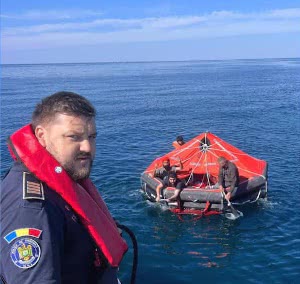
Naval drone found in Romanian port of Constanta
Bucharest
The device self-destructed without causing any casualties.
HJSC receives approval in principle for the construction of a 10,000 TEU biofuel containership.
Athens
It was released from the Korean Naval Register
Global Ship Lease invests $917 million to purchase ten new container ships
Athens
They will be delivered between the fourth quarter of 2028 and the first quarter of 2030.
PORTS
Italian Ports:
Ancona Genoa Ravenna
Augusta Gioia Tauro Salerno
Bari La Spezia Savona
Brindisi Leghorn Taranto
Cagliari Naples Trapani
Carrara Palermo Trieste
Civitavecchia Piombino Venice
Italian Interports: list World Ports: map
DATABASE
ShipownersShipbuilding and Shiprepairing Yards
ForwardersShip Suppliers
Shipping AgentsTruckers
MEETINGS
The Federagenti assembly will be held in Civitavecchia on July 3rd.
Rome
Pessina: We will not discuss regulations, community relations, or the pursuit of theories and bureaucracy, but rather the challenges of Italian port infrastructure.
Tomorrow in Sant'Agnello (Naples) the inauguration event of the Italy Branch of The Nautical Institute
London
The topics of discussion will include energy transition in the maritime industry, maritime education and training.
››› Meetings File
PRESS REVIEW
World's first floating fusion reactor-powered vessel could become reality with new project
(Interesting Engineering)
Shipbuilding's Spring Illusion: Backbone Collapses
(The Chosun Daily)
››› Press Review File
FORUM of Shipping
and Logistics
Intervento del presidente Tomaso Cognolato
Roma, 19 giugno 2025
››› File
WASS (Fincantieri) and Magellan Agreement on Canada's Underwater Defense
Trieste
Industrial cooperation opportunities in the field of heavy torpedoes and countermeasures will be explored
Solutions to overcome the chronic staff shortage in the Italian maritime sector
Procida
Pagano (Maritime Labor Committee): Digitalization, simplification, and cooperation between training and businesses to overcome the crisis
Maritime training agreement signed by Gente di Mare (Cosulich) and Carnival
Genoa
Di Tizio: This collaboration allows us to bring an international project to the territory
Antipollution (V.Group) orders four eco-friendly vessels from ONEX Shipyards & Technologies
Athens
Option for four additional units
Luigi Merlo to lead MSC Cruises' Italian cruise terminal company
Geneva
Centrone (formerly Fincantieri) takes over as Director of Maritime Policies and Government Affairs for the group in Italy
Spinelli has ordered three new handling vehicles from FTMH
Genoa
A reach stacker for empty containers has already entered service in the group's Livorno depot
Greece's Skaramangas Shipyards and South Korea's HD Hyundai sign cooperation agreement
Athens
The aim is to collaborate in the construction of surface military vessels
AD Ports buys the Brazilian Corredor Logística e Infraestrutura
Sao Paulo/Abu Dhabi
The company handles the largest volume of agri-food bulk exports in the South American nation
The 2026-2028 Three-Year Operational Plan of the Northern Tyrrhenian Port Authority has been approved.
Livorno
Unanimous approval from the Management Committee
Chen Lichtenstein appointed president and CEO of ZIM
Haifa
He will replace the resigning Eli Glickman.
Gianluca Croce has been confirmed as president of Assagenti Genova.
Genoa
The members of the association's board for the two-year period 2026-2028
The Mega Serena ferry has joined the Corsica Sardinia Ferries fleet.
Vado Ligure
It has a capacity of up to 2,000 passengers and over 600 vehicles.
The first steel cutting of the Crystal Grace cruise ship took place in Marghera.
Miami
Fincantieri will deliver the vessel in spring 2028
Palumbo Superyacht awarded 13,048 square meters of mooring space to the Port of Ortona.
Ancona
Central Adriatic Port Authority, guidelines for issuing the single ZES authorization
Port of Livorno: Two new FHP MarterNeri warehouses inaugurated
Livorno
Investment exceeding 23 million euros
The Committee of the Central Northern Tyrrhenian Sea Port Authority has decided to close the institution's state of crisis.
Civitavecchia
New solution for exceptional transport on intermodal trains from FS Logistix and Van der Vlist
Verona
Two aerial platforms transported from Verona to Rostock
Port of Naples: Fire aboard GNV's Phoenix ferry
Naples
Flames broke out in the internal areas of deck 6 of the ship
Latrofa has chosen a trusted individual to lead an in-house company within the Lazio Port Authority.
Civitavecchia
The new sole director - he underlined - has been provided with particularly stringent management guidelines
In the first three months of 2026, MPC Container Ships' revenues decreased by -6.4%.
Oslo
Quarterly net income of $40.8 million (-31.8%)
The 2026-2028 Three-Year Operational Plan of the Sardinian Port Authority has been approved.
Olbia
Green light from the Management Committee
The environmental assessment process for the San Antonio Outer Harbor project has been completed.
Saint Anthony
The Viking Mira cruise ship was delivered at the Fincantieri shipyard in Ancona
Ancona/Los Angeles
It has a gross tonnage of 54,300 tons and a capacity of 998 passengers.
In 2025, RINA recorded revenues of over one billion euros (+11%)
Genoa
Net profit up 30%
The new railway bridge has been installed at the Port of Marina di Carrara.
Marina di Carrara
Pisano: A turning point in the port's logistics organization.
Ports, freight terminals, and corridors. Venice and the Upper Adriatic as a gateway to the East.
Venice
This is the theme of the event that will be held on Thursday in Venice
Estonian State Fleet orders electric-powered ferry from Polish shipyard Crist
Tallinn
Contract worth 49.93 million euros
In April, Spanish ports handled 1.7 million containers (+1.7%)
Madrid
Cruise passengers down by -18.4%
Container traffic in the port of Valencia decreased by 2.5% in April
Valencia
In the first four months of 2026, almost 1.8 million TEUs were handled (+0.2%)
Global Ship Lease posts record quarterly revenues again
Athens
Net profit down 24.0%
International cooperation between the Sardinian Port Authority and the Port of Tangier Ville for luxury yachting
Cagliari
Promotion of an integrated nautical circuit between Sardinia and Morocco
The new first aid medical center has been inaugurated in the port of Gioia Tauro
Gioia Tauro
Among the facilities, a first aid clinic and a CMR ambulance
BPER provides financing to Grimaldi Euromed for fleet modernization.
Milan/Naples
Resources used to partially cover the purchase of the ship "Grande Manila"
ASRY and Priya Blue establish ship recycling yard in Bahrain
Al Muharraq/Alang
First ship destined for dismantling has arrived in the Middle Eastern nation
- Via Raffaele Paolucci 17r/19r - 16129 Genoa - ITALY
phone: +39.010.2462122, fax: +39.010.2516768, e-mail
VAT number: 03532950106
Press Reg.: nr 33/96 Genoa Court
Editor in chief: Bruno Bellio
No part may be reproduced without the express permission of the publisher
Search on inforMARE Presentation
Feed RSS Advertising spaces

inforMARE in Pdf
Mobile