Not only so far it took a long time - decades, not days most days - to travel the road that should lead to the effective launch of work on the construction of the Third Rail Pass Genoa-Milan, but the way to achieve the goal was so "Zigzag," that is drawn according to directions sometimes quite contradictory, which is now better to stop and, before opening the sites, clear record of what happened earlier, avoiding possible side-effects, and entrust the execution of the work through a European tendering procedure of evidence. This, in brief, is the juice of a question that Senator Enrico Musso deposit in the Senate tomorrow and will then be submitted to the Minister of Infrastructure and Transport, Matteoli.
The question which we publish below, was brought forward to the press this morning at Musso with the help of some slides that show the path to "zig" and "zags" that led to today's stalemate. All steps necessary to realize the work has been made and - and reminded Senator Giuseppe Giacomini, senior partner of law firm Conte & Giacomini, who helped draft the document - there is no consensus for its implementation of all institutions and local authorities.
According to the government's work, which the latest estimates say will cost 6.2 billion euros, giving the course will be started for the first lot of work for 500 million euros, about 719 million euros earmarked for the project so far, will be resolved as soon as the dispute between the buyer Italian Railway Network (RFI), a subsidiary of the State Railways, and the general contractor COCIV. A commercial cases worth about one billion euros (700 million requested by the COCIV), which were resulted from the last meeting between the parties, the consortium could melt COCIV with a guarantee of the government even custody of the second batch of constructive value of 1.1 billion euros.
The detailed questioning by Enrico Musso traces the winding road on which the project has proceeded in the third passage and asks the minister to illuminate many obscure points of the story, including the recent arbitration proceedings which sees opposing COCIV and RFI. A tangled affair that the senator did not hesitate to describe as "a mess". A coil that can not be dissolved - and the lawyer Giacomini Musso seconds - if not cutting the wire. Pena is also a likely new infringement proceedings by the European Commission as the Italian government in 2002, proposing the Law 166/2002 (related infrastructure), the repeal of paragraph 2 of Article 131 of the Finance Act 2001, allowed the assignment of works without a European race, in violation of the law.
In order to open as soon as possible sites for the construction of the third passage, the work - said Musso - essential for the development of the Italian economy, the senator will ask the Minister Matteoli what steps the Government intends to take, "taking into account - the precise 'question - that must be urgently closed litigation against payment of a sum not exceeding the costs incurred by dealers and general contractors, if necessary, to give a limited and proportionate to the criteria defined by the Advocate General of the Court of Justice, a race must urgently be ready for the trust of community work in a clear regulatory framework and in conformity with Community law in order to avoid any future litigation that legitimately could be raised by third parties, should establish a commission of inquiry to clarify the reasons that led to a sequence and contract law, which is frankly abnormal, must report the contents of this story book to the judiciary and, eventually, the courts (including criminal) jurisdiction. "
The key stages of the path to "zig zag" of the project third passage Giovi
.
Stages relevant aviation: 1 (Zig)
1990: Minister of Transport Decree (30/04/1990 n.48T) provides the AV system
1991: Constitution TAV SpA
1991: Grant to TAV and general contractors selected without competitive
MT 'Railway (RFI) "TAV" general contractors "contractors
Stages relevant aviation: 2 (Zag)
Budget 2001 (l.338/2000): - Application of Community rules for routes with works not yet started and no fees defined - Obligation to make European races TAV - Withdrawal of Concessions
Stages relevant aviation: 3 (Zig)
Law 166/2002 "related facilities" (Article 11): - Repealed custody under the Finance Act 2001 by European race - They return in force to the concessions of 1991/1992 general contractors - EU infringement procedure for discrimination on grounds of nationality ("the most important Italian industrial groups")
Stages relevant aviation: 4 (Zag)
Law 40/2007 (Law converts the DL 7 / 2007): - Revoked concessions to TAV and general contractors - Reimbursement of actual costs only, with new restrictions on retroactive compensation in the determination - Appeal to the Lazio Regional Administrative Court of the consortia and general contractors license suspension of - Lazio question devolves to the European Court
The European Court
Case C-351/07 - Advocate General on 11/9/2008 - Community interest in a market free from discrimination - The beneficiary may object to a correction that subtracts an advantage only if it is in good faith on the regularity of the measures previously in force - Clear the existence of a protectionist intent - Concerns about the existence of good faith - Advocate General on 11/9/2008: EU rules do not prevent the withdrawal of concessions, contrary to the Treaty (Article 10) requires the immediate termination of a contract that violates the law - It is a legitimate limitation of damages in this case because the dealers can not plead good faith and legitimate expectations in so clear a violation of Community law
After the Advocate General in October 2008 the applicants give up because both the administrative decision without waiting for
Consequently, the proceedings before the EC is extinguished
Stages relevant aviation: 5 (Zig)
Law 133/2008 (converted into law DL 112/2008): - Repeal of Decree 7 / 2007 and Law 40/2007 and restore the conventional ratios 1991/1992 - The legislation was repealed exactly what the Government had adopted in order to go meet the demands of the European Commission during the infringement procedure
The arbitration award
After the termination of administrative proceedings and the European Union: - The parties have recourse to arbitration, as we read in the media, could result in an indemnity of one billion euros.
The query
Why: - Repeal of Art. 131 2001 Finance in breach of Community law (infringement procedure) - Repeal l. 40/2007 which was adequate to Community obligations after the infringement procedure - Waiver of the administrative case before the Lazio Regional Administrative Court after the Advocate General of the European Court
The Government informed the Commission of the 2008 legislation that restores the pre-existing conditions
Extent of costs incurred by the consortia dealers
Why is delegated to the dispute arbitration after giving up because administrative
Which items are the amounts related to amount to one billion euros
What action the Government intends to implement in order to start work quickly reach
Interrogazione a risposta orale:
MUSSO - Al Ministro delle Infrastrutture e dei trasporti -
Premesso che:
agli inizi degli anni Novanta le Autorità italiane decidevano di realizzare una rete ferroviaria ad alta velocità. Gli atti rilevanti riferiti a tale progetto sono stati i seguenti relativi alla fase di avvio:
- decreto del Ministro dei trasporti 30 aprile 1990, n. 48/T recante l'approvazione del piano di ristrutturazione e sviluppo dell'Ente Ferrovie dello Stato, adottato con delibera n. 310/AS in data 15 novembre 1989, nel quale erano già contenuti gli interventi del sistema dell'alta velocità;
- contratto di programma per l'anno 1991/1992, sottoscritto il 23.01.1991 dal Ministro dei trasporti e dall'Amministratore straordinario dell'Ente Ferrovie dello Stato per la determinazione, oltre al resto, degli impegni di spesa relativi al sistema dell'alta velocità;
- decreto del Ministro dei trasporti con cui si autorizza l'Ente Ferrovie dello Stato alla costituzione della TAV S.p.a. (di seguito TAV).
A seguito di tali provvedimenti, l'amministratore straordinario dell'Ente Ferrovie dello Stato con la delibera del 7.08.1991, attraverso un atto di concessione, ha affidato alla TAV, costituita dall'Ente medesimo, la progettazione esecutiva, la costruzione e lo sfruttamento economico delle opere relative al sistema dell'alta velocità. Tale delibera demandava ad una convenzione attuativa il compito di definire criteri, termini e modalità dell'affidamento. Dalla disciplina di attuazione del 24 settembre 1991 risulta che la concessionaria TAV doveva adempiere ai propri obblighi avvalendosi di general contractors facenti parte della cerchia dei principali gruppi industriali italiani, ovvero di imprese garantite integralmente da questi. Venivano quindi scelti (senza gara) i general contractors (Consorzi CEPAV DUE -ENI per l'Alta Velocità, COCIV, IRICAV DUE, IRICAV UNO e CEPAV UNO) ed erano stipulate con ciascuno le singole convenzioni, tutte di pari data e di identico contenuto. L'Ente Ferrovie dello Stato affidava con convenzione del 24.09.1991 il presidio dell'area tecnologica, ingegneristica e sistemica, nonché il controllo della fase esecutiva di realizzazione del progetto ad una propria controllata, la Italferr.
Il sistema si articolava in quattro ordini di rapporti intersoggettivi:
- Ministero dei trasporti - Ente Ferrovie dello Stato (in seguito RFI S.p.A.): questo rapporto secondo il Consiglio di Stato era caratterizzato da natura pubblicistica (concessoria);
- R.F.I. S.p.A. - TAV: anche questo nasceva come rapporto di natura pubblicistica e poi mutava la propria connotazione a seguito della trasformazione dell'Ente Ferrovie dello Stato in società privata;
- TAV - general contractors (individuati ai fini della realizzazione delle singole tratte ad alta velocità), il cui rapporto aveva origine da contratti “innominati di servizi e prestazioni”, rientranti nei cd. “settori esclusi”, definiti dal Consiglio di Stato come “contratti atipici” ai sensi dell'articolo 1322 comma 2 c.c.;
- in ultimo, i contratti di appalto d'opere con cui i general contractors affidavano a singole imprese appaltatrici una parte dei lavori.
I general contractors assumevano pertanto, da un lato, la veste di appaltatori rispetto alla TAV per le quote di lavori eseguibili direttamente, dall'altro di committenti nei confronti delle imprese terze per la parte rimanente di opere da eseguire. Nel 1998 l'Ente Ferrovie dello Stato - ormai trasformatasi in società per azioni - ha acquisito il controllo del 100% della società TAV. L'atto di concessione del Ministero dei trasporti del 26.11.1993 (decreto n. 225 T) consentiva alla società F. S. S.p.A., nella su qualità di concessionaria, di proseguire il rapporto convenzionale con TAV. In ultimo è da menzionare il decreto del Ministro dei trasporti del 31.10.2000 n. 138/T con il quale è stata rilasciata a FS la concessione per la gestione dell'infrastruttura ferroviaria nazionale nonché l'autorizzazione alla costituzione di altre società per la gestione dell'infrastruttura, a cui sono stati trasferiti i compiti relativi all'atto concessorio del 26.11.93 sui rapporti con TAV; con la legge finanziaria 2001 (art. 131), Governo Amato, veniva disposta l'applicazione della normativa comunitaria e nazionale in materia di appalti pubblici ai lavori di costruzione delle tratte ad alta velocità, nello specifico per i lavori non ancora iniziati alla data di entrata in vigore della legge, i cui corrispettivi - ancorché determinabili - non fossero stati definiti. Contestualmente veniva disposta la revoca delle concessioni rilasciate dall'Ente Ferrovie dello Stato alla TAV per la parte concernente i lavori in questione, ad eccezione di quelli per i quali fosse stata applicata o fosse applicabile la disciplina generale relativa all'affidamento dei lavori pubblici.
Nel complesso la disposizione comportava l'obbligo per TAV di effettuare gare d'appalto europee per la realizzazione o il completamento di lavori individuati dallo stesso articolo 131, facendo venire meno il rapporto tra TAV e i general contractors;
poco dopo, la legge n. 166/2002 (cd. collegato infrastrutture), art. 11, Governo Berlusconi, abrogava il comma 2 dell'articolo 131 della legge finanziaria 2001. Tale abrogazione ha fatto venir meno la parte della norma relativa all'affidamento dei lavori mediante gara europea, comportando la riaffermazione, per quanto riguardava le tratte ad alta velocità, della validità del meccanismo della concessione alla società TAV. Da ciò derivava che le concessioni rilasciate nel lontano 1991 alla TAV ed i sottostanti rapporti di general contracting instaurati dalla medesima potevano proseguire;
a seguito dell'entrata in vigore di tale ultima disposizione, la Commissione Europea notificava allo Stato italiano una lettera di messa in mora dando avvio ad una procedura di infrazione in ordine alla previsione, contenuta nella Convenzione siglata tra FS e TAV nel 1991, di general contractors facenti parte della cerchia dei principali gruppi industriali italiani ovvero di imprese garantite integralmente da questi. In tale procedura è stato posto in evidenza come, nonostante all'epoca non fosse ancora applicabile la direttiva n. 90/531/CEE, il cui termine di attuazione scadeva l'1.1.1993, la suddetta previsione costituiva una palese violazione del divieto di discriminazione in base alla nazionalità nell'area della libera prestazione dei servizi (art. 49 TCE oggi 56 TFUE).
Tale procedura si è poi conclusa con l'accoglimento da parte della Commissione, il 16.03.2005 della proposta di soluzione elaborata dal Governo italiano, che sostanzialmente ha assunto l'impegno, in riferimento alle tratte già affidate a general contractors, di affidare a terzi una significativa quota delle opere civili e di armamento, mediante procedure di gara e ponendo a base di queste lotti di valore tale da interessare imprese comunitarie;
interveniva quindi, finalmente, il d.l. n. 7/2007, convertito nella legge n. 40/2007 (articolo 13, commi 8 - quinquiesdecies e seguenti), governo Prodi. Tale nuova normativa agiva sull'articolo 11 della legge 166/2002 di cui al punto che precede e, sostanzialmente, riportava la normativa nazionale a criteri di conformità con quella comunitaria. Veniva infatti disposto, fra l'altro, che la realizzazione del sistema dell'Alta velocità dovesse avvenire attraverso gare pubbliche di rilevanza comunitaria e che venissero revocate le concessioni rilasciate dall'Ente ferrovie dello Stato a TAV S.p.A. il 7 agosto 1991 per la tratta Milano-Verona e la sub-tratta Verona-Padova ed il 16 marzo 1992 per la linea Milano-Genova comprensiva delle relative interconnessioni e successive loro integrazioni e modificazioni. Veniva poi anche disposta la revoca dell'autorizzazione rilasciata al concessionario della Rete Ferroviaria italiana S.p.A. nella parte in cui consentiva di proseguire nel rapporto convenzionale con la società TAV s.p.A., relativo alla progettazione e costruzione della linea Terzo Valico dei Giovi/Milano-Genova nonché della tratta Milano-Verona e della sub-tratta Verona-Padova.
Il comma 8 - septiedecies disponeva poi in tema di rimborsi degli oneri delle attività progettuali e preliminari ai lavori di costruzione oggetto di revoca, stabilendo che: “La Ferrovie dello Stato S.p.A. provvede direttamente o tramite societa' del gruppo all'accertamento e al rimborso, anche in deroga alla normativa vigente, secondo la disciplina di cui al comma 8-duodevicies, degli oneri delle attivita' progettuali e preliminari ai lavori di costruzione oggetto di revoca nei limiti dei soli costi effettivamente sostenuti, adeguatamente documentati e non ancora rimborsati alla data di entrata in vigore del presente decreto”.
Il successivo comma 8 - duodevicies aggiungeva quindi all'articolo 21 - quinquies della legge 7 agosto 1990 n. 241 (legge generale sul procedimento amministrativo) un comma 1 bis, in tema di revoca di un provvedimento amministrativo, introducendo alcune limitazioni all'obbligo di indennizzo da parte dell'amministrazione qualora la revoca comporti pregiudizi a danno dei soggetti direttamente interessati. Tale comma prevedeva che: “1-bis. Ove la revoca di un atto amministrativo ad efficacia durevole o istantanea incida su rapporti negoziali, l'indennizzo liquidato dall'amministrazione agli interessati e' parametrato al solo danno emergente e tiene conto sia dell'eventuale conoscenza o conoscibilità da parte dei contraenti della contrarietà dell'atto amministrativo oggetto di revoca all'interesse pubblico, sia dell'eventuale concorso dei contraenti o di altri soggetti all'erronea valutazione della compatibilita' di tale atto con l'interesse pubblico”.
Considerato che:
A seguito dei provvedimenti con cui il Ministero dei trasporti e RFI hanno dato applicazione alla citata normativa e consistenti:
- da un lato nella revoca delle concessioni rilasciate dall'Ente Ferrovie dello Stato alla TAV il 7.08.1991 limitatamente alla tratta Milano-Verona, Verona-Padova e alle relative interconnessioni e il 16.03.1992 riguardante la linea Milano-Genova comprensiva delle relative interconnessioni, e successive loro modifiche ed integrazioni;
- dall'altro nella revoca dell'autorizzazione rilasciata a RFI all'articolo 5 del decreto del Ministro dei Trasporti 31.10.2000 n. 138T, nella parte in cui consente di proseguire nel rapporto convenzionale con la TAV relativamente alla progettazione e costruzione della linea Terzo Valico dei Giovi/Milano-Genova, della tratta Milano-Verona e della tratta Verona-Padova. I consorzi IRICAV DUE, CEPAV DUE e COCIV hanno proposto ricorso per l'annullamento di tali provvedimenti davanti al TAR Lazio, sez. I, contestando, in particolare l'illegittimità per violazione del diritto comunitario (artt. 43, 49 e 56 TCE - oggi artt. 49, 56 e 63 TFUE - nonché principi stabiliti nel trattato in tema di revoche) e l'illegittimità costituzionale, per violazione degli artt. 3, 24, 41, 97 e 113 della Costituzione, della legge n. 40/2007. Parti convenute erano la Presidenza del Consiglio dei Ministri, il Ministero dei Trasporti RFI S.p.A. e TAV S.p.A.;
il TAR Lazio, nel maggio 2007, ha pronunciato un'ordinanza in Camera di consiglio con la quale ha:
devoluto alla Corte di giustizia della Comunità europea, ai sensi dell'art. 234 del TCE (oggi art. 267 TFUE), la seguente questione pregiudiziale relativa all'esatto ambito applicativo dell'art. 13, commi 8-quinquiesdecies, 8-sexiesdecies e 8-duodevicies, del d.l. n. 7/2007, convertito, con modificazioni, dalla l. n. 40/2007: “se la disposizione di cui all'art. 12 del decreto legge 31 gennaio 2007 n. 7 convertito, con modificazioni, nell'art. 13 della l. n. 40/2007, nella parte in cui prevede la revoca delle concessioni relative alla realizzazione delle tratte ferroviarie ad alta velocità ivi indicate, con estensione dei relativi effetti alle convenzioni stipulate con i general contractor, nonché nella parte in cui limita l'indennizzo riconoscibile in favore di questi ultimi secondo quanto stabilito dal comma 8-duodevicies, sia in contrasto con le prescrizioni di cui agli artt. 43, 49 e 56 del trattato, nonché con i principi comunitari in materia di certezza del diritto e di tutela dell'affidamento (..)”;
concesso la “sospensiva” all'esecuzione degli atti impugnati (quelli adottati in conseguenza della revoca delle concessioni, indicati al punto 6 dell'ordinanza del TAR);
sospeso il giudizio relativo ai ricorsi fino alla pronuncia della Corte di giustizia sulla questione pregiudiziale.
In tale ordinanza il TAR ha posto dubbi sulla compatibilità delle suddette disposizioni con gli articoli del Trattato comunitario che vietano restrizioni alle libertà di stabilimento, circolazione dei servizi e dei capitali, impedendo - sulla base del principio di parità di trattamento - anche discriminazioni nel caso di imprese appartenenti allo stesso Stato membro. Nella sua lunga e dettagliata ordinanza il TAR sviluppa molti profili di diritto atti a suscitare dubbi concernenti norme e principi dell'ordinamento comunitario la cui interpretazione pregiudiziale da parte della Corte UE, secondo il TAR, era essenziale per pronunciare la sentenza nel giudizio nazionale davanti a sé pendente. Uno dei punti devoluti alla decisione della Corte di giustizia era quello relativo ai principi comunitari della tutela del legittimo affidamento e della certezza del diritto in relazione ad una normativa nazionale che disponeva limitazioni all'indennizzo dovuto dallo Stato italiano a favore dei consorzi ricorrenti le cui concessioni erano state revocate con effetto retroattivo.
Osservato che:
la domanda di pronuncia pregiudiziale presentata dai giudici del TAR Lazio nel maggio 2007 ha dato il via alla causa davanti alla Corte di giustizia C-351/07. Nella decisione del giudice del rinvio era contenuta anche una specifica richiesta fatta alla Corte di trattare la domanda pregiudiziale secondo un procedimento accelerato, ai sensi dell'art. 104 bis, primo comma del regolamento di procedura di quest'ultima ma tale domanda non veniva accolta dalla Corte;
nel corso del procedimento davanti alla Corte, l'Avvocato generale presentava le sue conclusioni scritte in data 11.09.2008. Su tale punto si precisa che la Corte di giustizia è assistita da otto avvocati generali scelti tra personalità che offrano garanzie di indipendenza e riuniscano le condizioni richieste nei rispettivi Paesi per le più alte funzioni giurisdizionali, ovvero giureconsulti di notoria competenza. Il ruolo degli Avvocati generali è quello di presentare pubblicamente conclusioni scritte e motivate nelle cause che “conformemente allo statuto della Corte di giustizia dell'Unione europea richiedono il suo intervento” (art. 252 TFUE). Tale soggetto riveste la funzione di amicus curiae e di difensore, non di una parte, bensì del diritto.
E' anche opportuno sottolineare che le conclusioni dell'Avvocato generale vengono molto spesso accolte nella sentenza della Corte. Fra la presentazione delle conclusioni e la sentenza decorrono pochi mesi. Premessi tali sintetici cenni sulla funzione dell'Avvocato generale, notiamo che nel caso di specie tale autorevolissimo soggetto, nella parte iniziale della valutazione sulla questione pregiudiziale, afferma di voler includere nella sua analisi anche la disposizione concessoria del 1991, ritenendo che “la prospettiva, così come illustrata dal giudice del rinvio ed anche accolta dai consorzi coinvolti nel procedimento principale e persino dalla Commissione, sfiora solo la superficie della controversia che caratterizza siffatto procedimento, in quanto non tiene conto della situazione di partenza della cui cessazione attualmente si dibatte”. Con questa ottica più completa della questione sottoposta alla sua analisi, che comprende la concessione, atto iniziale, l'Avvocato generale è in condizione di poter affermare, da un lato che “l'interesse della Comunità ad una situazione di mercato libera da discriminazioni deve essere preso pienamente in considerazione nella valutazione degli interessi contrapposti” dall'altro che “il beneficiario può opporsi ad una correzione che gli sottrae un vantaggio di cui ha goduto fino a questo momento solo a condizione che sia in buona fede circa la regolarità della misura”. Sulla base di tali premesse, dopo aver affermato che dal testo della disposizione di cui alla concessione iniziale “emerge chiaramente anche la sussistenza, nella specie, di un intento protezionistico” e che “dalla giurisprudenza formatasi fino ad oggi risulta che il beneficiario può opporsi ad una correzione che gli sottrae un vantaggio di cui ha goduto fino a questo momento solo a condizione che sia stato in buona fede circa la regolarità della misura”, l'Avvocato generale esprime le proprie perplessità circa la sussistenza di tale buon fede con riferimento agli argomenti relativi al legittimo affidamento. Egli afferma infatti: “A mio avviso non convincono, in linea di principio, argomenti come quello concernente la tutela del legittimo affidamento invocato dai consorzi coinvolti.” L'Avvocato generale conclude poi affermando che “La prima parte della questione pregiudiziale deve pertanto essere risolta nel senso che gli artt. 43, 49 e 56 CE non ostano, in linea di principio, ad una disciplina nazionale come quella in oggetto, laddove con essa vengano revocate, estendendone gli effetti ai contratti stipulati con i general contractors, le concessioni per la realizzazione di tratte ferroviarie ad alta velocità. Al contrario, siffatte disposizioni del Trattato, in combinato disposto con l'art. 10 CE, impongono l'immediata cessazione e correzione dell'attribuzione di un appalto, laddove essa violi tali disposizioni. In assenza di indicazioni precise di diritto comunitario, la necessaria correzione ha luogo a norma del diritto nazionale, fatti salvi tuttavia i limiti posti dal diritto comunitario”;
dopo la presentazione delle conclusioni, nell'ottobre 2008, senza attendere la sentenza della Corte di giustizia ormai imminente, le parti ricorrenti, che avevano proposto i tre ricorsi riuniti davanti al TAR per l'annullamento dei provvedimenti sopra visti, con i quali era stata data applicazione all'articolo 12 del d.l. 31 gennaio 2007 convertito con modificazioni nell'articolo 13 della legge 2 aprile 2007, n. 40, hanno presentato istanza dichiarando “il loro intendimento di non annettere interesse alcuno all'ulteriore prosecuzione delle controversie incardinate con la proposizione degli atti introduttivi dei giudizi come sopra riuniti”. Le parti convenute (Presidenza del Consiglio, Ministero dei trasporti, RFI e TAV) facevano acquiescenza a tale rinuncia;
va a questo punto rimarcato che, nel frattempo, era entrata in vigore la legge n. 133 del 6 agosto 2008 di conversione del decreto legge n. 112 del 25 giugno 2008, Governo Berlusconi, recante “Disposizioni urgenti per lo sviluppo economico la semplificazione, la competitività, la stabilizzazione della finanza pubblica e la perequazione tributaria”, che all'articolo 12 aveva sancito l'abrogazione degli effetti dell'art. 13 della legge 40/2007 (che aveva dato attuazione al d.l. 7/2007) disponendo la prosecuzione, senza soluzioni di continuità, nei confronti di RFI S.p.A., dei rapporti convenzionali stipulati dalla TAV in data 15 ottobre 1991 e 16 marzo 1992 con i contraenti generali. Si ricorda che proprio la legge 40/2007 attuativa del d.l. 7/2007 era esattamente la normativa che il Governo (Prodi) aveva emanato per andare incontro alle richieste della Commissione Europea.
E sulla base di questa normativa erano state appunto revocate le concessioni ed erano stati posti dei limiti al risarcimento;
a questo punto, tornando al profilo relativo alla rinuncia al giudizio davanti al Tar, paiono utili alcune precisazioni:
il fatto che la norma sulla base della quale il giudizio davanti al Tar si era instaurato fosse stata abrogata non rendeva automaticamente inevitabile una rinuncia al giudizio medesimo per cessazione della materia del contendere. Poteva infatti risultare comunque necessaria una pronuncia con riferimento alle situazioni maturate nella vigenza della legge successivamente abrogata. Ciò in particolare tenuto conto del fatto che era stata sollevata una questione interpretativa pendente davanti alla Corte di giustizia e che tale questione interpretativa appariva essenziale per chiarire se la normativa nazionale posta alla base del giudizio pendente fosse conforme all'ordinamento comunitario così come, d'altronde, la stessa Commissione europea aveva riconosciuto rinunciando, a suo tempo, alla procedura di infrazione, che aveva aperto nei confronti dello Stato italiano. Ciò a maggior ragione tenuto conto del fatto che la normativa sopravvenuta ripristinava proprio quella situazione normativa che aveva indotto la Commissione ad aprire la citata procedura di infrazione.
la rinuncia a un giudizio amministrativo è possibile ma richiede il consenso della parte convenuta, consenso che è stato dato,
il venir meno del giudizio nazionale da cui proviene la questione pregiudiziale comunitaria deve essere comunicato alla Corte di giustizia,
la Corte di giustizia, preso atto del venir meno del giudizio nazionale, deve subito cancellare dal ruolo la causa comunitaria;
a seguito di tali istanze, pertanto, il TAR con provvedimento del 5 novembre 2009, preso atto della rinuncia delle parti al giudizio davanti a sé, ha dato la dovuta comunicazione alla Corte di giustizia ed ha conseguentemente ritirato la richiesta di pronuncia pregiudiziale formulata con ordinanza n. 880 del 23 maggio 2007. La Corte di giustizia ha quindi dovuto cancellare la causa dal ruolo;
risulta che, in esito alla rinuncia al giudizio davanti al TAR Lazio, si è instaurato fra le parti un arbitrato che, a quanto si legge sulla stampa specializzata, potrebbe concludersi con un indennizzo di 1 miliardo di Euro.
Nel frattempo l'opera infrastrutturale, essenziale all'economia italiana e genovese, è bloccata.
Considerato infine che:
il tema investe una questione strategica per l'economia italiana ed assolutamente vitale per la città di Genova ed il suo porto con particolare riferimento al cd. “Terzo valico” che dovrebbe collegare la città al cd. “corridoio 24” delle reti transeuropee. Gli incredibili ritardi, forse irreparabili, alla realizzazione di quest'ultima opera risultano infatti strettamente connessi sia all'anomalia del quadro giuridico nazionale succedutosi nel tempo, sia ai contratti stipulati fra le parti, sia ai contenziosi che ne sono derivati nell'ambito dei quali si rendono indispensabili informazioni complementari necessarie per capire le ragioni della loro condotta sia nell'ambito del giudizio davanti al TAR del Lazio sia nelle fasi prodromiche e successive.
Per sapere:
A) Quali ragioni abbiano indotto il Governo italiano nel 2002 a proporre nella legge 166/2002 (collegato infrastrutture) l'abrogazione del comma 2 dell'articolo 131 della legge finanziaria 2001 consentendo così, in violazione del diritto comunitario, l'affidamento dei lavori senza gara europea e ripristinando quindi una situazione di illegittimità sul piano dell'obbligatorio rispetto del diritto comunitario.
B) Quali ragioni abbiano indotto il Governo italiano a proporre la conversione in legge del d.l. 112/2008 con il quale veniva abrogata la disposizione della legge 40/2007, che si era adeguata agli obblighi comunitari in materia disponendo la necessità di procedere con gare comunitarie e disponendo un tetto ai risarcimenti eventualmente dovuti a coloro che avessero ottenuto senza gara le concessioni che, per tale motivo, venivano revocate.
C) Quali ragioni abbiano indotto il Governo italiano, RFI e TAV a rinunciare al giudizio nazionale davanti al TAR Lazio dopo che, nella causa incidentale davanti alla Corte di giustizia UE, l'Avvocato generale della Corte aveva depositato le sue conclusioni scritte affermando che, secondo il diritto comunitario, (i) la normativa nazionale che aveva affidato le concessioni senza gara era illegittima (ii) le concessioni dovevano essere revocate (iii) che in un quadro di grossolana violazione del diritto comunitario i concessionari non potevano invocare i principi di buona fede e del legittimo affidamento e (iv) che pertanto un limitazione del risarcimento prevista dalla normativa nazionale in esame era giustificata e legittima.
D) Se il Governo italiano abbia informato la Commissione in ordine al contenuto della normativa (d.l 112/2008) che ripristinava una situazione contraria ai principi dell'ordinamento comunitario. Ciò tenuto anche conto del fatto che la materia era già stata oggetto di una procedura di infrazione da parte della Commissione e tenuto conto altresì che la Commissione aveva ritenuto di chiudere detta procedura proprio per il fatto che lo Stato italiano aveva introdotto una normativa (legge 40/2007) rispondente ai principi comunitari. Normativa che proprio con il d.l. 112/2008 veniva abrogata.
E) Quale fosse l'entità dei costi sostenuti dai consorzi concessionari al momento della revoca delle concessioni e quale l'entità del risarcimento del danno loro eventualmente dovuto secondo i criteri limitativi di cui alla legge 40/2007 ritenuti conformi all'ordinamento comunitario secondo le conclusioni scritte depositate l'11 settembre 2008 dall'Avvocato generale della Corte di giustizia.
F) Quali siano le ragioni per le quali si è deciso fra le parti di demandare a decisione arbitrale la controversia, quali siano i quesiti formulati, quale la procedura di designazione degli arbitri, quali i nomi degli Avvocati delle Parti, quali i nomi dei Consiglieri di amministrazione dei consorzi general contractors, quali i nomi dei Consiglieri di amministrazione e dei consulenti legali delle singole imprese partecipanti ai singoli consorzi, quale sia lo stato della procedura arbitrale.
G) A quali voci di danno siano riferibili gli importi che, al di là dei costi documentati, la stampa specializzata riferisce possano essere riconosciuti a favore dei concessionari general contractors fino all'ammontare di un miliardo di euro.
H) Quali sino le iniziative immediate ed effettive che il Governo italiano intenda assumere al fine di permettere il più rapido avvio dei lavori per la realizzazione del cd. “Terzo valico”, tenuto conto del fatto che (i) deve essere urgentemente chiuso il contenzioso in essere dietro pagamento di una somma che non sia superiore ai costi sostenuti dai concessionari general contractors ed, eventualmente, ad un danno limitato e proporzionato ai criteri definiti dall'Avvocato generale della Corte di giustizia; (ii) deve urgentemente essere disposta una gara comunitaria per l'affidamento dei lavori in un quadro normativo chiaro e conforme al diritto comunitario onde evitare ogni futuro contenzioso in materia che, legittimamente, potrebbe essere sollevato da soggetti terzi; (iii) dovrà istituirsi una Commissione di inchiesta per chiarire le ragioni che hanno determinato una sequenza normativa e contrattuale, che appare francamente anomala; (iv) dovrà segnalarsi il contenuto della presente vicenda alla Magistratura contabile ed, eventualmente, all'Autorità giudiziaria (anche penale) competente.
Musso
[Si allegano, al momento, l'ordinanza Tar n. 880 del 23 maggio 2007 e le conclusioni dell'Avvocato generale della Corte UE].
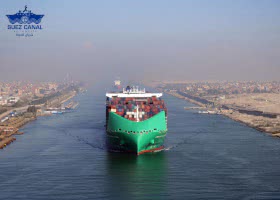
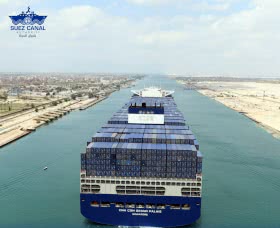
The Suez Canal Authority has announced that it will introduce surcharges on transit tariffs through the Egyptian canal for most major cargo vessels, effective July 15.
- Via Raffaele Paolucci 17r/19r - 16129 Genoa - ITALY
phone: +39.010.2462122, fax: +39.010.2516768, e-mail
VAT number: 03532950106
Press Reg.: nr 33/96 Genoa Court
Editor in chief: Bruno Bellio No part may be reproduced without the express permission of the publisher







 Not only so far it took a long time - decades, not days most days - to travel the road that should lead to the effective launch of work on the construction of the Third Rail Pass Genoa-Milan, but the way to achieve the goal was so "Zigzag," that is drawn according to directions sometimes quite contradictory, which is now better to stop and, before opening the sites, clear record of what happened earlier, avoiding possible side-effects, and entrust the execution of the work through a European tendering procedure of evidence. This, in brief, is the juice of a question that Senator Enrico Musso deposit in the Senate tomorrow and will then be submitted to the Minister of Infrastructure and Transport, Matteoli.













 - Via Raffaele Paolucci 17r/19r - 16129 Genoa - ITALY


