testata inforMARE
Cerca
6 ottobre 2026 - Anno XXX
Quotidiano indipendente di economia e politica dei trasporti
20:12 GMT+2
LinkedInXFacebook
Il costo del combustibile frena la crescita delle compagnie aeree mondiali
La IATA prevede nei prossimi anni un incremento del 5% del traffico passeggeri e del 5,5% di quello merci
6 giugno 2000
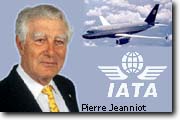
Le compagnie di navigazione aerea mondiali hanno registrato lo scorso anno un calo dei profitti pari a 1,2 miliardi di dollari. Il dato è stato reso noto nel corso dell'assemblea annuale della IATA (International Air Transport Association), che si è aperta ieri a Sydney. Il direttore generale della IATA, Pierre Jeanniot, ha spiegato che «nello scorso anno, la pressione congiunta dell'incremento del costo del combustibile e l'erosione dei redditi ha notevolmente spremuto le compagnie aeree». Nel suo intervento, che riportiamo di seguito, Jeanniot ha rilevato che i profitti complessivi dei vettori aerei membri della IATA nel 1998 e nel 1999 sono stati di soli 5 miliardi di dollari, l'1,7% del risultato operativo. Complessivamente le entrate delle compagnie della IATA relative ai voli internazionali sono state lo scorso anno di 146,3 miliardi di dollari, con un incremnto di 3,6 miliardi di dollari rispetto all'anno precedente. I costi sono però cresciuti nel raffronto tra i due anni di 4,3 miliardi di dollari, raggiungendo un totale di 140,9 miliardi di dollari nel 1999. La differenza fra il reddito operativo e le spese, che nel 1998 era di 6,3 miliardi di dollari, è calato nel 1999 a 5,4 miliardi di dollari.

Lo scorso anno le compagnie che fanno parte della IATA hanno trasportato complessivamente 1,6 miliardi di passeggeri. Le previsioni indicano per i prossimi quattro anni un incremento medio del 5% di questo volume di traffico. Jeanniot ha indicato in oltre 2,3 miliardi l'anno il numero di viaggi/passeggero sulle rotte di linea che potrà essere raggiunto entro il 2010. Il settore merci dovrebbe invece registrare un tasso di crescita del 5,5% fino al 2003.
L'industria del trasporto aereo - ha detto Jeanniot - è il motore principale del turismo, contribuisce con oltre 3,5 trilioni di dollari all'economia mondiale e genera l'8% di tutti i posti di lavoro.

Parlando dei problemi che si frappongono alla regolare crescita del settore aereo, Jeanniot ha inoltre accusato i governi europei di non voler allentare la loro stretta sul controllo del traffico aereo, creando quella che il direttore generale della IATA ha definito una «confusione medioevale».
"STATE OF THE INDUSTRY"

ADDRESS TO 56th IATA AGM
Sydney, Monday 5 June 2000
Pierre J. Jeanniot, Director General


It has been more than a quarter of a century since IATA held its Annual General Meeting "down under" and that's a long time. To make sure that from the very start of this meeting we should all have the right perspective, I thought you should be reminded how Australian maps look at the world.

Our view of things depends very much on where we happen to be and - as people here will be rather keen to remind us - we are not "down under" but "up top"!


******


A warm welcome all of you - our Members, Industry partners, guests, the media and, in our customary fashion, let me extend a warm welcome to this AGM to all those airlines who have joined IATA since Rio last year.


******


Rather than take the time here to provide you with a full picture of the many activities we accomplished last year, I would recommend that you read this year's IATA annual report. To facilitate digestion, it comes in the four-page multilingual snack version which you can also find in our regular flagship publication "Airlines International." It also comes in the regular fifty-page English language Banquet version (and I do mean English language not English cuisine).

Both versions are quite nutritious depending on the size of your appetite and so are the reports of the four Standing Committees, which I now formally table, as well as the reports of the various task forces and other ad-hoc committees.

Once again, everyone has made an excellent contribution and on your behalf and mine I want to extend our gratitude.


******


The Annual Report will show that our industry, on its international scheduled services at least, has achieved net profitability for a sixth successive year. This is very welcome news and we hope it has now become a habit! Looking at our past financial performance, I would make just a couple of observations:
  • As you can see, the "fat" years are not very fat and the preceding "lean" years were very lean!
  • In fact looking at the last two years, collectively, the net profit should be about three times higher if we are to attract new investment and continue to invest in the latest fuel efficient, environmentally friendly technology.
  • During the past year, the twin pressures of fuel cost increases and yield erosion have squeezed airlines rather hard. The best way to illustrate that is to look at the trend of the two load factors - the actual and the break-even - both of them climbing and the gap between them narrowing.
******


We met in this region 25 years ago and 25 years before that our AGM was held on the other side of this famous Pacific Rim, in San Francisco.

At the start of this new Millennium it may be interesting to glance back to those embryonic days of aviation in 1950 to see what successes we were having and what a strange set of concerns and issues would await us.

At the IATA AGM held in San Francisco in 1950 we heard that uniform operating methods and procedures had been achieved to the point where a Dutch pilot flying a US built aircraft regarded a landing at Calcutta as no more difficult than a landing at Amsterdam. One would hope that this is still true everywhere today.

The 1950 AGM was also told that anyone buying a standard IATA ticket could now pay for it using the universal air travel card, recently introduced. Another great innovation we did not choose to capitalise on!

That year the airlines stated that their main objective was to reduce the price of the airline product while continuing to improve our safety, our reliability and our customer appeal. The passage of 50 years has done nothing to change that objective!

Our predecessors in San Francisco were warned that price reductions must be preceded by a reduction in costs because an industry as large as ours must ultimately be financially self-supporting. And as we know, it took another 40 years for the goal of financial self-support to become a reality for most airlines.

One more thing from San Francisco in 1950, the Director General delivered an address that took approximately two hours. As you will undoubtedly read the Annual Report, I can get away with a lot less!


******


Over the years our industry successfully faced many challenges. In Rio last year, we suggested that we now needed to deal with five "Millennium Challenges." These were globalisation versus local identity, financial shocks or volatility, the environment, connectivity and the changing role of governments. These challenges are more than ever relevant.


******


Since Rio, the question of "globalisation versus local identity" was clearly demonstrated at the WTO "Battle of Seattle" and at the Davos World Economic Forum, where very diverse groups of people got together to voice their concerns. Amusingly enough, these very diverse groups were able to coordinate their actions via the Internet - a symbol of the very globalisation they decry!

As an airline industry our objective must be to take maximum advantage of the benefits of globalisation while minimising its inconvenience. Among the world airlines there is a wide consensus that the WTO approach is simply not appropriate - it is too much a case of "one size fits all."

We have a major session on aviation regulation this afternoon, so let me make just a few points now:
  • The answer to the challenge of globalisation, in the context of aviation, is to encourage flexible and increasingly liberalised developments by like-minded groups of nations and airlines.
  • In my view, a major step to increase liberalisation would be for governments to further relax their rules on foreign ownership, leading to potential cross-border mergers. But will governments display the courage required to allow those to take place?
  • Finally, as events continue to demonstrate that certain alliances will remain fragile we are reminded that the ultimate airline alliance - IATA - is still here as it was in San Francisco 50 years ago.
*****


Financial shocks are not going to go away as we venture further into a new century. It is only the source and nature of such shocks that will vary over time.

Three years ago we saw a "domino effect" of economic instability spreading across Asian markets. Before that there was the Mexican debt question. After Asia, the problem of the Brazilian currency. Last year, our industry suffered a mini-shock generated by the close to 200 percent rise in the price of oil but hopefully the last OPEC agreement has brought oil prices back to a more reasonable level.

And very recently we have experienced the excessive volatility of hi-tech and particularly e-stocks which at times have defied all the conventional wisdom about price/earnings ratios. The complexity of the current situation suggests that today no-one truly understands the economy!

The fact remains that leisure travel having become the dominant component of the world air travel market some time ago, our industry is now highly dependent on the available discretionary income. Thus any financial shock will significantly affect the size, origin and profitability of that market.

You will not be surprised if I remind you that part of the answer to this challenge consists of restraint in adding capacity. Over the next 20 years our total fleet requirements could amount to some 16,000 aircraft. An improved match of aircraft entering service with traffic demand growth would do wonders for our profitability!


******


Despite the fine and often repeated record of our industry the environment will continue to present an important challenge - but we are coming to terms with it! The recent focus of attention has been aircraft noise, specifically:
  • The need for a global cost-effective approach through ICAO to the coming new "chapter 4" noise standard.
  • With the assurance that any future noise rules will co-exist with any new emissions rules.
  • We must protect fleet values in a predictable framework for fleet planning with performance-based noise standards rather than design-based.
  • A world consensus will need imaginative and flexible solutions.


An ICAO CAEP/5 working group has been studying "market based options" for reducing emissions. The four options are taxes, charges, voluntary agreements and emissions trading. We are proposing voluntary agreement but are firmly opposed to any new taxes.

To counteract mis-information about our industry we have developed an "advocacy paper" on airlines and the environment that is available for you to use.

As far as fuel is concerned, as I have been saying for the past year, Europe must have the courage to move on ATC which at the moment causes us to waste 6-12 percent of our fuel efficiency with a resulting negative environmental impact. I hardly need to remind you that we also need to exploit the full fuel-saving benefits of CNS/ATM elsewhere in the world.

We have also conducted an environment campaign test which indicates that the travelling public is reasonably well-informed about the benefits of air travel and its actual environmental impact. Our task is to ensure that we win the "hearts & minds" of our publics.


******


Interconnectability - connectivity is here fuelling more than ever the E-commerce fever which at this time dominates our strategic thinking somewhat excessively.

Don't get me wrong, I am not saying that this is not a very promising field if sensibly applied but it will not change our fundamentals - and there are some pitfalls!

The growth of this phenomenon is everywhere and it is bringing together what, on the face of it, might seem strange sets of partners. Who would have expected Members of rival alliances to get together in a "web portal initiative" for example?

Hopefully, we have learnt some lessons from our CRS experience. For we would not want to say, a few years from now, it's déja vu all over again!

IATA is also very much involved in E-commerce to set standards and has proposed the development of an international E-ticket interchange facility as well as promoting an industry B-2-B project with various financial and system partners. Such an industry wide approach would be operated as an industry cooperative - not unlike the Clearing House.

We are also very much aware that E-commerce is at the root of the revolution in the airline distribution system, causing changes and much dismay among the agent community. As we will learn tomorrow, there is an urgent and now a formally recognised need to re-establish much closer working relationships with agents.

Where will all the E-commerce activity lead? Time/Warner and America Online have merged to form a total distribution company. One provides the content and the other the means of distribution.

Can we look forward to the first formal merger between an internet service provider and an airline? On the basis that "you've sampled the virtual, now experience the reality?" I look forward to a lively debate on all this in our session tomorrow morning!


******


We were reminded last year in Rio that the state does not need to own the "commanding heights" of its economy, and thus governments everywhere are reassessing their need for ownership and management of the aviation industry.

As increased liberalisation proceeds, there are a number of principles which should serve as guidelines for the market evolution and for the development of any future specific regulation. We will be discussing these later on today. But let me say now that every country or trading bloc needs to define for itself just what it wants and expects from civil aviation. It needs a vision - .to boldly go where this industry has not been before! But the lack of coherent vision in many parts of the world is resulting in deficient and inefficient aviation infrastructure.

Governments and aviation infrastructure providers must recognise the fact that over the foreseeable period demand for aviation products & services will continue to double every 10-14 years. That's what people - airline consumers - seem to want.

Our main efforts in the past year of necessity have been applied to sorting out European ATC which is a medieval mess!

We have forcefully stated the way forward for Europe's ATC which requires a pan-European planning process but also to put ATC provision on a liberalised, independent footing. With ATC in Europe still in the hands of governments, our industry cannot fully respond to the market forces - it is infrastructure driven. This is re-regulation through the back door!

The US ATC system also has its well-known problems. The solution, as in Europe, involves the separation of service provision and regulation as well as self-financing.

CAN/ATM still lacks a clear global implementation plan, which means that avionics planning for our fleet remains a challenge.

On the airport side, I must mention the manner in which airport privatisation has unfolded in some Latin-American countries. This has been simply disastrous. To provide proper safeguards for future liberalisation we have suggested a set of guidelines, now called the "Santiago Declaration."

And with the resumption of growth in Asia we have the potential of renewed capacity constraint on certain routes and airports such as Narita (Japan).


******


Every effort that IATA makes, for example:
  • To keep the multilateral interline system fully open for use.
  • To ensure that the industry achieved a totally glitch-free "Y2K" transition.
  • To ensure the retention of vital radio spectrum at the ITU.
  • In bringing together the necessary coalition partners to streamline and speed up the flow of passengers through airports - our SPT project.
  • To rejuvenate and re-launch our safety efforts.


All these are illustrations of our many activities and show that we are just as concerned with safety, reliability, quality of service and price as our predecessors were in San Francisco for that embryonic industry 50 years ago.


******


I will cite just two of these activities, first safety:

As you know, IATA's prime strategic objective is aimed at halving the accident rate by 2004, compared to the base year 1995. Towards this, we developed a seven-point programme based around technology enhancements, an increased human factors focus, improved information analyses and infrastructure improvements.

The trend line of loss-rate offers some encouragement for our objective but there is some way still to go. Every new generation of aircraft is safer as you will see from the next chart.

A major initiative introduced this year was the application of operational quality standards (OQS) for new member entrance qualification. Jürgen Weber is going to report on our first experience of OQS right after coffee.


******


For the second example of our many activities, let me "show-case" SPT - Simplifying Passenger Travel - because it is typical of our many problems requiring a total industry approach! Anyone who questions the need for this should read Art Buchwald on the subject. Here is what he said:

"I am an expert on waiting in line at counters. It is the most interesting part of flying and it gets really exciting when they can't find your name in the computer. The clerks enjoy this because the search is on. What makes it dangerous is that people behind you want to kill you."

At the heart of the SPT initiative is the vision that a future system in which passenger air travel can be simplified and streamlined, using emerging technologies to compress current multiple procedures into a single "one-stop" process.

Since our AGM last year, the SPT program has taken a significant step forward with the creation of a self-funding Interest Group incorporating technology suppliers and system integrators with airlines, airports and control authorities, to work on practical implementation steps. The Group's mission is to promote, test and develop the SPT concept. It already has 18 members and more airlines and airports, in particular, are encouraged to join.


******


Mr. President, our customers keep coming back for more and we think that 1.6 billion air trips taken last year is a good indication that this industry is growth oriented and that we must be doing something right! But with the high volumes that we handle it would not be totally unrealistic for us to have dropped a few balls.

Unfortunately, this could give some authorities an excuse to intervene. There are still, within various governments, regulators looking for things to regulate!

We must pay attention to these signs. I have often said, "an industry which does not regulate itself often deserves to be regulated."

With this in mind we will be proposing to you today a new "global customer service framework." This is a set of guidelines which should be of some help in clearing up the confusion and in setting up your own voluntary "customer rights."

Let me emphasise that there is a real danger of de facto re-regulation by the back door from at least three directions that I have discussed today:
  • Shortcomings in aviation infrastructure which amount to de facto rationing of capacity.
  • Increasing restrictions on aircraft use in the name of environmental protection.
  • The notion those governments need to legislate on extended consumer "bills of rights" rather than allowing the free market to operate.


Clearly, we have yet to get the message across to certain governments and various opinion makers that air transport is a major success story - not only in terms of service delivered and dreams fulfilled but also in terms of jobs created and wealth generated.

We have the potential to offer so much more to the world economy with relatively modest marginal demands on capital and other resources. A brief look at the history and of our potential should prove convincing:
  • The world scheduled air transport industry has grown from an estimated 9 million passenger journeys in 1945 to about 1.6 billion in 1999.
  • Today, around 40 percent of the world's manufactured exports, by value, are transported by air.
  • The average consumer of scheduled airline products is paying 70 percent less in real terms than he or she was paying 20 years ago.


In 1998 the industry provided at least:
  • 28 million jobs for the world's workforce
  • USD 1,360 billion in gross annual output.


Although we have achieved some degree of maturity, international air transport is still today one of the fastest growing sectors of the world economy.
  • Passenger and freight traffic are expected to increase at an average annual rate of around 5 percent between 1999 and 2010, significantly greater than the growth of global GDP.
  • By 2010, the number of passenger journeys by air could exceed 2.3 billion each year.


In an increasingly global society, the economic and social contribution of this industry to the world is highly significant and continues to grow:
  • International aviation is the prime engine of travel and tourism which presently contributes more than USD 3,500 billion to the world economy, or nearly 12 percent of the total.
  • More than 192 million jobs are generated - 8 percent of the world total.
  • Capital investment for travel and tourism is at present USD 733 billion a year - this represents more than 11 percent of the world total.


That's a proud record and an enormous potential. The critical question is can the potential be realised? Certainly this will not be easy, as the Red Queen in "Alice in Wonderland" observed!


******


The potential can be realised if governments can be persuaded to share our enthusiasm and:
  • Recognise that infrastructure needs also to become "market responsive" but of course with the necessary oversight.
  • That in providing an environment for airlines to grow and be profitable the returns to their national economy can be highly significant.


At Davos last January at the World Economic Forum, we were instrumental in proposing and getting endorsed a declaration on travel and tourism that encompasses the notion of global prosperity through sustainable development. In essence, this declaration says:
  • The people of the world have a right to travel by air and to see the world.
  • Governments have a responsibility to provide the right infrastructure at a reasonable cost.
  • Airlines have a responsibility to operate in an environmentally sustainable manner.
  • Travellers have a responsibility to respect countries' cultures, traditions and antiquities.


As you will be aware, Davos is a unique forum. Heads of Governments go there to talk and to listen. If we can establish a strong presence for aviation as the driver of travel and tourism, at Davos, we will have done this industry a valuable service.

Mr. President, our industry has a great future but all the actors- governments, infrastructure providers and airlines need to share the same vision. The formula for success remains largely unchanged. All that is needed is a sound dose of common sense, of entrepreneurial spirit, some imagination and the will to succeed!

Ladies and Gentlemen,
Thank You very much.

›››Archivio notizie
DALLA PRIMA PAGINA
Uniport, la resilienza dei porti va trasformata in crescita
Roma
L'associazione chiede al governo tempi certi per infrastrutture e dragaggi, più peso alle imprese nelle decisioni e una correzione dell'EU ETS
Il Bangladesh vuole incrementare la competitività del settore del riciclaggio navale
Dacca
Previsto un impianto per trattamento, stoccaggio e smaltimento dei rifiuti derivanti dalla demolizione delle navi
Tre mercantili colpiti nel Mar Nero nelle zone economiche speciali di Romania e Bulgaria
Bucarest/Sofia
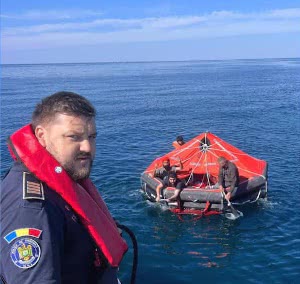
Grave il bilancio degli incidenti: due morti, diversi feriti ed un intero equipaggio disperso
HD Hyundai installa il primo sistema che elimina le operazioni di rizzaggio e derizzaggio dei container sulle navi
Seul
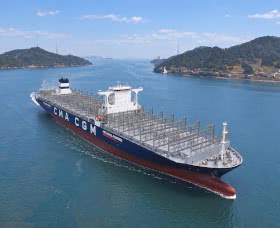
Ne è stata dotata una portacontainer da 13.000 teu della CMA CGM
Si susseguono gli attacchi alle navi nello Stretto di Hormuz
Southampton/Londra
Ieri colpita un'altra unità. Sono 93 gli incidenti in Medio Oriente dall'inizio dell'anno
Deep Wave espande la propria piattaforma digitale a passeggeri e crociere
Graz
Investimento nell'austriaca MarineXchange
Avviati i lavori per la realizzazione di un terminal crociere nel porto giapponese di Naha
Naha
L'inizio dell'attività operativa è previsto per marzo 2028
Assiterminal promuove la riforma dei porti, ma chiede correzioni su Porti d'Italia
Genova
Tre le criticità indicate dai terminalisti: ruolo delle AdSP, sovrapposizione tra concedente e concessionario e retroattività delle nuove norme
Navi a GNL e tassonomia: il Tribunale dell'UE boccia l'assenza di limiti al metano
La Commissione dovrà fissare una soglia di emissioni di metano per i criteri sul trasporto marittimo. Accolto parzialmente il ricorso di tre ONG
Porti, la Commissione UE richiama l'Italia: no all'obbligo di bandiera nazionale per rimorchio e ormeggio
Bruxelles
Parere motivato anche a Francia e Spagna: due mesi per adeguarsi al regolamento sui servizi portuali
Attaccata un'altra nave nello Stretto di Hormuz
Southampton/Teheran
L'Iran affronta il problema della carenza di beni di prima necessità, che sono importati anche attraverso il Golfo Persico
Corridoi europei, l'Italia alla prova del 2030
Bruxelles
Infrastruttura nazionale in buona parte conforme, ma tempi e finanziamenti delle opere chiave restano incerti
Elettrificazione di porti e aeroporti, la rete elettrica è il nuovo collo di bottiglia
Bruxelles
Transport & Environment chiede di accelerare le connessioni e di superare il criterio “first come, first served”
Alla Boluda la gestione del terminal multipurpose al molo Príncep d'Espanya del porto di Barcellona
Barcellona
Il contratto di concessione avrà una durata di 16 anni
È compreso tra 14,9 e 15,9 milioni di euro il valore attuale di Aeroporto di Genova Spa
Genova
Presentata la valutazione dell'advisor PwC
FEPORT, l'EU ETS non spinga il transhipment fuori dall'Europa
Bruxelles
La federazione dei terminalisti chiede alla commissione ENVI di rafforzare le misure contro l'elusione e di destinare parte dei proventi ETS ai porti
Nuova serie di attacchi alle navi nello Stretto di Hormuz
Southampton/Teheran/Tampa
Tre navi cisterna colpite da proiettili. Incendio su un'altra unità
Eurokai, più ricavi ma meno utili
Amburgo
Fatturato a +14,4% e traffico a +8,3%, ma l'utile netto scende del -8,3% per la minore quota di Eurogate
Tassa d'imbarco a Genova, il TAR dà ragione al Comune
Genova
Respinto il ricorso di armatori e agenti marittimi
Carnival, ricavi e utile da record nel trimestre giugno-agosto nonostante il +36 del costo del fuel
Miami
Acconti dei clienti ai massimi. Prezzi e occupazione record per l'anno prossimo
Vincitori e vinti della connettività portuale: la lunga corsa tra alti e bassi degli scali italiani
Ginevra
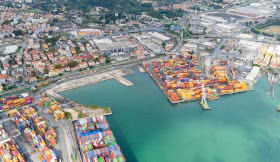
Gli indici dell'UNCTAD raccontano un Mediterraneo che cambia: l'Italia scivola al settimo posto, La Spezia, Trieste e Vado Ligure crescono, mentre il Mezzogiorno perde terreno
Camion elettrici più convenienti del diesel in sei grandi mercati dell'UE
Bruxelles
Secondo T&E, in Paesi che valgono il 46% delle vendite europee l'elettrico costa già meno in cinque anni. Italia, Spagna e Polonia restano indietro
A.P. Moller Capital acquisirà una quota di maggioranza in Euroports
Copenaghen/Anversa
Dal capitale uscirà R-Logitech, mentre PMV e SFPIM rimarranno azioniste
Cina, l'export corre ma i porti frenano
Pechino
Ad agosto l'interscambio con l'estero aumenta globalmente del +19,8%, ma le merci internazionali movimentate dai porti marittimi diminuiscono del -2,3%
Da Puertos del Estado a Porti d'Italia: la stessa ispirazione, un esito opposto
Genova
Per la riforma portuale il governo si rifà al modello spagnolo, ma costruisce l'esatto contrario: un ennesimo sportello che lo spirito corporativo italiano sa inventarsi così bene
ETS marittimo, Bruxelles apre ai traghetti ibridi ed elettrici, ma Interferry chiede di più
Bruxelles
La proposta di revisione rafforza il meccanismo SMAP ma lascia a AFIR e FuelEU Maritime la partita di reti e infrastrutture portuali
Morto un marittimo a bordo di una rinfusiera attaccata nello Stretto di Hormuz
Nuova Delhi/Southampton/Teheran
Gli altri membri dell'equipaggio sono stati tratti in salvo
Il traffico delle merci nei porti di Genova e Savona-Vado continua a oscillare tra segnali di ripresa e frenate
Genova
A luglio volumi in crescita in entrambi gli scali liguri
Trasportounito propone un sistema automatico per adeguare le tariffe dell'autotrasporto al prezzo del gasolio
Roma
Marittimi, cinque anni dopo il Codice di Condotta resta il divario tra policy e realtà
Londra
Cresce la conformità delle compagnie di navigazione, ma restano criticità su fatica, sicurezza psicologica, reclami e commissioni di reclutamento
Lo scorso mese il traffico navale nel canale di Suez è aumentato del +26,9%
Ismailia
Nei primi otto mesi del 2026 è stato attraversato da 9.602 navi (+17,4%)
Slitta ancora la decisione su una tratta ferroviaria cruciale in Germania del Corridoio Scandinavo-Mediterraneo
Amburgo
Gli operatori portuali tedeschi chiedono di accelerare sia sulla nuova infrastruttura sia sugli interventi di potenziamento della linea esistente
Kuehne+Nagel concorda una collaborazione strategica a lungo termine con Amazon
Schindellegi
L'accordo include una call option su azioni già in circolazione del gruppo logistico
MSC in trattative per acquisire il controllo del gruppo tedesco di cantieristica navale Meyer Werft
New York
Attualmente l'80,73% del capitale è detenuto dal governo federale tedesco e dal Land della Bassa Sassonia
Trafigura crea una nuova compagnia di navigazione dedicata al trasporto petrolifero
Ginevra
Inizialmente Volare Shipping è dotata di una flotta di sei VLCC più otto in costruzione
Gli armatori invitano gli Stati dell'UE a dare l'ok all'inclusione di due cantieri indiani nell'elenco europeo degli impianti di riciclaggio navale
Bruxelles
Inaugurata a Genova la nuova sede dell'Accademia Italiana della Marina Mercantile
Genova
Porti francesi, secondo trimestre in equilibrio tra cali e aumenti
Parigi
Traffico complessivo a 71,1 milioni di tonnellate (-0,2%). Container +8,1%
Piano Regolatore Portuale di Genova, banchina di Pra' e depositi chimici di Multedo i nodi più spinosi del confronto con operatori e territorio
Genova
Crosetto: la Marina Militare garantirà il transito in sicurezza delle navi italiane nello Stretto di Bab el-Mandeb
La Spezia
Abbiamo - ha sottolineato il ministro della Difesa - le capacità per proteggerne il passaggio
Assiterminal, necessari certezza dei fondali e dragaggi programmati per la competitività dei porti
Genova
Mordeglia: non serve soltanto una norma più semplice, serve una regola prevedibile
La Germania riforma l'Iva per rendere più competitivi i suoi porti
Amburgo
La Conferenza dei ministri delle Finanze approva il modello di compensazione che dovrebbe eliminare dal 2030 il prefinanziamento dell'imposta
L'Arabia Saudita denuncia che gli Houthi stanno perseguendo una politica volta a «strangolare gli stretti», tenendo in ostaggio la comunità internazionale
New York
Il Consiglio di Sicurezza dell'Onu si spacca tra condanne e appelli al negoziato
WTO, una riforma del sistema commerciale potrebbe far crescere il Pil mondiale del 3% entro il 2050
Ginevra
Il World Trade Report 2026 mette in guardia dai costi della frammentazione: fino al 7% di Pil mondiale in meno nello scenario di un mondo dominato dagli accordi di libero scambio
Container, uno su dieci non è a norma
Washington
Il WSC pubblica i dati 2025 sulle ispezioni: su 93.079 unità controllate in sette paesi, 9.645 presentavano carenze
Il World Shipping Council (WSC), l'associazione internazionale che rappresenta i principali armatori mondiali del settore dei container, ha sollecitato gli Stati membri ...
Maersk e Hapag-Lloyd riporteranno quattro servizi sulla rotta che attraversa il canale di Suez
Copenaghen/Amburgo
Le linee collegano l'Asia con l'Europa/Mediterraneo
Ai gruppi Neri e Nova Marine Carriers il controllo del Terminal Calata Orlando
Lugano
Il terminal livornese sarà oggetto di un consistente investimento
Accordo Cavotec-EVIAS per la ricarica di mezzi portuali elettrici in movimento
Stoccolma
L'azienda svedese diventa distributore e installatore esclusivo per il settore portuale delle tecnologie della società francese
Hapag-Lloyd si accorda con DP World per assicurarsi capacità terminalistica in Africa
Amburgo
L'intesa riguarda i porti di Dakar, Luanda, Dar es Salaam, Banana e Maputo
Cresce la minaccia alle navi nel Mar Rosso con gli Houthi che conquistano l'isola di Perim
San'a'/Amburgo
Gli armatori tedeschi avvertono che l'ipotesi di tornare alla rotta che attraversa Suez si allontana ulteriormente
Nuovi attacchi alle navi nello Stretto di Hormuz
Southampton/Teheran
La Marina della IRGC ha colpito un drone navale statunitense
Il porto di Long Beach segna un traffico dei container record per il mese di agosto
Long Beach
Nei primi otto mesi del 2026 i volumi sono cresciuti del +1,3%
WSC denuncia che container pieni di batterie al litio possono essere spediti senza essere identificati come merci pericolose
Washington
Kramek: a rischio persone, porti, navi e l'ambiente marino
T&E, la revisione dell'ETS per lo shipping proposta dalla Commissione UE è un esitante passo avanti
Bruxelles
Se il sistema si allarga alle piccole unità navali - evidenzia l'associazione - tuttavia esenzioni e deroghe rischiano di vanificarne l'impatto climatico
Traffico ferroviario transalpino delle merci ancora sotto pressione nonostante la ripresa economica
Berna
La strada corre più della rotaia
L'intelligenza artificiale spinge il commercio mondiale, nonostante Medio Oriente e dazi
Ginevra
In salita il barometro della WTO. La domanda di semiconduttori e componenti elettronici compensa le tensioni geopolitiche
Via libera ai 1,35 miliardi di euro di investimenti nel porto di Bremerhaven
Brema
È il finanziamento più ingente che il governo federale abbia mai stanziato per un progetto nel Land
APM Terminals sigla un accordo per la realizzazione del porto nigeriano di Badagry
Copenaghen
Verrebbero realizzati quattro chilometri di banchine con pescaggio di -18 metri
Gabriele Sangiorgi nominato segretario generale facente funzioni dell'AdSP di Ravenna
Ravenna
Scaduto il mandato di Fabio Maletti
Porto di Genova, un'ora di sciopero per un mese dei lavoratori del Messina Terminal
Genova
L'azienda denuncia che una delle componenti sindacali non si è presentata all'ultimo incontro nell'ambito della procedura di raffreddamento prevista dal Ccnl
Porto di Taranto, accordo per partecipare allo sviluppo dell'Interporto Valbasento di Ferrandina
Matera/Taranto
Entro 180 giorni l'elaborazione di un masterplan logistico-funzionale
Attica, il rosso si riduce grazie soprattutto a plusvalenze e coperture
Kallithea
Primo semestre con meno traversate e ricavi in lieve crescita
Da inizio anno passeggeri e merci sulle navi di GNV sono aumentati del +2% e +5%
Marrakech
Partnership strategica triennale con l'Office National Marocain du Tourisme
Escola Europea - Intermodal Transport celebra il suo 20° anniversario
Barcellona
Viaggio via mare nel Mediterraneo tra Barcellona, Civitavecchia, Palermo e Genova
Filt Cgil, riconoscere il lavoro marittimo e portuale come usurante
Roma
Il sindacato chiede l'inserimento di una norma chiara nella prossima legge di bilancio
Attaccata una tanker ad Hormuz
Southampton
L'unità ha proseguito regolarmente la navigazione
FS Logistix e Interporto Bologna hanno presentato il primo treno sperimentale DAC italiano
Evento di Assologistica per discutere della strategia mediterranea per la competitività italiana
Roma
Si terrà il prossimo 30 ottobre a Napoli
Sanilog, al via una campagna straordinaria di prevenzione oncologica
Roma
Tre nuove aree dedicate alla prevenzione dei tumori di testa e collo e del cavo orale e alla valutazione del rischio vascolare
Aggiudicati i lavori di dragaggio e completamento dell'elettrificazione delle banchine del porto di Gioia Tauro
Gioia Tauro
Saranno effettuati rispettivamente dalla Dravo e dalla RTI Saet-Suardi
Conferito a Genova lo “Student Naval Architect Award”
Genova
Il gruppo d'Amico e la Royal Institution of Naval Architects premiano l'eccellenza nell'ingegneria navale
Per Malta il trasporto merci è più caro: 35 milioni l'anno tra ETS, FuelEU e BAF
Zebbug
L'associazione degli autotrasportatori chiede al governo di contestare una politica europea pensata per il continente
CMA CGM ha finalizzato l'acquisizione di FedEx Supply Chain
Marsiglia/Atlanta
Con l'operazione, triplicata la presenza di CEVA Logistics in Nord America
PROSSIME PARTENZE
Visual Sailing List
Porto di partenza
Porto di destinazione:
- per ordine alfabetico
- per nazione
- per zona geografica
Contships ordinerà 10 navi feeder con opzioni per ulteriori 10+10
Atene
Lettera d'intenti con la cinese Hubei Guangji Green Energy Shipbuilding Group Co.
DP World, accordo per lo sviluppo di un porto in acque profonde nello Stato nigeriano di Ogun
Dubai
Il progetto prevede circa quattro chilometri di banchine
Approvato il nuovo regolamento delle operazioni portuali a Civitavecchia, Fiumicino e Gaeta
Civitavecchia
Via libera all'accordo procedimentale con Interminal a Gaeta
Kotug acquisisce una quota di maggioranza in Vortex Offshore
Rotterdam
La società di Dubai opera servizi marittimi all'industria offshore in Medio Oriente
In Spagna oltre 1,9 miliardi di euro per migliorare i collegamenti stradali e ferroviari dei porti
Madrid
Le autorità portuali contribuiranno con 875,1 milioni di euro
Attica Holdings ha venduto la nave ro-pax Levka Ori per 8,3 milioni di euro
Kallithea
Il traghetto è stato costruito nel 1987
A metà ottobre il servizio ro-ro Trieste-Damietta della DFDS diverrà bisettimanale
Copenaghen
Inserimento sulla rotta di una seconda nave
L'Accademia Italiana della Marina Mercantile accresce la cooperazione con il porto di Durazzo
Genova
Siglato un memorandum of understanding
Venerdì a Livorno la presentazione di un volume dedicato alla storia del sistema portuale toscano
Livorno
Confronto tra i protagonisti della portualità: dalle riforme degli anni '90 alle sfide del futuro
Suardiaz prende in consegna una car carrier a GNL da 5.000 auto
Madrid
Un seconda nave PCTC è attesa a metà del 2027
Hapag-Lloyd rivede ancora al rialzo l'outlook per il 2026
Amburgo
Domanda sostenuta e noli spot in crescita spingono la compagnia ad aumentare significativamente le previsioni su EBITDA ed EBIT
Il 6 ottobre a Roma l'assemblea pubblica di UNIPORT
Roma
Dibattito su riforma portuale e altri aspetti di rilievo del settore
Progetto pilota per la produzione e l'utilizzo di idrogeno verde presso il porto di Savona
Savona
Paroli (AdSP Ligure Occidentale): individuata un'area portuale sulla quale lavorare
Nuovo servizio intermodale Penisola Scandinava-Mediterraneo di Tarros e Nurminen Logistics
La Spezia/Helsinki
La tratta terrestre collega Örebro, Parma e La Spezia
Posato il primo cassone della diga frangiflutti a protezione del rigassificatore al largo di Ravenna
Ravenna
L'opera marittima sarà lunga circa 900 metri
Fincantieri e PT PAL firmano un accordo per l'ammodernamento di una nave della Marina indonesiana
Trieste
Si tratta dell'unità “Kri Sriwijaya” (ex “Giuseppe Garibaldi”)
In Italia la blue economy vale 225 miliardi e la sola nautica supera i 10 miliardi di export
Roma
Il Focus On di SACE presentato in occasione del Salone Nautico di Genova
Incendio a bordo della nave ro-ro Blue Carrier 2 della Blue Star Ferries
Kallithea
Evacuate le 29 persone a bordo
Lievitano in modo esponenziale costi e tempi per la ricostruzione dei quattro cantieri navali della US Navy
Washington
Se nel 2018 erano previsti 21 miliardi di dollari e 20 anni di lavori, oggi la stima è di 200 miliardi e almeno 50 anni
Lo shipping davanti alla sua tripla sfida: decarbonizzazione, geopolitica e nuova geografia dell'automotive
Pula
Alla Euromed Convention di Grimaldi il settore fa i conti con nuove regole ambientali, rotte sempre più esposte e lo spostamento della produzione automobilistica verso il sud-est asiatico
Orizzonte Sistemi Navali firma un contratto da 3,7 miliardi di euro per due cacciatorpedinieri
Trieste
Consegnato alla Marina Militare il PPA “Domenico Millelire”
Livorno, la Cassazione annulla le condanne per la vicenda delle banchine della Darsena Toscana
Roma
La sentenza d'appello aveva riformato l'assoluzione del tribunale e condannato tre imputati per falso ideologico
Il porto di Rijeka prevede di chiudere il 2026 con un traffico dei container record di 800mila teu
Fiume
Con il nuovo terminal sull'isola di Krk il traffico potrebbe salire a 1,7 milioni di teu
Fondi per l'eolico offshore, Pichetto rassicura ma Taranto chiede certezze
Taranto
Il finanziamento 2026 per il porto pugliese scende a 13,9 milioni. Gugliotti auspica una conferma formale delle risorse residue nel 2027
Riforma dei porti, la maggioranza tira dritto sulla Porti d'Italia Spa
Roma
La Commissione Trasporti della Camera respinge gli emendamenti soppressivi dell'opposizione
Porto Rifugio di Gela, parere favorevole per il dragaggio dello specchio acqueo portuale
Palermo
PORTI
Porti italiani:
Ancona Genova Ravenna
Augusta Gioia Tauro Salerno
Bari La Spezia Savona
Brindisi Livorno Taranto
Cagliari Napoli Trapani
Carrara Palermo Trieste
Civitavecchia Piombino Venezia
Interporti italiani: elenco Porti del mondo: mappa
BANCA DATI
ArmatoriRiparatori e costruttori navali
SpedizionieriProvveditori e appaltatori navali
Agenzie marittimeAutotrasportatori
MEETINGS
Evento di Assologistica per discutere della strategia mediterranea per la competitività italiana
Roma
Si terrà il prossimo 30 ottobre a Napoli
Il 6 ottobre a Roma l'assemblea pubblica di UNIPORT
Roma
Dibattito su riforma portuale e altri aspetti di rilievo del settore
››› Archivio
RASSEGNA STAMPA
Cosco Shipping arm readies China IPO to capitalise on global shipbuilding wave
(South China Morning Post)
Rosatom expects cargo traffic along Northern Sea Route to rise 14% in 2026 - CEO
(Interfax)
››› Archivio
FORUM dello Shipping
e della Logistica
Intervento del presidente Tomaso Cognolato
Roma, 19 giugno 2025
››› Archivio
Greenbrier Europe produrrà il sistema di trasbordo NIK per TX Logistik
Troisdorf/Berlino
Consente il caricamento rapido sui treni di semirimorchi non gruabili
Maersk inaugura un proprio centro logistico nel cuore della Germania
Herleshausen
Situato ad Herleshausen, dispone di superfici per 71.800 metri quadri
Alla sudcoreana HJ Shipbuilding & Construction Co. ordini per quattro nuove portacontainer da 10.100 teu
Busan
La commessa ha un valore complessivo di circa 500 milioni di dollari
PD, la riforma portuale del governo apre alla privatizzazione degli scali italiani
Roma
Ghio e Misiani: inoltre sottrae risorse e competenze ai territori
Autoproduzione portuale, il Consiglio di Stato nega la segmentabilità dell'autorizzazione ex art. 16, comma 3
Roma
Stop all'autorizzazione “parziale” per Cartour nel porto di Salerno
Il porto di Miami chiude l'anno fiscale 2026 con un traffico record delle crociere
Miami
Superata la soglia di dieci milioni di passeggeri rispetto a 8,56 milioni nell'esercizio precedente
Il gruppo Grimaldi ha preso in consegna la nuova pure car and truck carrier Grande Egitto
Napoli
La sua capacità di carico raggiunge i 9.800 ceu
Il 2 ottobre a Genova si discuterà della riforma portuale
Genova
Workshop organizzato dall'AdSP e dall'associazione Altero Matteoli
Fratelli Cosulich rafforza la propria rete logistica con l'apertura di Express Global Dubai
Dubai
La responsabilità del nuovo ufficio logistico sarà affidata a Teresa Cosulich
Il 9 ottobre a Lugano si terrà “Un mare di Svizzera”
Lugano
Nona edizione del forum internazionale sui trasporti e le infrastrutture
Nuovo attacco ad una nave nello Stretto di Hormuz
Southampton
Un proiettile ha causato il lieve ferimento di due membri dell'equipaggio
Il gruppo Brullo ordina tre navi tanker oil/chem di 40.800 tonnellate di portata lorda
Roma
Commessa al cantiere cinese Anhui Shipyard
Nasce a Trieste un nuovo polo di produzione, manutenzione e rimessaggio di megayacht
Trieste
Trieste Shipyards è stata fondata da Seadock (gruppo Samer) e Yachting Expertise ed è partecipata da Friulia
Confitarma, apprezzamento per l'iniziativa del governo a tutela delle navi italiane nel Mar Rosso
Roma
Zanetti: la sicurezza marittima è a tutti gli effetti una componente della sicurezza economica nazionale
Sindacati, approvata la piattaforma del Ccnl unico dell'industria armatoriale
Roma
Filt, Fit e Uilt, si articola attorno a tre elementi centrali quali salario, tutele, partecipazione e a tredici richieste concrete
FHP Intermodal incrementa la frequenza del servizio ferroviario merci tra Fiorenzuola e Incoronata/Bari
Milano
Sale a cinque giorni alla settimana
Quest'anno oltre 2.000 grandi yacht hanno operato lungo le coste italiane
Roma
Più 10% per le imbarcazioni di proprietà e un andamento sostanzialmente stabile per quelle in charter
Martedì a Roma l'evento “Cyber-resilienza nel settore marittimo: difesa, regolamentazioni e cooperazione europea”
Roma
È organizzato da Var Group e Confitarma
Smeup, con l'acquisizione di HTG, amplia il portafoglio nel settore della logistica e dei trasporti
Erbusco
L'azienda torinese è specializzata nello sviluppo di software proprietari
Porti dell'Arabia Saudita, rinfuse liquide in forte calo nel 2025
Riyadh
Il traffico complessivo è sceso a 298,3 milioni di tonnellate (-10,9%)
Una delegazione del porto lituano di Klaipeda ha visitato il porto di Livorno
Livorno
Confronto approfondito sui rispettivi piani di sviluppo infrastrutturale
Nuovo servizio di OOCL tra il Mediterraneo Occidentale e il Canada
Hong Kong
Collaborazione con le compagnie della Ocean Alliance e con altri vettori
Il futuro del porto al centro dell'evento per gli 80 anni di Assosped Venezia e Asamar Veneto
Venezia
Venerdì un convegno sarà il momento clou della festa
Aumento dei lavoratori portuali negli scali di Monfalcone e Milazzo
Roma
Via libera della Direzione Generale per Porti, Logistica e Intermodalità del MIT
In deciso calo il traffico delle merci nei porti greci
Pireo
Stagnazione del numero di passeggeri
Mercitalia Shunting & Terminal ha acquistato otto locomotive bimodali Eurolight Dual
Roma
Lo scorso mese il traffico dei container nel porto di Hong Kong è cresciuto del +22,1%
Hong Kong
Invariato il totale dei primi otto mesi del 2026
Il prossimo mese a Piacenza si terrà AGV Expo, nuova fiera europea dedicata ai veicoli a guida automatica
Genova
L'evento ospiterà anche un ricco programma di conferenze
Scoperta maxi-frode transnazionale nel settore dell'autotrasporto
Chieti
Impiego irregolare di manodopera extra-unionale
Ad agosto il traffico delle merci nel porto di Singapore è diminuito del -4,9%
Singapore
Nei primi otto mesi del 2026 lo scalo ha movimentato 30,7 milioni di contenitori (+4,2%)
Joint venture di Cochin Shipyard e Drydocks World per il nuovo centro internazionale di riparazioni navali di Cochin
Mumbai
Una nave commerciale iraniana è stata colpita nello Stretto di Hormuz
Teheran/Southampton
Morto un marittimo e feriti altri quattro membri dell'equipaggio
A luglio il traffico delle merci nel porto di Ravenna è cresciuto del +6,7%
Ravenna
Per agosto è atteso un deciso calo del -21,2%
Giulio Stoppa è il nuovo segretario generale di Trasportounito
Roma
Una scelta di continuità che segna al tempo stesso l'avvio di una nuova fase
Nel cantiere di Ancona della Fincantieri si è svolta la cerimonia di varo di Viking Astrea
Ancona/Los Angeles
Il Board della Viking ha autorizzato un programma di riacquisto di azioni proprie fino ad un miliardo di dollari
Meyer Werft inizia la costruzione della nave da crociera Carnival Tropicale
Papenburg
Con stazza lorda di 180.000 tonnellate, potrà ospitare oltre 6.000 passeggeri
- Via Raffaele Paolucci 17r/19r - 16129 Genova - ITALIA
tel.: 010.2462122, fax: 010.2516768, e-mail
Partita iva: 03532950106
Registrazione Stampa 33/96 Tribunale di Genova
Direttore responsabile Bruno Bellio
Vietata la riproduzione, anche parziale, senza l'esplicito consenso dell'editore
Cerca su inforMARE Presentazione
Feed RSS Spazi pubblicitari

inforMARE in Pdf Archivio storico
Mobile