
Fincantieri has signed a contract with the American company Carnival
Corporation for the design and construction of two new ships
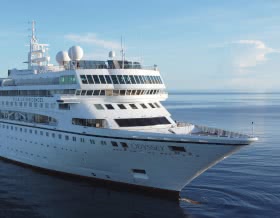
next-generation dual-fuel cruise ships destined for Carnival
Cruise Line. The units will be built at the shipyard
of Marghera, with deliveries scheduled respectively in 2033 and in
2035. The value of the agreement, subject to financing and other
terms and conditions typical of this type of contract, is
was defined as very important, a type of contract that for
The company is valued at over two billion euros.
The new ships will have a gross tonnage of about 130,000
tons and will have about 1,650 cabins. The units
will combine advanced environmental and digital technologies with a design
highly efficient. They will be powered by a system of
Dual-fuel propulsion, with liquefied natural gas as fuel
main, thus allowing emissions to be reduced compared to
the use of conventional marine fuels. Furthermore, the new
platform was developed for Carnival Corporation to
can be adopted in the future by different companies
cruise ships of the American group.
"With 12 new ships currently in order, with deliveries
planned until 2039 for Carnival Cruise Line, Princess, and AIDA - has
commented Carnival Corporation CEO Josh
Weinstein - we have a solid order book consistent with
our path of balanced growth. The variety in
Size terms and characteristics of the new units
offers the flexibility needed to further expand
the choice of experiences and destinations for our guests. At
At the same time, each new generation of ships introduces innovations
technological improvements and efficiency improvements that we
allow us to further reduce emissions and our impact
overall environment. Fincantieri was a partner
extraordinary along this entire route and, even after 76 ships and 30
years of collaboration, seeing a new unity take shape
it still holds something special for us."
The CEO and General Manager of Fincantieri,
Pierroberto Folgiero, emphasized that "these ships
embody a new paradigm in shipbuilding, in which
Product innovation is accompanied by the transformation of
our industrial system. Through the Shipyard model of the
Future," he added, "we are investing in infrastructure,
digitalization, advanced automation, robotics, and Physical AI, with
the goal of radically rethinking the way ships
complex are designed and built. This order strengthens the
long-term visibility for our Italian shipyards and
demonstrates how the ongoing industrial transformation is resulting in
greater competitiveness, stronger capacity
realization and greater value for our customers."















 - Via Raffaele Paolucci 17r/19r - 16129 Genoa - ITALY


