testata inforMARE
Cerca
13 October 2026 - Year XXX
Independent journal on economy and transport policy
19:10 GMT+2
LinkedInXFacebook
FORUM of Shipping
and Logistics
Il Nuovo
Piano Generale dei Trasporti


CAPITOLO 8 POLITICHE PER LA CONCORRENZA E LA REGOLAZIONE DEL MERCATO

Probabilmente uno dei principali limiti del precedente PGT risiedeva nella scelta allora compiuta di occuparsi prevalentemente di investimenti in nuove opere, prestando minore attenzione agli assetti istituzionali e alle strutture di mercato.

Da allora, grazie anche agli indirizzi espressi dall’Unione Europea, ha guadagnato consensi la tesi secondo cui i problemi dei trasporti non derivano soltanto da carenze infrastrutturali, e la modernizzazione del settore va affidata anche ad un cambiamento complessivo delle strutture di mercato in cui operano le aziende di trasporto, della loro proprietà, delle politiche e degli strumenti di regolazione e dei sistemi di finanziamento pubblico.

L'affermarsi di un quadro maggiormente concorrenziale e l'abbattimento delle barriere che vi si frappongono sono alla base del processo di integrazione europea. Tuttavia i monopoli pubblici sono entrati in ritardo in questo scenario, soprattutto nel settore dei trasporti.

L’evoluzione recente della normativa europea in questi campi sicuramente risente dell’esperienza di alcuni Stati membri, ma soprattutto riflette una convinzione più generale sulla debolezza dei nessi esistenti tra obiettivi sociali e gestioni monopolistiche e pubbliche delle infrastrutture e dei servizi di trasporto. Tuttavia in generale le resistenze nei confronti dei processi di liberalizzazione appaiono elevate, e l’Italia, nonostante i progressi compiuti e quelli in corso, sembra emergere come un soggetto nazionale ancora parzialmente reticente. Ciò danneggia l'utenza e l'erario ritardando i benefici di efficienza della competizione; non consente un ruolo attivo e propositivo e determina una condizione di subalternità culturale e politica; danneggia le stesse imprese che si propone di difendere, non consentendone la crescita d'efficienza e di qualità e rendendole scarsamente preparate all'avvento, comunque inevitabile, della competizione.

Per il settore ferroviario in sede europea sono in fase di avanzata elaborazione proposte dirette a far avanzare i contenuti delle Direttive 440/91, 18/95 e 19/95 (rimaste prive di effetti), che concernono: la necessità di definire un soggetto terzo, responsabile dell'allocazione delle capacità delle reti; le quote annuali di capacità da offrire a operatori terzi; l'apertura del mercato anche a soggetti che non siano già operatori ferroviari; la scelta del criterio di tariffazione dell'infrastruttura.

Per il settore aereo è allo studio la riforma dei meccanismi di allocazione degli slot aeroportuali, per rendere il sistema più flessibile e recettivo alle istanze di nuovi vettori. La nascita di nuove compagnie aeree consentirà una maggiore apertura del mercato intercontinentale nella misura in cui si allenteranno i vincoli monopolistici e tenderà a modificarsi in modo concorrenziale l'attuale sistema aeroportuale.

Per quanto riguarda il regime di concessioni per le infrastrutture sembrano talvolta prevalere le preoccupazioni di proteggere gli operatori nazionali, forti delle loro concessioni esclusive. Si ritiene quindi necessaria una riflessione organica sul ruolo dell'Italia in merito a un problema tanto rilevante.

Sviluppi tecnologici e crescita della domanda hanno ridotto il ventaglio di servizi la cui fruizione deve essere universalmente garantita dallo Stato. Anche i costi crescenti dei monopoli pubblici e di molte aziende private, con concessioni rinnovate senza ricorso ad alcuna procedura di gara, hanno spinto l'Unione Europea a un ripensamento del ruolo dello Stato e della regolazione nel settore trasporti, diretto a:

individuare modi e tempi per restringere il peso del monopolio pubblico e della regolazione, per accrescere gli spazi di libera concorrenza tra imprese private ove ciò consenta incrementi di efficienza e di efficacia;

regolamentare le aree di monopolio naturale (infrastrutture portuali, aeroportuali, autostradali e ferroviarie) con l'obiettivo di garantire la massima concorrenza nei servizi a valle, minimizzare le rendite monopolistiche e il loro uso a fini di sovrainvestimento;

rendere possibile l'uso di tutte le forme di concorrenza organizzata che consentono di minimizzare le rendite dei gestori di quei servizi ancora necessariamente monopolistici o che richiedono consistenti sussidi pubblici;

promuovere una ridefinizione degli assetti proprietari delle aziende produttrici al fine di massimizzare l'efficacia degli strumenti di incentivazione di cui la regolazione deve servirsi;

promuovere, come necessario presupposto per la trasparenza delle regole della concorrenza, la conoscenza qualitativa e quantitativa dei costi esternalizzati delle attività di trasporto e indicare adeguate politiche per una loro internalizzazione in ottemperanza alle indicazioni comunitarie secondo i principi di equità e di attribuzione dei costi ai soggetti avvantaggiati.


8.1 I passaggi della liberalizzazione

Sono potenzialmente liberalizzabili – come avvenuto per il trasporto aereo all'interno della UE e i servizi a terra negli aeroporti - tutti quei servizi per i quali non è desiderabile un sussidio pubblico, cioè quelli che non sono in "regime di servizio pubblico" ai sensi della normativa comunitaria. Possono essere gradualmente liberalizzati una parte dei trasporti extraurbani su gomma, gran parte dei servizi marittimi e i servizi ferroviari merci e viaggiatori a media - lunga distanza.

Anche i servizi aerei intercontinentali potrebbero essere liberalizzati, a condizione che sia superata in tutti i Paesi dell’Unione Europea la logica degli accordi bilaterali tra Stati.

Liberalizzazione è l'equivalente di deregolazione in senso economico: l'amministrazione pubblica conserva soltanto un potere di determinazione e monitoraggio degli standard di sicurezza dei mezzi, nonché di controllo sulla continuità e affidabilità nell'erogazione del servizio. Alla liberalizzazione cos' intesa può accompagnarsi l'imposizione di alcuni oneri di servizio pubblico, ai sensi della normativa comunitaria, oneri ovviamente compensati.

Un'altra questione da affrontare è quella dei sussidi incrociati. Alcune linee di trasporto extraurbano su gomma sarebbero liberalizzabili, in quanto profittevoli già oggi con livelli di costo tutt'altro che efficienti. Ma i guadagni su tali linee bilanciano oggi le perdite del concessionario su altre tratte che altrimenti necessiterebbero di sussidi pubblici. Con la liberalizzazione delle linee profittevoli i sussidi incrociati verrebbero a cessare, introducendo il problema del finanziamento delle linee oggi non profittevoli.


8.2 L'accesso alle infrastrutture

In linea di principio l'accesso deve essere non discriminatorio nei confronti degli utenti e in particolare non devono essere discriminate le nuove imprese. E' ovviamente superfluo richiamare la necessità di evitare soluzioni tendenti a introdurre forme di discriminazione verso operatori stranieri (ad esempio penalizzando le rotte internazionali) in un quadro di esplicita concertazione tra gli Stati membri per assicurare la diffusione nell'Unione Europea di criteri non discriminatori.

Inoltre l'Autorità garante della concorrenza ha rilevato - in occasione dell’emanazione di un parere sul regolamento di attuazione della direttiva comunitaria 440/91 - che l'accesso all'infrastruttura ferroviaria si dovrebbe accompagnare alla separazione societaria e non solo contabile tra gestore dell'infrastruttura e gestione dei servizi; e che il soggetto preposto istituzionalmente alla determinazione delle tariffe d'accesso e al monitoraggio dei comportamenti del monopolista non può coincidere con il gestore dell'infrastruttura, specialmente finché esso è integrato societariamente con uno dei produttori dei servizi.

E' anche necessario studiare il graduale superamento dei "diritti di primogenitura" per gli slot aeroportuali. Appare irrealistica un'azione unilaterale dell'Italia, che potrebbe produrre danni ai vettori nazionali. E' invece opportuno studiare le linee di una proposta italiana alla Commissione europea, volta a individuare nuove e più competitive modalità di assegnazione degli slot da applicarsi in tutti i paesi dell’Unione. E' comunque opportuno riflettere sulla possibilità di sottoporre l'attuale organismo di allocazione degli slot alle linee guida fissate e al monitoraggio di un organismo realmente indipendente tanto dai vettori quanto dalle società di gestione aeroportuale.

Per le autostrade occorre proseguire sulla via intrapresa che ha legato il sistema tariffario all'uso efficiente dell'infrastruttura. L'espansione della capacità dovrebbe di norma essere finanziata con i ricavi dei tratti congestionati. E' quindi opportuno riflettere su come trasferire all’intera rete il sistema delle tariffe differenziate, già in vigore per le tratte gestite da un unico concessionario, per stimolare un uso più razionale ed efficiente della capacità autostradale scarsa, soprattutto da parte degli autotrasportatori. Inoltre si può pensare a un sistema di tariffazione che scoraggi i viaggi a vuoto e favorisca l'uso di mezzi di grandi dimensioni. 


La questione aeroporti

La tutela delle compagnie aeree da comportamenti monopolistici dei gestori può avvenire combinando la liberalizzazione dei servizi a terra (biglietteria ecc.) con meccanismi di price cap sui diritti di atterraggio, i servizi di assistenza al volo ecc., eventualmente utilizzando anche sistemi di concorrenza per la comparazione tra gestioni aeroportuali comparabili.

La tutela degli utenti dei servizi accessori (parcheggi, attività commerciali ecc.) non è operabile direttamente con i prezzi a causa della complessità dei controlli; è preferibile prelevare le rendite delle società di gestione aeroportuale con royalties annuali, impiegate per fornire servizi aggiuntivi o mettendo periodicamente in gara la gestione.

Le questioni cruciali perché la liberalizzazione del trasporto aereo si traduca in concorrenza e in vantaggi per i consumatori riguardano la effettiva contendibilità della capacità aeroportuale da parte delle compagnie aeree. A tal fine occorre esplorare in una logica di concertazione europea le seguenti linee d'azione:

introdurre misure che impediscano che una singola compagnia domini gli aeroporti hub, con la conseguenza di ridurre la concorrenza sulle singole rotte e rendere difficile l'entrata di nuove compagnie;

facilitare lo sviluppo di collegamenti punto - punto anche tra aeroporti minori;

superare l'attuale sistema di allocazione degli slot, considerati come propri asset dalle compagnie senza che siano stati mai assegnati loro dei chiari diritti di proprietà con procedure trasparenti e competitive.


La questione ferrovie

Per l'uso efficiente dell'infrastruttura ferroviaria è necessario che:

l'accesso sia aperto a tutti coloro che sono disposti a pagare il costo fissato dal regolatore in modo non discriminatorio;

in caso di capacità scarsa, essa sia allocata tra i diversi operatori in base alla loro disponibilità a pagare;

le tariffe d'accesso garantiscano un’offerta efficiente, stimolando il gestore della rete a ridurre i costi e a effettuare nuovi investimenti.

Questi tre principi devono fare i conti anche con il vincolo delle risorse pubbliche.

Per la determinazione dei pedaggi si possono seguire due approcci, molto diversi per le conseguenze sulla concorrenza e per le risorse pubbliche impegnate. L'approccio scandinavo (Finlandia e Danimarca) con un livello del canone fissato al livello dei costi marginali (pedaggio basso) in parte aggiustati per tenere conto dei costi di altre modalità di trasporto. E l'approccio basato sul costo medio (pedaggi alti) - applicato in Germania, Francia e Austria – naturalmente a un livello più elevato del costo marginale. La questione circa la scelta di un approccio piuttosto che di un altro comporta importanti valutazioni relative agli attuali vincoli di finanza pubblica, anche alla luce della successiva relazione tra livello del pedaggio, tariffa per l’utente e eventuale sussidio al gestore dell’infrastruttura. Tali questioni vanno dunque opportunamente studiate nell’ambito degli approfondimenti del PGT.


8.3 La concorrenza organizzata

La concorrenza organizzata riguarda i servizi la cui offerta viene sussidiata (i servizi urbani su gomma e gran parte degli extraurbani) e almeno in prospettiva i servizi di gestione delle infrastrutture (metropolitane, gestioni aeroportuali, concessioni stradali).

Essa può essere pensata in due modi, in parte complementari. Il primo è la costruzione di meccanismi di concorrenza, attraverso gare per l'affidamento di servizi in monopolio temporaneo. Il secondo modo consiste - dopo aver favorito la costituzione di un certo numero di unità produttive - nello stabilire la remunerazione di ciascuna sulla base delle performance di altre imprese operanti altrove in condizioni analoghe.

La combinazione dei due modi potrebbe prevedere che, nelle gare, la base d'asta al ribasso sia costituita dalla media dei sussidi o delle tariffe dei vincitori delle gare di altri servizi.

Qualsiasi forma di concorrenza per il mercato implica comunque una attenta valutazione in merito all’attenuazione dei "vincoli di manodopera". L'obbligo alle aziende entranti di assumere la manodopera impiegata dai vecchi monopolisti alle vecchie condizioni, impedisce ai nuovi entranti di avvalersi di una leva tramite cui controllare i propri costi e la qualità del servizio, con pesanti effetti anticoncorrenziali. Analoghe considerazioni possono esser fatte per i vecchi monopolisti. Il che ripropone la necessità di ammortizzatori sociali e strumenti di riqualificazione professionale per rendere meno gravosa la transizione al mercato.


8.4 Assetti proprietari e contratti di servizio

Un processo di liberalizzazione e di apertura dei mercati esige in primo luogo il "dimagrimento" dei vecchi monopoli pubblici, inducendoli a cedere parte delle loro attività, oppure – qualora esistano più aziende territoriali, come nel trasporto locale - facendo cadere qualsiasi barriera territoriale affinché le aziende pubbliche possano operare in regime di concorrenza, su un piede di effettiva parità.

In secondo luogo, l’attività di regolazione – che deve necessariamente accompagnarsi ai processi di liberalizzazione – è tipicamente costituita da un insieme di meccanismi di incentivazione la cui efficacia è subordinata a una netta distinzione tra le figure del regolatore e del soggetto regolato.

Finché l'azienda è pubblica, l’ente proprietario si sente libero, anche per più che legittime esigenze di bilancio, di ridurre unilateralmente le risorse pattuite, senza modificare per tempo la quantità richiesta e quindi senza permettere all’azienda, o alle aziende, di intervenire sui costi. Ciò implica la possibilità continua di una rottura del contratto incentivante. Rottura di fatto non sanzionabile, visto il rapporto di proprietà esistente tra azienda regolata e azionista che è al contempo regolatore. La proprietà privata delle aziende - ma anche la semplice presenza di azionisti privati, anche in minoranza - avrebbe l’effetto di creare interessi realmente contrapposti e di ridurre l’incertezza dei comportamenti della pubblica amministrazione.

è evidente come i vari punti appena sollevati hanno rilevanza diretta per l’effettivo funzionamento dei contratti di servizio. L’esperienza dei contratti di servizio tra Stato e F.S. è paradigmatica di quanto inefficace possa diventare la regolazione in presenza di impegni non mantenuti da parte di entrambi i contraenti.

Tutto ciò non significa che bisogna proporsi l'immediata privatizzazione delle aziende di trasporto cos' come sono, anche perché è certo preferibile farla precedere da una profonda liberalizzazione al fine di non passare da monopoli pubblici a monopoli privati, senza alcun sostanziale beneficio per gli utenti. Ma la questione va posta in una prospettiva di medio periodo.


INDICE
›››File
FROM THE HOME PAGE
Peru plans second major national port
File
The port of Corío will be built on the southern coast of the country to also serve Brazilian exports
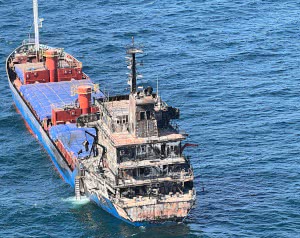
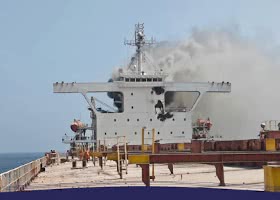
Attacks on ships in the Strait of Hormuz and the Black Sea are multiplying.
Sofia/Southampton/New Delhi
Two vessels hit in Bulgaria's special economic zone
Maritime ETS: SMAP under scrutiny by those who produce the fuels of the future
Brussels
A joint letter from producers, utilities, shipowners and NGOs calls for the reservation of quotas for e-fuels and the introduction of advance booking
The Port of Los Angeles sets new all-time monthly and quarterly container throughput records.
Los Angeles
New peaks in full containers upon disembarkation and empty boxes
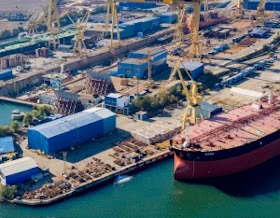
Rheinmetall acquires Mangalia shipyard for €138 million
Bucharest
The project is linked to the relaunch of the Romanian shipbuilding industry and the construction of four units for the Navy
United Transport Mutual is born: ships, ports and logistics under the same insurance umbrella.
London
UK P&I Club and TT Club members approve merger, retaining names, brands and teams
Spain, short sea shipping is declining
Madrid
SPC Spain warns that the costs of environmental regulations are pushing trafficking away from the sea
Port of Ravenna, August at -20.5% and September estimated at -9%.
Ravenna
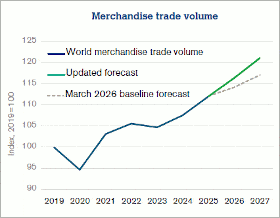
Global trade is more resilient than expected. AI is boosting goods, while services are holding back.
Geneva
The WTO has revised its estimates: goods growth of 3.9% in 2026, services growth of 3.3%. But the impact of the Middle East crisis is not the same for everyone.
European ports: sustainability enters the implementation phase
Brussels
From policies to results: the ESPO report photographs the sector's progress, declines, and priorities.
Le Aziende informano
Ufficiali di Macchina: l'Accademia Italiana della Marina Mercantile apre le selezioni per il corso ITS triennale gratuito. Scadenza 26 ottobre
German Federal Government Bans Sale of Zippel to Chinese Group COSCO
Berlin
In February the antitrust authority had approved it
Fedespedi Report: Northern Adriatic Ports Are Growing, But They Speak Slovenian and Croatian
Milan
Assoporti represented the Italian position on the EU ETS at ESPO
Rome
Petri: No to the indiscriminate application of rules designed for profoundly different territorial realities.
DP World secures ten more years of management of the multipurpose terminal at the port of Luanda
Dubai
Since 2021, it has invested over 260 million dollars in it
Port of Naples, the Darsena di Levante - warns Confindustria Napoli - can no longer wait
Naples
Hupac's new shuttle train between Busto Arsizio/Gallarate and Barcelona
Noise
The three-weekly service will be inaugurated on November 9th
Uniport: Port resilience must be transformed into growth
Rome
The association is calling on the government to provide clear timelines for infrastructure and dredging, to give businesses more weight in decision-making, and to amend the EU ETS.
Bangladesh seeks to increase competitiveness of ship recycling sector
Dhaka
A plant for the treatment, storage and disposal of waste resulting from ship demolition is planned
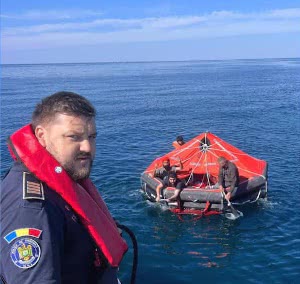
Three merchant ships hit in the Black Sea in the special economic zones of Romania and Bulgaria
Bucharest/Sofia
The accidents have resulted in a serious toll: two dead, several injured and an entire crew missing.
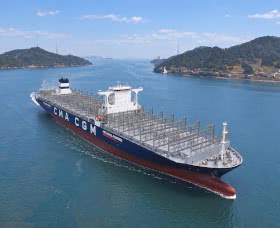
HD Hyundai installs first system that eliminates container lashing and unlashing on ships
Seoul
A 13,000 TEU container ship from CMA CGM has been equipped with it
Attacks on ships in the Strait of Hormuz continue
Southampton/London
Another vessel was hit yesterday. There have been 93 incidents in the Middle East since the beginning of the year.
Deep Wave expands its digital platform to passengers and cruises
Graz
Investment in Austrian MarineXchange
Construction of a cruise terminal has begun in the Japanese port of Naha.
Naha
Operations are scheduled to begin in March 2028.
Assiterminal promotes port reform, but calls for corrections to Ports of Italy.
Genoa
Three critical issues were highlighted by the terminal operators: the role of the AdSP, the overlap between the grantor and the concessionaire, and the retroactivity of the new regulations.
LNG Ships and Taxonomy: EU Court Rejects Lack of Methane Limits
The Commission will have to set a methane emissions threshold for maritime transport criteria. The appeal by three NGOs was partially upheld.
Ports: The EU Commission calls on Italy to reject the national flag requirement for towing and mooring.
Brussels
France and Spain also received a reasoned opinion: two months to comply with the regulation on port services.
Another ship attacked in the Strait of Hormuz
Southampton/Tehran
Iran faces a shortage of basic goods, which are also imported through the Persian Gulf.
European Corridors: Italy Faces the 2030 Challenge
Brussels
National infrastructure largely compliant, but timing and funding of key projects remain uncertain
Electrification of ports and airports: the electricity grid is the new bottleneck
Brussels
Transport & Environment calls for speeding up connections and moving beyond the "first come, first served" criterion.
Boluda manages the multipurpose terminal at the Príncep d'Espanya pier in the port of Barcelona
Barcelona
The concession contract will have a duration of 16 years
The current value of Aeroporto di Genova Spa is between 14.9 and 15.9 million euros.
Genoa
PwC's assessment presented
FEPORT: EU ETS should not push transhipment out of Europe
Brussels
The terminal operators' federation calls on the ENVI commission to strengthen measures against tax evasion and to allocate part of the ETS revenues to ports.
New series of attacks on ships in the Strait of Hormuz
Southampton/Tehran/Tampa
Three tankers hit by shells. Another vessel caught fire.
Eurokai, higher revenues but lower profits
Hamburg
Revenue up 14.4% and traffic up 8.3%, but net profit fell by 8.3% due to the lower share of Eurogate.
Genoa's boarding tax: the Regional Administrative Court rules in favor of the City Council.
Genoa
The appeal of shipowners and shipping agents was rejected
Carnival reports record revenues and profits in the June-August quarter despite a 36% increase in fuel costs.
Miami
Customer deposits are at their highest. Prices and occupancy are expected to record next year.
Winners and losers in port connectivity: the long journey of Italian ports' ups and downs.
Geneva
UNCTAD indices reveal a changing Mediterranean: Italy slips to seventh place, La Spezia, Trieste and Vado Ligure grow, while the South loses ground.
Electric trucks more affordable than diesel in six major EU markets
Brussels
According to T&E, in countries that account for 46% of European sales, electric vehicles have already become cheaper in five years. Italy, Spain, and Poland are lagging behind.
AP Moller Capital to acquire majority stake in Euroports
Copenhagen/Antwerp
R-Logitech will exit the capital, while PMV and SFPIM will remain shareholders
China, exports are growing but ports are slowing down
Beijing
In August, global foreign trade increased by +19.8%, but international goods handled by seaports decreased by -2.3%.
From Puertos del Estado to Ports of Italy: the same inspiration, an opposite outcome.
Genoa
For port reform, the government is referring to the Spanish model, but is building the exact opposite: yet another counter that the Italian corporate spirit knows how to invent so well.
Maritime ETS: Brussels opens up to hybrid and electric ferries, but Interferry demands more.
Brussels
The proposed revision strengthens the SMAP mechanism but leaves the issue of port networks and infrastructure to AFIR and FuelEU Maritime
Seafarer killed aboard bulk carrier attacked in the Strait of Hormuz
New Delhi/Southampton/Tehran
The other crew members were rescued.
Freight traffic in the ports of Genoa and Savona-Vado continues to oscillate between signs of recovery and slowdown
Genoa
In July, volumes increased in both Ligurian ports
Trasportounito offers an automatic system to adjust road haulage rates to the price of diesel.
Rome
Seafarers, five years after the Code of Conduct, the gap between policy and reality remains.
London
Shipping companies' compliance is growing, but issues remain regarding fatigue, psychological safety, complaints and recruitment fees.
Last month, ship traffic in the Suez Canal increased by +26.9%
Ismailia
In the first eight months of 2026, it was crossed by 9,602 ships (+17.4%)
Decision on crucial rail section of Scandinavian-Mediterranean Corridor in Germany postponed again
Hamburg
German port operators are calling for an acceleration of both new infrastructure and the upgrading of the existing line.
Kuehne+Nagel agrees to long-term strategic partnership with Amazon
Schindellegi
The agreement includes a call option on existing shares of the logistics group
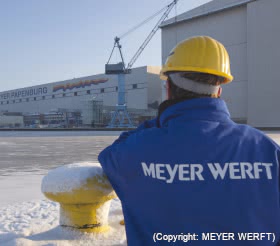
MSC in talks to acquire German shipbuilding group Meyer Werft
New York
Currently, 80.73% of the capital is held by the German Federal Government and the State of Lower Saxony.
Trafigura creates a new shipping company dedicated to oil transport
Geneva
Initially Volare Shipping has a fleet of six VLCCs plus eight under construction
Shipowners are calling on EU member states to approve the inclusion of two Indian shipyards in the European list of ship recycling facilities.
Brussels
The new headquarters of the Italian Merchant Marine Academy has been inaugurated in Genoa.
Genoa
French ports see a balance between increases and decreases in the second quarter.
Paris
Total traffic reached 71.1 million tons (-0.2%). Containers increased by 8.1%.
The Genoa Port Master Plan, the Pra' dock, and the Multedo chemical depots are the thorniest issues in the discussions with operators and the local community.
Genoa
Crosetto: The Italian Navy will ensure the safe transit of Italian ships through the Strait of Bab el-Mandeb.
La Spezia
We have - the Minister of Defense underlined - the capabilities to protect its passage
Assiterminal: Seabed certainty and planned dredging are essential for port competitiveness.
Genoa
Mordeglia: We don't just need a simpler rule, we need a predictable one.
Germany is reforming VAT to make its ports more competitive.
Hamburg
The Conference of Finance Ministers approves the compensation model that should eliminate the pre-financing of the tax from 2030
The fourth edition of Green Logitics Expo kicks off tomorrow morning in Padua.
Padua
It will see the participation of over 300 exhibitors and the holding of 30 conference events
In the third quarter of this year, cargo traffic in Turkish ports decreased by -1.1%.
Ankara
Volumes to and from Italy grew by +6.2%
Assiterminal, the flexibility of the PRPs should take into account the relevant market in which the ports operate
Genoa
Cetus Maritime plans to list on the Euronext Growth Oslo stock market
Hong Kong
Acquisition of 16 ships in preparation for listing on the stock exchange
On Saturday, a U.S. jet struck a bulk carrier in the Gulf of Oman.
Tampa
Centcom: The ship had attempted to enforce a naval blockade against Iran.
Ship hit near Strait of Hormuz
Southampton
A bullet started a fire which was later put out
OOCL reports 9.0% growth in vessel-borne volumes in the third quarter
Hong Kong
The increase in the value of maritime freight rates causes a +45.1% increase in revenues
HD Hyundai Marine Solutions to Acquire American Company Goltens Worldwide
Dubai/Seongnam
The company deals with the repair and maintenance of large marine engines and industrial machinery.
UNATRAS to the government: Immediately unblock measures to reduce diesel prices.
Rome
Road transport associations report delays and uncertainties in implementing the May 22 agreement and are calling for an urgent meeting.
Port of Taranto: Gugliotti renews his request to the government for funding for the port's wind farm.
Taranto
The project - he underlined - can neither be scaled down nor postponed.
Attack on a ship in the middle of the Persian Gulf
Southampton
The UKMTO reported that several projectiles caused casualties among the crew members.
Gioia Tauro: Addendum to the updated Port Plan approved
Gioia Tauro
The analysis will allow us to evaluate the Port Agency's employment and staffing needs.
Ships queuing, fuel wasted: how waiting at anchor can save you money.
Copenhagen
The Global Maritime Forum publishes Cargill's test results on 16 real-world voyages. Slowing down and arriving when the berth is free reduces fuel consumption and emissions.
ZIM raises full-year 2026 guidance
Haifa
Adjusted EBITDA and EBIT expected to be $2.7 billion/$3.0 billion and $1.4 billion/$1.7 billion
Gabriele Sangiorgi appointed acting secretary general of the Ravenna Port Authority.
Ravenna
Fabio Maletti's term has expired
Port of Genoa: Messina Terminal workers strike for one hour for a month
Genoa
The company reports that one of the union members did not show up at the last meeting as part of the cooling-off procedure provided for by the National Collective Labour Agreement.
Port of Taranto, agreement to participate in the development of the Valbasento Interporto in Ferrandina.
Matera/Taranto
A logistical-functional masterplan will be developed within 180 days
Attica, the deficit is reduced thanks mainly to capital gains and coverage
Kallithea
First half of the year with fewer crossings and slightly increasing revenues
Since the beginning of the year, passengers and goods on GNV ships have increased by +2% and +5%
Marrakech
Three-year strategic partnership with the Office National Marocain du Tourisme
Escola Europea - Intermodal Transport celebrates its 20th anniversary
Barcelona
A Mediterranean sea voyage between Barcelona, Civitavecchia, Palermo, and Genoa.
Filt Cgil, recognize maritime and port work as arduous
Rome
The union is calling for a clear provision to be included in the next budget law.
Tanker attacked in Hormuz
Southampton
The unit continued its navigation regularly
FS Logistix and Interporto Bologna presented the first Italian experimental DAC train
Assologistica event to discuss the Mediterranean strategy for Italian competitiveness
Rome
It will be held next October 30th in Naples
Sanilog launches a special cancer prevention campaign.
Rome
Three new areas dedicated to the prevention of head and neck and oral cavity cancers and the assessment of vascular risk
Contract awarded for dredging and completion of the electrification of the docks at the port of Gioia Tauro.
Gioia Tauro
They will be carried out respectively by Dravo and RTI Saet-Suardi
Student Naval Architect Award Awarded in Genoa
Genoa
The d'Amico Group and the Royal Institution of Naval Architects recognize excellence in naval engineering.
Freight transport is more expensive for Malta: €35 million per year between ETS, FuelEU and BAF
Zebbug
The hauliers' association calls on the government to challenge a European policy designed for the continent.
CMA CGM has finalized the acquisition of FedEx Supply Chain.
Marseille/Atlanta
With the transaction, CEVA Logistics' presence in North America has tripled.
SAILING LIST
Visual Sailing List
Departure ports
Arrival ports by:
- alphabetical order
- country
- geographical areas
Contships to order 10 feeder vessels with options for a further 10+10
Athens
Letter of intent with China's Hubei Guangji Green Energy Shipbuilding Group Co.
DP World signs agreement to develop deepwater port in Nigeria's Ogun State.
Dubai
The project includes approximately four kilometers of docks
New port regulations for Civitavecchia, Fiumicino, and Gaeta have been approved.
Civitavecchia
The procedural agreement with Interminal in Gaeta has been approved.
Kotug Acquires Majority Stake in Vortex Offshore
Rotterdam
The Dubai-based company provides maritime services to the offshore industry in the Middle East.
Over €1.9 billion in Spain to improve road and rail connections between ports
Madrid
Port authorities will contribute 875.1 million euros
Attica Holdings sold the ro-pax vessel Levka Ori for €8.3 million.
Kallithea
The ferry was built in 1987
DFDS's Trieste-Damietta ro-ro service will become bi-weekly in mid-October
Copenhagen
Inserting a second vessel into the route
The Italian Merchant Marine Academy increases cooperation with the Port of Durres.
Genoa
A memorandum of understanding has been signed
A volume on the history of the Tuscan port system will be presented in Livorno on Friday.
Livorno
A comparison of the key players in the port sector: from the reforms of the 1990s to the challenges of the future.
Suardiaz takes delivery of a 5,000-car LNG-powered car carrier
Madrid
A second PCTC vessel is expected in mid-2027
Hapag-Lloyd raises its 2026 outlook further
Hamburg
Strong demand and rising spot freight rates are pushing the company to significantly increase its EBITDA and EBIT forecasts.
UNIPORT's public meeting will be held in Rome on October 6th.
Rome
Debate on port reform and other relevant aspects of the sector
Pilot project for the production and use of green hydrogen at the port of Savona
Savona
Paroli (Western Ligurian Port Authority): a port area has been identified for work.
Tarros and Nurminen Logistics launch new Scandinavian-Mediterranean intermodal service
La Spezia/Helsinki
The land route connects Örebro, Parma and La Spezia
The first caisson of the breakwater protecting the regasification plant off the coast of Ravenna has been laid.
Ravenna
The maritime work will be approximately 900 metres long
Fincantieri and PT PAL sign agreement for the modernization of an Indonesian Navy vessel
Trieste
This is the "Kri Sriwijaya" unit (formerly "Giuseppe Garibaldi")
In Italy, the blue economy is worth 225 billion, and the nautical industry alone exceeds 10 billion in exports.
Rome
SACE's Focus On presented at the Genoa Boat Show
Fire aboard the Blue Star Ferries ro-ro vessel Blue Carrier 2
Kallithea
The 29 people on board were evacuated
Costs and timescales for the reconstruction of the four US Navy shipyards are rising exponentially.
Washington
If in 2018 21 billion dollars and 20 years of work were expected, today the estimate is 200 billion and at least 50 years.
Shipping faces its triple challenge: decarbonization, geopolitics, and the new geography of the automotive industry.
Chaff
At the Euromed Convention in Grimaldi, the sector is dealing with new environmental regulations, increasingly exposed routes and the shift of automotive production towards Southeast Asia.
Orizzonte Sistemi Navali signs a €3.7 billion contract for two destroyers
Trieste
The "Domenico Millelire" PPA has been delivered to the Navy.
Livorno: The Supreme Court of Cassation overturns the convictions in the Darsena Toscana docks affair.
Rome
The appeal ruling overturned the court's acquittal and convicted three defendants of ideological forgery.
The Port of Rijeka expects to close 2026 with a record container traffic of 800,000 TEUs.
River
With the new terminal on the island of Krk, traffic could rise to 1.7 million TEUs
Offshore wind energy funding: Pichetto reassures Taranto, but Taranto demands certainty.
Taranto
The 2026 funding for the Apulian port drops to €13.9 million. Gugliotti hopes for a formal confirmation of the remaining resources in 2027.
Port reform: The majority pushes ahead with Porti d'Italia SpA
Rome
The Chamber's Transport Committee rejects the opposition's suppressive amendments.
Gela's Porto Rifugio has received a favorable opinion for dredging the port's waters.
Palermo
PORTS
Italian Ports:
Ancona Genoa Ravenna
Augusta Gioia Tauro Salerno
Bari La Spezia Savona
Brindisi Leghorn Taranto
Cagliari Naples Trapani
Carrara Palermo Trieste
Civitavecchia Piombino Venice
Italian Interports: list World Ports: map
DATABASE
ShipownersShipbuilding and Shiprepairing Yards
ForwardersShip Suppliers
Shipping AgentsTruckers
MEETINGS
The fourth edition of Green Logitics Expo kicks off tomorrow morning in Padua.
Padua
It will see the participation of over 300 exhibitors and the holding of 30 conference events
Assologistica event to discuss the Mediterranean strategy for Italian competitiveness
Rome
It will be held next October 30th in Naples
››› Meetings File
PRESS REVIEW
Cosco Shipping arm readies China IPO to capitalise on global shipbuilding wave
(South China Morning Post)
Rosatom expects cargo traffic along Northern Sea Route to rise 14% in 2026 - CEO
(Interfax)
››› Press Review File
FORUM of Shipping
and Logistics
Intervento del presidente Tomaso Cognolato
Roma, 19 giugno 2025
››› File
Greenbrier Europe to produce NIK transshipment system for TX Logistik
Troisdorf/Berlin
Allows rapid loading of non-craneable semi-trailers onto trains
Maersk opens its own logistics center in the heart of Germany
Herleshausen
Located in Herleshausen, it has a surface area of 71,800 square meters
South Korea's HJ Shipbuilding & Construction Co. wins orders for four new 10,100 TEU containerships
Busan
The contract has a total value of approximately 500 million dollars.
Democratic Party: The government's port reform paves the way for privatization of Italian ports.
Rome
Ghio and Misiani: it also takes resources and skills away from the territories
Port self-production: The Council of State denies the segmentability of the authorization pursuant to Article 16, paragraph 3.
Rome
Cartour's "partial" authorization in the port of Salerno has been suspended.
Port of Miami closes fiscal 2026 with record cruise traffic
Miami
The threshold of ten million passengers has been exceeded, compared to 8.56 million in the previous financial year.
The Grimaldi Group has taken delivery of the new pure car and truck carrier Grande Egitto.
Naples
Its load capacity reaches 9,800 ceu
Port reform will be discussed in Genoa on October 2nd.
Genoa
Workshop organized by the AdSP and the Altero Matteoli association
Fratelli Cosulich strengthens its logistics network with the opening of Express Global Dubai
Dubai
Teresa Cosulich will be responsible for the new logistics office.
"A Sea of Switzerland" will be held in Lugano on October 9th
Lugano
Ninth edition of the International Forum on Transport and Infrastructure
New attack on a ship in the Strait of Hormuz
Southampton
A bullet caused minor injuries to two crew members
Brullo Group orders three 40,800-ton deadweight oil/chemical tanker vessels
Rome
Order to the Chinese shipyard Anhui Shipyard
A new megayacht production, maintenance, and storage hub opens in Trieste.
Trieste
Trieste Shipyards was founded by Seadock (Samer group) and Yachting Expertise and is owned by Friulia
Confitarma applauds the government's initiative to protect Italian ships in the Red Sea.
Rome
Zanetti: Maritime security is, in effect, a component of national economic security
Unions approve the platform for the single collective bargaining agreement for the shipping industry.
Rome
Filt, Fit and Uilt, is structured around three central elements such as salary, protection, participation and thirteen concrete requests
FHP Intermodal is increasing the frequency of its freight rail service between Fiorenzuola and Incoronata/Bari.
Milan
It goes up to five days a week
This year over 2,000 large yachts operated along the Italian coasts
Rome
Plus 10% for owned boats and a substantially stable trend for chartered ones
The event "Cyber-resilience in the maritime sector: defense, regulations, and European cooperation" will be held in Rome on Tuesday.
Rome
It is organized by Var Group and Confitarma
Smeup, with the acquisition of HTG, expands its portfolio in the logistics and transport sector
Erbusco
The Turin-based company specializes in the development of proprietary software
Saudi Arabian ports: Liquid bulk throughput to decline sharply in 2025
Riyadh
Total traffic fell to 298.3 million tonnes (-10.9%)
- Via Raffaele Paolucci 17r/19r - 16129 Genoa - ITALY
phone: +39.010.2462122, fax: +39.010.2516768, e-mail
VAT number: 03532950106
Press Reg.: nr 33/96 Genoa Court
Editor in chief: Bruno Bellio
No part may be reproduced without the express permission of the publisher
Search on inforMARE Presentation
Feed RSS Advertising spaces

inforMARE in Pdf
Mobile