
If the blockade of ship traffic in the Strait of Hormuz, which is
It began last February after the first attacks by the armed forces
of the USA and Israel against Iran, is still ongoing and is
used by Tehran as an important card to play in the negotiations
for the cessation of military operations, another vital artery
maritime world risks being put in crisis again by the
possible resumption of attacks by Yemeni Houthi rebels against
ships transiting the Red Sea.
This morning, in fact, the spokesman of the rebels, Brigadier
General Yahya Saree, proclaimed a total ban on the
navigation in the Red Sea for all ships attributable to
Israeli interests, which would be considered as objectives
military. The threat was accompanied by the announcement
of the firing of missiles against the Israeli city of
Jaffa that they would achieve their goals. 'At the
escalation - specified Saree referring to the continuation
Israeli attacks in Lebanon - will be answered with
escalation, and our operations will intensify based on
developments".
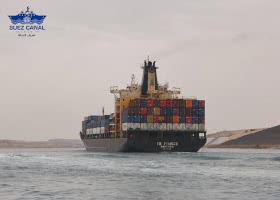
The possible resumption of attacks on ships in transit in the
Red Sea poses a major threat to ship traffic
in the region and in the Suez Canal. Since the end of 2023 the ship
PCTC Galaxy Leader had been seized by Houthi militiamen
 (
of 20
November 2023), the Red Sea crisis had rapidly
aggravated by the multiplication of attacks on ships, so much so that
since then, maritime traffic in the Suez Canal has increased
almost halved, with 12,758 ships passing through the canal
Egyptian in 2025 compared to 26,434 in 2023 and with 4,506 ships
transited in the first four months of 2026 compared to 8,630 in the
corresponding period of 2023.
(
of 20
November 2023), the Red Sea crisis had rapidly
aggravated by the multiplication of attacks on ships, so much so that
since then, maritime traffic in the Suez Canal has increased
almost halved, with 12,758 ships passing through the canal
Egyptian in 2025 compared to 26,434 in 2023 and with 4,506 ships
transited in the first four months of 2026 compared to 8,630 in the
corresponding period of 2023.















 - Via Raffaele Paolucci 17r/19r - 16129 Genoa - ITALY


