testata inforMARE
Cerca
06 September 2026 - Year XXX
Independent journal on economy and transport policy
04:34 GMT+2
LinkedInXFacebook


CENTRO ITALIANO STUDI CONTAINERSYEAR XVII - Number 9/99 - SEPTEMBER 1999

Logistics

Il trasporto aero-marittimo: uno strano ibrido

I vettori marittimi a malapena si accorgono dei volumi generati dal trasporto aero-marittimo - forse 10-15 TEU per viaggio - e, dato che complessivamente il trasporto aereo di merci a livello mondiale rappresenta l'1% dei traffici mondiali quanto a volumi e che i volumi del trasporto aero-marittimo ne costituiscono a loro volta una minuscola percentuale, difficilmente potrebbe dirsi che esso rappresenti una delle principali modalità di trasporto. Persino i suoi più convinti sostenitori non possono affermare che esso sia qualcosa di diverso da una carta minore nella partita della logistica. Anche se poi si tratta di una carta che almeno alcuni esportatori ed importatori sono felici di avere in mano.

I principali generatori di traffico aero-marittimo sono sempre stati gli esportatori dell'Asia orientale, dato che essi desiderano tempi di viaggio più rapidi ad un costo ragionevole e/o data la carenza di capacità di trasporto merci aereo diretto. Tali pressioni erano particolarmente forti negli anni '80, allorquando vi era un serio squilibrio dei traffici a favore delle esportazioni dall'Asia e di conseguenza non c'era abbastanza capacità di trasporto merci aereo in uscita al fine di far fronte alla domanda.

Unitamente ai tempi ciclici più rapidi, che stanno a significare che gli esportatori erano riluttanti a lasciare le proprie merci sui mari per diverse settimane, ciò ha comportato l'istituzione di due rotte aero-marittime. Una era strutturata su una tratta via mare da Hong Kong o Singapore a Dubai ovvero alla volta del vicino emirato di Sharjah, e da qui via aria alla volta dell'Europa o degli Stati Uniti; l'altra, via mare a Seattle e da qui via aria alla volta dell'Europa. La rotta medio-orientale era alimentata in particolar modo dalla crescita dei voli dall'Europa all'Asia che, con i vecchi aeroplani in uso a quel tempo, dovevano fare scali di rifornimento a Dubai. Questo, insieme alle politiche liberali della famiglia regnante di Dubai Al Mahktoum, aveva reso l'emirato un importante nodo per il trasporto meri aereo. Dal momento che il Golfo esporta petrolio ed importa quasi tutte le altre cose, il trasporto aero-marittimo assicura altresì a Dubai un'utile fonte di trasporto merci in direzione ovest.

I promotori di tali rotte sostenevano che esse offrivano tempi di viaggio dimezzati rispetto a quelli del trasporto marittimo a costi dimezzati rispetto a quelli del trasporto aereo. In effetti, la proporzione dei costi è in qualche modo più elevata, dato che il costo del trasporto aero-marittimo solitamente è doppio rispetto a quello del trasporto marittimo mentre è due terzi di quello del trasporto aereo. Il direttore dei trasporti marittimi del Circolo degli Spedizionieri britannici, Jonathan Bucley, dopo aver dichiarato che i prezzi sono fluttuanti, quota un tipico costo dall'Asia orientale al Regno Unito nell'ordine di 1,90 dollari USA al chilo per il trasporto aereo, di 1,20 dollari per il trasporto aero-marittimo e di 50-60 centesimi per il trasporto marittimo.

Nel suo momento culminante - stima John Dilley, direttore marketing e servizio clienti del Circolo degli Spedizionieri britannici - il trasporto aero-marittimo equivaleva all'8-10% dei volumi di trasporto merci aereo dall'Asia all'Europa. Tuttavia, alla metà degli anni '90, la percentuale dell'aero-marittimo ha cominciato ad indebolirsi. La crescente prosperità dei paesi dell'Asia orientale, almeno sino alle crisi valutarie del 1997, ha comportato che le importazioni hanno eguagliato o addirittura superato le esportazioni.

Nello stesso tempo, le linee aeree asiatiche si espandevano aggressivamente, acquisendo flotte di 747 adibiti al trasporto merci, mentre anche i principali operatori europei di trasporto merci aereo - quali Lufthansa, Air France e la lussemburghese Cargolux - incrementavano la capacità di trasporto merci alla volta del dorato mercato asiatico. I vettori medio-orientali, quali la Gulf Air e la Emirates, le cui rotte in precedenza si concentravano sull'Europa e che avevano accolto favorevolmente il trasporto aero-marittimo allo scopo di riempire le loro tratte in direzione ovest, hanno iniziato a volare in forze anche alla volta dell'Asia orientale e hanno cominciato a cercare traffici dall'Asia all'Europa. La conseguente guerra tariffaria ha offerto molte opportunità agli esportatori dell'Asia orientale.

Nel contempo, i tempi di viaggio più veloci nel trasporto marittimo - derivanti dall'eliminazione degli scali intermedi da parte dei vettori marittimi - ha ridotto il vantaggio del trasporto aero-marittimo sul trasporto marittimo puro. Dati i tempi di viaggio di 18-19 giorni disponibili per la tratta da Singapore e quelli di 22-23 giorni per la tratta da Hong Kong, il viaggio in 12-16 giorni di trasporto aero-marittimo alla volta dell'Europa via Dubai sembrava poter offrire un vantaggio meno clamoroso. Anche la maggiore frequenza delle partenze ha reso meno necessario il ricorso al trasporto aero-marittimo nel caso un carico non riuscisse ad arrivare in tempo per una partenza.

Pure il trasporto aero-marittimo via Seattle, che una volta rappresentava l'attività principale per vettori aerei quali la Cargolux e la Lufthansa, sembrerebbe essere sfiorito sotto l'effetto di questa duplice pressione. Tuttavia, il traffico attraverso i due nodi medio-orientali sta andando ancora forte. La Dubai Cargo Village, e cioè l'operatore del complesso dedicato ai carichi aerei presso l'aeroporto di Dubai, ha dichiarato che il trasporto aero-marittimo è cresciuto del 10,94% nel 1998 sino a 73.780 tonnellate, che poi costituisce il 16,6% del tonnellaggio complessivo che passa dall'aeroporto in questione. Presso il vicino nodo di Sharjah - che è il campione mondiale di trasporto aero-marittimo nel settore del trasporto aereo - la crescita è stata ancora più clamorosa. Le cifre ufficiali mostrano una crescita del 48,3% del trasporto aero-marittimo nel 1998 fino a 47.512 tonnellate, ovvero l'8,8% del traffico aereo.

Da dove proviene questo traffico? Una risposta potrebbe essere: dal vecchio cavallo di battaglia del trasporto aero-marittimo, vale a dire la carenza di capacità di carico aerea. Con l'arrivo della crisi asiatica, le linee aeree hanno diluito i servizi alla volta della regione e - dato l'aumento delle esportazioni a causa della svalutazione delle valute asiatiche - il risultato è stato una diminuzione della capacità di carico aerea in uscita. Allo stesso tempo, anche la capacità marittima in uscita da Hong Kong e da Singapore è divenuta difficile da procurarsi, particolarmente nei periodi di punta natalizi del 1997 e nel 1998. Peraltro, con le navi fino a 5.000 TEU ora in servizio sulle rotte dell'Asia orientale e del Medio Oriente, la capacità di trasporto merci marittimo è diventata relativamente facile da trovare a Dubai, di modo che il trasporto aero-marittimo è divenuto ancora una volta allettante.

Questi fattori quasi certamente intensificheranno la domanda di trasporto aero-marittimo anche verso la fine del 1999. Argomenta Buckley: "Lo scorso anno, un sacco di gente ha effettuato ordinazioni sulla speranza e si è bruciata le mani; quest'anno saranno molto più prudenti ed ordineranno all'ultimo minuto, spingendo verso l'alto la domanda di trasporto aero-marittimo". D'altro canto, altri puntano sulla ripresa in Asia e sulla predisposizione di scorte da parte dei fornitori in caso si verificassero problemi, il che condurrebbe ad una carenza di capacità di trasporto merci aereo ad ottobre od a novembre, in particolar modo poiché molte linee aeree riducono i voli a causa del ribasso asiatico. In ogni caso, il trasporto aero-marittimo senza dubbio costituirà una soluzione popolare.

La carenza di capacità, peraltro, non spiega tutto il traffico aero-marittimo via Dubai e Sharjah. L'operatore di gran lunga più importante nel mercato del traffico aero-marittimo, come ammettono anche i suoi rivali, è la tedesca SAT (Sea Air Transport), che commercializza l'aero-marittimo sotto il marchio Albatros. Dal 1984, la SAT è quella che ha fatto di più per creare il mercato via Dubai e Sharjah, in collaborazione con lo spedizioniere di Dubai Swift Freight. Manfred Kiel, uno dei due proprietari della SAT, nota che i clienti, pur programmando raramente l'aero-marittimo di per sé, tuttavia siglano contratti con la SAT: "Il cliente, però, non garantisce mai 100 tonnellate su una certa data. Egli afferma che se si dovesse trovare in tale situazione, noi avremmo la nostra quota" spiega Kiel. Per questa ragione, la maggior parte degli spedizionieri preferisce sub-contrattare la capacità aero-marittima presso la SAT piuttosto che programmare tale tipo di trasporto in proprio".

Un importante spedizioniere che non si serve della SAT è la Panalpina, che utilizza infrastrutture proprie presso l'aeroporto di Sharjah e la propria branca in grado di garantirle capacità, vale a dire la ASB (Air Sea Broker), allo scopo di realizzare pacchetti aero-marittimi per conto proprio. Wolfgang Meier, vice presidente anziano per l'Estremo ed il Medio Oriente, la C.S.I. ed il noleggio della ASB, è d'accordo sul fatto che pochissimi clienti programmino l'aero-marittimo, ma afferma anche che la ASB si accorda con lo stesso cliente per l'aero-marittimo tutti gli anni. "Quando gli si parla, essi dicono: sì, avremo bisogno dell'aero-marittimo, ma non chiedeteci quando. Si potrebbe trattare di 150 tonnellate un mese e 400 tonnellate il mese successivo".

Le ragioni per cui tali caricatori optano per l'aero-marittimo sono molte e diverse. Una fornitura all'ultimo momento ovvero un ritardo nella produzione rappresentano una ragione comune per gli esportatori tessili del sub-continente indiano, che - secondo Ali Al Jallaf, direttore del Dubai Cargo Village - costituiscono l'80% del traffico aero-marittimo che passa attraverso l'aeroporto. In questo caso, il marittimo puro rappresenta la modalità normale mentre l'aero-marittimo viene utilizzato per le emergenze quando gli orari non vengono rispettati. Talvolta, questa modalità serve anche quando si verifica la necessità di portare i prodotti in Europa o negli Stati Uniti prima che vengano superati i limiti sulle quote d'importazione.

Ma, come spesso accade per l'aero-marittimo, le cose non sono così semplici. Le tariffe di trasporto merci aereo, che fluttuano in modo selvaggio in uscita dal sub-continente indiano, costituiscono altresì un fattore-chiave, e due operatori diversi possono all'apparenza vedere due tendenze opposte nel medesimo mercato. Così, Meier riferisce che c'è stato un forte periodo di punta del traffico aero-marittimo dal sub-continente indiano nell'aprile di quest'anno, mentre Dilley, del Circolo, suggerisce come le basse tariffe di trasporto merci aereo e la relativamente bassa frequenza delle partenze dall'India a Dubai hanno nuovamente dirottato il traffico verso il settore aereo.

I clienti più probabili per l'aero-marittimo sembrerebbero essere i produttori tessili e di calzature dei paesi del Sud-Est asiatico. L'Indonesia, che già nei tempi migliori rappresentava un mercato difficile per i traffici aerei, per molto tempo ha utilizzato il trasporto merci marittimo al fine di portare i propri prodotti tessili e calzaturieri a Singapore ed in altri posti dotati di migliore capacità di trasporto aereo. Meier ha inoltre rivelato come il Vietnam e lo Sri-Lanka siano fonti di carichi in crescita.

Sebbene le industrie tessili e calzaturiere rappresentino i pilastri del settore, l'aero-marittimo viene utilizzato anche per i computers, l'elettronica, i giocattoli ed altri manufatti ad alta tecnologia. Al Jallaf riconosce che queste voci rappresentano il 20% dei volumi attraverso Dubai. Sono proprio gli articoli elettronici di elevato valore che stanno dietro al traffico aero-marittimo da Hong Kong, che costituisce da sempre la fonte di gran parte dell'aero-marittimo. Kiel spiega che Hong Kong è ancora un importante mercato e considera la Cina come uno dei grossi mercati del futuro.

Meier non ne è così sicuro, sottolineando la rapida crescita dei voli di trasporto merci alla volta di Shanghai e prevedendo che altro traffico sarà dirottato sul trasporto aereo. E Meier fa notare come ciò abbia già liquidato un mercato dell'aero-marittimo. I carichi marittimi dalla Cina a Busan o Seoul in Corea del Sud, da dove poi volavano attraverso il Pacifico alla volta degli Stati Uniti, alcuni anni fa erano diventati una moda. Meier afferma che adesso tutto ciò non esiste più, essendo stato fatto fuori dalla crescita dei voli di trasporto merci alla volta di Shanghai, dato che la Cina si è aperta ai vettori esteri. Anche l'inserimento di altri servizi diretti di trasporto marittimo per la Cina ha comportato la riduzione della domanda per l'opzione aero-marittima.

Sebbene l'aero-marittimo sia spesso prescelto dagli esportatori che vanno di fretta o cercano di ridurre i costi, esso talvolta viene ingenerato anche dagli importatori. Sia Meier che Colin Sullivan, direttore esecutivo della Cromac Smith, concessionaria della Albatros per il Regno Unito, affermano che gran parte della domanda proviene dai grandi magazzini. Questa domanda dei dettaglianti - secondo Sullivan - di solito è sensibile ai tempi, il che comporta che le consegne debbano evolvere dal marittimo puro all'aero-marittimo, in particolar modo nella periodo della corsa pre-natalizia, quando la capacità è quasi sempre sfruttata al massimo nei porti e negli aeroporti.

Un altro fattore allettante per gli importatori europei, secondo Kiel, è la precisione dell'aero-marittimo. "Quando la gente dice che l'aero-marittimo è a 12-14 giorni da Hong Kong, ciò non corrisponde proprio alla verità. Se si prevede una consegna per il giorno e l'ora tale, lo sarà" commenta. "L'aero-marittimo significa che si può farla arrivare là in 14 giorni alle 7 del mattino". Un numero sempre maggiore di clienti, perciò - a detta di Kiel - si serve del trasporto aero-marittimo, al posto del marittimo puro, per le consegne just-in-time.

Simili considerazioni possono inoltre convincere la clientela a dirottare i carichi dal trasporto aereo a quello aero-marittimo: "Alcune imprese hanno scoperto che con il trasporto aereo di merci il prodotto arriva prima che ve ne sia bisogno. In tali casi, il trasporto aero-marittimo può fargli risparmiare denaro ed adattarsi meglio alle loro esigenze logistiche" spiega Sullivan.

Per tali clienti, concorda Jörg Eggenberger, direttore del trasporto merci aereo della Panalpina, il trasporto aero-marittimo non è altro che un ulteriore modo per tenere basse le scorte. "Se si servivano del solo trasporto marittimo puro e del solo trasporto aereo puro, si trattava di modalità un po' rigide: il trasporto aero-marittimo fornisce loro un'altra opzione". Eggenberger ha poi sottolineato che quest'ultima modalità può altresì essere allettante per il trasporto alla volta di località distanti dal mare. "In relazione all'Europa centrale, ad esempio, il trasporto aero-marittimo è in grado non solo di far risparmiare sui tempi di movimentazione in porto, ma anche di consegnare il carico direttamente a Zurigo".

Anche le dimensioni, senza dubbio, rappresentano un criterio per decidere se utilizzare il trasporto aero-marittimo. Sullivan sottolinea come esso sia particolarmente allettante per lo LCL, che ha bisogno di essere svuotato, il che si va ad aggiungere ai tempi di viaggio ed ai costi.

Kiel riconosce che esiste un limite massimo a ciò che può essere trasportato mediante l'aero-marittimo, ma suggerisce anche come sia difficile quantificarlo. "Le spedizioni da cento tonnellate non sono insolite" ha dichiarato. Sullivan parla di una spedizione di 320 tonnellate da Taiwan. Si tratta di grosse cifre in termini di trasporto merci aereo (un 747 merci trasporta circa 110 tonnellate se i venti sono favorevoli), ma non ovviamente per il trasporto merci marittimo.

Sebbene sia la rotta principale, la tratta Asia-Europa via Dubai o Sharjah non è la sola rotta aero-marittima al momento esistente. La direttrice su Seattle potrà anche essersi esaurita, ma vi è ancora qualche spedizione transpacifica alla volta di Los Angeles o Miami per successive destinazioni aeree. Masayoshi Kurita, portavoce della NYK Line, riferisce che il trasporto aero-marittimo rappresenta "appena una piccola percentuale" di traffico rispetto alle proprie rotte dal Giappone alla Costa Occidentale degli Stati Uniti, di cui il 90% passa per Los Angeles ed il 10% per Seattle, con occasionali richieste per Miami. "Ci è stato detto che vengono utilizzate anche Vancouver e Tacoma" aggiunge Kurita.

L'utilizzazione di Los Angeles e Miami nell'ambito di tali rotte è recente ed è finalizzata all'America latina. Horst von Kanel, vice presidente della ASB a Miami, ritiene che la sicurezza costituisca il fattore principale di tale scelta. "I clienti preferiscono che il carico voli a - poniamo - Bogotà, piuttosto che arrischiare l'autotrasporto da un porto" spiega. "Lo stesso vale per il Brasile: vogliono che il carico vada dritto a San Paolo od a Manaus e non ad uno scalo marittimo".

Non sorprende, allora, che tali carichi tendano ad essere costituiti da articoli di elevato valore (la NYK menziona quali carichi aerei tipici l'elettronica e le parti di automobili). Von Kanel afferma che può trattarsi "di qualsiasi cosa, come distribuzione della McDonald's, promozioni Pepsi, tessili, orologi, insomma tutto quanto". Anche alcuni prodotti chimici e parti di auto vengono dall'Europa via Miami mediante trasporto aero-marittimo, ma von Kanel precisa che generalmente tali carichi viaggiano a mezzo trasporto aereo puro. Dall'Asia, il principale punto di origine è Hong Kong, unitamente con Taiwan, il Giappone e la Cina. Secondo lui, le partenze dirette dai porti cinesi, quali Shanghai e Dalian, stanno evidenziando una crescita particolare.

Anche così, queste rotte sono soggette alla minaccia rappresentata dalla duplice pressione della maggiore capacità aerea - la China Airlines di Taiwan ora fa volare due 747 merci alla settimana alla volta di Miami e la Japan Airlines fa volare i 747 alla volta della vicina Atlanta - e dei tempi di viaggio marittimi più veloci. Von Kanel afferma che il trasporto aero-marittimo via Miami alla volta del Brasile richiede 22-25 giorni, mentre il trasporto marittimo puro ne richiede solamente 30. "E, alla volta di Bogotà, il trasporto merci marittimo richiede 15-20 giorni, per cui perché pagare 50 centesimi in più (il doppio del prezzo del marittimo puro) per il trasporto aero-marittimo?". Kiel sottolinea come sia senz'altro più semplice e probabilmente più sicuro far volare il carico da Hong Kong al Sudamerica per tutto il tragitto su Lufthansa via Francoforte, piuttosto che per trasporto aero-marittimo via Miami.

Il transito per Los Angeles a lungo termine potrebbe dimostrarsi un buon mercato, dato che riduce di cinque giorni la tratta marittima di trasporto merci. Il problema in passato era costituito dalla carenza di capacità di linee di trasporto aereo merci alla volta dell'America Latina in uscita da Los Angeles (Miami è di gran lunga il principale nodo aereo per quell'area). "Ora, però, si possono raggiungere un sacco di posti da Los Angeles, tra cui Buenos Aires, Montevideo, Panama, Santiago, Guadalajara, San Paolo e Manaus" sostiene von Kanel. "A lungo andare, penso che Miami perderà traffici a favore di Los Angeles".

E, peraltro, anche Los Angeles è vulnerabile. La giapponese Canon si è servita del trasporto aero-marittimo per 30 anni e secondo Kazuo Sugioka, direttore generale della divisione pianificazione logistica, questa località è stata uno dei punti di transito utilizzati, unitamente a Vancouver ed a Seattle. Tuttavia, nell'agosto del 1998 essa ha abbandonato questa modalità a favore del trasporto merci aereo. Quest'ultima modalità è più costosa solamente del 20% circa, offre tempi di viaggio di meno di una settimana rispetto alle due del trasporto aero-marittimo e, per ironia, in accordo con l'opinione di von Kanel, secondo Sugioka offre una sicurezza migliore. "Il problema era rappresentato dal fatto che i vari tipi di trasbordo dal contenitore marittimo all'aereo e dall'aereo ad un altro aereo comportavano il danneggiamento o la perdita di molte spedizioni, di modo che la consegna era meno affidabile di quella programmata con i servizi aerei" spiega Sugioka.

Qualsiasi cosa succeda, comunque, il trasporto aero-marittimo continuerà ancora con tutta probabilità a servire le località fuori mano. La ASB effettua operazioni con l'African Star, un volo merci su DC8 dal Lussemburgo che tutte le settimane trasporta pezzi di ricambio per impianti di trivellazione e macchinari alla volta di São Tomè, al largo della costa dell'Africa occidentale. Il viaggio è correlato ad una nave di raccordo da 10 TEU di proprietà della ASB che porta lo stesso nome e che scala una serie di piccoli porti dell'Africa occidentale, o, se è necessario, gli impianti di trivellazione stessi. "Si tratta di piccole realtà che non dispongono di servizi aerei regolari, ovvero con nessuna capacità di carico aereo, di modo che la nave rappresenta l'unico modo per raggiungerle" spiega Eggenberger.

Nel frattempo, l'aeroporto di Sharjah continua a reclamizzare le proprie virtù di nodo di trasporto aero-marittimo per l'Africa e la C.S.I. L'Africa resta principalmente un mercato di scambi: i commercianti volano a Dubai o a Sharjah dall'Africa, acquistano merci e le spediscono come bagaglio in eccedenza ovvero su voli merci a noleggio; il Dubai Cargo Village, però, alla fine non classifica tale traffico nelle proprie statistiche come trasporto aero-marittimo.

La C.S.I. per molti anni ha avuto un andamento simile, con Dubai e Sharjah - ma particolarmente quest'ultima - a costituire la base di una miriade di vettori della C.S.I. che vi facevano volare vecchi aeroplani dal Kazahkstan o dall'Azerbaijan al fine di trasferire i prodotti elettronici ovvero altri beni di consumo dei paesi sviluppati che erano arrivati dall'Asia Orientale via mare. La rotta era anche logica: in mancanza di uno sbocco al mare, molti paesi della C.S.I. era accessibili solamente mediante una combinazione di mare ed aria. Fino ad un anno fa, sembrava che questo traffico fosse in qualche modo avviato a diventare meno provvisorio e più raffinato. Ma i benefici goduti hanno avuto vita breve: il boom è finito bruscamente nell'agosto del 1998, un fatto che spiega come mai le cifre di Sharjah abbiano mostrato un anno dopo l'altro cali dei volumi dell'ordine di più del 20% nel trasporto aero-marittimo in relazione ai restanti mesi dell'anno.

Anche Al Jallaf del Dubai Cargo Village ammette che il mercato "non è grande quanto era solito essere". A sua volta, Meier della ASB, persona dotata di notevole esperienza del mercato russo, liquida l'intera faccenda. "La tratta Estremo Oriente-C.S.I. via Emirati non è più definitivamente un mercato di trasporto aero-marittimo" sostiene. "Un sacco di merci vanno ancora alla C.S.I. dalla Cina e dall'India, ma si tratta di trasporto aereo puro e non di trasporto aero-marittimo".
(da: Containerisation International, luglio 1999)

FROM THE HOME PAGE
IMO, the Net-Zero Framework remains stalemate: agreement on carbon pricing is still lacking.
London
38 states voted in favor and 17 against. Formal adoption postponed until December.
Brussels launches the Maritime Industrial Alliance
Brussels
The EMA, the new EU instrument to coordinate industry, member states, and investors in the maritime sector, is born.
The safety and sustainability of ship recycling operations must also be guaranteed in the downstream work phases of the supply chain
Geneva
This is underlined by the representatives of the unions belonging to IndustriALL Global Union
Study to create a maritime corridor between the UK and the US using nuclear-powered container ships
London
Two Filipino sailors killed from ship attacked Monday in the Strait of Hormuz
Riyadh
Bahri VLCC Sidr hit
Shipowners' associations welcome proposal to include two Indian shipyards in EU list of ship recycling facilities
Brussels
BIMCO, ECSA, ICS, Intercargo, Intertanko and WSC consider this an important step towards addressing the structural capacity shortage in the European list
In Panama, the provision that protected the confidentiality of port concession contracts has been repealed
Balboa
The Panama Maritime Authority has accepted the request for transparency made by President José Raúl Mulino.
Fincantieri and TKMS sign agreement to strengthen collaboration in the underwater segment.
Trieste/Kiel
The agreement does not provide for mergers or acquisitions
Philippine terminal operator ICTSI to acquire African port operator TLG
Manila
The company operates in Mozambique, Namibia and South Africa
EU ship recycling facilities are operating well below capacity as European vessels continue to be dismantled in Asia
Brussels
This is reported by a study by Shipbreaking Platform and Transport & Environment
In the second quarter, cargo traffic in the Moroccan port of Tangier Med reached a new record
Anjra
Growth of +6% recorded in the first six months of 2026
Container shipping market recovery drives COSCO Shipping Holdings' quarterly results
Hong Kong
The Chinese group has ordered 12 new 22,000 TEU container ships and six 3,200 TEU ones.
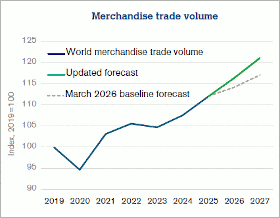
G20 trade accelerates in second quarter
Paris
Imports of goods and trade in services are driving growth, while exports are maintaining a strong pace
La Spezia Container Terminal invests €90 million in port equipment for the new Ravano Terminal.
La Spezia
OOIL's half-year results are weighed down by the negative performance of the first quarter
Hong Kong
The January-June period closed with a net profit of 729.3 million dollars (-23.6%)
Port of Livorno: The Regional Administrative Court (TAR) has annulled the extension of the coastal landscape restriction to the port and hinterland areas.
Florence/Livorno
SBB CFF FFS Cargo returned to profit in the first half of the year
Bern
The Swiss group's trains transported over six million passengers (+1.3%)
White House denounces practice of "illegal" port transshipment to evade U.S. tariffs
Washington
IMO urges naval missions to counter rising piracy in the Gulf of Aden
London/Riyadh/Southampton
The very large crude carrier "Amzan" of the Saudi company Bahri was attacked in the Red Sea.
CMA CGM and Red Sea Gateway Terminal finalize agreement for Terminal 4 at Jeddah Port
Paris
The planned investment amounts to approximately 434 million dollars
The slowdown in the Chinese economy is reflected in port traffic
Beijing
In July, overall traffic decreased by -3.4%, with a contraction that no longer only concerns domestic trade, but is also starting to affect goods with foreign countries.
In the second quarter, freight traffic in the port of Bremen/Bremerhaven grew by +6.0%
Bremen
In the first six months of 2026 the increase was +5.9%
Fincantieri and Viking convert options into orders for two new cruise ships
Trieste
A ship was boarded by pirates in the Gulf of Aden
Southampton
The unit was forced to head towards Somalia
CK Hutchison initiates international arbitration proceedings against the Republic of Panama
Hong Kong
The action follows a similar one by its subsidiary PPC. The lawsuit seeks damages of $2 billion and over $1.5 billion.
Hapag-Lloyd to acquire 25% stake in APM Terminals Maasvlakte II
Hamburg
The Maersk Group company will retain operational control of the Dutch terminal
The German company Hapag-Lloyd has signed an agreement with APM Terminals, the terminal operator of the AP Møller-Mærsk shipping group, for
ZIM also records a recovery in the second quarter
Haifa
Acquisition by Hapag-Lloyd expected by the end of the year
In the second quarter, freight traffic in the port of Civitavecchia grew by +3.6%
Civitavecchia
In the first half of this year the total was 3.93 million tons (+1.5%)
Last month the port of Singapore handled four million containers (+3.1%)
Singapore/Hong Kong
A 1.6% decline was recorded in the port of Hong Kong
AP Moller Capital to acquire majority stake in Globex Investissement
Copenhagen/Casablanca
Ship hit in the Strait of Hormuz
Southampton
Crew member of the "Minoan Dignity" dies
Last month, freight traffic in the port of Barcelona decreased by -6.5%.
Barcelona
In July, 300,961 containers were handled (-13.2%)
Abu Dhabi's sovereign wealth fund offers to acquire 100% of AD Ports' capital.
Abu Dhabi
He currently owns a 75.42% stake
In the first half of 2026, freight traffic in the port of La Spezia grew by +2.0%
La Spezia
Cargo traffic in Tunisian ports is growing sharply
In the April-June quarter it was 7.4 million tons (+8.8%)
The port of Koper reports a 5.6% decrease in quarterly freight traffic
Ljubljana
In June the decline was -18.9%
Strait of Hormuz crisis has severe impact on DP World's financial and operating performance
Dubai
Container traffic at CK Hutchison terminals fell by -1% in the first six months of 2026.
Hong Kong
Excluding operations in Panama, volumes increased by +5%
In the first half of 2026, freight traffic in the port of Hamburg decreased by -3.1%.
Hamburg
Containers amounted to four million TEUs (-3.7%)
HMM's revenues increased by 29.7% in the second quarter
Seoul
Net profit down, weighed down by lower financial income
Evergreen's net profit grew by 43.9% in the April-June quarter.
Taipei
Maersk and Hapag-Lloyd benefit from the recovery of the container shipping market
Copenhagen/Hamburg
The Danish company reports better quarterly performance than its German partner in Gemini Cooperation
Freight traffic in the ports of Genoa and Savona-Vado remained stable in the second quarter
Genoa
Passenger numbers drop at both ports
In the second quarter, Yang Ming recorded a net profit growth of +610.7%.
Keelung
Revenues stable in the first half of 2026
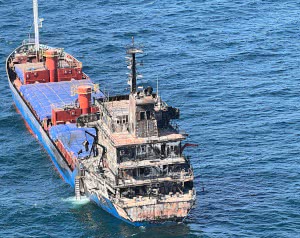
Two ships attacked in the Gulf of Oman and off the coast of Yemen
Southampton
A container ship was reportedly hit by an American helicopter
The Northern Sea Route is not at all competitive with the sea route through Suez
Basel
Study by two researchers from Mokpo National Maritime University
The auction on August 28 is expected to confirm Rheinmetall-MSC's interest in the Romanian Mangalia shipyard.
Bucharest
In the second quarter, vessel traffic in the Panama Canal grew by +9.6%, but decreased significantly in June
Panama/Balboa
The ACP introduces new limitations on vessel draft and does not exclude reductions in the daily number of transits.
Contract with Fincantieri for the construction of a third cruise ship for Crystal is now in force
Monaco/Miami
Delivery is scheduled for 2034
More explosions in the Strait of Hormuz area
Southampton/Tehran
Iran-Oman negotiations continue, but reopening to ship transit still seems a long way off.
Shipping associations reiterate their opposition to mandatory tolls and tariffs for transiting the Strait of Hormuz.
Two ships attacked in the Red Sea
Southampton/San'a'/New Delhi
Indian vessel "Faize Noore Oliya" sunk, Houthis claim attack on "NCC Wafa"
Prologis makes $18.8 billion offer to buy Segro
San Francisco
The combination will create a European giant in the ownership and management of logistics properties
In the April-June quarter, ONE recorded an improvement in financial performance
Singapore
During the period the fleet transported almost 3.3 million containers (+2.9%)
Global Port Holdings' revenues grew by 27% in the first half of this year.
Istanbul
Gross operating margin up 22%
In the second quarter, naval traffic in the Suez Canal increased by +16.5%
Cairo
In the first half of 2026, growth was +14.0%
In the second quarter of 2026, the Bosphorus Strait was crossed by 10,082 ships (+0.5%)
Ankara
In the first half of the year, naval traffic decreased by -0.5%
A report by the French National Assembly notes the competitive decline of the state's port ecosystem.
Paris
In the first half of 2026, FS's freight transport segment recorded a -2.7% drop in operating revenues
Rome
Traffic volumes amounted to approximately 8.8 billion tonne-km (-7.3%)
The EU ETS Observatory confirms that the emissions trading system is having a negative impact on EU ports.
Madrid
The proposed corrections are the broadening of the criteria for the designation of neighbouring container transhipment ports and a percentage reduction factor applied to the volume of CO2 emissions from ships.
Norwegian Cruise Line Holdings' revenues increased by 4.9% in the second quarter of 2026.
Miami
New historical record of passengers embarking on the fleet's ships
Fincantieri's half-year revenues remain stable
Trieste
Net profit increased by 191.4%. New orders fell by 58.5%.
In the second quarter, freight traffic in Albanian ports grew by +8.9%
Tirana
The US think tank Open Markets Institute proposes the establishment of a public container shipping company
Washington
Rao: Today the United States depends on a cartel of six foreign shipping companies
Royal Caribbean reports record revenue for the April-June quarter
Miami
New all-time peak in turnover in the first half of 2026
In the second quarter, CMA CGM group revenues increased by +19.2%
Marseille/New York/Los Angeles
United Ports Joint Venture with Stonepeak Completed
In the first three months of 2026, freight traffic in Belgian ports fell by -4.0%
Brussels
Landings and embarkations decreased by -2.0% and -6.4% respectively
A series of meetings on the new Port System Master Plan for the ports of Genoa and Savona-Vado has begun.
Genoa
The new concession agreement with Amico & Co Spa has been finalized.
MacGregor will celebrate the 65th anniversary of its Italian branch in Genoa
Genoa
The company is based in the Naval Repair area of the port of Genoa
Port of Ravenna: Extraordinary maintenance of the "truck-accessible" section of Via Baiona has been approved.
Ravenna
Anemoi wind propulsion system to be installed on a Maersk container ship
London
The aim is to increase the ship's energy efficiency and reduce its emissions.
The selection process for the new Secretary General of the Central-Northern Adriatic Sea Port Authority has begun.
Ravenna
Expressions of interest to be submitted by September 21st
MacGregor opens a new technical assistance center in Trieste
Stockholm
The main focus will be the European area, including the specialized megayacht sector.
Tanker hit by three shells in the Strait of Hormuz
Southampton
An accident also in the Indian Ocean
Floriana Gallucci is the new secretary general of the Ionian Sea Port Authority.
Taranto
The Management Committee of the institution has approved the appointment
Crew of ferry that sank in Northern Cyprus arrested
Nicosia
Eight people died in the accident. 17 other passengers are missing.
Singamas's profit halved in the first half of 2026
Hong Kong
The Chinese company is focusing on energy containers. During the period, sales of specialized containers exceeded those of standard boxes for the first time.
CIMC sells more containers, but profits plummet
Hong Kong
Half-year profit in this business segment fell by -81.2%
In the first half of this year, China
COSCO Shipping Ports reports record quarterly and half-year revenues
Hong Kong
Net income for the first six months of 2026 was $276.6 million (+23.2%)
In the first six months of 2026, CMPort's revenues grew by +13%
Hong Kong
Net profit up 7.4%
Meyer Werft revenues to grow by 107% in 2025
Papenburg
The financial year ended with a net loss of -383.8 million euros
Messina will launch the new West Med Line scheduled service in September
Genoa
It will bring together existing services for Algeria and Libya
The launch of the luxury cruise ship Oceania Sonata was celebrated in Marghera
Trieste
The unit is scheduled for delivery in 2027.
Tarros will include the port of Salerno in its Italy-Libya Express service.
La Spezia
The vessel "Vento di Zefiro" will be placed on the route
MPCC reports declining quarterly results as part of fleet renewal plan
Oslo
Kuehne+Nagel's honorary president has died.
Schindellegi
Klaus-Michael Kühne had joined the family business in 1958
A shipment of 65 kilograms of cocaine was seized in the port of Livorno.
Livorno
It would have brought in around 20 million euros to the criminals
In July, Spanish ports handled 47.7 million tonnes of goods (-1.8%)
Madrid
Containers amounted to 1,581,071 teu (-5.6%)
Join us at the Communion and Liberation Meeting in Rimini
Rome
Participation in the exhibition area of the Ministry of Infrastructure and Transport
Port of Ravenna: Executive project for redevelopment of the "Ex Carni" area begins
Ravenna
The aim is to give full functionality to a new logistics and industrial sector in the port area
Container traffic in the port of Algeciras decreased by 11.4% in July.
Algeciras
In the first seven months of 2026 the decline was -3.3%
Hupac will strengthen its intermodal service between Basel and Busto Arsizio.
Noise
An eighth weekly rotation will be introduced from September 7th
Sallaum creates a company for land logistics of cars in Europe
Vilnius
It will initially be equipped with 50 car transporters and the fleet will reach 300 vehicles by 2029
In the second quarter, freight traffic in the port of Taranto grew by +6.7%
Taranto
An increase of +104.9% was recorded in July
SAILING LIST
Visual Sailing List
Departure ports
Arrival ports by:
- alphabetical order
- country
- geographical areas
Viking Holdings Cruise Line Reports Record Quarterly Revenue
Los Angeles
Net profit of $587.7 million (+33.8%)
Container traffic at the Port of Los Angeles dropped 5.8% last month.
Los Angeles
In the first seven months of 2026, growth of +1.8% was recorded
Container traffic at the Port of Long Beach dropped 1.7% in July.
Long Beach
In the first seven months of this year, total traffic was 5,758,086 TEUs (+1.2%)
In the second quarter, RCL recorded an increase in revenues that was outweighed by the increase in operating costs
Bangkok
Net profit down 1.1%
Danish DFDS's quarterly financial performance improves
Copenhagen
In the April-June quarter, rolling stock transported by the fleet increased by 1.1%. Passengers decreased by 8.9%.
Container traffic at HHLA terminals decreased by -8.0% in the second quarter
Hamburg
Revenues increased by 2.5%. Operating costs increased by 5.7%.
Costa Cruises announces change of management for the Americas region.
Genoa
Jorge Serrano Martín de Vidales will replace Dario Rustico
The Livorno Port Authority creates an internal task force for the Darsena Europa project.
Livorno
The aim is to ensure a unified coordination with the commissioner structure that follows the project
MSC installs Jotun's proactive hull cleaning system on MSC Daniela
Sandefjord
Combines advanced antifouling technology with robotic inspection and cleaning
Wan Hai Lines reports a 965.6% increase in quarterly profit
Taipei
The company orders six new 11,000 TEU containerships
In the second quarter, cargo traffic in Montenegrin ports decreased by -5.8%
Podgorica
Cargoes to and from Italy dropped by -40.6%
The Grimaldi Group has taken delivery of the Grande Pacifico
Naples
The vessel is the first of five new sister PCTCs with a capacity of 9,800 ceu
In 2025, the Fratelli Cosulich group's revenues amounted to 1.9 billion euros (-11.5%)
Genoa
Net profit of 20.0 million euros (-3.0%)
Maurizio Longo, Secretary General of Trasportounito, has passed away.
Rome
He passed away in Rome after a long illness.
Terminal Investment Limited abandons Tercat acquisition
Brussels
It provided for joint control of the Barcelona terminal with Hutchison Ports
Work has been completed to activate cold ironing at the Porto Corsini cruise terminal in Ravenna.
Ravenna
Acceleration of the redevelopment process for the former CIVAM area in the port of Vibo Valentia Marina
Vibo Valentia
The area will be transformed into new yards for commercial logistics
Maersk Group sells Maersk Training and Maersk H2S Safety Services
Copenhagen
They will be sold to the US Open Gate Capital, specialized in industrial carve-out operations
In the April-June quarter, the port of Venice handled 6.3 million tons of goods (-1.2%)
Venice
Cruise passengers down by -15.3%
In the second quarter, freight traffic in the port of Ravenna recorded a sharp increase of +10.9%
Ravenna
In the first six months of 2026 the increase was +5.9%
DP World acquires six GXO logistics sites in the UK
Dubai
186,000 square meters and 2,000 employees change hands: this is the transfer imposed by the British Antitrust for the acquisition of Wincanton
DHL soars in the second quarter, but not everywhere
Bonn
Revenue and EBIT in double digits. Express performed well, while Supply Chain and Post & Parcel Germany fared less well.
Global Ship Lease reports record quarterly and half-year revenues
Athens
Rising costs impact profits
DP World to build temperature-controlled logistics hub in the port of Antwerp
Dubai/Kallo
GNV will activate a third maritime service to Algeria on Saturday
Genoa
The Civitavecchia-Annaba line will complement the existing routes from Sète to Algiers and Bejaia.
Danaos Corporation reports quarterly revenue growth of 4.7%.
Athens
The containership segment remains stable. Bulk carriers continue to contribute.
A bulk carrier hit by a shell in the Strait of Hormuz
Southampton/London
One crew member is reportedly missing.
This year, 800,000 cruise passengers are expected in Messina.
Messina
Passengers make a direct expenditure of almost 16 million euros in the city
Container traffic at the Port of New York grew by 1.6% in the second quarter
New York
In the first six months of 2026, 4.43 million TEUs were handled (+0.2%)
HZ Cargo and Railtrans form joint venture for intermodal transport
Zagreb
The aim is to activate a traffic of over 500 thousand tons between the ports of Croatia and the markets of Central Europe.
ICTSI posts record net income of $363 million (+24.2%) in the second quarter
Manila
Another GasLog vessel hit while leaving the Persian Gulf
Piraeus/Southampton
Damage to the engine room
Spinelli Group approves 2025 sustainability report
Genoa
Production value grew by 5%. New hires increased by 48%.
Finnlines reports record quarterly revenues
Helsinki
In the April-June period, net profit was 42.9 million euros (+64.7%)
PORTS
Italian Ports:
Ancona Genoa Ravenna
Augusta Gioia Tauro Salerno
Bari La Spezia Savona
Brindisi Leghorn Taranto
Cagliari Naples Trapani
Carrara Palermo Trieste
Civitavecchia Piombino Venice
Italian Interports: list World Ports: map
DATABASE
ShipownersShipbuilding and Shiprepairing Yards
ForwardersShip Suppliers
Shipping AgentsTruckers
MEETINGS
The conference "EU-Mercosur Agreement: The Role of the Maritime Economy" will be held in Genoa on July 1st.
Genoa
It is organized by the Casa America ETS Foundation and the Western Liguria Port Authority
The Federagenti assembly will be held in Civitavecchia on July 3rd.
Rome
Pessina: We will not discuss regulations, community relations, or the pursuit of theories and bureaucracy, but rather the challenges of Italian port infrastructure.
››› Meetings File
PRESS REVIEW
Rosatom expects cargo traffic along Northern Sea Route to rise 14% in 2026 - CEO
(Interfax)
HD Hyundai Heavy Industries Ends Joint Venture Plan for Block Factory with India's Cochin Shipyard
(Maeil Business Newspaper)
››› Press Review File
FORUM of Shipping
and Logistics
Intervento del presidente Tomaso Cognolato
Roma, 19 giugno 2025
››› File
Fabrizio Marilli will be the new secretary general of the Central Adriatic Sea Port Authority.
Ancona
The Management Committee has approved the institution's budget adjustment
The Western Ligurian Sea Port Authority has adopted the 2026-2028 Port Plan.
Genoa
Projections for 2028 indicate an increase of approximately 150 employees in the ports of the system
The Southern Tyrrhenian and Ionian Sea Port Authority has approved the budget adjustment change.
Gioia Tauro
It records higher revenues and higher expenses of 1.69 million euros
One and a half million euros for training in Tuscan ports
Livorno
The Northern Tyrrhenian Port Authority has presented its 2026-2028 training plan.
Terminali Italia will manage the Orte intermodal terminal starting next year.
Rome
It has approximately 96,000 square meters of yards and three tracks
Italy and Tunisia sign a collaboration agreement in the transport and logistics sector
Rome
Another Saudi-owned Bahri ship attacked by Houthis in the Red Sea
Southampton/Sana'a/Riyadh
Yemeni militants' spokesman claimed responsibility for the attack on the chemical tanker "NCC Ghazal"
The final breakthrough of the two main tunnels of the Brenner Base Tunnel was achieved today.
Bolzano
The two construction sites are connected approximately 1,400 meters below the Brenner Pass
UPS revenues increased 7.6% in the second quarter
Atlanta
Net profit amounted to $604 million (-52.9%)
In 2025, the revenues of the Italian logistics company Nord Ovest grew by +13.6%
Wedge
Net profit down 8.3%
Quarterly freight traffic increased at the ports of Algeciras and Barcelona. Valencia saw a decline.
Algeciras/Barcelona/
Valencia
Increase in containers at the Catalan port
Fincantieri signs agreement with NextGeo's reinvesting partners
Trieste
The operation is part of the development strategy in the diving segment
The update to the DPSS of the ports of Sardinia has been adopted.
Cagliari
Resolution of the Management Committee of the Port System Authority
ICTSI acquires the ATU12 and ATU18 bulk terminals at the Brazilian port of Aratu.
Sao Paulo/Manila
They will be sold by SIMPAR for approximately 355 million dollars
Konecranes reports decline in quarterly financial performance as orders increase
Helsinki
The value of orders relating to port equipment grew by +17%
Fourteen regions are in favor and five are against the bill on port governance reform.
Rome
Rixi: Let's now continue the institutional process with the aim of achieving a balanced reform.
Kuehne+Nagel's net sales increased by 8% in the second quarter.
Schindellegi
Performance improved markedly in the air freight segment
Assagenti's management team has been renewed.
Genoa
The composition of the executive committee and the chairmen of the commissions
DP World signs preliminary agreement to build two terminals at Fujairah Port
Dubai
VIO - Vado Ligure Interport Board of Directors Renewed
Genoa
Pierangelo Olivieri has been appointed president
Kalmar's turnover increased by 14% in the second quarter
Helsinki
New orders value stable
Saipem wins new offshore drilling contract off Ivory Coast
Milan
It was awarded by Eni Côte d'Ivoire
- Via Raffaele Paolucci 17r/19r - 16129 Genoa - ITALY
phone: +39.010.2462122, fax: +39.010.2516768, e-mail
VAT number: 03532950106
Press Reg.: nr 33/96 Genoa Court
Editor in chief: Bruno Bellio
No part may be reproduced without the express permission of the publisher
Search on inforMARE Presentation
Feed RSS Advertising spaces

inforMARE in Pdf
Mobile