
Associazione Porti Italiani
(Assoporti)
Relazione del Presidente
Sen. Francesco Nerli
Assemblea Generale
Roma, 24 ottobre 2006
 Signori Ministri, Autorità, graditissimi ospiti, cari colleghi e rappresentanti del mondo portuale, porto a voi tutti, con piacere, il benvenuto alla nostra Assemblea annuale.
È opinione comune che la portualità del nostro Paese sia giunta ad un passaggio estremamente delicato, e che vi è giunta anzitutto perché negli ultimi anni, pur se in una situazione economica generale del Paese sostanzialmente stagnante, è mancata una visione ed una politica della logistica.
Al di là di interventi di facciata ed episodici, non si è investito in modo organico, sufficiente ed integrato nel potenziamento delle reti e dei nodi, nel governo della rete complessiva, nell'ammodernamento dei servizi ferroviari, nella razionalizzazione del settore dell'autotrasporto.
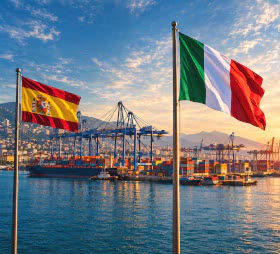
In poche parole non si sono create le condizioni per far sì che la logistica diventasse, come innegabilmente può essere, un fattore di sviluppo e di traino dei processi economici. E tutto ciò è avvenuto in una fase in cui i naturali competitori europei hanno progressivamente orientato in tal senso le loro azioni ed i loro investimenti, in primo luogo la Spagna; per tacere di ciò che ormai da molti anni si sta realizzando nell'agguerrito range portuale del nord Europa, in grado di assicurare servizi alle merci fino alla pianura Padana, erodendo quote di traffico che nella seconda metà degli anni '90 e nei primissimi anni del 2000 avevamo recuperato.
E come sappiamo, questo è ancor più grave se teniamo conto che la quota maggiore di esportazioni italiane è verso i Paesi europei, mentre l'export in direzione dei Paesi dell'Asia ricopre quote marginali, determinando sbilanciamenti nei traffici marittimi che rendono meno attrattivi i nostri scali.
Se poi si pensa al fatto che sono nati e stanno nascendo sulle coste sud del Mediterraneo (es. Damietta e Port Said) o in prossimità dei punti di accesso (es. Tangeri) grandi terminal containers deputati a diventare catalizzatori di rotte transoceaniche con regole, condizioni di insediamento e di operatività più vantaggiose delle nostre, il quadro diventa ancor più problematico.
Negli ultimi anni, invece di mettere in campo strategie idonee a contrastare l'erosione dei traffici a noi destinati o generati dall'Italia ed a favorire la competitività con una concorrenza più agguerrita, ci si è impantanati in un dibattito, anche parlamentare, riguardante aspetti che non erano, pur nella legittima ricerca di innovazioni normative, finalizzate a razionalità ed efficienza all'altezza ed in sintonia con questa sfida.
È successo così che in questo periodo la fase riflessiva dell'andamento dell'attività portuale ha innescato contraccolpi sulle attività delle imprese e sulle opportunità di lavoro, e come se non bastasse, si è combinata con provvedimenti che hanno limitato la capacità della Autorità Portuali di svolgere il ruolo di regolatori delle complesse realtà che essi amministrano, con misure di taglio di spese (ben 7 in meno di cinque anni) inopinatamente applicati ad enti che non gravano per la loro gestione sul bilancio dello Stato; provvedimenti riferiti tra l'altro alla spesa per investimenti, compresi quelli che dovevano essere effettuati con risorse per le quali era già prevista la necessaria copertura di bilancio, o con risorse prodotte dalle stesse Autorità Portuali.
Tutto questo è ancor più grave ove si consideri che i nostri porti, oltre alla funzione di centro di distribuzione di flussi marittimi, sono elementi di una rete logistica composita, che debbono rispondere a funzioni diverse tutte indispensabili per il sistema-Paese:
- approvvigionamento energetico;
- supporto alle aree produttive e di consumo di dimensione regionale;
- gates delle autostrade del mare;
- collegamenti con le aree insulari;
- funzione passeggeri, turistico-crocieristica.
Occorre quindi una decisa sterzata.
Cogliamo un chiaro segnale in tal senso nella manifestata volontà del Governo di porre al centro delle problematiche politiche ed economiche la logistica e, all'interno di essa, la portualità.
A nostro avviso, una prima importante risposta nel senso del cambiamento si coglie nel d.d.l. finanziaria e nell'articolo 13 del decreto legge n. 262/06.
Infatti, il recente d.d.l. finanziaria per il 2007, sembra segnare finalmente un punto di svolta significativo. Naturalmente migliorabile. Comunque tale da dare le prime risposte a questione che, da anni, Assoporti ha sottoposto a Governo e Parlamento, la cui risoluzione è decisiva per il rilancio della portualità.
Con l'art. 136 del d.d.l. finanziaria 2007 si disegna, infatti, il superamento dei vincoli di spesa - che, a nostro avviso, dovrebbe riferirsi anche alle spese per tutte le attività istituzionali delle Autorità Portuali - e lo si disegna come logica conseguenza della costruzione di un sistema di autonomia finanziaria effettiva delle Autorità Portuali. Autonomia da avviare attraverso 3 passaggi fondamentali: l'automatica attribuzione alle Autorità Portuali, a partire dal 2007, del gettito delle tasse propriamente portuali - al prioritario fine di realizzare la manutenzione dei porti - integrata con risorse "perequative"; la previsione, da determinare nel quantum, che una quota della ricchezza generata dal porto deve ritornare alle Autorità Portuali affinché esse possano investirla in nuove infrastrutture; l'ipotesi di revisione della disciplina delle tasse e dei diritti portuali, con finalità, a nostro giudizio, di semplificazione e razionalizzazione, di revisione per la tassa di ancoraggio di alcuni elementi che non consentono di ricondurre puntualmente il gettito al porto che effettivamente lo genera. Il tutto fermo rimanendo il principio della non comprimibilità di "diritti portuali" la cui misura unitaria (inferiore a quella di diversi Paesi europei) è ormai ferma da più lustri.
Nel medesimo ambito si danno risposte ad argomenti da troppo tempo in sospeso: il finanziamento degli oneri di gestione della security; il regime fiscale dei canoni di concessione demaniale e il regime fiscale applicato alla realizzazione di opere di ampliamento, ammodernamento e riqualificazione nei porti esistenti, in modo da evitare tra l'alto inutili e dannosi contenziosi.
Come ho già detto la proposta è migliorabile. In particolare è necessario eliminare il riferimento alle "costruzioni" contenuto nel comma 2; non possiamo certo credere che per le grandi opere di infrastrutturazione siano sufficienti le risorse derivanti dalle sole tasse e diritti marittimi; inoltre il riferimento alle "costruzioni" non è coerente con quanto si prevede al comma 8, che è il vero completamento dell'autonomia finanziaria.
Condivisibile e importante ci appare la previsione (contenuta nell'art. 137) finalizzata allo sviluppo degli hub portuali di interesse nazionale, seppure noi suggeriamo di estendere il concetto anche a possibili sistemi portuali.
Comunque cogliamo in questa previsione il segnale di avvio di una politica di sviluppo complessivo delle varie filiere e direttrici di traffico cui corrispondono le diverse funzioni della portualità nazionale cui prima ho fatto cenno.
Questa misura, combinata con la adeguata determinazione di risorse per la realizzazione di opere previste al comma 8 dell'art. 136 potrà concretizzare quell'effettivo salto di qualità della portualità italiana che il Governo dice di voler perseguire con queste misure.
A ciò fa da premessa e corollario l'articolo 13 del citato d.l. 262/06 sui dragaggi nei porti, proposto dal Ministro Di Pietro, senza del quale non sarebbe possibile dare avvio a molte opere portuali e consentire il ritorno agli investimenti degli operatori privati con forme di finanziamento pubblico-privato, anche attraverso il project financing.
Detto questo, il tema della realizzazione di opere infrastrutturali necessita, a nostro avviso, una ulteriore breve riflessione alla luce di ciò che sta avvenendo in Europa.
Infatti, dopo la bocciatura, per la seconda volta, della proposta di Direttiva sull'accesso al mercato dei servizi portuali, la Commissione Europea, a giugno scorso, in occasione dell'ultima Assemblea dell'ESPO - l'Organizzazione dei Porti Marittimi Europei - ha annunciato l'avvio di un processo di consultazione sulla politica portuale europea, processo che, a partire dai prossimi giorni, si dispiegherà fino alla metà del 2007 e dovrebbe concludersi con una "Comunicazione" della stessa Commissione sul tema.
Tra gli argomenti del dibattito (e presumibilmente della Comunicazione) vi è quello del "finanziamento dei porti e degli aiuti di Stato". Pur essendo quasi unanimemente condiviso dai rappresentanti di tutte le portualità europee il fatto che lo sviluppo dei porti richiede sostanziali investimenti, ma essendo anche condiviso - e ciò non può essere taciuto - il principio secondo il quale "gli organismi di gestione dei porti" dovrebbero essere finanziariamente autonomi, va emergendo, già nella fase di avvio del dibattito, la tendenza di alcuni a ricondurre nel novero degli aiuti di Stato anche il finanziamento di quelle opere che consentono l'erogazione di servizi alle navi ed alle merci (moli, banchine, piazzali, sistemi informativi).
Riteniamo assolutamente non condivisibile questo indirizzo
, in particolare se si pensa alle banchine "pubbliche" (non in concessione) ed a quelle affidate in concessioen a seguito di adeguate procedure di selezione. Appare anzi inopportuno e non coerente con il principio del Trattato dell'UE (secondo il quale "la Comunità ha il compito di promuovere - nell'insieme della Comunità medesima - uno sviluppo armonioso ed equilibrato") mettere in dubbio la possibilità di investimenti pubblici intesi ad adeguare l'offerta di infrastrutture anche in aree (quali l'Italia) meno attrezzate rispetto a quelle di diversi partners.
Tutto ciò ci impone almeno due cose: la prima, una risposta coordinata dai Ministeri competenti e dall'intero "cluster" marittimo in tutte le sedi, a partire da Bruxelles;
la seconda di dare una vigorosa accelerazione alle politiche di investimento prima che sia troppo tardi. Solo così possiamo evitare la progressiva marginalizzazione degli scali marittimi italiani.
Riprendendo il filo del discorso, ritengo che, ovviamente, come peraltro già detto, lo sviluppo e la crescita dei porti quali anelli di una rete logistica, va collocata all'interno di un'adeguata cornice di "piano" che assicuri la mobilità di merci e persone mediante una crescita quantitativa e qualitativa dell'intera rete dai punti di vista infrastrutturale, organizzativo-amministrativo, gestionale e dei servizi.
Il disegno complessivo che si andrà quindi a delineare dovrà tenere conto del contesto economico a scala mondiale, che vede anzitutto il permanere di un trend di decisa crescita dell'economia dei Paesi dell'Asia, del Pacifico, dell'Africa e dell'America Latina.
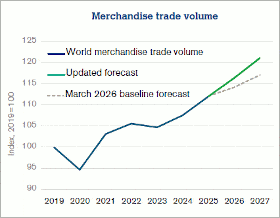
Dovrà, altresì, considerare che, nonostante un quadro definito di incertezza, in particolare in Europa, si prevede un incremento del traffico mondiale di merci introno al 7% nel 2006 (in accelerazione rispetto al 6,5% del 2005), quindi una crescita attesa del trasporto marittimo e del transito delle merci in Mediterraneo, in particolare lungo la direttrice da est a ovest.
Assumendo come parametro di riferimento i containers, che certo non esauriscono i commerci marittimi mondiali (si pensi ai grandi volumi di rinfuse liquide e solide trasportati) questo si potrebbe tradurre - secondo autorevoli ricerche di settore - nel passaggio della movimentazione di containers nel Mediterraneo dagli attuali 29 milioni circa di TEU ai 54 milioni di TEU nel 2015. Traffici ai quali si sommano quelli inframediterranei già esistenti, quelli generati in particolare nel settore orientale del bacino, derivanti dalla crescita dell'economia turca, nonché le potenzialità che potrebbero derivare dal Mar Nero, su cui si affacciano i prossimi partners europei (Romania e Bulgaria), e che è area verso la quale va manifestando crescente attenzione anche l'armamento nazionale.
Per ciò che concerne la cornice/piano di settore, condividiamo quindi l'ipotesi di quel "piano della mobilità" che il Ministro Bianchi, fin dal suo insediamento, ha indicato come priorità dell'Amministrazione dei Trasporti.
Anche noi riteniamo necessario che esso nasca da un confronto con tutti i rappresentanti dei soggetti operanti per il trasporto, degli utilizzatori e degli enti territoriali ai diversi livelli (Regionale e locale).
Si tratta di ricostruire una linea di continuità con il Piano Generale dei Trasporti e della Logistica il cui aggiornamento è necessario alla luce delle evoluzioni intervenute a livello mondiale; dell'approssimarsi della scadenza -2010- cui è fissata la realizzazione dell'area mediterranea di libero scambio; di criticità e sfide nuove, a partire da quella della security; dei mutamenti apportati alla Carta Costituzionale. Questa ricostruzione non potrà prescindere da una stretta collaborazione tra il Ministero delle Infrastrutture e quello dei Trasporti. Assoporti, per quanto compete, sosterrà questo percorso e darà ogni volta il contributo che gli sarà richiesto.
*****
Sul finire della passata legislatura, era stato elaborato il "Piano per la logistica". Avevamo giudicato quel documento "parziale", era infatti più un piano per la logistica dell'autotrasporto, e solo in parte del combinato strada-mare.
Emergeva da esso una sottovalutazione dei comparti marittimo e portuale nella loro valenza e complessività. Alcuni elementi di quell'analisi appaiono comunque utili in particolare quelli riguardanti il tema delle "Autostrade del mare", anche se ci è parso limitativo affrontarlo in una dimensione solo nazionale. Una delle misure previste, con l'approvazione del provvedimento del cosiddetto "Ecobonus", si avvia alla fase attuativa; fase delicata. Si va ad intervenire su un mercato già operante i cui equilibri vanno spostanti in avanti ma non possono essere artificiosamente alterati.
Naturalmente non intendiamo a questo punto mettere in discussione l'ecobonus, desideriamo tuttavia ribadire che se si vuole puntare su una consistente crescita delle "Autostrade del mare" occorre porre in essere una serie di azioni che vanno dal potenziamento delle infrastrutture e strutture portuali ed extra portuali, alla messa in esercizio di nuovo naviglio, alle alleanza operative tra armatori, autotrasportatori, vettori ferroviari e piastre logistiche. In questo ambito, a nostro avviso, RAM può svolgere un compito di supporto e di servizio, ma non può svolgere funzioni di regolazione e gestione.
*****
Tornando alla rete logistica, ed in particolare alla crescita dei porti nella rete stessa, come già detto, va vista nei suoi aspetti infrastrutturale, organizzativo e gestionale.
Per il primo aspetto, il miglioramento e la crescita dei porti maggiori, lo dico solo di passaggio, vanno coniugati con il miglioramento delle connessioni alle reti terrestri - in particolare ai grandi assi nazionali, comunitari (le direttrici della TEN) ed ai corridoi internazionali, che per la gran parte coincidono con la rete della TEN ed agli altri grandi nodi intermodali interni (Interporti, centri logistici, etc.).
Mentre, dal punto di vista gestionale e dell'erogazione dei servizi, non è superfluo soffermarsi un momento su alcune considerazioni.
Intanto bisogna continuare a garantire nelle nuove condizioni un mercato trasparente, benché regolato. Naturalmente, per quanto riguarda le operazioni portuali (sbarco, imbarco e movimentazione in genere delle merci) non bisogna perdere di vista che anche per esse si tratta di mercato regolato nel quale non riteniamo siano ammissibili forme di dumping sociale. E questo a prescindere dal fatto che la concorrenza si stia esprimendo "nel" mercato o per "il" mercato.
Quindi occorre coniugare la produttività e l'efficienza delle attività e dei servizi portuali, compresi quelli tecnico-nautici, con costi adeguati e adeguata remunerazione dei fattori produttivi.
Non può essere inoltre ignorato che le reti trasportistiche, ed ancor più i nodi - primi tra tutti i porti - non hanno capacità illimitata.
Proprio per questo motivo è decisivo valutare con la massima cura i modelli organizzativi sia degli enti gestori che degli operatori.
È un aspetto questo, sul quale negli ultimi anni si è sviluppato un importante confronto in varie sedi. In parte è stato stimolato anche da Assoporti. Ma a nostro avviso, diversamente da quello che ci aspettavamo, ci si è focalizzati su aspetti secondari rispetto all'obiettivo vero, quello della costruzione di una portualità forte a servizio di un Paese che vuol crescere anche nel comparto logistico.
In mancanza di un asse forte come quello che oggi sembra delinearsi questo confronto si è caratterizzato per un continuo susseguirsi di interessi particolari, se non corporativi e lobbystici.
Non ha peraltro contributo a creare condizioni favorevoli di confronto il modo in cui è affrontata nella passata legislatura la questione della nomina dei Presidenti delle Autorità Portuali. Per anni il meccanismo previsto dalla legge, che assicura un equilibrato intervento dei diversi poteri pubblici - lo Stato, la Regione, le autonomie locali - non ha impedito di individuare nei tempi normali i vertici delle Autorità Portuali. Siamo pertanto perplessi rispetto a modifiche che alterino questo meccanismo e mutino l'equilibrio istituzionale. Siamo solo interessati a che le Autorità Portuali possano operare disponendo di tutti i propri ordinari organi.
Naturalmente l'esito positivo della finanziaria potrà consentire al Vice Ministro De Piccoli, che ha iniziato a lavorare a questo proposito, di proseguire in condizioni diverse dal passato; e quindi attraverso il confronto con le associazioni/organizzazioni nonché quando necessario attraverso il "tavolo del mare", raggiungere un'utile ipotesi di aggiornamento della Legge 89/94.
*****
Non è estraneo a tutto questo lo stesso tema delle dimensioni territoriali delle Autorità Portuali. Vorrei limitarmi ad osservare a questo proposito che laddove aggregazioni di porti interno ad una preesistente Autorità Portuale sono sorte come proposta o esigenza dal basso, queste hanno dato buoni risultati. Viceversa forti dubbi suscita l'ipotesi di aggregazione calata dall'alto.
Appare al di fuori di ogni logica non tenere conto delle realtà in cui ci troviamo ad operare e dell'impossibilità di forzare un mercato che vede operatori diversi validamente ed efficacemente agire, anche per le stesse tipologie merceologiche, in porti talora poco distanti tra loro.
In definitiva (salvo casi particolarissimi) la specializzazione non può essere decisa a tavolino.
Proprio per questo, partendo dall'esigenza di un disegno programmatico complessivo, riteniamo che all'interno di una pianificazione complessiva si possono fornire le indicazioni e le opportunità ad ogni porto perché trovi una propria finalizzazione peculiare. Ciò va fatto attraverso il confronto con gli enti responsabili dell'assetto del territorio e partendo dai compiti di pianificazione e programmazione degli ambiti portuali, propri delle Autorità Portuali, che sono strettamente connessi con la programmazione delle altre strutture - lineari e nodali - della logistica.
Ne deriva da questo che Assoporti è contraria ad una proliferazione delle Autorità Portuali, che non abbiamo condiviso quando è avvenuta, né intendiamo condividere, poiché, tra l'altro, si sminuiscono così la valenza e la funzione del modello istituzionale ed organizzativo, che ha dato tanti risultati in questi anni.
Visto che siamo all'inizio di una nuova legislatura, credo sia utile soffermarsi su un altro aspetto che riguarda la connotazione o il modello delle Autorità Portuali. Qualcuno ipotizza il passaggio da un modello puramente autoritativo-regolatore ad una tipologia di ente pubblico-economico, o verso forme societarie; credo che sia opportuno a questo proposito riflettere partendo dalle esperienze già vissute in Italia.
Dobbiamo partire dal fatto che l'Autorità Portuale così come oggi è intesa - ente regolatore e di pianificazione - è stata anzitutto la risposta ad enti, consorzi, variegati tra loro, per assetto e competenze, ma accomunati dal fatto di essere al contempo regolatori del mercato ed operatori nello stesso mercato. Da quelle esperienze il Paese ereditò strutture burocratiche, frequentemente elefantiache; una massa di debiti considerevoli (che le Autorità Portuali hanno di fatto "pagato" fino a tutto il 2005); l'assenza (o quasi) di imprenditori portuali forti, che solo dopo l'entrata in vigore della L. 84/94 sono cresciuti o si sono insediati nei nostri porti, provenienti anche dall'estero. Un modello che aveva creato lavoro ed impresa entrambi assistiti.
Ma non sono solo quei risultati che ci fanno dubitare dell'opportunità di tornare al passato. Dirimenti appaiono altre considerazioni:
- come reagirebbe il mercato all'irruzione di un soggetto operativo che è anche regolatore?
- quali garanzie avrebbe un operatore privato, vigilato e regolato da un suo concorrente, reale o anche solo potenziale?
Anche a voler ipotizzare la trasformazione delle Autorità in soggetti societari, peraltro gestori di un bene pubblico qual è il porto - che deve rimanere pubblico poiché risponde ad esigenze non solo economiche dell'intero sistema Paese o di ampie aree di esso:
- che senso avrebbe interporre un soggetto privatistico tra il proprietario del bene ed il suo utilizzatore?
- quale forza e credibilità avrebbe un soggetto di natura privatistica nei confronti degli enti e delle comunità locali allorché propone e realizza interventi sul territorio, perseguendo una logica di propri interessi economici, non sempre conciliabili con gli interessi generali e pubblici del territorio?
Tra l'altro non possiamo ignorare il dibattito e l'evoluzione in corso in sede comunitaria. Pur nella diversità dei sistemi e delle tradizioni giuridiche nazionali, ci si indirizza comunque, per i porti maggiori, verso organismi di gestione caratterizzati da strutture specialistiche, dotati di ampia autonomia finanziaria, cui sono devoluti poteri decisionali dai livelli centrali e locali (rispetto ai quali conservano una loro indipendenza), quindi anche con ampia autonomia decisionale.
Concludendo su queste questioni, ritengo che una discussione intorno alla migliore "forma" dell'organo di gestione dei porti, di fatto sottovaluta un aspetto ben più determinante: quello dei rapporti tra le Autorità Portuali ed i grandi operatori terminalisti insediati in numerosi porti, e con quei terminalisti che fanno riferimento a grandi gruppi dello shipping-operatori globali. Essi in virtù dei considerevoli volumi movimentati e per alcuni degli stessi della capacità di investimenti, hanno un potere contrattuale fortissimo nei confronti dei porti.
Per questi aspetti la possibile risposta appare il consolidamento (da perseguire anche a livello comunitario) degli strumenti concessori e di quanto già previsto dalla Legge 84. L'applicazione cioè di questi strumenti secondo forme adeguate e trasparenti, tali da consentire all'operatore/concessionario di rientrare degli investimenti realizzati; con meccanismi ancor più stringenti di quanto attualmente previsto, che impegnino l'operatore/concessionario ad assicurare il raggiungimento degli obiettivi che si assume nell'atto di concessione e consentano all'Autorità Portuale di svolgere la propria funzione di controllo circa il perseguimento da parte del concessionario di detti obiettivi.
È venuto quindi il momento di adottare il decreto attuativo dell'articolo 18 della Legge 84/94 e, se ritenuto opportuno, introdurre nuovi elementi di specificazione nello stesso articolo 18, anche avendo riguardo ad una dimensione del problema che non è solo del singolo porto o di un'area geografica, ma può riguardare il sistema-Paese.
*****
Nell'avviarmi alle conclusioni di questa relazione, un cenno è doveroso ad altre questioni solo apparentemente di minor livello.
Anzitutto l'esigenza di dare una soluzione stabile e definitiva all'ordinaria discontinuità del lavoro temporaneo portuale.
Acclarata e condivisa da tutte le parti sociali l'inapplicabilità alla specificità del lavoro portuale del meccanismo (adottato per altri settori), di cui all'art. 17, comma 15 della L. 84/94, si tratta di individuare, attraverso una misura di carattere strutturale, a favore dei lavoratori portuali fornitori di prestazioni di mano d'opera temporanea, un'indennità per il mancato avviamento al lavoro (quindi per la disponibilità alla prestazione), che sia equa, compatibile con il sistema generale degli ammortizzatori sociali e coerente con i costi della fase portuale. A questo riguardo, sottolineiamo la richiesta, così come recentemente ripresentata dalle parti sociali ai Ministeri competenti, intesa alla risoluzione legislativa del problema, a partire dalla finanziaria in discussione al Parlamento.
Naturalmente pensiamo di continuare ovvero riprendere il dialogo costruttivo con le competenti Direzioni Generali e strutture dei competenti Ministeri su temi già avviati quali quelli rispettivamente riguardanti la safety (ex Decreto Legislativo 272/99), la security, i servizi tecnico-nautici ed altri.
Per quanto concerne tematiche di rilievo anche ambientale, quali ad esempio i dragaggi e la c.d. "Seveso-ter" di cui al Decreto Lg.vo n. 238/05, senza addentrarmi nello specifico, a partire dal tema rilevante dei dragaggi - come già detto prima -, sul quale proprio in questi giorni si sta dibattendo in Parlamento, auspichiamo che vada presto a buon fine l'istituzione di quel tavolo di confronto tra Ministeri dei Trasporti e delle Infrastrutture con il Ministero dell'Ambiente e gli altri competenti Ministeri, nonché i soggetti interessati. A tale tavolo di confronto intendiamo dare il nostro pieno contributo.
Circa la security, vorrei ricordare che le Autorità Portuali ed in genere gli operatori portuali sono consapevoli di essere parte di coloro che devono farsi carico di una sfida che non ha confini. Consci di questa responsabilità, in coerenza con le previsioni delle Convenzioni internazionali e le regole comunitarie in materia, non consideriamo però possibile "scaricare", sulle Autorità Portuali e sugli operatori, compiti che non appartengono loro o forme di controllo incompatibili con la fluidità della fase portuale, peraltro senza sfruttare le sinergie e le economie che si possono realizzare interagendo con controlli e verifiche di altra natura (es. i controlli doganali e della Guardia di Finanza), che pure si effettuano in porto. In questi termini consideriamo che questa complessa questione debba essere riesaminata da subito.
*****
In conclusione, rinnovo il più sentito ringraziamento a tutti gli intervenuti, e, se consentite, alla compagine di Assoporti, cominciando dai nostri collaboratori.
La portualità italiana svolge un ruolo fondamentale per lo sviluppo del nostro Paese che va salvaguardato e potenziato. Così come vanno salvaguardate le competitività della nostra flotta, dei nostri cantieri e di tutte le altre attività che compongono il "cluster" marittimo. Con questo ed insieme alle istituzioni, a partire dalle Capitanerie, insieme al mondo del lavoro, le Autorità Portuali intendono continuare a fare la loro parte, in modo da costruire un ulteriore progresso dell'intero comparto marittimo-portuale e della logistica.
Tabella 1
MOVIMENTO MERCI E PASSEGGERI IN PRINCIPALI PORTI ITALIANI
- Anno 2005 -
| |
Rinfuse
liquide
(x 1.000) |
Rinfuse
solide
(x 1.000) |
Merci
varie
(x 1.000) |
Totale
tonn.
(x 1.000) |
TEU's
(n'.) |
Passeggeri
(n'.) |
| |
|
|
|
|
|
|
|
Savona-Vado |
8.039 |
4.396 |
3.721 |
16.156 |
219.876 |
947.586 |
|
Genova |
21.464 |
8.201 |
25.524 |
55.189 |
1.624.964 |
3.037.979 |
|
La Spezia |
3.055 |
1.530 |
12.577 |
17.162 |
1.024.455 |
56.358 |
|
Marina di Carrara |
- |
267 |
2.794 |
3.062 |
6.681 |
- |
|
Livorno |
8.627 |
1.186 |
18.398 |
28.211 |
658.506 |
2.513.377 |
|
Piombino |
486 |
6.101 |
1.699 |
8.286 |
- |
3.637.323 |
|
Civitavecchia |
4.475 |
1.609 |
5.433 |
11.517 |
44.615 |
3.167.024 |
|
Fiumicino |
5.399 |
- |
- |
5.399 |
- |
- |
|
Gaeta |
1.915 |
720 |
108 |
2.743 |
- |
- |
|
Napoli |
5.619 |
4.176 |
11.214 |
21.009 |
373.628 |
9.001.918 |
|
Salerno |
- |
122 |
8.073 |
8.195 |
418.205 |
301.138 |
|
Gioia Tauro |
365 |
124 |
24.276 |
24.765 |
3.208.859 |
- |
|
Taranto |
6.907 |
24.117 |
16.633 |
47.657 |
716.856 |
138 |
|
Brindisi |
2.863 |
6.364 |
79 |
9.306 |
2.166 |
562.227 |
|
Bari |
106 |
1.365 |
2.945 |
4.416 |
10.008 |
1.454.948 |
|
Ancona |
5.046 |
1.511 |
2.652 |
9.210 |
64.209 |
1.536.432 |
|
Ravenna |
4.757 |
11.980 |
7.142 |
23.879 |
168.588 |
15.700 |
|
Chioggia |
- |
1.159 |
974 |
2.133 |
- |
- |
|
Venezia |
12.147 |
9.556 |
7.396 |
29.099 |
289.860 |
1.365.375 |
|
Portonogaro |
- |
363 |
865 |
1.228 |
42 |
- |
|
Monfalcone |
245 |
1.141 |
2.452 |
3.838 |
1.496 |
165 |
|
Trieste |
37.970 |
1.963 |
7.785 |
47.718 |
198.319 |
90.523 |
|
Messina-Milazzo |
16.267 |
758 |
8.635 |
25.661 |
- |
9.819.258 |
|
Catania |
54 |
206 |
3.557 |
3.817 |
15.343 |
261.873 |
|
Augusta |
31.970 |
1.448 |
- |
33.419 |
- |
1.169 |
|
Palermo |
750 |
240 |
4.749 |
5.739 |
27.984 |
2.003.755 |
|
Cagliari-Sarroch |
26.985 |
414 |
10.514 |
37.913 |
639.049 |
453.042 |
|
Olbia-Golfo Aranci |
- |
125 |
6.425 |
6.550 |
- |
4.438.063 |
| |
|
|
|
|
|
|
|
Totale (n' 28 porti) |
205.513 |
91.144 |
196.622 |
493.278 |
9.713.709 |
44.665.371 |
Fonte: Elaborazione Assoporti su fonti diverse (Autorità Portuali, Aziende Speciali)
Tabella 2
MOVIMENTO MERCI E PASSEGGERI IN PRINCIPALI PORTI ITALIANI
Confronto anni 2004 - 2005
| |
2004 |
2005 |
| |
Totale
tonn.
(x 1.000) |
TEU's
(n'.) |
Passeggeri
(n'.) |
Totale
tonn.
(x 1.000) |
TEU's
(n'.) |
Passeggeri
(n'.) |
| |
|
|
|
|
|
|
|
Savona-Vado |
14.362 |
83.891 |
833.522 |
16.156 |
219.876 |
947.586 |
|
Genova |
55.837 |
1.628.594 |
3.015.365 |
55.189 |
1.624.964 |
3.037.979 |
|
La Spezia |
18.435 |
1.040.438 |
41.036 |
17.162 |
1.024.455 |
56.358 |
|
Marina di Carrara |
3.032 |
7.917 |
- |
3.062 |
6.681 |
- |
|
Livorno |
27.051 |
638.586 |
2.378.892 |
28.211 |
658.506 |
2.513.377 |
|
Piombino |
8.165 |
- |
3.615.441 |
8.286 |
- |
3.637.323 |
|
Civitavecchia |
11.304 |
36.301 |
2.591.778 |
11.517 |
44.615 |
3.167.024 |
|
Fiumicino |
5.939 |
- |
- |
5.399 |
- |
- |
|
Gaeta |
2.404 |
- |
- |
2.743 |
- |
- |
|
Napoli |
19.667 |
347.537 |
9.450.931 |
21.009 |
373.628 |
9.001.918 |
|
Salerno |
8.992 |
411.615 |
421.065 |
8.195 |
418.205 |
301.138 |
|
Gioia Tauro |
26.361 |
3.261.034 |
- |
24.765 |
3.208.859 |
- |
|
Taranto |
43.582 |
763.318 |
433 |
47.657 |
716.856 |
138 |
|
Brindisi |
11.065 |
3.815 |
544.403 |
9.306 |
2.166 |
562.227 |
|
Bari |
3.816 |
20.192 |
1.339.464 |
4.416 |
10.008 |
1.454.948 |
|
Ancona |
9.098 |
65.077 |
1.412.905 |
9.210 |
64.209 |
1.536.432 |
|
Ravenna |
25.422 |
169.432 |
17.599 |
23.879 |
168.588 |
15.700 |
|
Chioggia |
2.000 |
- |
- |
2.133 |
- |
- |
|
Venezia |
29.756 |
290.898 |
1.037.833 |
29.099 |
289.860 |
1.365.375 |
|
Portonogaro |
1.764 |
- |
- |
1.228 |
42 |
- |
|
Monfalcone |
3.987 |
2.234 |
284 |
3.838 |
1.496 |
165 |
|
Trieste |
46.906 |
174.729 |
303.490 |
47.718 |
198.319 |
90.523 |
|
Messina-Milazzo |
16.404 |
- |
11.033.265 |
25.661 |
- |
9.819.258 |
|
Catania |
5.104 |
12.135 |
289.420 |
3.817 |
15.343 |
261.873 |
|
Augusta |
33.022 |
- |
- |
33.419 |
- |
1.169 |
|
Palermo |
5.937 |
24.040 |
1.764.499 |
5.739 |
27.984 |
2.003.755 |
|
Cagliari-Sarroch |
32.237 |
501.194 |
498.055 |
37.913 |
639.049 |
453.042 |
|
Olbia-Golfo Aranci |
6.415 |
- |
3.952.717 |
6.550 |
- |
4.438.063 |
| |
|
|
|
|
|
|
|
Totale (n' 28 porti) |
478.067 |
9.482.977 |
44.542.397 |
493.278 |
9.713.709 |
44.665.371 |
|
Confronto su totali anni 2005 e 2004: |
|
| |
|
|
- Percentuale su totale Tonnellate: |
+3,2% |
| |
|
|
- Percentuale su totale TEU's: |
+2,4% |
| |
|
|
- Percentuale su totale Passeggeri: |
+0,3% |
Fonte: Elaborazione Assoporti su fonti diverse (Autorità Portuali, Aziende Speciali)
Tabella 3
MOVIMENTO MERCI E PASSEGGERI IN PRINCIPALI PORTI ITALIANI
Confronto anni 2004 - 2005
| |
2000 |
2005 |
| |
Totale
tonn.
(x 1.000) |
TEU's
(n'.) |
Passeggeri
(n'.) |
Totale
tonn.
(x 1.000) |
TEU's
(n'.) |
Passeggeri
(n'.) |
| |
|
|
|
|
|
|
|
Savona-Vado |
13.198 |
36.905 |
477.479 |
16.156 |
219.876 |
947.586 |
|
Genova |
50.804 |
1.500.632 |
2.765.668 |
55.189 |
1.624.964 |
3.037.979 |
|
La Spezia |
16.521 |
909.962 |
75.647 |
17.162 |
1.024.455 |
56.358 |
|
Marina di Carrara |
3.384 |
10.635 |
- |
3.062 |
6.681 |
- |
|
Livorno |
24.583 |
501.339 |
1.717.531 |
28.211 |
658.506 |
2.513.377 |
|
Piombino |
10.381 |
- |
3.205.633 |
8.286 |
- |
3.637.323 |
|
Civitavecchia |
9.849 |
12.617 |
2.258.525 |
11.517 |
44.615 |
3.167.024 |
|
Gaeta |
1.628 |
- |
30 |
2.743 |
- |
- |
|
Napoli |
14.784 |
396.562 |
7.920.842 |
21.009 |
373.628 |
9.001.918 |
|
Salerno |
3.834 |
275.963 |
304.461 |
8.195 |
418.205 |
301.138 |
|
Gioia Tauro |
30.818 |
2.652.701 |
- |
24.765 |
3.208.859 |
- |
|
Taranto |
33.880 |
3.400 |
132 |
47.657 |
716.856 |
138 |
|
Brindisi |
8.048 |
6.922 |
992.470 |
9.306 |
2.166 |
562.227 |
|
Bari |
3.455 |
1.373 |
1.155.198 |
4.416 |
10.008 |
1.454.948 |
|
Ancona |
11.152 |
83.934 |
1.210.453 |
9.210 |
64.209 |
1.536.432 |
|
Ravenna |
22.677 |
181.387 |
6.706 |
23.879 |
168.588 |
15.700 |
|
Chioggia |
1.488 |
17 |
- |
2.133 |
- |
- |
|
Venezia |
28.176 |
218.023 |
873.239 |
29.099 |
289.860 |
1.365.375 |
|
Portonogaro |
1.591 |
1.303 |
- |
1.228 |
42 |
- |
|
Monfalcone |
3.278 |
160 |
- |
3.838 |
1.496 |
165 |
|
Trieste |
47.612 |
206.134 |
205.626 |
47.718 |
198.319 |
90.523 |
|
Messina-Milazzo |
10.776 |
- |
12.344.545 |
25.661 |
- |
9.819.258 |
|
Catania |
2.637 |
12.851 |
80.009 |
3.817 |
15.343 |
261.873 |
|
Augusta |
31.299 |
- |
- |
33.419 |
- |
1.169 |
|
Palermo |
5.225 |
17.128 |
1.342.364 |
5.739 |
27.984 |
2.003.755 |
|
Cagliari-Sarroch |
30.316 |
21.631 |
502.313 |
37.913 |
639.049 |
453.042 |
|
Olbia-Golfo Aranci |
5.759 |
- |
3.516.891 |
6.550 |
- |
4.438.063 |
| |
|
|
|
|
|
|
|
Totale (n' 28 porti) |
427.153 |
7.051.579 |
40.955.762 |
487.879 |
9.713.709 |
44.665.371 |
|
Confronto su totali anni 2005 e 2000: |
|
| |
|
|
- Percentuale su totale Tonnellate: |
+14,2% |
| |
|
|
- Percentuale su totale TEU's: |
+37,8% |
| |
|
|
- Percentuale su totale Passeggeri: |
+9,1% |
Fonte: Elaborazione Assoporti su fonti diverse (Autorità Portuali, Aziende Speciali)
Tabella 4
CONTAINERS MOVIMENTATI IN PRINCIPALI PORTI MEDITERRANEI DELL'UNIONE EUROPEA
(in migliaia di TEU)
| |
1996 |
1997 |
1998 |
1999 |
2000 |
2001 |
2002 |
2003 |
2004 |
2005 |
| |
|
|
|
|
|
|
|
|
|
|
|
Gioia Tauro (1) |
572 |
1.449 |
2.094 |
2.203 |
2.653 |
2.448 |
3.009 |
3.149 |
3.261 |
3.209 |
|
Algeciras (1) |
1.307 |
1.538 |
1.826 |
1.833 |
2.009 |
2.152 |
2.229 |
2.516 |
2.937 |
3.180 |
|
Valencia |
708 |
832 |
1.005 |
1.170 |
1.308 |
1.507 |
1.821 |
1.993 |
2.137 |
2.398 |
|
Barcellona |
767 |
972 |
1.095 |
1.235 |
1.388 |
1.411 |
1.461 |
1.652 |
1.911 |
2.078 |
|
Genova |
826 |
1.180 |
1.266 |
1.234 |
1.501 |
1.527 |
1.531 |
1.606 |
1.629 |
1.625 |
|
Cipro |
593 |
663 |
1.072 |
1.045 |
1.033 |
1.165 |
1.244 |
1.300 |
1.461 |
(*) 1.500 |
|
Pireo (1) |
575 |
684 |
933 |
906 |
1.161 |
1.166 |
1.405 |
1.605 |
1.542 |
1.395 |
|
La Spezia |
871 |
616 |
732 |
843 |
910 |
975 |
975 |
1.007 |
1.040 |
1.024 |
|
Marsiglia |
548 |
622 |
660 |
664 |
722 |
742 |
831 |
833 |
913 |
916 |
|
Taranto (1) |
- |
- |
1 |
1 |
3 |
198 |
472 |
658 |
763 |
717 |
|
Livorno |
417 |
501 |
535 |
458 |
501 |
502 |
520 |
541 |
639 |
659 |
|
Cagliari (1) |
24 |
25 |
26 |
22 |
22 |
35 |
74 |
314 |
501 |
639 |
|
Salerno |
209 |
219 |
251 |
267 |
276 |
321 |
375 |
417 |
412 |
418 |
|
Napoli |
246 |
299 |
320 |
334 |
397 |
430 |
444 |
433 |
348 |
374 |
|
Salonicco |
161 |
168 |
182 |
217 |
230 |
234 |
240 |
270 |
336 |
366 |
|
Venezia |
169 |
212 |
206 |
200 |
218 |
246 |
262 |
284 |
291 |
290 |
|
Trieste |
177 |
204 |
174 |
189 |
206 |
201 |
185 |
120 |
175 |
198 |
|
Ravenna |
191 |
188 |
173 |
173 |
181 |
158 |
161 |
160 |
169 |
169 |
| |
|
|
|
|
|
|
|
|
|
|
|
Totale |
8.361 |
10.372 |
12.551 |
12.994 |
14.719 |
15.458 |
17.239 |
18.858 |
20.465 |
21.155 |
(*)
- dati stimati
(1) Scali di transhipment
Fonte: Elaborazione Assoporti su fonti diverse
Tabella 5
PASSEGGERI CROCIERISTI IN ALCUNI PRINCIPALI PORTI ITALIANI
(Sbarchi + Imbarchi + Transiti)
| |
1995 |
1996 |
1997 |
1998 |
1999 |
2000 |
2001 |
2002 |
2003 |
2004 |
2005 |
| |
|
|
|
|
|
|
|
|
|
|
|
|
BARI |
22.435 |
23.181 |
99.304 |
120.527 |
1.506 |
106.789 |
145.781 |
203.431 |
213.984 |
262.888 |
277.979 |
|
CAGLIARI |
5.777 |
8.857 |
9.413 |
12.877 |
23.695 |
39.491 |
16.607 |
20.221 |
47.389 |
46.492 |
35.423 |
|
CATANIA |
n.d. |
43.213 |
82.039 |
50.898 |
40.927 |
42.616 |
46.740 |
22.968 |
25.299 |
47.918 |
59.130 |
|
CIVITAVECCHIA |
165.961 |
156.241 |
239.122 |
255.953 |
296.213 |
392.103 |
477.579 |
487.000 |
559.942 |
659.277 |
983.171 |
|
GENOVA |
310.528 |
399.227 |
353.566 |
364.647 |
569.124 |
397.516 |
471.245 |
567.506 |
615.800 |
287.863 |
395.797 |
|
LIVORNO |
65.391 |
114.244 |
178.771 |
195.743 |
251.394 |
237.119 |
263.657 |
297.748 |
363.883 |
387.379 |
462.383 |
|
NAPOLI |
176.000 |
194.875 |
236.766 |
334.685 |
502.625 |
404.568 |
435.971 |
485.072 |
613.609 |
773.223 |
830.158 |
|
PALERMO |
82.938 |
98.532 |
90.183 |
83.171 |
135.427 |
157.092 |
181.l02 |
199.837 |
206.804 |
195.197 |
329.858 |
|
RAVENNA |
- |
- |
- |
- |
- |
- |
- |
2.917 |
47.846 |
13.318 |
12.071 |
|
SAVONA |
223 |
12.168 |
98.646 |
102.755 |
89.332 |
120.071 |
109.633 |
105.438 |
195.303 |
530.057 |
632.895 |
|
VENEZIA |
242.884 |
262.762 |
299.450 |
335.483 |
97.398 |
337.475 |
526.436 |
507.547 |
689.836 |
677.990 |
815.153 |
| |
|
|
|
|
|
|
|
|
|
|
|
|
TOTALE |
1.072.137 |
1.313.300 |
1.687.260 |
1.856.739 |
2.007.641 |
2.234.840 |
2.148.315 |
2.899.685 |
3.579.695 |
3.879.802 |
4.834.018 |
Fonte: Elaborazione Assoporti su fonti diverse

















 - Via Raffaele Paolucci 17r/19r - 16129 Genoa - ITALY


