testata inforMARE
Cerca
11 June 2026 - Year XXX
Independent journal on economy and transport policy
17:55 GMT+2
LinnkedInTwitterFacebook
FORUM of Shipping
and Logistics


Relazione del Presidente
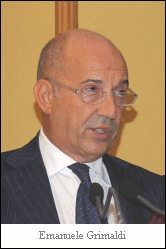
Emanuele Grimaldi


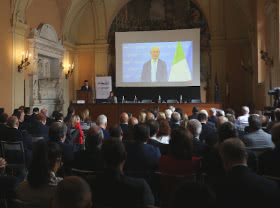
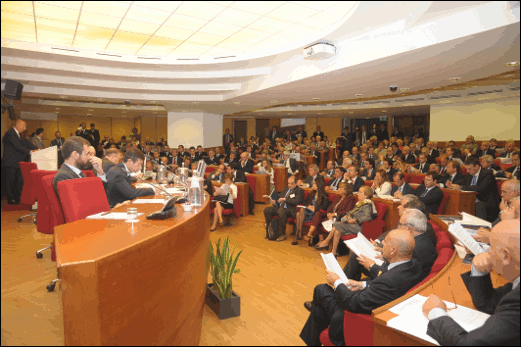
Assemblea
Roma, 15 ottobre 2014


Signor Ministro, Presidente Squinzi, Autorità, colleghi Armatori, Signore e Signori, grazie a tutti per aver accolto il nostro invito.

In particolare, ringrazio il Ministro Lupi: la Sua presenza qui oggi è un importante riconoscimento all'industria armatoriale e ci da' l'occasione di esporre i nostri risultati direttamente al responsabile del Dicastero, nonché autorevole rappresentante del Governo.

***************

Le nostre giornate sono scandite da parole come debito pubblico, tasse, spread, credito, disoccupazione, stabilità, costo del lavoro, riforme: parole accompagnate sempre più spesso da dati negativi che evidenziano il perdurare della crisi.

Ma c'è una parola che, da sola, indica come rilanciare crescita e occupazione: competitività.

Ebbene: l'industria armatoriale italiana, che storicamente compete a livello globale, nonostante la crisi continua a fronteggiare la concorrenza ad armi pari.

Anche se il PIL nazionale si riduce di un ulteriore 0,3% nel 2014, con un modesto incremento dello 0,5% previsto per il 2015, le attività marittime risultano stabili e continuano ad essere molto importanti per il Paese, producendo ogni anno beni e servizi per circa 40 miliardi di euro (il doppio di comparti strategici per il Paese come tessile e telecomunicazioni).

Nel 2014, la disoccupazione, specie quella giovanile, tocca il massimo storico, mentre l'occupazione del cluster marittimo è in controtendenza e tuttora impiega più di 215.000 persone direttamente e altre 265.000 nell'indotto.

Il cluster ruota in buona parte intorno ai trasporti marittimi.

Negli ultimi dieci anni, gli armatori hanno investito più 15,5 miliardi di euro nel rinnovo del naviglio, oggi ancora più giovane, tecnologicamente avanzato, sicuro e rispettoso dell'ambiente.

Sulle navi iscritte nel Registro Internazionale, l'occupazione di marittimi italiani e comunitari, inclusi i servizi complementari di bordo, aumenta in tre anni del 4,7%, con punte del 9% per i marittimi comuni e del 6% per gli ufficiali, soprattutto nei settori delle crociere e dei traghetti.

Il turismo che viene dal mare continua a contribuire all'economia del Paese, creando ricchezza e posti di lavoro.

Se poi guardiamo all'Unione Europea, la rilevanza dell'industria armatoriale è veramente straordinaria:

  • l'armamento europeo è leader nel mondo e controlla il 40% del tonnellaggio mondiale;

  • impiega direttamente e nell'indotto 2,3 milioni di persone;

  • contribuisce al Pil dell'Ue con 145 miliardi di euro.
Con una flotta di oltre 1.500 navi per circa 18 milioni di tonnellate, l'Italia è tra i paesi leader dello shipping mondiale: 2^ tra le flotte dell'Unione europea e 4^ al mondo tra le flotte di bandiera e per controllo armatoriale nazionale.

E' questa la reale graduatoria della flotta mondiale, se si tiene conto del cosiddetto “genuine link” tra la bandiera della nave e la nazionalità dell'armatore, un rapporto che implica la stretta connessione con il territorio e con l'intero cluster.

L'Italia, grande importatore di materie prime ed esportatore di manufatti, ha potuto riconquistare le prime posizioni tra i principali paesi marittimi perché, attraverso attente politiche di Governo ha dato la piena applicazione alle linee guida che l'Unione europea ha dettato alla fine degli anni '80, per frenare il flagging out e rilanciare lo shipping e l'occupazione marittima. Le abbiamo recepite in Italia a partire dal 1998, con l'introduzione del Registro Internazionale e della Tonnage tax, che hanno consentito alla flotta italiana di frenare l'emorragia di naviglio e di intraprendere il circuito virtuoso della crescita, raggiungendo altissimi livelli di sicurezza e qualità.

Per questo, è fondamentale che non vengano in alcun modo modificati i pilastri su cui si poggia la competitività della flotta, competitività che ci consente, anche in presenza di crisi come l'attuale, di continuare a investire, creare occupazione, formare i giovani per le carriere di mare e di terra, fare logistica.

Viviamo tutti il tempo di un doloroso cambiamento. E sappiamo bene che alcune aziende non sono sopravvissute alla battaglia ed altre hanno riportato profonde ferite, ma il nostro settore nel suo insieme ha tenuto.

Con il raddoppio della flotta in poco più di 10 anni, abbiamo dimostrato che, quando le nostre istanze sono accolte, i risultati sono concreti per il settore.

Parliamo di un settore capital intensive, gestito per lo più da governance di tipo familiare.

Di recente, il Presidente Squinzi ha detto che le statistiche non raccontano tutto e che dietro ai numeri c`è quel “capitalismo familiare in grado di investire anche nei momenti di crisi. Un capitalismo operoso che in questi anni non è rimasto con le mani in mano”.

Non trovo parole migliori per descrivere le imprese armatoriali italiane, impegnate in un settore, per sua natura internazionale, che risente della situazione geopolitica mondiale: Stati devastati da guerre civili, sanzioni economiche contro altri Stati che violano le regole della comunità internazionale, crisi energetiche, epidemie tipo Ebola.

Un mondo comunque sempre più veloce e dinamico, ove la distanza economica ha definitivamente soppiantato quella geografica e le relazioni commerciali sono al centro della globalizzazione.

La globalizzazione non è un nemico, ma una grande opportunità per uscire dalla crisi.

Il mondo non si ferma. Ed anche nei momenti di crisi bisogna trasportare le merci: il commercio mondiale è aumentato nel 2013 del 2,7%, nel 2014 aumenterà ancora del 2,6% e si prevede addirittura una crescita del 4% nel 2015.

E il 90% delle merci continua a viaggiare sulle navi.

C'è ancora voglia di Italia nel mondo: ogni giorno noi armatori ne portiamo un po' sulle nostre navi.

Molti problemi degli industriali di terra sono anche nostri e condividiamo le istanze che il Presidente Squinzi, quotidianamente e in modo determinato, evidenzia a nome di tutti.

Per il trasporto marittimo si aggiungono altre peculiarità.


DIFENDERE LA LIBERTA' DEI MARI COMINCIANDO DAL MEDITERRANEO

Al centro del Mediterraneo, gate d'accesso dell'Europa, l'Italia subisce i cambiamenti rapidi e significativi di paesi del Nord Africa e del Medio Oriente, fonti quotidiane di notizie drammatiche.

Mare Nostrum, dall'inizio dell'anno, ha salvato la vita di circa 140.000 naufraghi, grazie anche alla collaborazione di navi mercantili, benché inadatte a svolgere questa attività di soccorso.

L'azione della Marina Militare per il contrasto della pirateria marittima nell'Oceano Indiano ha protetto le navi italiane e scongiurato il rischio di emarginare il Mediterraneo dal contesto dei traffici mondiali.

Sono quasi 350 i viaggi difesi dai Nuclei Militari di Protezione, a cui si aggiungono più di 50 protetti dalle società di sicurezza private, che si sono conclusi con successo.

Sicché, possiamo dire con cognizione di causa che, da quando viaggiano con team armati a bordo, le nostre navi non hanno più subito alcun sequestro, per il semplice effetto di deterrenza.

La vicenda dei due fucilieri di Marina trattenuti in India - a cui va sempre la nostra totale solidarietà - non deve essere strumentalizzata per mettere in discussione un impianto normativo che consente alla flotta mercantile italiana di operare in sicurezza in acque a rischio di pirateria.

Il modello duale di protezione pubblica e, in via complementare, privata, previsto dalla legge 130 del 2011 ed attuato grazie allo Stato Maggiore della Marina, alla Guardia Costiera e al Ministero dell'Interno, è un esempio di eccellenza dello sforzo congiunto tra industria, politica e Amministrazione, che ha preservato la vita dei nostri equipaggi, consentendo loro di operare in sicurezza.

Peraltro, è indispensabile dare oggi completa attuazione alla legge, per evitare che ogni sei mesi si debba procedere con la frustrante richiesta di prorogare l'imbarco di ex-appartenenti alle forze armate, data l'assenza dei corsi di formazione previsti. Ricordo che siamo alla quinta proroga. Basterebbe forse una formulazione della norma più elastica per evitare dispendio di tempo e energie.

Non meno importante è garantire protezione anche alle navi e agli equipaggi che operano in Africa Occidentale, ove gli attacchi di pirateria, pur con una connotazione diversa, sono in continuo aumento.

Certamente, con il supporto della Farnesina, occorrerà un'azione concertata a livello internazionale e comunitario, anche con l'intervento del nuovo Alto Rappresentante dell'Unione europea per gli Affari esteri e la Politica di sicurezza.


AMBIENTE

Autorevoli studi internazionali confermano che oggi la nave, per unità di merce trasportata, risulta essere il mezzo più sicuro, efficiente e compatibile con l'ambiente.

Condividiamo l'obiettivo delle normative ambientali; tanto è vero che, sviluppando nuove tecnologie e diminuendo la velocità delle navi, in cinque anni lo shipping ha ridotto del 20% le emissioni di Co2 e si stima che nel 2012 abbia prodotto solo il 2,2% delle emissioni totali di gas serra a livello mondiale rispetto al 2,8% del 2007.

Sottolineo poi che dal 1990 ad oggi, a fronte di un aumento del 50% del petrolio trasportato via mare, il volume degli sversamenti di idrocarburi da parte delle cisterne si è ridotto dell'80% e rappresenta solo una quantità marginale del totale.

Per vincere la competizione internazionale, bisogna stare al passo con le migliori realtà imprenditoriali, soprattutto in termini qualitativi. E gli armatori italiani lo stanno facendo con ingenti investimenti: nel 2013 la bandiera italiana è passata dal 9° al 5° posto della “White list” del Paris MoU (Memorandum of Understanding di Parigi sul Port State Control).

Anche se possiamo ancora migliorare i risultati ottenuti in alcune aree di competenza di altri accordi (Caribbean, Tokio e USA Mou), quello ottenuto è un risultato importante, che conferma l'incremento del livello qualitativo del naviglio e la nostra crescente attenzione per la sicurezza, grazie anche all'elevata professionalità degli equipaggi.

Nonostante tutto ciò, le pressioni a cui è sottoposto il settore per ridurre il suo impatto sul mare e sull'atmosfera è assimilabile ad un vero e proprio "assedio ambientale". È fondamentale, perciò, che tali norme siano attuabili e realizzabili e, soprattutto, che ciò avvenga per tutti, in base a quanto stabilito dall'IMO (International Maritime Organization).

Ciò vale anche per le norme dell'Ue e per quelle nazionali: norme che a breve entreranno in vigore, più o meno tutte allo stesso tempo, comportando pesanti obblighi ed oneri, anche su unità già in esercizio.

Parliamo di miliardi di dollari USA nell'arco del prossimo decennio!

Ad esempio, viene imposto alle navi l'obbligo di utilizzare combustibili a basso tenore di zolfo, ma sul mercato non sono disponibili in quantità idonea prodotti alternativi agli attuali e le infrastrutture di distribuzione non sono adeguate.

Per poter utilizzare gli attuali combustibili, stiamo facendo investimenti in dispositivi di abbattimento delle emissioni (i cosiddetti scrubber), finalmente consentiti dalla Direttiva europea 2012/33, recepita solo recentemente in Italia. È una soluzione tecnicamente molto complessa, che comporta costi per singolo apparato compresi tra i 4 e i 9 milioni di euro.

Voglio qui mettere in evidenza la positiva sinergia tra Confitarma e Istituzioni realizzatasi durante l'iter parlamentare di recepimento della Direttiva Ue sui limiti di zolfo. Le modifiche proposte sull'inasprimento di tali limiti nel Mar Adriatico e nel Mar Ionio, in nessun modo previsti dalla Direttiva Ue, né tanto meno dall'IMO, avrebbero penalizzato gravemente l'Italia.

Auspicando di condividere sempre questa visione con i ministeri dell'Ambiente e dei Trasporti, lancio un appello, che non vale solo per le norme di carattere ambientale: nel recepimento delle Direttive è bene limitarsi a trasporre semplicemente il dettato comunitario - come fanno gli altri paesi - evitando inutili appesantimenti della norma che si traducono in iter legislativi troppo lunghi, più alti costi per l'industria italiana e perdite di quote di traffico.

Il tutto a vantaggio dei concorrenti: non solo quelli internazionali, ma addirittura quelli comunitari.


CABOTAGGIO E SHORT SEA SHIPPING

Parlando di politica dei trasporti, credo sia importante richiamare l'attenzione sui servizi di cabotaggio del Paese, svolti da importanti compagnie di navigazione italiane con competenza, esperienza, professionalità e capitali adeguati.

Alcune “avventurose” iniziative pseudo-armatoriali, ricorrenti nei periodi estivi sulle rotte per la Sardegna e per la Grecia, hanno male interpretato la filosofia dei servizi low-cost, tipici del settore aereo, utilizzando navi vecchie di 30 anni ed oltre, che sarebbe stato meglio inviare alla demolizione.

Credo siano necessari maggiori approfondimenti e verifiche ministeriali per evitare che navi con bassi livelli qualitativi operino nei nostri mari, danneggiando passeggeri e turismo.

Poco si è detto, poi, sul fatto che le compagnie di navigazione italiane leader nel comparto sono immediatamente intervenute, offrendo a quegli sfortunati passeggeri le loro unità moderne e idonee al servizio.

E nessuno si è chiesto come mai, alla fine, tutte queste “avventure” falliscono regolarmente con ricadute negative economiche e d'immagine sull'intera collettività.

Al tempo stesso, non bisogna sottovalutare l'annosa questione del corretto accesso ai traffici cabotieri nazionali, riservati ad armatori “genuinamente” comunitari e solo ad essi. Cioè, ad armatori che battono la bandiera di uno Stato Membro dell'Unione, rispettano le regole dello Stato ospitante nei traffici con le isole e utilizzano navi gestite da società realmente esistenti ed operanti in territorio comunitario.

E' ora di dire basta a triangolazioni che consentono ad operatori falsamente comunitari di presentarsi in gara, o direttamente nei nostri porti, rompendo equilibri di mercato, questi sì, “genuinamente” comunitari.

Ne va dell'interesse economico delle nostre Imprese ma soprattutto, dell'economia e dell'occupazione del Paese!

Su questo punto purtroppo, attendiamo un riscontro concreto da Roma e Bruxelles ormai da troppo tempo.


RAPPORTI CON LE BANCHE

Grazie al contributo dell'ABI (Associazione Bancaria Italiana), abbiamo stabilito un costruttivo rapporto di cooperazione con gli stakeholder bancari.

Le imprese armatoriali hanno risposto positivamente alle istanze del sistema creditizio, elevando i requisiti manageriali ed organizzativi, il livello di comunicazione e la trasparenza informativa. Dobbiamo ulteriormente velocizzare i processi di ristrutturazione finanziaria.

Confitarma ha poi promosso in sede ECSA (European Community Shipowner's Associations), anche nell'interesse del sistema bancario, una profonda disamina degli accordi di Basilea, per integrarli e modificarli nel medio termine, al fine di equiparare il trattamento di rischio delle esposizioni bancarie rispetto ad asset class analoghe.

Chiediamo al sistema creditizio di essere più flessibile, evitando reazioni emotive ed ipercicliche, che mettono a rischio competenze costruite con sforzo e sacrificio negli ultimi anni, e rendendo stabile il rapporto già avviato con l'ABI.


RELAZIONI SINDACALI

Esprimiamo la nostra soddisfazione per la ripresa della trattativa per il rinnovo del Contratto Collettivo Nazionale di Lavoro, auspicando che possa concludersi in tempi brevi, grazie a quello spirito di confronto costruttivo che, da sempre, caratterizza le relazioni industriali del nostro comparto.

Con specifico riferimento al settore del rimorchio portuale, e proprio in relazione all'obiettivo comune della difesa dell'occupazione italiana, chiediamo alle Organizzazioni sindacali di tener conto di alcune considerazioni.

L'apertura di questo mercato europeo può essere affrontata con successo soltanto se alle imprese italiane di rimorchio sarà data la possibilità di operare alle stesse condizioni dei concorrenti comunitari, molto più competitivi specie sotto il profilo dell'organizzazione del lavoro.

In caso contrario, appare molto concreto ed imminente il rischio che provider di altri Stati dell'Unione vincano le prossime gare di assegnazione delle concessioni del servizio di rimorchio portuale nei nostri scali, con conseguenze fortemente negative, tanto per le imprese quanto per l'occupazione italiana.

L'obiettivo di Confitarma è sempre quello di evitare aumenti delle tariffe dei servizi nei porti a danno dell'utenza. Il nostro timore è che i criteri adottati nella determinazione dei bandi di gara e le rigidità sindacali sull'organizzazione del lavoro si traducano, nel breve-medio periodo, in incrementi di costi oggettivamente non sostenibili.


FORMAZIONE

Armamento e Organizzazioni sindacali possono svolgere un ruolo strategico, individuando insieme misure innovative nella contrattazione sindacale, che rendano competitivo ed economicamente sostenibile l'imbarco degli allievi e dei terzi ufficiali italiani.

Noi armatori italiani stiamo investendo molto nella formazione dei professionisti del futuro, offrendo posti di lavoro e percorsi di carriera promettenti a bordo, a terra e anche negli altri comparti del cluster marittimo, in linea con le esigenze dell'industria.

Attualmente, più di 38.000 studenti e cadetti stanno studiando nelle accademie marittime in Europa e, di questi, circa 3.000 in Italia.

Lo shipping sta affrontando una sfida generazionale: senza giovani professionisti del mare e uno Stato maggiore qualificato, l'intero cluster marittimo rischia di perdere la sua principale risorsa.


PIANIFICAZIONE STRATEGICA DELLA PORTUALITÀ E DELLA LOGISTICA

L'inefficienza del nostro sistema logistico e infrastrutture portuali non adeguate all'evoluzione dei traffici sono tra le principali cause della perdita di competitività dei porti italiani.

Rilevo peraltro che con l'art.29 del Decreto “Sblocca Italia”, il Governo ha previsto l'adozione di un Piano Strategico Nazionale, volto a migliorare la competitività del sistema portuale e logistico, agevolare la crescita dei traffici e promuovere l'intermodalità nel traffico merci.

L'attuazione di alcune misure dovrà essere chiarita, ma tale Piano finalmente prevede l'eliminazione di investimenti inutili o ripetitivi. In altre parole, l'eliminazione del grave fenomeno degli investimenti “a pioggia”.

Non è detto che l'accorpamento dei porti sia la soluzione migliore per il rilancio della portualità italiana, date le obiettive diverse esigenze esistenti tra porti di interesse nazionale e porti regionali. Sarebbe forse più utile adeguare la governance dei porti minori alle loro dimensioni.

Ribadiamo la nostra disponibilità a contribuire a definire una riforma portuale ispirata a criteri di competitività ed efficienza.


PUBBLICA AMMINISTRAZIONE FATTORE DI COMPETITIVITÀ

Su questo punto è importante essere molto chiari: il rilancio della competitività necessita per le imprese già gravate da un pesante fardello burocratico, di un contesto amministrativo adeguato.

Concordo in pieno con l'allarme lanciato dal Presidente di Confindustria, quando parla di “giungla normativa”: in Italia abbiamo circa 80.000 leggi tra nazionali e regionali, e queste determinano tempi infiniti e procedure burocratiche farraginose e poco trasparenti, che comportano la perenne incertezza del diritto. Conosciamo tutti quali sono le conseguenze.

La recente riorganizzazione del ministero delle Infrastrutture e trasporti ha portato all'accorpamento in un'unica Direzione generale delle diverse competenze marittime e portuali. E' l'ennesimo intervento, dopo una lunga serie di frammentazioni e distribuzioni in altre sedi delle specifiche competenze marittime che, di certo, meriterebbero più attenzione in un Paese come il nostro.

Speriamo almeno che questa Direzione - la quale dovrebbe necessariamente essere rafforzata - consenta di delineare una politica marittimo-portuale integrata, ormai mancante da troppi anni e auspicata dall'Unione europea.

Siamo convinti che il Governo debba avviare un processo di riorganizzazione complessivo che riporti sotto un'unica struttura, non necessariamente ministeriale (ad esempio ENAC) tutte le competenze che afferiscono al settore marittimo-portuale.

La Grecia ha ricostituito il Ministero della marina mercantile, la Francia ha creato un Segretariato generale che si interfaccia direttamente con il Presidente della Repubblica, la Spagna ha il Ministero dei Trasporti da cui dipende l'organismo Puertos del Estado.

L'Italia, che fino al 1993 aveva una Governance integrata dell'intero settore, oggi, paradossalmente, è l'unico paese del Mediterraneo ad aver suddiviso le competenze del settore marittimo-portuale tra numerose amministrazioni che spesso non comunicano e non possono quindi elaborare una strategia politica marittima unitaria.

Riconosciamo con piacere che l'Amministrazione sta finalmente avviando il processo di semplificazione delle procedure e di informatizzazione.

In questo contesto, auspichiamo che si possa estendere al comparto mercantile un sistema telematico centrale analogo a quello realizzato dall'Amministrazione e recentemente adottato per la Nautica da Diporto.

Un tangibile esempio, per quanto ci riguarda, è sicuramente la sinergia tra Confitarma e i ministeri delle Infrastrutture e dei trasporti, degli Affari esteri, dello Sviluppo economico e il Comando generale delle Capitanerie di porto, per individuare soluzioni ai problemi delle visite ispettive delle navi all'estero e degli adempimenti consolari.

A breve, toccheremo con mano i primi risultati di questa iniziativa. Ma c'è ancora molto da fare.

Vorremmo, in particolare, che il Parlamento finalmente approvasse quei provvedimenti legislativi di semplificazione a costo zero che, da almeno cinque anni, proponiamo inascoltati.

Infine, auspico che la nuova Autorità di regolazione del trasporto tenga sempre presenti le peculiarità di un comparto già ampiamente regolato a livello internazionale, europeo e nazionale.


************************

Logistica e shipping sono la cerniera tra le diverse economie del mondo e mettono in rete l'economia nazionale. È assolutamente necessario tutelarne la competitività.

Anche l'Unione europea, negli ultimi anni, ha individuato nella politica marittima integrata una delle azioni fondamentali per avere una crescita intelligente, sostenibile e solidale.

Approvando la Dichiarazione di Atene, la Presidenza italiana dell'Ue da Lei rappresentata, Signor Ministro, ha riconosciuto l'importanza del ruolo del trasporto marittimo per l'economia e il benessere dell'Europa e ha promosso una serie di azioni mediante sostegni finanziari concreti.


********************

A conclusione del mio primo anno di presidenza, ribadisco di aver accettato questo incarico consapevole che la complessità delle sfide che stiamo vivendo, e che ancora ci attendono, vanno affrontate con grande coraggio e tenacia:

  • salvaguardare la competitività della flotta di bandiera, mantenendo inalterata l'architettura normativa del Registro Internazionale;

  • promuovere ricerca e sviluppo, per nuovi investimenti in navi ancor più efficienti, competitive ed eco-compatibili;

  • dedicare attenzione alla formazione di risorse umane nazionali adeguate allo sviluppo della flotta mercantile;

  • rafforzare la nostra presenza nelle sedi internazionali ed europee, ove si elabora la politica marittima;
  • semplificare le norme e snellire le procedure burocratiche che condizionano il settore.
Sono assolutamente determinato in tal senso e so di poter contare su una Confitarma compatta e unita più che mai.

Accanto agli armatori, ci sono porti, cantieri navali, agenti, terminalisti, spedizionieri, e ancora compagnie di assicurazioni, studi legali, istituti finanziari, enti di classifica, assieme alle imprese di pesca e alla nautica da diporto, che danno vita all'insieme di attività che anima le nostre tante città di mare.

Agli operatori e alle Istituzioni del mare va il nostro ringraziamento, perché anche attraverso loro il mondo marittimo assume un senso economico e sociale molto importante per il Paese.

›››File
FROM THE HOME PAGE
US forces hit a third vessel in the Gulf of Oman
Tampa
The "Jalveer" is said to be carrying a cargo of Iranian oil.
ALLRAIL, CER, ERFA, FEPORT, FTE, UIP and UIRR present their proposal for the European Railway Platform
Brussels
The aim is to ensure market representation from the very beginning of the new European rail capacity governance process.
US Central Command claims responsibility for attack on product tanker Settebello
Tampa/New Delhi/London
Condemnation by the Indian government and the International Maritime Organization
Product tanker hit in Strait of Hormuz region
Southampton/Muscat
One sailor was injured. Two other crew members are missing.
In the first quarter of this year, freight traffic in the port of Civitavecchia decreased by -1.0%.
Civitavecchia
Cruise passengers increase by +32.1%
A merchant ship was attacked in the Gulf of Aden
Southampton
Fire exchanged with the security team on board the ship
Gemini Cooperation increases cargo capacity on the Asia-Mediterranean route
Copenhagen
Sea-Intelligence adds additional weekly capacity of 22,402 TEUs
ESPO fully endorses the EU Council conclusions on the Maritime Industrial Strategy
Brussels
The central role of port facilities confirmed
CO2 capture and storage on ships is one of the most concrete and immediately available solutions for the decarbonisation of shipping.
London
Antitrust approves Messina Group's acquisition of Terminal San Giorgio
Rome
The Italian Competition Authority (AGCM) has also approved the acquisition by the MSC group of the Asso group's naval maintenance and repair activities (Jobson Italia and UASC UAE).
Rates for ships transiting the Suez Canal are expected to rise.
Ismailia
They will be applied from July 15th. Passenger ships excluded.
The Suez Canal Authority has announced that it will introduce surcharges on transit tariffs through the Egyptian canal for most major cargo vessels, effective July 15.
The Council of the EU accepts many of the requests put forward by the associations of the European maritime-port cluster
Luxembourg
However, necessarily, the text postpones the adoption of concrete measures to future legislative initiatives
ESPO calls for proactive use of the EES system to avoid congestion in European ports
Brussels
Ryckbost: Flexibilities activated promptly in exceptional but foreseeable circumstances
Rixi: It is necessary to overcome a maritime ETS that risks shifting traffic and investments to non-European ports.
Luxembourg
What is needed - highlights the vice minister - are incentives and flexibility, not new constraints
Houthis threaten to resume attacks on ships transiting the Red Sea
Sana'a
A total ban on navigation has been declared for all vessels linked to Israeli interests.
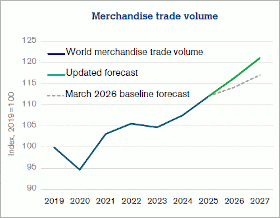
Global trade in goods may start to slow down
Geneva
This is reported by the latest reading of the WTO Goods Trade Barometer.
The new port road connection to Sampierdarena has been activated in Genoa.
Genoa
Paroli: the work now allows approximately 900-1,000 heavy vehicles per day to directly access the port's operational areas.
The rapporteurs of the Ports Bill defend the governance project centered on the Ports of Italy.
Rome
Ghio (PD) denounces that the governing bodies of this new company would be appointed entirely by the government. Ghirra (AVS): The objectives of national coordination could have been achieved by strengthening the National Conference of Port Authority Presidents.
US logistics companies WWEX Group and Auctane announce merger
Unexpected decline in European intermodal traffic in the first quarter of 2026
Brussels
UIRR: Infrastructure chaos caused by construction sites interrupting railway lines
Hanseatic Global Terminals acquires remaining 50% of Hanseatic Global Terminals Aracruz
Rotterdam/Aracruz
The company is building the new Brazilian container port of Imetame
Conftrasporto: The Ports Bill highlights clear operational, financial, and regulatory compliance issues.
Rome
Russo: the competences of Ports of Italy would overlap with those of the Port System Authorities, the Ministry of Transport and the Art
WoodMac believes decarbonisation rules could have a major impact on LNG-powered vessels
Edinburgh
According to the company, European regulations would put ships with DFDE engines out of the market
French MN will transport Avio's Vega C launcher between Italy and South America
Nantes
The French company will equip itself with a new vessel designed specifically for the transport of space equipment
EU methodology for calculating greenhouse gas emissions from transport services comes into force
Brussels
The system is based on the international standard EN ISO 14083:2023
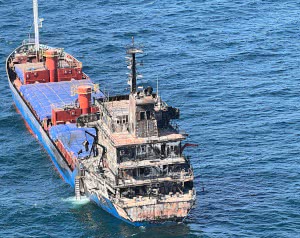
The container ship MSC Sariska V was hit by two shells in the Persian Gulf on Monday.
Geneva/Rome
All crew members were unharmed.
In the first quarter, freight traffic in the port of Bremen/Bremerhaven grew by +5.8%
Bremen
Containers amounted to 1,245,515 teu (+4.4%)
MSC acquires 51% stake in Pivdennyi container terminal (Odessa)
Odessa
It has a traffic capacity of 400 thousand TEUs per year.
The IMO Convention on Liability and Compensation for Damage in Connection with the Carriage of Hazardous and Noxious Substances by Sea will enter into force on 19 November 2027.
London
Dominguez: a long-awaited achievement, which fills an important gap in the international regime
In April, ship transits through the Suez Canal increased by +13.9%
Cairo
In the first four months of 2026, an increase of +12.1% was recorded
In the first quarter, freight traffic in the port of Naples fell by -5.3%, while in Salerno it grew by +6.4%.
Naples
Container throughput in the two ports was 167,433 teu (-3.5%) and 101,509 teu (+7.8%) respectively.
Kerdjoudj (Feport): With the revision of the EU ETS, part of the proceeds should be allocated to ports.
Brussels
Call to carefully evaluate the risk of relocating transhipment traffic
With the new COSCO-PTP terminal, the port of Tarragona relaunches itself on the container market.
Tarragona
Construction work is expected to be completed in 2028 when the terminal will have a capacity of 680,000 TEUs.
In 2025, Egyptian ports set their new all-time container throughput record
Alexandria, Egypt
Strong growth in transhipment volumes, which had remained stable in 2024
The national contract for port mooring and boatmen has been renewed.
Rome
Filt-Cgil strengthens a regulatory framework essential for the sector
A study explains how to make the use of OPS facilities in European ports more attractive and effective.
Brussels
Clearer and more comparable tariffs are also needed.
Federlogistica calls for amendments to the port governance bill.
Genoa
Falteri: the new structure must guarantee the Port System Authority adequate financial resources and effective operational tools.
ESPO calls for EU ETS amendments to ensure the competitiveness of European ports.
Brussels
The negative impact on short sea shipping was also highlighted.
New measures adopted in Switzerland to strengthen the competitiveness of the maritime flag
Bern
A Swiss shipowner will be able to fly the Swiss flag even if the owning company is based abroad
Sea trials of the second cruise ship built in China have concluded.
Shanghai
The Adora Flora City will make its maiden voyage departing from the port of Guangzhou on November 22nd.
In the first quarter of 2026, the value of G20 freight traffic recorded a quarterly growth of +5.3%
Paris
Mitigation of the growth of cargo traffic in the port of Tangier Med
Tangier
In the first three months of 2026, 38.8 million tonnes were handled (+3.2%)
Cargo traffic in Chinese seaports grew by 2.6% in April
Beijing
Imports and exports increased by 0.6%. Containers totaled 26.9 million (+4.8%).
Fermerci asks the government for urgent measures to support rail freight transport.
Rome
Railway companies penalized by infrastructure disruptions
Port of Naples, first ship-to-ship LNG bunkering operation on a cruise ship
Naples
Axpo used the cargo barge "Green Zeebrugge"
CMA CGM closed the first quarter of 2026 with a net profit of $250 million (-78%)
Marseille
Revenues stable, with logistics and other activities offsetting the decline in shipping
The U.S. Supreme Court has reopened the case pitting Havana Docks against Carnival, Royal Caribbean, NCLH and MSC
New International Code of Safety for Autonomous Surface Vessels Adopted
London
It will come into force on July 1st and will be applied on a voluntary basis for at least two years
UIRR: Combined road-rail transport shipments to increase by 1.5% in 2025
Brussels
The association highlighted the disastrous effects on the railway construction sector in Germany.
Fincantieri and Teijin Automotive Technologies sign agreement to develop composite bulkheads for naval applications.
Trieste/Pouancé
Folgiero: We enable the development of lighter and more efficient units
After eight quarters of profits, ZIM reports an operating loss
Haifa
In the first three months of 2026, the volumes of cargo transported by ships also fell sharply (-8.3%)
The US has indicted four Chinese container manufacturers and seven of their executives.
Washington
The arrest of the marketing director of Singamas in France on April 14 was made public.
EU Parliament and Council reach agreement on tariffs agreement between the European Union and the United States
Strasbourg/Brussels
An expiry clause and a suspension clause have been introduced
FFS Cargo Switzerland is reorganizing its single-wagon freight network.
Bern
A reduction of 50 of the current 280 marshalling yards is expected
IMO reports 17% increase in maritime piracy incidents in 2025
London
The most affected area was the Straits of Malacca and Singapore with 122 incidents (+34%).
Hapag-Lloyd and CMA CGM have suspended bookings for maritime shipments to Cuba.
Paris/Frankfurt/Havana
Decision after Trump's expansion of US sanctions
International tender for the new container terminal at the port of Klaipeda will be held by the end of the year.
Klaipeda
It will have an annual traffic capacity of 2.5 million TEUs
ITF calls on governments to dismantle the flag of convenience system once and for all
London
It is - the union denounces - the bad apple at the heart of the exploitation of seafarers
Evergreen's revenues decreased by 21.3% in the first quarter
Taipei
Operating profit and net economic profit fell by -69.5% and -68.8%
Viking Holdings closed the first quarter with a net loss of -54.2 million dollars
Los Angeles
Revenues up 17.5%
In the first three months of 2026, container traffic at Eurokai port terminals grew by +8.9%
Bremen
Increases of 12.7% in Germany and 7.8% in Italy. A decline in the port of Tangier Med.
Norovirus on Ambassador Cruise Line's Ambition cruise ship
Purfleet/Vlissingen
French health authorities have authorized the unit to continue normal operations.
In the first three months of 2026, freight traffic in the Port of Hamburg decreased by -2.0%
Hamburg
Containers amounted to two million TEUs (-1.6%)
Yang Ming and WHL's quarterly financial results continue to deteriorate.
Keelung/Taipei
In the first three months of this year, revenues decreased by -15.1% and -9.3% respectively.
Hapag-Lloyd closed the first quarter with an operating loss of -218.6 million euros
Hamburg
Revenues down 16.8%
In the first three months of 2026, HMM's revenue decreased by -4.8%
Seoul
Container segment saw a 7.9% decline and bulk segment saw a 20.1% growth.
Global Ports Holding's cruise terminals recorded record traffic in the first quarter of this year.
Istanbul
Five million passengers almost reached
In the first three months of 2026, freight traffic in the ports of Genoa and Savona-Vado fell by -3.8%
Genoa
In March, a decline of -6.1%, with a sharp contraction of -15.0% in containerized cargoes
Federconsumatori is calling on the government to take measures to mitigate the impact of the rising ferry ticket prices.
Rome
Price increases are at +18% for the central weeks of August
In the first quarter of this year, cargo traffic in Croatian ports grew by 14.6%.
Zagreb
Monthly record in March
Successful trial of HVO diesel fuel for cruise ship propulsion
San Donato Milanese
Experiment conducted jointly by Eni and MSC Cruises
Gioia Tauro takes second place in the ranking of the main Italian ports, overtaking Genoa
Rome
Fincantieri records a decline in revenues and new orders
Rome
The group's backlog reached a record value of 74.2 billion euros
In the first three months of 2026, maritime traffic in the Suez Canal increased by +11.5%
Cairo
In March alone, growth was +11.2%
In the first three months of 2026, freight traffic in Tunisian ports grew by +5.9%
La Goulette
Ferry passengers (+7.6%) and cruise passengers (+54.2%) are increasing.
Le Aziende informano
International Shipping Community to Gather in Genoa for Two Days of Maritime Dialogue and Networking
US government initiative to introduce nuclear power into large-scale maritime transport
Washington
Proposals invited for the development of a mini-reactor model
The U.S. government has launched an initiative to...
With the latest version of the bill on ports, the task of finding resources for the Ports of Italy is offloaded onto the AdSPs
Rome
This was stated by the vice-president of the Democratic Party group in the Chamber, Valentina Ghio
Assarmatori's annual assembly will take place in Rome on Tuesday.
Rome
The event's theme is "Instructions for not navigating in the dark."
VARD to build a new generation fishing vessel
Trieste
It was ordered by the Norwegian company Rosund Drift
Concentration in the UK shipbuilding sector
London
Baleana buys APCL Group (A&P Tyne, Cammell Laird and A&P Falmouth and Falmouth Docks and Engineering)
Royal Caribbean has taken delivery of its new Legend of the Seas cruise ship.
Miami
Built by Meyer Turku, it can accommodate 5,610 passengers
Informal hearings of trade union representatives on port governance reform
Rome
At the heart of the critical issues highlighted - confirms Filt-Cgil - is the planned establishment of Porti d'Italia Spa
Venice, the DPSS confirms the need to build new offshore terminals outside the lagoon.
Venice
The Strategic System Programming Document has been approved by the AdSP Management Committee
The Spinelli Group has joined the Italian Association of Port Terminal Operators
Genoa
The company and Assiterminal expressed satisfaction with the resumption of an important association
In the first three months of 2026, freight traffic at UK ports fell by -2.6%
London
More significant decrease (-6.8%) in boarding loads
Mark Hindley is the new president of the European Motor Vehicle Logistics Association
Istanbul
Wolfgang Göbel was elected honorary president
At the Port of Genoa, a tugboat was stopped for irregularities in nitrogen oxide emissions.
Genoa
The vessel is used for the construction works of the new breakwater
In April, freight traffic in the port of Ravenna grew by +21.4%
Ravenna
An increase of +2.5% is expected in May
Sallaum Lines to launch dedicated China-Europe service in 2027
Nanjing
Two new 7,400 CEU PCTCs taken delivery
On June 12th in Naples, an initiative by Filt Cgil on governance in the port sector
Rome
Naval drone found in Romanian port of Constanta
Bucharest
The device self-destructed without causing any casualties.
HJSC receives approval in principle for the construction of a 10,000 TEU biofuel containership.
Athens
It was released from the Korean Naval Register
Global Ship Lease invests $917 million to purchase ten new container ships
Athens
They will be delivered between the fourth quarter of 2028 and the first quarter of 2030.
SAILING LIST
Visual Sailing List
Departure ports
Arrival ports by:
- alphabetical order
- country
- geographical areas
WASS (Fincantieri) and Magellan Agreement on Canada's Underwater Defense
Trieste
Industrial cooperation opportunities in the field of heavy torpedoes and countermeasures will be explored
Solutions to overcome the chronic staff shortage in the Italian maritime sector
Procida
Pagano (Maritime Labor Committee): Digitalization, simplification, and cooperation between training and businesses to overcome the crisis
Maritime training agreement signed by Gente di Mare (Cosulich) and Carnival
Genoa
Di Tizio: This collaboration allows us to bring an international project to the territory
Antipollution (V.Group) orders four eco-friendly vessels from ONEX Shipyards & Technologies
Athens
Option for four additional units
Spinelli has ordered three new handling vehicles from FTMH
Genoa
A reach stacker for empty containers has already entered service in the group's Livorno depot
Luigi Merlo to lead MSC Cruises' Italian cruise terminal company
Geneva
Centrone (formerly Fincantieri) takes over as Director of Maritime Policies and Government Affairs for the group in Italy
Greece's Skaramangas Shipyards and South Korea's HD Hyundai sign cooperation agreement
Athens
The aim is to collaborate in the construction of surface military vessels
AD Ports buys the Brazilian Corredor Logística e Infraestrutura
Sao Paulo/Abu Dhabi
The company handles the largest volume of agri-food bulk exports in the South American nation
The 2026-2028 Three-Year Operational Plan of the Northern Tyrrhenian Port Authority has been approved.
Livorno
Unanimous approval from the Management Committee
Chen Lichtenstein appointed president and CEO of ZIM
Haifa
He will replace the resigning Eli Glickman.
Gianluca Croce has been confirmed as president of Assagenti Genova.
Genoa
The members of the association's board for the two-year period 2026-2028
The Mega Serena ferry has joined the Corsica Sardinia Ferries fleet.
Vado Ligure
It has a capacity of up to 2,000 passengers and over 600 vehicles.
The first steel cutting of the Crystal Grace cruise ship took place in Marghera.
Miami
Fincantieri will deliver the vessel in spring 2028
Palumbo Superyacht awarded 13,048 square meters of mooring space to the Port of Ortona.
Ancona
Central Adriatic Port Authority, guidelines for issuing the single ZES authorization
Port of Livorno: Two new FHP MarterNeri warehouses inaugurated
Livorno
Investment exceeding 23 million euros
The Committee of the Central Northern Tyrrhenian Sea Port Authority has decided to close the institution's state of crisis.
Civitavecchia
New solution for exceptional transport on intermodal trains from FS Logistix and Van der Vlist
Verona
Two aerial platforms transported from Verona to Rostock
Port of Naples: Fire aboard GNV's Phoenix ferry
Naples
Flames broke out in the internal areas of deck 6 of the ship
Latrofa has chosen a trusted individual to lead an in-house company within the Lazio Port Authority.
Civitavecchia
The new sole director - he underlined - has been provided with particularly stringent management guidelines
In the first three months of 2026, MPC Container Ships' revenues decreased by -6.4%.
Oslo
Quarterly net income of $40.8 million (-31.8%)
The 2026-2028 Three-Year Operational Plan of the Sardinian Port Authority has been approved.
Olbia
Green light from the Management Committee
The environmental assessment process for the San Antonio Outer Harbor project has been completed.
Saint Anthony
The Viking Mira cruise ship was delivered at the Fincantieri shipyard in Ancona
Ancona/Los Angeles
It has a gross tonnage of 54,300 tons and a capacity of 998 passengers.
In 2025, RINA recorded revenues of over one billion euros (+11%)
Genoa
Net profit up 30%
The new railway bridge has been installed at the Port of Marina di Carrara.
Marina di Carrara
Pisano: A turning point in the port's logistics organization.
Ports, freight terminals, and corridors. Venice and the Upper Adriatic as a gateway to the East.
Venice
This is the theme of the event that will be held on Thursday in Venice
Estonian State Fleet orders electric-powered ferry from Polish shipyard Crist
Tallinn
Contract worth 49.93 million euros
In April, Spanish ports handled 1.7 million containers (+1.7%)
Madrid
Cruise passengers down by -18.4%
Container traffic in the port of Valencia decreased by 2.5% in April
Valencia
In the first four months of 2026, almost 1.8 million TEUs were handled (+0.2%)
Global Ship Lease posts record quarterly revenues again
Athens
Net profit down 24.0%
International cooperation between the Sardinian Port Authority and the Port of Tangier Ville for luxury yachting
Cagliari
Promotion of an integrated nautical circuit between Sardinia and Morocco
The new first aid medical center has been inaugurated in the port of Gioia Tauro
Gioia Tauro
Among the facilities, a first aid clinic and a CMR ambulance
BPER provides financing to Grimaldi Euromed for fleet modernization.
Milan/Naples
Resources used to partially cover the purchase of the ship "Grande Manila"
ASRY and Priya Blue establish ship recycling yard in Bahrain
Al Muharraq/Alang
First ship destined for dismantling has arrived in the Middle Eastern nation
SAAM Towage orders five new tugboats from Turkish shipyard Sanmar Shipyard
Santiago
They will have a pulling capacity of between 70 and 80 tons
Container traffic at the Port of Long Beach dropped 5.7% last month.
Long Beach/Singapore/Hong Kong
In Singapore, growth of +3.6% was recorded, while in Hong Kong containers decreased by -6.3%.
Carta (Fermerci): Urgent policies are needed to support railway companies.
Rome
In 2025, rail cargo lost approximately 3.5%, in terms of trains/km
Fratelli Neri orders two more new tugboats in Egypt
Ismailia
Contract with the Suez Canal Company for Modern Boats
Container traffic in the port of Barcelona grew by 17.4% in April.
Barcelona/Algeciras
Algeciras port increases by 6.3%.
The Islamabad government has approved the sale of a 30% stake in the Pakistan National Shipping Corporation.
Islamabad
The share will go to the state logistics company NLC which will also assume management control of PNSC
In 2025, the Spanish port system recorded record revenues
Madrid
Pre-tax profit was 349 million euros (+4.2%)
Leapmotor International strengthens its partnership with the Neapolitan Grimaldi shipping group.
Hoofddorp
In the first quarter, approximately 20,000 units were transported from China to the Italian market.
Cruise traffic in German ports reached a new record last year
Wiesbaden
With 1.51 million passengers, growth was +4.1%.
Federazione del Mare joins the celebrations for the International Day for Women in Maritime 2026.
Rome
Mattioli: The maritime economy is losing opportunities and potential.
After years of sustained growth, short sea shipping in Spain has entered a phase of structural slowdown
Madrid
This is what the latest report from the Observatorio Estadístico del Transporte Marítimo de Corta Distancia reveals.
AD Ports to buy German freight forwarder MBS Logistics
Colony
The company has over 450 employees and 26 offices worldwide.
The Spinelli Group has joined the Sustainable Intermodal Logistics Association
Genoa/Rome
Summary: ALIS can offer our ecosystem strategic added value
$200 million investment to build and equip the new multipurpose terminal at Pointe-Noire
Brazzaville/Abu Dhabi
Ordered three ship-to-shore cranes from ZPMC
Evergreen confirms purchase of five new 24,000 TEU containerships
Taipei
They will be built by the Chinese shipyard Guangzhou Shipyard International
Korea will launch an Asia-Europe containerized shipping service on the Arctic route in the coming months
Busan
The tender concluded with the preliminary selection of the PanStar company.
The Maritime Union has raised new alarm over the fate of former ILVA ships.
Verona
Their possible demolition puts 240 maritime jobs at risk
In the period January-March, freight traffic in the port of Koper decreased by -3.9%
Ljubljana
In the container sector, 2.4 million tons were handled (-1.7%)
Last chance to recognize some port jobs as strenuous and to establish a pension fund
Genoa
Siemens to acquire Italian MERMEC business
Monk
The transaction will include the Ferrosud rolling stock production plant in Matera
Growth in intermodal traffic at the Nola interport
Nola/Milan
Economic and financial analysis by the Fedespedi Research Center on freight terminal management companies
Quarterly decline in goods handled by Montenegro's ports
Podgorica
The increase in cargo volumes to and from Italian ports continues, albeit at a slower pace.
Assarmatori denounces the exclusion of maritime transport from the Fuel Decree-Law II.
Rome
Messina: The sector cannot be expected to absorb the impact of fuel price increases alone.
HHLA records a -5.3% decline in containers handled in the first quarter
Hamburg
Eijsink: An unusually harsh winter has significantly limited our daily operations
MSC Technology Italy launches a plan to hire 200 new people.
Turin/Geneva
MSC Cruises debuts in the Alaska market
The Marche Region has approved Carloni's appointment as president of the Central Adriatic Port Authority.
Ancona
Awaiting the opinion of the Abruzzo Regional Council
Greek company Danaos Corporation's quarterly revenues remain stable.
Athens
Two ships of the company are still blocked in the Persian Gulf
Container traffic at the Port of Los Angeles increased by 5.7% in April.
Los Angeles/Port Newark
In the first three months of 2026, the Port of New York handled nearly 2.2 million TEUs (-1.2%)
Cognolato was confirmed as president of Assiterminal
Rome
The new presidency committee and board of directors were also elected
In the first quarter of 2026, freight traffic in the port of Ravenna increased by +0.8%
Ravenna
The growth was driven by the entry into operation of the regasification plant
PORTS
Italian Ports:
Ancona Genoa Ravenna
Augusta Gioia Tauro Salerno
Bari La Spezia Savona
Brindisi Leghorn Taranto
Cagliari Naples Trapani
Carrara Palermo Trieste
Civitavecchia Piombino Venice
Italian Interports: list World Ports: map
DATABASE
ShipownersShipbuilding and Shiprepairing Yards
ForwardersShip Suppliers
Shipping AgentsTruckers
MEETINGS
Assarmatori's annual assembly will take place in Rome on Tuesday.
Rome
The event's theme is "Instructions for not navigating in the dark."
On June 12th in Naples, an initiative by Filt Cgil on governance in the port sector
Rome
Comparison on the logistical, industrial and infrastructural development of ports
››› Meetings File
PRESS REVIEW
World's first floating fusion reactor-powered vessel could become reality with new project
(Interesting Engineering)
Shipbuilding's Spring Illusion: Backbone Collapses
(The Chosun Daily)
››› Press Review File
FORUM of Shipping
and Logistics
Intervento del presidente Tomaso Cognolato
Roma, 19 giugno 2025
››› File
MSC introduces calls at Naples and Malaga on its Dragon service
Geneva
Calls at the Gioia Tauro port have been cancelled.
The National Maritime Fund's board has been renewed.
Genoa
He will remain in office for three years
Network contract for the joint development of intermodal services in Emilia-Romagna
Bologna
It was signed by Interporto Bologna, Dinazzano Po S, SAPIR and Rail Traction Company
Messina (Assarmatori): European technocracy appears inflexible on the EU ETS
Brussels
He underlines that a significant improvement of these policies is necessary.
d'Amico International Shipping's first quarter results are positive.
Luxembourg
The company benefited from the effects of geopolitical tensions
Two orientation events in Livorno and Naples to present the ITS Purser course.
Genoa
Meetings scheduled by the Italian Merchant Marine Academy with the Grimaldi Group
The bow section of the Explora V was launched in Palermo
Geneva
Fincantieri will deliver the cruise ship to Explora Journeys in 2027
The president of the Eastern Adriatic Port Authority is the new president of Trieste Passenger Terminal.
Trieste
He takes over from Gianluca Madriz
Port of Olbia: Seabed restoration work has begun in the access channel to Isola Bianca.
Cagliari
The aim is to safely allow large cruise ships to enter
Damen to renovate and operate Dakar ship repair yard
Dakar/Gorinchem
20-year contract with the Société des Infrastructures de Réparation Navale
Savino Del Bene has acquired three companies of the Spanish Grupo Marítima Sureste
Florence/Valencia
The agreement involves Marítima Sureste Shipping, Marítima Sureste Spain and Transportes Gaypemar
Fim-Cisl, the meeting with Fincantieri regarding the Muggiano shipyard's prospects was positive.
La Spezia
The investments announced by management - the union noted - are going in the right direction.
Rising energy costs weigh on Finnlines' latest quarterly financial statement.
Helsinki
Doepel: Burdens further increased by EU ETS implementation
Marabello is the new secretary general of the Strait of Messina Port Authority.
Messina
The assignment lasts four years
Heavy lift vessel HMM Namu hit near the Strait of Hormuz
Seoul
The accident did not cause any casualties.
DFDS's quarterly financial performance deteriorates
Copenhagen
The fleet's rolling stock is growing. Passenger numbers are down 18%.
From May 21st to 23rd, Ravenna will host "Deportibus - The Festival of Ports Connecting the World."
Ravenna
Kalmar records quarterly decline in new orders
Helsinki
In the January-March period, revenues increased by +5%
Job openings are growing for the port companies of Trieste and Monfalcone.
Trieste
Delivery of a recognition plaque
In the first quarter of 2026, Costamare's revenues decreased by -5.3%
Monk
Orders confirmed for 12 new 9,200 TEU vessels and four 3,100 TEU vessels
ICTSI posts new quarterly financial and operating records
Manila
The results benefited from the contribution of the new BACT and DGT terminals
MSC to launch service between the Red Sea and Northern Europe via the Suez Canal
Geneva
Truck and feeder connections to Persian Gulf ports are planned
The first batch of cold ironing work has been awarded to the port of La Spezia.
La Spezia
The total investment is 41 million euros
Konecranes' turnover decreased by -7.7% in the first quarter of 2026.
Helsinki
The value of new orders acquired in the period remained unchanged
- Via Raffaele Paolucci 17r/19r - 16129 Genoa - ITALY
phone: +39.010.2462122, fax: +39.010.2516768, e-mail
VAT number: 03532950106
Press Reg.: nr 33/96 Genoa Court
Editor in chief: Bruno Bellio
No part may be reproduced without the express permission of the publisher
Search on inforMARE Presentation
Feed RSS Advertising spaces

inforMARE in Pdf
Mobile