testata inforMARE Home Page
Cerca
17 November 2026 - Year XXX
Independent journal on economy and transport policy
23:37 GMT+1
LinkedInXFacebook
FORUM of Shipping
and Logistics
Il Nuovo
Piano Generale dei Trasporti


CAPITOLO 9 LE POLITICHE PER L'INNOVAZIONE TECNOLOGICA

Sussistono tre motivi prioritari per promuovere l'innovazione tecnologica nei trasporti: innanzitutto perché costituisce un fattore decisivo per la modernizzazione del sistema, anche sotto l'aspetto di nuovi servizi; in secondo luogo perché può fornire un contributo decisivo all'aumento di competitività dell'industria nazionale; infine alcune tecnologie innovative quali quelle dell'informazione sono per loro natura pervasive, e si espanderanno perciò nel breve termine anche nel settore dei trasporti. Non è detto che la spontaneità porti a cogliere tutte le opportunità esistenti per accrescere l'efficienza. E' certamente conveniente e necessario che il processo innovativo sia accompagnato dallo sviluppo di un quadro normativo adeguato e da azioni di stimolo.

Un sistema di trasporti globalmente più efficiente ha minori impatti negativi per incidenti, emissioni inquinanti, consumi energetici e tempi complessivi di spostamento. A questi obiettivi può concorrere l'innovazione tecnologica lungo quattro linee di azione con effetti cumulativi tra loro interdipendenti:

diminuire il numero di spostamenti di merci e persone necessari per ogni attività;

diminuire la quantità di materia spostata per ogni movimento di merci e persone;

diminuire gli impatti dei singoli spostamenti;

diminuire gli impatti ambientali delle infrastrutture di trasporto.

Per il raggiungimento di questi obiettivi un contributo determinante sarà dato dagli effetti dei programmi europei di navigazione satellitare GNSS 1 e 2, ritenuti particolarmente rilevanti sia per servizi nei settori della tutela ambientale e della conoscenza dei cambiamenti climatici, che per i servizi di multimedialità e i servizi applicati all’industria. I sistemi di navigazione satellitare saranno strategici sia per il trasporto aereo, che per il trasporto marittimo e l’autotrasporto.

La diminuzione degli spostamenti necessari si può ottenere con tutte le applicazioni telematiche che permettono di svolgere attività nella sede più conveniente (telelavoro, videoconferenze, commercio elettronico ecc.) Ma le esperienze maturate mostrano al più una neutralità delle tecnologie rispetto a questo obiettivo e indicano la necessità di accompagnare gli sviluppi tecnologici con azioni politiche.

La diminuzione della quantità di materia spostata a parità di spostamenti utili di passeggeri e merci passa in Italia attraverso il potenziamento e la razionalizzazione del trasporto collettivo. Le tecnologie possano contribuire attraverso:

il miglioramento in termini di velocità commerciale, di regolarità e qualità del servizio;

il miglioramento della percezione che ha l'utente della qualità del servizio: flusso di informazioni continuo che faciliti l'uso intermodale;

razionalizzazione complessiva del trasporto collettivo. Per il trasporto passeggeri ciò comporta l'integrazione di tutta una serie di servizi di trasporto intermedi; per le merci comporta la creazione di servizi di supporto e logistici collettivi (borse noli ecc.).

Per quanto riguarda il trasporto individuale, tutte le tecniche telematiche per migliorare l'efficienza del viaggio concorrono ad aumentare l'efficienza complessiva.

La diminuzione degli impatti negativi dei singoli spostamenti si ottiene migliorando i veicoli (maggior sicurezza), l'infrastruttura (per la sicurezza e l'impatto ambientale) e la relazione tra veicoli e infrastruttura.

Sistemi di controllo del traffico, di gestione delle reti, di miglioramento dei flussi e dei comportamenti producono risultati molto significativi e relativamente facili da ottenere. Per i trasporti individuali la riduzione della velocità di punta e delle irregolarità di marcia - grazie a sistemi di controllo e di rilievo delle infrazioni - porta risultati positivi per emissioni, consumi e sicurezza senza penalizzare necessariamente i tempi di spostamento.

La riduzione degli impatti ambientali delle infrastrutture di trasporto si ottiene:

applicando metodi innovativi di processo e di prodotto per la costruzione di infrastrutture in tutte le fasi, a partire da quella progettuale, ove la protezione ambientale sia un obiettivo alla base degli investimenti;

ricorrendo alle tecnologie di gestione per accrescere la capacità delle infrastrutture esistenti e progettate, minimizzando l'esigenza di nuovi investimenti. 


9.1  Innovazione spontanea e innovazione guidata

In un quadro di evoluzione spontanea, non è affatto certo che l'innovazione produca i benefici suesposti. Molte azioni richiedono infatti la disponibilità individuale e collettiva a investimenti anche importanti, il che non si verifica in tempi brevi. Basti pensare che per raggiungere la concordata riduzione delle emissioni di anidride carbonica saranno necessari investimenti in ricerca da parte delle industrie, ma anche la disponibilità dei cittadini a rinnovare rapidamente il parco veicoli. Di qui l'esigenza di un quadro normativo e di un'azione di promozione/incentivazione.

Quando poi le innovazioni non richiedono investimenti importanti, è probabile che il mercato privilegi gli aspetti più facilmente percepibili con ricadute globali negative. E' il caso della telematica per l'auto, che rischia di essere usata facilmente per comfort e divertimento con possibili effetti negativi su sicurezza ed efficienza.

Tutte le azioni indicate potrebbero inoltre portare ad un aumento della domanda di mobilità e al trasporto individuale su strada, peggiorando il riparto tra le diverse modalità di trasporto.

Sarà quindi necessario evitare che l'aumento di efficienza porti il singolo a comportamenti compensativi (utilizzare di più il trasporto stradale, aumentare i viaggi non necessari ecc.) e favorire l'innovazione mirata al miglioramento del riparto modale (strada - ferrovia per le merci, mezzo privato - mezzo collettivo per i passeggeri).


9.2 Innovazione e mercato

Il vincolo della minimizzazione dei costi nelle gare della Pubblica Amministrazione ha impedito all'innovazione di costituire un aspetto prioritario. Tale tendenza, pur se motivata, può innescare un circolo negativo.

Un impulso all'introduzione di nuove tecnologie può essere dato sia dall'istituzione di un sistema di gare per prezzo e prestazioni, in cui il soggetto pubblico, via via informato sulle opportunità dell'innovazione, alza il livello delle gare e spinge alla ricerca di soluzioni tecnologiche; e sia dal ricorso sistematico, nei criteri di aggiudicazione, oltre al costo, alla valutazione con metodologie verificabili delle prestazioni in termini di efficienza, qualità, impatto ambientale e contenuto tecnologico.

Tali considerazioni assumono particolare importanza anche nelle procedure per l'affidamento dei servizi di trasporto.

In una logica di mercato aperto, l'intervento pubblico deve operare su due piani complementari: disegnare in primo luogo un quadro di riferimento per lo sviluppo dell'innovazione attraverso la definizione degli obiettivi e delle normative, la creazione delle strutture di base e l'orientamento del mercato al rinnovamento tecnologico; e in secondo luogo applicare le tecnologie con investimenti sulle reti di proprietà, promuovendone l'uso da parte dei concessionari, e con un'azione di informazione e formazione nei confronti di autorità e operatori locali.

Un contributo determinante può venire dalla realizzazione dei sistemi moderni di gestione, informazione collettiva e controllo.

Altrettanto necessari sono i servizi di informazione collettiva con una rete di trasferimento dati tra i vari operatori nazionali ed europei e i sistemi di pagamento automatici utili sia al controllo degli accessi e all'uso multimodale dei trasporti, sia al finanziamento delle infrastrutture.

Poiché la realizzazione delle iniziative spetterà ai concessionari e agli operatori locali, l'intervento pubblico deve assumere una funzione di catalizzatore delle applicazioni innovative, con nuove esigenze:

la necessità di azioni dimostrative, di informazione e formazione nei confronti di tutti gli operatori;

la promozione della sperimentazione;

la fissazione di adeguati standard di servizio per le diverse reti in termini di efficienza, sicurezza, informazione agli utenti.

Ma queste azioni, pur necessarie, non sono sufficienti. I benefici a lungo termine possono venire soltanto da una applicazione su vasta scala di tutto lo spettro tecnologico. Occorre un nuovo tipo di cooperazione pubblico - privato, con una chiara suddivisione dei ruoli dei diversi attori.


9.3 La telematica applicata ai trasporti

La telematica applicata ai trasporti può servire a ottenere risultati positivi in termini di efficienza globale, sicurezza, impatto ambientale e comfort all'utente. Sono già operativi in Italia servizi telematici e prototipi dimostrativi su larga scala. Iniziative di sviluppo sono in corso in diverse realtà locali e nazionali. Guardando al solo trasporto stradale si possono ricordare:

i sistemi di pagamento automatizzato;

i sistemi integrati e ottimizzati di gestione, informazione e controllo del traffico;

il servizio di informazione collettiva digitale via radio, ora in fase di lancio d'accordo con altri Paesi;

il Piano nazionale per la telematica per i trasporti stradali, a cura del Ministero dei lavori pubblici;

la partecipazione dell'Italia ad alcuni progetti dimostrativi europei.

Può dunque emergere nell'immediato futuro tutta una serie di opportunità, e tra queste:

servizi individuali di informazione in tempo reale al pubblico sullo stato della rete di traffico e sulla situazione della rete di trasporto. Le informazioni, anche per il trasporto merci, raggiungeranno l'utente in viaggio, a casa, sul lavoro;

sistemi di informazione collettiva, controllo e gestione ottimizzati per reti e singoli tronchi, con la capacità di prevenire congestioni e ridurre incidenti, reagire immediatamente a situazioni anomale dirottando il traffico;

sistemi di gestione ottimizzati delle flotte di trasporto pubblico e privato, merci e passeggeri capaci di migliorare l'efficienza globale anche in situazioni di domanda debole o flessibile;

sistemi di informazione individuale e navigazione assistita, che permettono di trovare la rotta più conveniente nella rete di trasporto;

sistemi di assistenza al guidatore nel trasporto su strada che, in un futuro prossimo, potranno includere informazioni sullo stato della strada, sistemi anticollisione, regolazioni adattive di velocità, aiuti in caso di emergenza.

Per quanto riguarda l'efficienza, si stima che l'azione contemporanea delle azioni di dirottamento, gestione e controllo su reti mediamente congestionate possa produrre una riduzione del 20% dei tempi di viaggio medi. Il dato è stato confermato dalla sperimentazione in Torino e anche se ricavato su una rete urbana, può essere esteso a reti di qualunque natura, purché sufficientemente congestionate.

Per quanto riguarda la sicurezza, i benefici si traducono in una limitazione e in una minore esposizione al rischio e in una riduzione degli incidenti e delle loro conseguenze. La telematica può grandemente facilitare la prevenzione e la repressione dei comportamenti scorretti.

Per quanto riguarda la protezione ambientale, essa è conseguente all'aumento di efficienza e all'eventuale miglioramento della scelta modale. Stime ed esperimenti (Torino) portano a riduzioni locali del 20% e globali dell'11%.

Naturalmente anche la telematica ha i suoi lati negativi, potendo generare una maggiore domanda e peggiorare la scelta modale a favore del trasporto automobilistico individuale. Può suscitare una sensazione di falsa sicurezza sugli utenti. Occorrerà dunque intervenire con norme razionalizzatrici e reprimere comportamenti scorretti.

In particolare nel PGT occorrerà dedicare attenzione a tutti i servizi che permettono un miglior uso intermodale della rete dei trasporti.


9.4 L'innovazione nel trasporto ferroviario

Emergono in questo settore le seguenti necessità:

modernizzare i sistemi di controllo e di gestione del traffico, per maggiori sicurezza e qualità del servizio;

piattaforme comuni vari operatori dei servizi per i sistemi tecnologici di supporto ai passeggeri;

sistemi di comunicazione interni ai veicoli;

piattaforme comuni per lo scambio dati tra operatori diversi, nazionali e internazionali, con il loro utilizzo sia per la gestione del servizio di trasporto che per la diffusione dell'informazione agli utenti;

un insieme di servizi per il tracking di merci e per il potenziamento dei servizi di trasporto combinato;

analisi delle opportunità offerte dall'innovazione sui veicoli, con particolare attenzione all'integrazione delle reti all'interoperabilità.

Alcune di queste necessità stanno trovando risposte naturali, nei piani di sviluppo esistenti; tra queste, la modernizzazione degli impianti e dei sistemi di controllo. Sembra prioritario incentivare tutte le azioni che hanno riferimento diretto alla interoperabilità dei sistemi e dei servizi. Tra queste, è importante un’azione di definizione di una architettura aperta per il complesso dei servizi e sistemi ferroviari, poiché tale architettura favorirebbe la definizione di componenti e di servizi integrabili, la nascita di nuove opportunità industriali e, nel contempo, un più rapido adeguamento della rete e del materiale rotabile alle necessità poste dalla deregulation. La definizione dell’architettura dovrà considerare le interfacce con gli altri modi, essere indipendente dalle tecnologie e aperta a integrazioni in ambito europeo e, infine, tendere a fornire un input di base per le azioni di standardizzazione.


9.5 I veicoli stradali

Il raggiungimento degli obiettivi di tutela ambientale passa forzatamente attraverso il rinnovo del parco veicoli sia per trasporto merci che per passeggeri. In questo campo le tecnologie hanno fatto notevoli passi in avanti, ma è necessario che questi risultati si traducano in benefici in termini globali. Il PGT dovrà a questo fine considerare le azioni necessarie a:

favorire un ricambio accelerato del parco circolante;

evitare gli effetti di rimbalzo (aumenti del chilometraggio, delle velocità d'uso, dei pesi e delle potenze);

favorire le scelte strategicamente più corrette.

Occorrerà stabilire una scala di priorità alle diverse tecnologie a breve e medio termine. Il PGT dovrà prevedere le misure per incentivare il mercato dei veicoli a basse emissioni, almeno per gli usi pubblici, anche a scopo dimostrativo in quanto le tecnologie pulite saranno più costose.

Appare prevedibile inoltre l'immissione sul mercato di nuove tipologie di veicoli per il trasporto merci (veicoli per le consegne in città e veicoli a grande portata per distanze medie e lunghe). Sarà necessario analizzare le conseguenze e - in caso di risultati positivi - definire le condizioni per uno sviluppo accelerato.

Si deve poi puntare al miglioramento della sicurezza attiva e passiva dei veicoli prevedendo il possibile ingresso nel mercato di nuovi sistemi (assistenza al guidatore, della quale occorre studiare in campo europeo la normativa) e, in generale, adeguando le norme alle nuove tecnologie.

Il PGT dovrà inoltre considerare le possibili politiche verso i mezzi a due ruote che - nel caso delle motociclette - hanno assunto rilevanza in ambito urbano con impatti importanti per l'accessibilità, le emissioni e la sicurezza; e presentano problemi e opportunità specifiche. Infine si dovranno considerare i sistemi di trasporto a impianto fisso in quanto potrebbero costituire un'alternativa molto interessante per i centri urbani.


9.6 L’introduzione del fattore "tecnologia" nella fase di costruzione delle opere

Occorre un radicale mutamento di rotta nelle procedure per la costruzione delle opere civili. In particolare:

ai fini di una valutazione collaterale introdurre – accanto a quelli tradizionali – anche criteri che ponderino la struttura temporale dei costi, per tenere conto dell'urgenza del completamento dell'opera;

nel processo di valutazione utilizzare anche dei prezzi ombra ambientali e occupazionali. Per l'ambiente si tratta di valutazioni circa l'impatto sul paesaggio, sul contenuto energetico totale, agli impatti sulle cave e sullo smaltimento dei residui di scavo. Pur con molta attenzione per evitare scivolamenti distorsivi, si potrà attribuire un valore esplicito al contenuto in termini di occupazione delle tecnologie prescelte e alla possibilità di lavoro indotto;

definire obiettivi specifici di innovazione tecnologica del settore, di fatto configurando un contenuto autonomo di ricerca – sperimentazione alle opere.

Occorre, in conclusione, un paniere di obiettivi più articolato che non la semplice minimizzazione dei costi, considerando in modo esplicito il progresso tecnologico e le certificazioni dei sistemi di qualità contenuti necessari e qualificanti ai fini dell'aggiudicazione.

Per quanto riguarda la possibile evoluzione del mercato delle infrastrutture stradali verso la richiesta di sistemi integrati, occorrerà prevedere che già in fase di progettazione ed esecuzione siano inclusi: il pagamento e il controllo degli accessi, il monitoraggio del traffico, il rilievo delle infrazioni, l'informazione collettiva, il tracking di veicoli e le reti di comunicazione. Appare ancor più necessario porre attenzione alla progettazione e alle specifiche di fornitura che devono imperativamente indicare gli obiettivi in termini di prestazione e servizio, considerando l'intero ciclo di vita del sistema e la sua funzionalità in esercizio.


INDICE

›››File
FROM THE HOME PAGE
Dry rivers and a larger fleet: Viking cruise group's third quarter amid growth and rising costs
Los Angeles
The water crisis in Europe reduces revenues and adjusted gross margin by approximately €100 million, while fleet expansion increases vessel operating expenses by +17.6%.
Malta Maritime Forum: The current EU maritime ETS is flawed and damaging.
Floriana/Brussels
A proposed fix: apply the ETS to cargo, whether containerized or not, rather than to the vessel carrying it. The MBB proposes exemptions for island connections.
Greek shipowners slam Brussels: EU inflexibility jeopardizes IMO negotiations on shipping decarbonization
Piraeus
On the eve of the London meetings, the UGS denounces the stalemate and calls for flexibility
EU ETS, ESPO, FEPORT, WSC and Assarmatori call for strengthening incentives for transhipment
Brussels
The four associations call for changes to Article 12(3-g) to protect the competitiveness of European hubs compared to non-EU ports
Beyond Automation: The Port Work That Remains
Rio de Janeiro
In Rio, the IDC discusses 2030, and a Brazilian study asks how much, in a healthy way, port work costs today.
Port of Civitavecchia: Cruise passenger numbers up 10.8% in the third quarter; cargo holdups and ro-ro traffic decline.
Civitavecchia
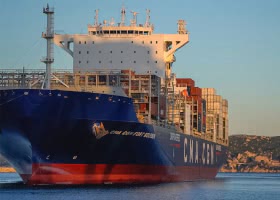
In the third quarter, revenues of French company CMA CGM grew by +31.1%
Marseille
Net profit tripled. The fleet transported a record number of containers.
Ports of Naples and Salerno saw container throughput growth in the second quarter.
Naples
283,000 TEUs were handled (+7.8%). Total freight increased by 4.7%. Ro-ro traffic slowed and cruise traffic declined.
Evergreen and WHL post strong quarterly earnings growth
Taipei
The two Taiwanese companies have ordered 83,300 and 110,050 new containers respectively.
Terminal Operators Face Off: HHLA Slows in Third Quarter, ICTSI Accelerates
Hamburg/Manila
The German company saw an 8.5% drop in container traffic. ICTSI reported an 8.1% increase (-1.8% on a like-for-like basis).
Port of Hamburg: Container throughput stable in third quarter
Hamburg
Bulk cargo decline. In the first nine months of 2026, traffic amounted to 84.5 million tons (-2.6%).
Fincantieri's orders totaled €3.57 billion in the third quarter, up 180%.
Trieste
Revenues down 6% to €2.02 billion, but EBITDA rises 7% to €161 million.
Hapag-Lloyd reports quarterly revenue growth of 27.9% with container volumes virtually unchanged.
Hamburg
Average freight rate rises by 27.9% and supports the results of the German company, which further improves its annual estimates
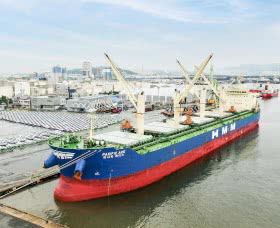
HMM records a very positive third quarter in both the container and bulk segments
Seoul
During the period the fleet transported 1.1 million containers (+8.4%)
The reform that was supposed to reduce the fragmentation of ports
Taranto
From the transition from 24 Port Authorities to 15 AdSPs to the entry of Gallipoli into the Taranto system: Italy continues to add ports
The port of Genoa closed the third quarter with growth, while freight traffic remained stable in Savona-Vado.
Genoa
Port of Ravenna, September slows down
Ravenna
In the first nine months of 2026, freight traffic remained above last year's levels
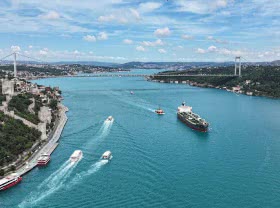
Bosphorus Strait: Ship transits plummet by 23.2%.
Ankara
Bulk carrier passages halved in the third quarter. The decline in the Dardanelles was more moderate (-12.8%), while container ships held steady.
In the third quarter, Eurokai terminals handled a record traffic of 3.9 million containers (+9.4%)
Hamburg
In the first nine months of 2026 the total was over 11.3 million TEUs (+8.7%)
Maritime ETS: Brussels says the system is working. Ports fear traffic flight.
Brussels
The Commission's latest report for 2025 reports a 4% drop in emissions and compliance above 99%. However, it provides no new data on the risk of tax evasion.
Yang Ming's revenues grew by 52.4% in the third quarter
Keelung
A continuation of favorable conditions for shipping is expected in the latter part of 2026
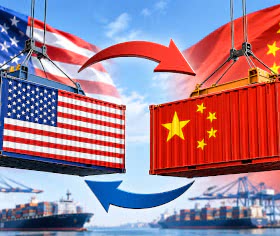
US-China trade easing also involves ports and shipyards
Beijing
Beijing extends suspension of port charges on US vessels and investigation into the impact of the US measures on its maritime industry
Alfa Laval Acquires Navtor for $700 Million
Lund/Egersund
The Norwegian company providing digital solutions for shipping will be integrated into the Ocean division of the Swedish group
Boluda Towage acquires Dutch towing company Muller Dordrecht
Dordrecht/Valencia
It has a fleet of 16 tugboats and eight barges
Last month, vessel transits through the Suez Canal increased by +32.1%
Cairo
Growth of +86.8% in tonnage and +94.1% in transit rights
Rail, space, and the environment are among the priorities emerging from meetings on the new Port Planning Scheme for the ports of Genoa and Savona-Vado.
Genoa
The first phase of the AdSP's listening process has concluded with 65 hearings and over 120 stakeholders involved.
Fincantieri signs agreements with JA Solutions, Navantia, and Naval Group
Paris
Intensive collaboration with the Danish company in the field of advanced modular and containerized systems for reconfigurable naval units
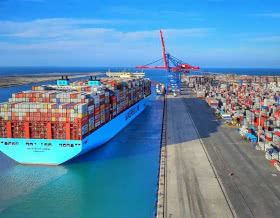
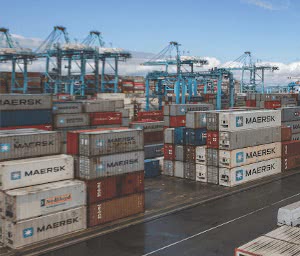
Fewer containers, more revenue: Maersk's maritime division grows with freight rates
Copenhagen
In the third quarter, volumes fell by -0.8%, but tariffs and congestion raised Ocean's EBIT to 2.6 billion
From Egypt to Morocco, passing through Gioia Tauro: does the ETS shift containers to non-EU ports?
Brussels
A study promoted by Assarmatori sees signs of transfer already underway and calls for corrections
ONE vessels carried record container volumes in the third quarter
Singapore
Revenues increased by 36.5%. Performance driven by demand for transpacific shipments.
Wallenius Wilhelmsen records a third quarter with record revenues which, however, grow less than costs
Lysaker
Slight decrease in the volumes of vehicles transported by the fleet
Suez Canal: Signs of a recovery in ship traffic in September
Ismailia
However, the repercussions of the crisis in the Red Sea persist
Taranto, the steel crisis continues to weigh on the port.
Taranto
Liquid bulk cargoes are supporting volumes, but overall traffic is down 5.7% in the first nine months of 2026. Container traffic remains volatile.
US port tariffs on Chinese ships, trade coalition calls for permanent suspension
Washington
Hundreds of associations have written to Greer ahead of the January 9, 2027, deadline. Among them is the World Shipping Council.
T&E: The ETS should become the driving force behind investments in e-fuels for aircraft and ships.
Brussels
The organization's demands for the overhaul of the ETS: more European resources, a dedicated fund, and two-sided auctions
In the first half of 2026, freight traffic in the port of Livorno fell by -3.6%
Livorno
Ports on Elba also experienced a decline (-3.3%). The port of Piombino bucked the trend with a +5.7%.
Cargo volumes down in Southern Adriatic ports in the first six months of 2026
Bari
The system loses 676 thousand tons compared to 2025, almost all between the two largest ports
In the third quarter, ship traffic in the Panama Canal remained stable
Panama/Balboa
However, the tonnage of ships and the volume of goods in transit are growing
Le Aziende informano
Ufficiali di Macchina: l'Accademia Italiana della Marina Mercantile apre le selezioni per il corso ITS triennale gratuito. Scadenza 26 ottobre
Maritime ETS, FEPORT supports cargo-related anti-avoidance measure
Brussels
It is the most effective solution - claims the federation of European terminal operators - to protect the competitiveness of EU ports
COSCO Shipping, revenues +29% and profits +82%: the credit goes to freight rates, rather than volumes
Hong Kong
The trans-Pacific market is the driving force behind the Chinese group's accounts
Norwegian Cruise Line Holdings reports increased net income but declining margins in the third quarter.
Miami
APM Terminals signs further expansion phase for the Moroccan port of Tangier Med
Rabat
An investment of over 800 million dollars is planned to build 1.2 kilometers of docks
Port of Barcelona launches project to reduce cruise terminals from seven to five
Barcelona
Review of the concession held by Creuers del Port de Barcelona
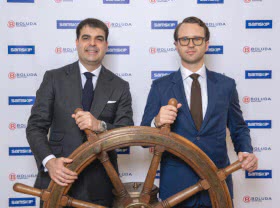
Boluda and Samskip, a new merger in European short-sea shipping.
Valencia/Rotterdam
The Spanish group has signed an agreement to acquire all the activities of the Dutch group and expand its multimodal platform
Indian shipyards on EU ship recycling list, ECSA asks MEPs to approve
Brussels
Call to reject a motion opposing the Commission's proposal
CVC DIF has acquired a majority stake in the Spanish shipyard Cernaval
Schiphol
The Iberian company employs approximately 275 people
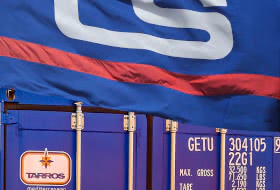
Contship Italia acquires the Tarros group
Melzo/La Spezia
All the activities and assets that make up the integrated service system of the La Spezia group are changing hands
Villa Vie Residences' residential cruise ship suspended
Fort Lauderdale/Sihanoukville
The company attributes the ship's grounding to rising fuel costs and is working on a restructuring and recapitalization plan.
Wallenius Wilhelmsen orders four 9,900 CEU PCTCs plus eight options
Lysaker
Agreement with the Chinese shipyard Jinling Shipyard (Jiangsu)
Royal Caribbean posts record quarterly revenue of $5.59 billion. Full-year 2026 forecasts are raised.
Miami
EBITDA at 2.53 billion and passengers at 2.68 million in the July-September period
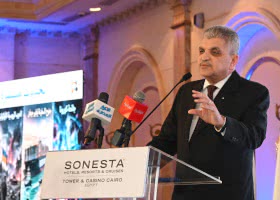
Maritime safety, ETS, flags, and employment are the focus of the Confitarma president's report.
Rome
Zanetti calls for a European alliance for freedom of navigation, a national pact for the transition, and less bureaucracy for the Italian flag.
Global Ports Holding signs concession agreement for Saint Vincent cruise port
Istanbul
The agreement has a duration of 30 years
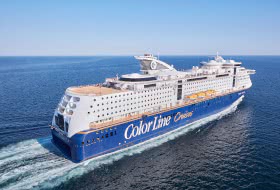
Sunde family sells Color Line to Stena
Gothenburg
Swedish ferry group acquires Norway's largest cruise ferry company
Chinese ports, the race is slowing down
Beijing
After 25 years of growth, freight traffic is almost at a standstill, but containers are still breaking records.
Lorenzo Sanna is the new president of ANPAN
Sestri Levante
Parmigiani: Regarding the High Seas Protocol, we should return to the commander's paper declaration.
2027 will once again be a record year for the Italian cruise industry
Livorno
Approximately 16 million passengers are expected, with a growth of +4%
Port reform: Commission discusses only setting aside and rejecting vessels
Rome
The Chamber of Deputies has passed no amendments in three weeks. The only exception is Port Authority staff.
Road haulage, truce near. The government releases funds for diesel fuel and structural reforms.
Rome
Emergency decree approved with tax credits, a ban on leasing, and fuel surcharge protections
The fleet of dual-fuel containerships and car carriers exceeds 500 units
Washington
A 41% jump compared to September 2025. Industry investments have exceeded $200 billion.
Green Maritime Corridors: China Leads the Race
Shanghai
Nearly a fifth of global developments involve a Chinese port. The Global Maritime Forum report highlights fuel and collaboration as strengths, while demand remains weak.
In the third quarter, freight traffic in Spanish ports grew by +2.1%
Madrid
Bulk cargo is driving the trend. Containerized cargo remains stable.
The EU invests in the green revolution of the seas
Brussels
From ammonia to e-methanol, from electric ferries to CO2 capture: projects reshaping the future of European shipping have received funding.
20 silos at the port of Catania demolished
Catania
Some fragments of the murals will be transformed into works of art
Containerized cargo throughput at the port of Barcelona increased by 14.3% in October.
Barcelona
Transhipment traffic on the rise
Container traffic at the Port of Long Beach grew by 11.7% last month.
Long Beach/New York
Containers in New York decreased by -1.7% in the third quarter of 2026.
SRI Global acquires The Italian Sea Group for €220 million.
Marina di Carrara
Next Monday the Board of Directors of the nautical company in Marina di Carrara
CEVA Logistics opens a new warehouse in Castel San Giovanni
Milan
50,000 square meters of space dedicated to Daikin's activities
Container traffic in the port of Hong Kong increased by 12.9% in October
Hong Kong
In the first ten months of 2026, 11.15 million TEUs were handled (+3.5%)
Gulftainer and TiL to build container terminal at Indonesian port of Marunda
Sharjah
Agreement with Indonesian PT Karya Citra Nusantara
Rosetti Marino signs new contract for offshore operations in the Mediterranean Sea.
Ravenna
The contract is worth more than 400 million euros
The Ligurian port system with Liguria International at Logitrans in Istanbul
Istanbul
Services and projects highlighted to strengthen logistics connections between Turkey and Southern Europe
Boluda Towage acquires Ecuadorian towing company Cititug.
Valencia
The transaction includes the transfer of ownership of five tugboats
Port of Los Angeles Sets Container Traffic Record for October
Los Angeles
In the first ten months of 2026, 9.11 million TEUs were handled (+5.1%)
In 2027, the port of Ravenna expects 365,000 cruise passengers.
Ravenna
To date, 115 cruise ship calls are scheduled
Giosuè Vezzuto appointed CEO of RINA Services
Genoa
Finnlines' quarterly financial results show strong growth.
Helsinki
Revenues increased by 26.2% in the July-September period. Profit increased by 81.6%.
The Port of Tarragona has won the ESPO Award 2026.
Brussels
The area surrounding the Port Authority headquarters has become a sustainable, resilient and intergenerational space
In the third quarter, cargo traffic in Croatian ports grew by +18.5%
Zagreb
Regular service passengers remained stable, while cruise passengers increased by 6.2%.
Tardino appointed President of the ESPO Committee for the Outermost Regions and Islands
Palermo
In Brussels, a meeting with Raffaele Fitto on the strategic issues of Italian ports.
Denmark's DFDS posts record quarterly revenue
Copenhagen
In the period July-September the group's ships transported 10.1 million linear metres of rolling stock and 2.1 million passengers (-3.6%)
In Montenegrin ports, cargo volumes are decreasing while passengers are increasing.
Podgorica
Traffic with Italy is declining
Ansis Zeltins has been re-elected president of the European Sea Ports Organisation.
Brussels
The Icelandic Ports Association has joined ESPO
This year Blu Navy recorded a growth of +12% in passengers transported
Portoferraio
Transported vehicles also increased (+11%)
A conference on the present and future of Motorways of the Sea in Italy will take place in Ravenna on November 17th.
Ravenna
In 1991 the Ravenna-Catania maritime line began
Uiltrasporti, the Democratic Party's commitment to amendments for port and maritime work is welcomed.
Rome
It is the only political force - the union underlines - that has responded to our requests for a meeting so far.
In the first nine months of 2026, container traffic in the port of Gioia Tauro grew by +1.7%
Rome
The Bank of Italy's economic update on Calabria's economy
FS Engineering and Sogesid have signed an agreement to develop infrastructure projects in Italy and abroad.
Rome
National focus on port infrastructure, logistics systems, and mobility-related infrastructure
The Lazio Regional Administrative Court (TAR) has suspended the increases in maritime training center fees.
Rome
CONFORMAR and ANIFORMAR's request for precautionary measures has been granted. The hearing on the merits is scheduled for March 16.
Global Ship Lease revenues up 4.5% in the third quarter of 2026.
Athens
New $1 billion credit line to finance 15 new container ships
The Papagno Course at Assagenti has trained over a thousand young maritime agents and brokers
Genoa
It has been provided nationally since 2017
AIRIDEA, a new Genoa-Marseille air link with the support of Genova Industrie Navali
Genoa
Service designed to facilitate work-related travel between the two cities
Fincantieri and Republikorp form joint venture to strengthen Indonesia's shipbuilding industry.
Paris
The Propeller Club Port of Sardinia was established today in Cagliari
Genoa
It is the 27th Club of the national association which includes over 1,600 members
India's Adani Ports acquires Dutch terminal operator Evos
Ahmedabad/Amsterdam
Transaction worth 2.56 billion euros
Hapag-Lloyd has completed the acquisition of a 25% stake in APM Terminals Maasvlakte II.
Hamburg
Interferry's board of directors has been renewed.
Victoria
Appointments at the association's 50th anniversary conference in Bangkok
DIS reports earnings growth in the third quarter of 2026
Luxembourg
After the boom in the second quarter, profitability remains at high levels
Arsenio Dominguez will continue to lead the IMO until the end of 2031.
London
The Council has decided. The appointment must be ratified by the assembly.
DHL grows in the third quarter, with Express and Forwarding driving revenue and profits.
Bonn
Revenue of 22.7 billion euros (+12.6%) and EBIT of 1.7 billion (+16.2%)
The EU General Court has annulled the withdrawal of recognition from the Russian naval register
Luxembourg
The investment ban and transaction ban remain in force
Italian bioLNG seeks space among ETS, FuelEU, and national incentives
Rimini
Assogasliquidi calls for simpler certification procedures and measures to make domestic production competitive.
Fincantieri and Leonardo reach agreement to strengthen Orizzonte Sistemi Navali's role.
Trieste/Rome
The companies aim to consolidate the industrial and commercial role of the joint venture
Port of Rijeka: Various cargoes push Luka Rijeka forward, while the Adriatic Gate container terminal loses ground.
Rijeka
In the first nine months of 2026, overall traffic fell by -15% to 3.83 million tonnes
Confetra: The government wants to abolish the tax on small parcels.
Rome
Satisfaction with the government's choices in the budget bill
A Port Renewable Energy Community has been established in Taranto
Taranto
Among the objectives, the development of the Apulian port as an energy hub
Filt and Uilt, the temporary port labor system is not anachronistic
Rome
To define it in this way - the unions denounce - means distorting the nature and role of Article 17 of Law 84/94.
New quarterly record for freight traffic in Albanian ports
Tirana
In the period July-September passengers decreased by -5.4%
SAILING LIST
Visual Sailing List
Departure ports
Arrival ports by:
- alphabetical order
- country
- geographical areas
FedEx's earnings are rising, but net profit falls 68%.
Memphis
The non-cash capital loss related to the spin-off of FedEx Freight weighs heavily
Kalmar recorded a 22% growth in new orders in the third quarter
Helsinki
Turnover stable. Net profit down 14%.
In the third quarter, sales of containers produced by CIMC increased by +30%
Hong Kong
Commercial activity driven by dry boxes (+36%). Reefer units dropped by 28%.
Ports, new investments in Tuscany and Sardinia
Livorno/Cagliari
The 2027 budget estimates for the two Port Authorities have been approved. Highlights include the Piombino dock, works in Livorno, and dredging and electrification projects in Sardinian ports.
Finding qualified personnel in Italian ports is increasingly difficult.
Naples
An analysis by Randstad Research of 13 professional profiles also highlights a marked gender imbalance
COSCO Shipping Ports reports record third-quarter revenue
Hong Kong
In the July-September period, net profit was 102.5 million dollars (+3.4%)
Approval for the 2027 budget forecast and the 2027-2029 POT of the Southern Tyrrhenian and Ionian Sea Port Authority.
Gioia Tauro
The forecast document shows revenues of approximately 24 million euros and expenses of approximately 88 million
Ravenna native Bongiovanni confirmed as president of the Federagenti Youth Committee.
Rome
Renewal of the federation's board of directors
The 2027-2029 Three-Year Operational Plan for the Central Adriatic Port System has been approved.
Ancona
308 million euros of investments are planned, of which 218 million for the Marche region and 91 million for Abruzzo.
The 2027 budget forecast for the Western Liguria Port Authority has been approved.
Genoa
New surcharge on goods postponed to 2028
DP World opens a temperature-controlled warehouse near Bologna
Bologna
Surface area of 22 thousand square meters
Saipem wins two new offshore drilling contracts
Milan
The total value of the orders is approximately 121 million dollars.
Hanwha brings Philadelphia Naval Shipyard under Defense Division control
Arlington
The goal is to integrate the construction of commercial and military ships
The Ports of La Spezia and Carrara approve the 2027-2029 Three-Year Public Works Program and the 2027 Budget.
La Spezia
Pisano: PTLP concrete and consistent with currently available resources
Port concessions: Regional Administrative Court (TAR) blocks 2025 fee increase
Rome
The appeal of Assiterminal and sixteen port companies has been accepted.
Wärtsilä sees quarterly order increases, but not in the Marine segment
Helsinki
In the period July-September the company recorded a net profit of 125 million euros (-31%)
Montaresi appointed general secretary of the Eastern Ligurian Sea Port Authority for another four years.
La Spezia
Renewal of office on the proposal of President Pisano
Double ceremony for two Explora Journeys ships at the Fincantieri shipyard in Genoa
Genoa
Launch of "Explora V" and coin ceremony of "Explora VI"
Italian CMD passes under the control of the UAE group EDGE
Abu Dhabi/Rome
Cousins Mariano and Giorgio Negri retain a significant shareholding
The Northern Tyrrhenian Port Authority presents the new layout of the port of Piombino.
Livorno
Gariglio: A concrete step towards industrial reconversion and the future of Piombino.
FS Logistix has purchased six new CZ LOKO locomotives for freight and shunting services
Rome/Prague
This is the fourth order of this type for the Czech company in ten years.
Port of Bremerhaven: The cruise ship Mein Schiff 3 collided with two container ships.
Bremen
No injuries. The cruise was canceled.
Paolo Moretti has been appointed CEO of RINA Spa.
Genoa
Giosuè Vezzuto has assumed the role of CEO of RINA Services
HD Hyundai and Kiewit to establish joint venture at new shipyard in the US
Houston/Seoul
The construction of both military and commercial vessels is planned
Konecranes' quarterly port equipment orders decline as revenue increases
Helsinki
Kuehne+Nagel's third quarter was very positive
Schindellegi
Growth in economic and operating results in all business segments
Wildcat's race for US defense: exclusive agreement with historic Fraser shipyard
Superior
The Miami Beach fund's operation is part of the government's plan to relaunch the American shipbuilding industry.
Port of Ancona: First single ZES authorization issued
Ancona
A three million euro investment in yacht construction has been unblocked.
PORTS
Italian Ports:
Ancona Genoa Ravenna
Augusta Gioia Tauro Salerno
Bari La Spezia Savona
Brindisi Leghorn Taranto
Cagliari Naples Trapani
Carrara Palermo Trieste
Civitavecchia Piombino Venice
Italian Interports: list World Ports: map
DATABASE
ShipownersShipbuilding and Shiprepairing Yards
ForwardersShip Suppliers
Shipping AgentsTruckers
MEETINGS
A conference on the present and future of Motorways of the Sea in Italy will take place in Ravenna on November 17th.
Ravenna
In 1991 the Ravenna-Catania maritime line began
Assologistica event to discuss the Mediterranean strategy for Italian competitiveness
Rome
It will be held next October 30th in Naples
››› Meetings File
PRESS REVIEW
Cosco Shipping arm readies China IPO to capitalise on global shipbuilding wave
(South China Morning Post)
Rosatom expects cargo traffic along Northern Sea Route to rise 14% in 2026 - CEO
(Interfax)
››› Press Review File
FORUM of Shipping
and Logistics
Relazione del Presidente Mario Zanetti
Roma, 27 ottobre 2026
››› File
Access to the port of Ravenna is authorized for vessels with a maximum draft of 11.00 meters.
Ravenna
Benevolent: it is a fundamental step for the economic and strategic development of the airport
Port of Genoa extends food inspection authorization to PSA SECH terminal
Genoa
The provision of the Ministry of Health expands the categories of products that can be subjected to control
On Thursday, the Unione Interporti Riuniti will present the ELODIE project at the Chamber of Deputies.
Rome
The aim is to create a digital federation of interports
ABB reports record orders of $12 billion in the third quarter.
Zurich
Revenues and profits also increased, while the group announced a joint venture with Mitsubishi Electric
In the third quarter of 2026, containers in the port of Barcelona decreased by -9.2%
Barcelona
The decline was driven by a 19.9% reduction in transhipment traffic.
COSCO Shipping Ports terminals set new quarterly container throughput record
Hong Kong
In the period July-September also volumes handled by CMPort
In August, the ports of Western Liguria handled 5.2 million tons of goods (+1.6)
Genoa
In Genoa, an increase of +6.1% was recorded, while Savona-Vado Ligure suffered a decrease of -10.0%.
Raben Italy opens a new warehouse in Pomezia
Milan
The goal is to consolidate the positioning and territorial expansion in road transport
Port of La Spezia signs agreement to develop blue economy and security projects
La Spezia
It was signed by the AdSP and the Foundation of the National Centre of the Underwater Dimension
The Port of Long Beach celebrates new monthly container throughput record
Long Beach
New all-time high also in the July-September quarter
The tender for the partial demolition of the North Pier of the Port of Ancona has been launched.
Ancona
The intervention includes the regularization of the relevant seabeds
HMM invests over $1.6 billion for 12 new container ships
Busan
By 2029, the delivery of eight 13,000 TEU vessels, three 2,800 TEU vessels and one 1,700 TEU vessel
- Via Raffaele Paolucci 17r/19r - 16129 Genoa - ITALY
phone: +39.010.2462122, fax: +39.010.2516768, e-mail
VAT number: 03532950106
Press Reg.: nr 33/96 Genoa Court
Editor in chief: Bruno Bellio
No part may be reproduced without the express permission of the publisher
Search on inforMARE Presentation
Feed RSS Advertising spaces

inforMARE in Pdf
Mobile