
Assemblea
Annuale
Roma, 26
giugno 2002
Relazione del Presidente
Giovanni Montanari
 Signor Ministro, Autorità, Colleghi,
Amici della stampa, Signore e Signori!
Signor Ministro, Autorità, Colleghi,
Amici della stampa, Signore e Signori!
Sono molto lieto di dare a voi tutti
il benvenuto all'Assemblea Annuale di Confitarma.
Al di là della simpatica attenzione
che ci testimoniate attraverso la vostra presenza, con l'abituale
franchezza debbo constatare che voi rappresentate tutti gli interlocutori
di cui la Confederazione ha bisogno.
Ma, prima di tutto, un importantissimo
e graditissimo colpo di scena: proprio nelle ultime ore ci è
giunta notizia che grazie a lei, Signor Ministro, e alla lunga,
paziente, instancabile opera del Senatore Grillo, vi sono molte
probabilità di ottenere i provvedimenti proposti dal Parlamento
per l'armamento.
Uso una formula prudenziale e un tantino
scaramantica, lo ammetto, ma insomma dovremmo proprio esserci.
Doveroso dunque un grazie ed un saluto caloroso anche al Ministro
Scajola, che si è tanto interessato alla nostra situazione.
Non a caso ho parlato di "bisogno":
lo vedremo insieme se guarderemo all'incontro di oggi non come
al solito adempimento istituzionale, quanto piuttosto come ad
un'occasione privilegiata per fare il punto su di un settore dell'economia
italiana che non sempre e non da tutti viene correttamente valutato
o peggio sufficientemente conosciuto.
Lo dico subito per due motivi:
- il
primo è darvi immediatamente la chiave di lettura del mio
intervento che, se avrà un po' la forma tradizionale del
bilancio, in realtà vuole avere la sostanza di una riflessione
operativa, vale a dire di un documentato resoconto sullo stato
dell'arte inteso come base necessaria ad una forte spinta in avanti
- a noi interessa il presente per proiettarci nel futuro;
- il
secondo è invitarvi ad annotare mentalmente
non tanto le mie parole, quanto i diversi fatti che esporrò:
sono fiducioso che alla fine questi fatti si ordineranno in un
disegno chiaro ed evidente. Su tale chiarezza si fondano le nostre
attese.
Seguirò dunque la logica elementare,
partendo da uno sguardo alla cornice entro la quale ci muoviamo
tutti quanti, e noi armatori in particolare.
(economia e mercati marittimi)
Questa cornice è l'economia
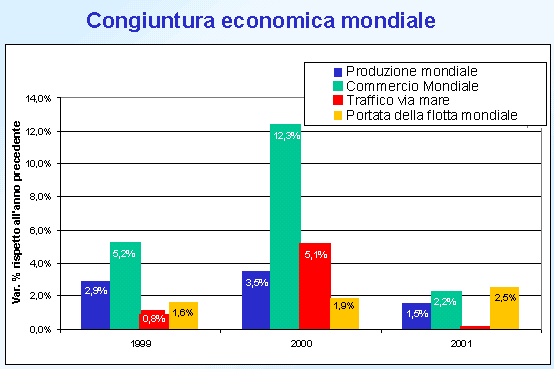
mondiale, che nel 2001 ha vissuto un forte rallentamento: l'incremento
della produzione si è ridotto all'1,5% a fronte del 3,5%
segnato nel 2000.
In parallelo, ovvio che si siano registrati
anche bassi tassi di crescita del commercio globale (2,2%) e un
volume di merci trasportate via mare fermo ai 5.435 milioni di
tonnellate raggiunti l'anno precedente.
Per altro, considerando anche la distanza
percorsa da tali merci, va ulteriormente rilevato che nel 2001
vi è stata una pesante contrazione del traffico marittimo
internazionale, che ha visto un calo dell'1,5% rispetto al 2000.
Per contro, mentre si verificava tale
flessione nella domanda di trasporto via mare, abbiamo assistito
ad un significativo incremento della capacità di carico
offerta dalla flotta mondiale, il cui tonnellaggio di portata
nel 2001 è cresciuto del 2,5% ed ha così superato
gli 818 milioni di tonnellate.
*****
A seguito di questo esubero di navi
l'andamento dei noli marittimi ha registrato in tutti i settori
risultati negativi, e nei primi mesi del 2002 ha denunciato un
ulteriore peggioramento.
Non solo, ma allo squilibrio domanda-offerta
si sono aggiunti gli effetti del basso costo di acquisto delle
navi derivante dalla politica di sostegno alla produzione cantieristica
adottato in Estremo Oriente: il basso costo ha ridotto la soglia
di accesso ai mercati marittimi ed ha quindi alimentato l'incremento
dell'offerta. Ora, in presenza di rate di nolo molto basse la
domanda di nuove costruzioni si è notevolmente contratta,
ma troppo tardi per riequilibrare un mercato già fortemente
compromesso.
Analizzando più specificamente
i singoli settori, possiamo notare che in tutti i mercati il 2001
si è rivelato un anno particolarmente negativo, appunto
per la forte e continua riduzione dei noli.
Per venire al mercato italiano, la
tendenza al rialzo dei noli marittimi, che si era rilevata fino
ai primi mesi del 2001, nel secondo trimestre ha cominciato a
perdere colpi e a flettersi pesantemente, con una tendenza al
ribasso proseguita poi per tutta la restante parte dell'anno.
(concorrenza europea e scelte italiane)
Tanta tensione negativa sui mercati
marittimi non ha mancato di mettere in evidenza le motivazioni
della competitività, che emergono molto più chiare
in simili momenti.
Quello marittimo è un mercato
evoluto, nel quale un sistema di intermediazione commerciale molto
articolato consente una comparazione pressoché istantanea
delle richieste e delle offerte su scala mondiale.
In tale contesto, si è aperta
una vera e propria gara tra gli stati europei per offrire vantaggi
di natura operativa, contributiva e fiscale alla propria bandiera.
Questo peraltro in attuazione della politica comunitaria, che
mira a recuperare il naviglio trasferitosi fuori Comunità
per ragioni di concorrenza e a promuovere lo sviluppo delle flotte
continentali, anche mediante l'azzeramento del carico fiscale
e contributivo gravante sulle imprese.
Lo strumento è stata l'istituzione
di secondi registri (o registri internazionali), i quali effettivamente
stanno determinando la re-iscrizione sotto bandiere europee di
una parte notevole del naviglio che era stato iscritto altrove.
Le stesse regole adottate in tutti
i Paesi europei - Italia esclusa - per i registri internazionali
sono state poi trasferite anche alla navigazione costiera, a seguito
della totale liberalizzazione dei traffici di cabotaggio.
********
Sia pure con ritardo anche l'Italia
ha intrapreso la strada del registro Internazionale nel 1998,
limitatamente al traffico internazionale, con benefici effetti
sulla consistenza della flotta.
L'armamento si è trovato da
quel momento nella situazione di avere due settori completamente
distinti:
nel primo, la flotta del Registro Internazionale;
nel secondo, le restanti navi, soprattutto quelle di cabotaggio.
Vediamo dunque l'analisi dell'andamento
della flotta italiana nelle sue cifre essenziali, certo più
evidenti delle parole, così da delineare lo stato della
nostra marineria successivamente al 1998.
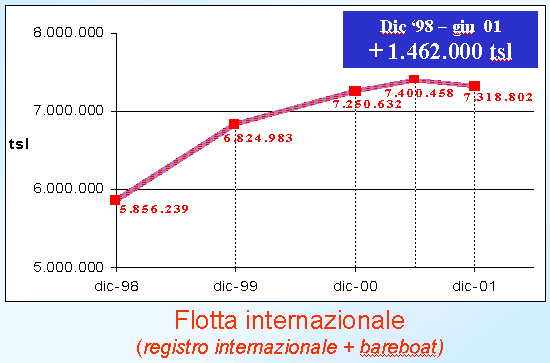
All'entrata in vigore del Registro
Internazionale, operativo a partire dal secondo semestre del 1998,
la flotta italiana dedicata alle rotte internazionali ammontava
complessivamente a circa 5.856.000 tsl.
Oggi tale flotta assomma a 7.318.000
tsl, nelle quali sono comprese peraltro le 185.000 tsl ancora
in "bare-boat", una formula introdotta nel 1989, che
consente a certe condizioni alle navi italiane la registrazione
temporanea all'estero. La differenza positiva, pari a 1.462.000
tsl, mi pare testimoni a sufficienza il successo della normativa
italiana, anche se è bene osservare che l'andamento della
curva ha l'apice nel giugno 2001, per poi iniziare a decrescere
nel secondo semestre.
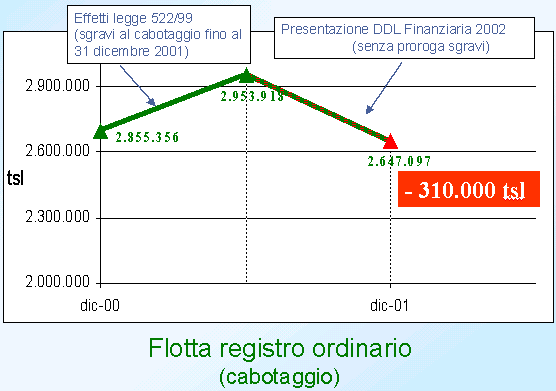
Per il Registro Ordinario, che ricordo
include il naviglio dedicato al cabotaggio, il grafico evidenzia
una notevole crescita della flotta a seguito degli investimenti
conseguenti agli sgravi contributivi accordati al settore fino
al 2001. A partire dal luglio 2001, si è verificata una
marcata caduta di tonnellaggio, pari a circa 310.000 tsl. Perché?
Perché il mercato aveva tempestivamente reagito in negativo
alla notizia della mancata proroga, nella finanziaria 2002, degli
sgravi contributivi in scadenza al 31 dicembre.
Il trend decrescente della flotta di
cabotaggio era pertanto ripreso in assenza di una politica di
settore. Solo questo. Parlare di semplici cause di mercato sarebbe
quindi un errore fuorviante.
Riassumendo:
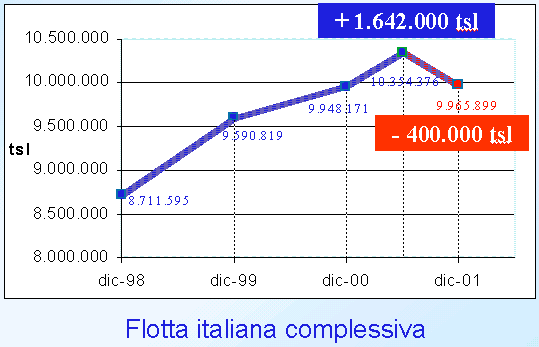
La consistenza dell'intera flotta italiana
al dicembre '98 era di 8.712.000 tsl, poi si è avuto un
progressivo incremento sino alla punta di 10.354.000 tsl raggiunte
nel luglio 2001, con un incremento netto di 1.642.000 tonnellate
nell'arco di 2 anni e mezzo.
Dal secondo semestre 2001 si è
invece registrato un continuo decremento, quantificabile in circa
400.000 tsl di meno a fine anno. Una decisa inversione di tendenza,
quindi, che ha attestato la flotta a circa 9.966.000 tsl facendola
scendere al terzo posto in Europa.
(considerazioni sull'andamento della flotta)
Mi pare che ora possiamo astrarci dai
singoli dati analitici per qualche rapida considerazione, tanto
concreta quanto doverosa.
Per il traffico internazionale vi sono
stati risultati rapidi, con sensibile incremento della flotta.
Tuttavia è oggi certo che questo mercato abbia ormai assorbito
tutti i benefici possibili dalla legge istitutiva del Registro
Internazionale e che siano indispensabili ulteriori misure (come
la "tonnage-tax").
Altra osservazione è che in
Italia solo parte delle misure accordate al Registro Internazionale
sono state estese anche al cabotaggio.
Già queste poche norme, da sole,
ne hanno sviluppato la crescita fino a metà del 2001.
Poi la politica marittima italiana
si è fermata; la flotta ha iniziato ad andarsene.
Nel recente incontro concessomi dal
Presidente Berlusconi si è parlato di questo grande problema.
La risposta è stata molto chiara: "Siamo orgogliosi
della nostra flotta e dovrà essere fatto quanto necessario
perchè non lasci il Paese".
Ecco, io mi sento di ribadire con forza
che non possiamo restare inattivi a guardare, permettendo di fatto
che altre nostre unità siano costrette ad ammainare il
tricolore.
Succederà di sicuro e non sarà
nostra la colpa, perché, con l'apertura del proprio cabotaggio
alle navi europee, il Paese ha recepito il principio della libera
prestazione dei servizi in campo marittimo, però non ha
ancora dotato la propria flotta degli strumenti idonei per fronteggiare
la concorrenza.
Tale situazione è ancora più
grave se si considera che il nostro mercato di cabotaggio, per
merci movimentate, è tra i primi a livello comunitario.
Altri paesi, con mercati notevolmente
più contenuti, hanno invece mostrato una sensibilità
ben diversa, utilizzando in concreto tutti gli strumenti offerti
dalla politica comunitaria per rendere le loro marinerie più
competitive sui mercati domestici e su quelli degli altri partner
nella Comunità.
********
Credo dunque che non vi siano altre
possibili interpretazioni della realtà che emerge dai grafici:
occorre completare il processo di internazionalizzazione della
flotta che, in Italia, è stato solo iniziato.
Sono certo, Signor Ministro, che il
prossimo DPEF conterrà un esplicito riferimento alla necessità
di intervenire con decisione in favore della nostra marineria.
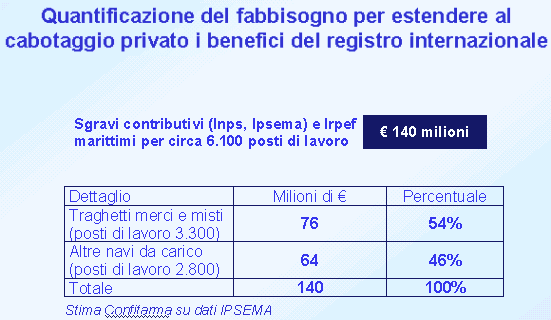
Per non restare sul vago, abbiamo anche
quantificato il fabbisogno per l'estensione al cabotaggio privato
dei benefici del Registro Internazionale in materia di costo del
lavoro: complessivamente occorrono circa 140 milioni di euro,
che vanno ridotti dei 66 milioni di euro fino ad oggi corrisposti
al cabotaggio.
Una proposta:
Se si volesse operare con gradualità,
a causa delle esigenze di bilancio nazionale, si potrebbe dare
la precedenza alle tipologie di naviglio con equipaggi numerosi,
che sono le unità più vulnerabili nei confronti
della concorrenza.
Il fabbisogno totale, parametrato sulle
retribuzioni del personale marittimo italiano, è peraltro
destinato a diminuire drasticamente in futuro, e già dal
prossimo anno, poiché, come dirò più avanti,
sono state sottoscritte fondamentali intese con le organizzazioni
sindacali.
Il completamento delle misure di allineamento
alla concorrenza comunitaria verrà poi realizzato dall'introduzione
in Italia della "tonnage-tax", già recepita nel
collegato fiscale attualmente all'esame del Parlamento.
Tale nuovo sistema fiscale, fondamentale
per il cabotaggio più che per l'internazionale, dovrebbe
essere predisposto nella successiva regolamentazione applicativa,
rifacendosi all'analoga disposizione olandese - punto di riferimento
degli altri Stati Membri - che definisce in via forfetaria il
reddito imponibile in relazione al tonnellaggio delle navi e alle
loro giornate operative nel corso dell'anno.
E va da sé che l'eventuale scelta di
modelli applicativi diversi risulterebbe in controtendenza rispetto
agli altri Stati europei nostri concorrenti.
(più navigazione nel sistema dei
trasporti)
Ma non dimentichiamo un'altra evidenza
elementare, ed è che la marineria fa parte dell'ancora
più complesso settore del trasporto nazionale. Ebbene,
se posto nelle giuste condizioni operative, l'armamento italiano
potrà certamente contribuire a risolvere questo grave problema
del Paese e a ridurre voci pesantissime come l'inquinamento, la
congestione, l'incidentalità. In altre parole, potrà
contribuire a ridurre l'attuale squilibrio modale.
Solo qualche cifra: nel giro di 7/8
anni il traffico merci aumenterà in Italia del 40%. Se
questa crescita dovesse essere assorbita interamente dal trasporto
stradale, comporterebbe un incremento di 100.000 veicoli commerciali
al giorno sulle nostre strade, ovviamente in aggiunta ai 160.000
attuali.
Il trasferimento sul mare di una parte
di queste merci è dunque per l'Italia una via obbligata,
non più rinviabile.
Con politiche adeguate è possibile
portare il 10% del trasporto su strada a distanze superiori ai
500 Km, ad utilizzare le navi. Si tratta di circa 240.000 veicoli
pesanti in meno ogni anno sul sistema viario, pari ad una colonna
lunga almeno 12.000 chilometri.
Non basta: facendo solo qualcosa in
più, entro il 2010 si potrebbe alleggerire la rete infrastrutturale
terrestre di circa 600,000 veicoli commerciali all'anno. Il 25%
del traffico pesante su lunghe distanze potrebbe tranquillamente
spostarsi sul mare.
Non è utopia, anzi. E per ottenere
questi risultati l'industria armatoriale non chiede e non vuole
sovvenzioni specifiche finalizzate a questo progetto ma - come
ripetutamente detto - ha la necessità vitale di essere
posta in condizioni pari alle altre flotte europee concorrenti.
Qualcosa chiede, in verità,
ma non per sé: auspica incentivi che incoraggino gli autotrasportatori
ad imbarcare i loro camion ed interventi indispensabili sulle
infrastrutture e sulla organizzazione portuale, tesi uniformare
la loro regolamentazione ad agevolare l'attracco delle navi, il
flusso dei veicoli da e verso il mare, la loro sosta.
Va aggiunto che, per movimentare un
così alto numero di automezzi certamente non si potranno
usare solo i porti storici, situati quasi tutti al centro delle
città. Quindi c'è bisogno di un confronto costruttivo
con tutte le parti in causa e dell'appoggio politico necessario.
Il Ministro Lunardi, nel corso di un
recente convegno, ha già auspicato al riguardo l'avvio
di un tavolo di lavoro tra operatori ed Amministrazione. Facciamolo,
Signor Ministro, facciamolo subito. Noi siamo pronti.
(importanza di una flotta e di una economia
del mare forti e vitali)
C'è un motivo preciso di ordine
macro-economico alla base dell'esigenza di sviluppo della navigazione,
ed è duplice:
- l'importanza della flotta;
- il suo rilievo nella creazione
del prodotto interno, con la forza delle sue ricadute sull'economia
generale.
Quanto al primo motivo, è giunta
l'ora che si conosca qualcosa di più sulla nostra flotta
e la sua importanza.
La flotta italiana è stata fortemente
rinnovata negli ultimi anni. Di questo noi armatori siamo orgogliosi,
perché nonostante tutto abbiamo continuato ad assolvere
ad uno dei nostri doveri primari in quanto imprenditori: quello
di rischiare e di investire. Negli ultimi dieci anni sono state
costruite e ordinate in Italia e all'estero navi per 15.600 milioni
di euro (oltre 30.000 miliardi delle vecchie lire).
Abbiamo una delle flotte più
giovani ed avanzate; il 52% delle unità ha meno di dieci
anni di anzianità; il 31% meno di cinque.
L'età media del tonnellaggio italiano
è da primato:
12 anni appena.
Lo sapevate?
*****
Ma questa nostra categoria non riesce
mai purtroppo a fare l'en plein. Continua a rimanere fuori
da ogni programma di rinnovamento il naviglio più piccolo,
spesso di proprietà di imprese con minori risorse finanziarie
a disposizione, imprese che per dimensioni e caratteristiche trovano
difficoltà a rinnovare la flotta al di fuori dell'Unione
europea. Mi riferisco a naviglio con portata inferiore alle 10.000
tonnellate, la cui età media, oggi superiore ai 19 anni,
contribuisce a penalizzare la media nazionale.
Occorrerebbe pertanto la possibilità
di sostenere, come in passato, questo tipo di investimenti europei,
innalzando i tassi di aiuto a livelli ben superiori di quelli
sin qui proposti.
La politica dell'Unione Europea in
questo campo è per me incomprensibile: da un lato, ogni
aiuto all'armatore per investimenti in nuove costruzioni è
considerato un aiuto alla cantieristica; dall'altro, attraverso
questi aiuti ci si propone di difendere settori chiaramente indifendibili,
perché già in mano ad una concorrenza imbattibile
sud-coreana, giapponese e cinese, perdipiù con misure comunque
inadeguate e palesemente insufficienti a modificare la situazione.
Tale politica esclude invece da ogni
difesa tipologie di navi sino ad oggi trascurate dai cantieri
extra-comunitari, ma che prevedibilmente presto susciteranno il
loro interesse.
Io penso che queste navi dovrebbero
e potrebbero essere l'oggetto principale di una difesa mirata.
Al riguardo non posso che lanciare
l'allarme e ripetere con forza che è necessaria una politica
europea di difesa degli investimenti navali nei settori in cui
essa ha la possibilità di rivelarsi efficace, cioè
nell'area delle navi specializzate e ad alta tecnologia (navi
traghetto, navi ro-ro, navi passeggeri), nonché - ripeto
- in quella del naviglio minore in genere.
E spero sinceramente che questo segnale
arrivi a chi può darmi una risposta.
****
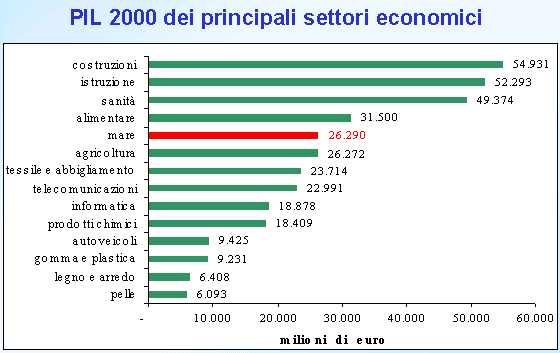
Quanto al secondo motivo, il rilievo
della navigazione per l'economia, ricordo che la marina mercantile,
considerando anche le attività ausiliarie e istituzionali,
nonché l'indotto, nel 2000 ha prodotto beni e servizi per
circa 26,3 miliardi di euro.
E' un valore di enorme rilievo, che
pone il mare - come ho già detto e non mi stancherò
mai di ripetere - al livello dell'agricoltura quanto a contributo
all'economia della Nazione.
Provate poi a confrontarlo con il settore
dell'auto!
Del resto l'importanza della navigazione
marittima è ben presente sia a Confindustria che a Federtrasporto,
con l'emergere di una nuova attenzione per i servizi in generale,
e per quelli di trasporto in particolare, palesemente indicativo
di una mentalità sempre più attenta al processo
industriale, indifferentemente che se ne ottengano beni o servizi.
E' un nuovo atteggiamento
che noi abbiamo sempre sostenuto e che coincide, a parere nostro
ma confortato dai fatti, con l'interesse stesso del Paese.
(pronti a sfruttare la ripresa)
Noi armatori abbiamo lavorato e investito
per essere pronti a sfruttare al meglio la ripresa. E continueremo
a farlo, ma esistono aspetti legislativi che non possiamo essere
noi a definire.
Cerco di spiegarmi meglio: le misure
proposte per contenere i costi della navigazione italiana e le
perturbazioni dei mercati marittimi, così come le altre
volte a promuovere il trasporto marittimo per finalità
economiche e ambientali, sono di grande importanza oggi, con i
mercati marittimi dominati da noli bassi, spesso inferiori ai
costi di gestione delle navi iscritte nei nostri registri. Lo
saranno altrettanto, se non di più, quando la ripresa economica
determinerà il rilancio dell'attività. L'essere
pronti per quel momento, che secondo alcuni segnali si sta avvicinando,
consentirebbe alla navigazione italiana di sfruttarlo appieno.
Quella italiana è una buona
legislazione per quanto riguarda la navigazione internazionale:
basterà poco per renderla competitiva con le legislazioni
europee più recenti come quella inglese, ma sarà
indispensabile estenderla strutturalmente al cabotaggio.
Spingiamoci ora un attimo più
avanti: qual è il vantaggio di creare sul proprio territorio
un polo di attrazione delle attività marittime?
Ho già dato le cifre assolute
del valore delle attività marittime.
Aggiungo adesso un dato percentuale:
oggi il "comparto mare" contribuisce in Italia per il
2,3% del PIL, mentre il contributo che esso dà al PIL della
Gran Bretagna è del 3,5% e in Olanda arriva al 3,7%.
Non c'è ragione perchè
l'Italia sia da meno. Insisto: le attività marittime hanno
ricadute forti sul complesso dell'economia.
Ogni euro che va al trasporto marittimo
per un aumento degli investimenti navali, oppure per un incremento
della domanda interna o estera dei servizi della nostra flotta,
determina una crescita del reddito nazionale di 2,7 euro. L'effetto
sull'occupazione è addirittura superiore, con altri due
addetti nei settori economici a valle e a monte per ogni addetto
alla navigazione.
Se questo è vero, e i numeri
dicono che lo è, mi pare diventi più che chiaro
quali possono essere i vantaggi per la Nazione nel creare un sistema
marittimo efficiente, che si pone come un vero e proprio polo
di attrazione.
(ancora qualcosa che ci preoccupa: il problema
degli equipaggi)
Tocco ora un'altra tematica - il che,
consentitemelo, fa intravedere la complessità multidirezionale
del nostro impegno - e si tratta di un altro fattore di fondamentale
e non rinviabile importanza: dotare il nostro sistema di una migliore
flessibilità in ordine alla nazionalità degli equipaggi,
nodo condizionante della competitività e insieme di una
loro ancora maggiore qualità.
La nostra posizione si inserisce nel
solco del già richiamato recente accordo tra Confitarma
e le Organizzazioni sindacali più rappresentative del settore,
intesa che ha reso più ampia la possibilità di imbarcare
personale non europeo sulle navi iscritte nel nostro secondo registro
ed ha esteso tale possibilità, in mancanza di personale
italiano o europeo, anche alle navi da carico impegnate nei traffici
di cabotaggio.
E' bene essere chiari in proposito:
in Italia e in tutta Europa esiste una forte carenza di marittimi,
specialmente di ufficiali.
Secondo stime della Federazione Sindacale
Europea per il 2006 si prevede una carenza di ufficiali di circa
38.000 unità. Il dato è veramente preoccupante.
I sindacati hanno mostrato di comprendere
come la situazione possa costituire un freno oggettivo per la
navigazione italiana e, concordando saggiamente su di una maggiore
flessibilità nella composizione degli equipaggi, hanno
reso disponibile uno degli strumenti essenziali per un equilibrato
sviluppo sia della nostra flotta sia dell'occupazione marittima.
(il futuro del naviglio)
In futuro, comunque, più che
ai problemi di nazionalità occorrerà dare rilevanza
a quelli di qualità, giacché le navi saranno figlie
di tecnologie sempre più complesse e dotate di sofisticati
sistemi di sicurezza, quindi sarà determinante il fattore
umano in grado di governarle.
E' infatti chiaro che il commercio internazionale,
continuando ad espandersi e non potendo fare a meno della modalità
marittima, richiamerà nuovi forti investimenti in navi.
Ma, in cronica carenza di marittimi, dovrà spingere ad
evoluzioni tecnologiche sempre più sofisticate alla trasformazione
radicale dell'uomo di mare in tecnico navigante.
Dovremo dunque affrontare il trasporto
marittimo con idee del tutto nuove. Questo dico ai nostri cantieri
e questo dico ai nostri armatori. La navigazione dovrà
orientarsi verso unità completamente diverse, costruite
per essere in grado di compiere qualsiasi rotta con un equipaggio
estremamente ridotto, forse 4 o 5 persone al massimo. Equipaggio
che verrà rafforzato solo al momento di effettuare le operazioni
in porto. Si tratterà di equipaggi poco numerosi e ben
addestrati, che dopo un periodo di imbarco potranno far tesoro
a terra della loro esperienza.
Le nuove tecnologie di gestione delle
navi, di comunicazione e di soccorso in mare già lo consentono,
ed è a questo che dobbiamo mirare se vogliamo aumentare
la produttività di chi va per mare e liberare nuove risorse
per elevare le retribuzioni.
(formazione della gente di mare)
Se
queste sono le linee di tendenza nello sviluppo tecnico della
flotta, però, sarà necessario che anche la scuola
si adegui e fornisca specialisti di alto livello ed in grado di
condurre navi di tal fatta.
La
preparazione fornita deve essere tale da consentire l'immediato
ingresso in carriera, quindi in grado di proporre all'industria
del mare diplomati dotati di aggiornate conoscenze tecnologiche,
prima di tutto, ma insieme di esperienze concrete e di reale addestramento
di base.
Sarà
pertanto essenziale prevedere anche un maggiore rapporto di collaborazione
tra scuola e industria, tipicamente per periodi di imbarco formativo
durante gli anni di apprendimento, mentre provvidenze adeguate,
in forma di borse di studio, dovranno essere accessibili a tutti
coloro che debbano sopportare costi di trasporto, di vitto e di
alloggio.
In
altri paesi, specie in quelli nordici, si è scelta la strada
delle "accademie del mare" quali scuole di élite.
E' un esempio che va considerato. In ogni caso, tenendo sempre
presente che le necessità della flotta sono impellenti
e quindi i percorsi di studio devono essere intensi come preparazione,
ma non eccessivamente lunghi.
(l'impegno per l'ambiente)
Cambiamo di nuovo scenario per rivolgere
l'attenzione ad un altro punto, oggi non solo importante, ma direi
addirittura vitale: è l'ambiente, sulle cui problematiche
noi armatori stiamo lavorando affinché il trasporto marittimo
possa svolgere una funzione sempre più positiva.
Diversi studi recenti sui costi esterni
dei trasporti hanno confrontato impatto e prestazioni ambientali
delle principali modalità di trasporto in Italia: ebbene,
da tutti emerge la conferma che la navigazione è il sistema
di trasporto più compatibile sotto il profilo ambientale
e della sicurezza.
Su questo fronte stiamo lavorando a
tre progetti principali:
- il progetto
ROME (Reliability and Optimization of Maritime activities for
the Environment), che intende promuovere strumenti ed azioni per
il miglioramento della qualità e della sicurezza nella
gestione navale, sia negli uffici a terra che a bordo delle singole
navi;
- il progetto
UNITA' DI CRISI, teso a promuovere appunto la costituzione di
una Unità di Crisi Confitarma come centro di supporto alle
imprese di navigazione associate, in collaborazione con le Amministrazioni
competenti. Contiamo di agevolare e migliorare lo scambio di informazioni
tecniche fra tutti i soggetti coinvolti, favorendo l'individuazione
degli interventi più appropriati nelle situazioni di emergenza,
dando inoltre supporto ad un'informazione corretta e tempestiva
verso le autorità e i media da parte delle società
coinvolte;
- il progetto
ECOGESTIONE, iniziativa pilota incentrata sui sistemi di gestione
ambientale (ISO 14001, EMAS e Green Award), e finalizzata a promuovere
la loro applicazione da parte delle società di armamento.
Con questi tre progetti l'armamento
italiano, ne siamo certi, diverrà un punto di riferimento
in Europa e nel mondo.
(una Amministrazione più efficace)
Il discorso chiama ancora in causa
la sfera politica. D'altro canto, tutti i salmi finiscono in gloria……
e tutti i nodi del mondo economico non possono che finire sul
tavolo di chi detiene il potere per tentare di scioglierli. Mi
pare ineluttabile.
Qui vorrei dire che stabilire un referente
politico unico per i due settori componenti il sistema dei trasporti,
quello delle infrastrutture, da un lato, e quello dei vettori,
dall'altro, è stata una buona idea, in linea con la tendenza
a concentrare la gestione politica ed amministrativa che si riscontra
in Italia come in tutta l'Europa.
Occorre però essere sinceri:
sinora questa concentrazione - al di là dell'indubbia abnegazione
dei singoli - ha avuto soprattutto il risultato di rendere più
complessa ed incerta l'azione del Governo nel settore marittimo.
Quello della navigazione è infatti
un campo fortemente regolamentato, a livello nazionale, europeo
e mondiale. Pertanto, l'Amministrazione, che ne è cosciente,
può e deve trovare un'organizzazione in linea con questa
realtà.
Parallelamente, occorre rafforzare
la presenza italiana nei servizi comunitari che seguono le questioni
marittime: mi pare il modo più veloce e semplice per attuare
l'opera di informazione sul nostro settore marittimo necessaria
ai servizi europei al fine di prendere decisioni più celeri.
Il caso della legge n. 51 del 2001
in materia di inquinamento marino è emblematico. A quindici
mesi dall'approvazione della legge non è stata ancora
formalizzata una decisione e pertanto la legge stessa non può
essere applicata.
La presenza italiana nei servizi della
Commissione deve essere assunta quindi come una priorità,
tanto più urgente oggi in vista del prossimo allargamento
dell'Unione Europea.
Signor Ministro, Autorità, Colleghi!
Quello della navigazione è un
mercato particolare, che unisce insieme una regolamentazione molto
spinta, una forte integrazione internazionale, una grande mobilità.
Date le sue caratteristiche, gran parte
della concorrenza è basata sui differenti ordinamenti nazionali.
Per questo l'azione del Governo è
tanto importante. E per questo noi avanziamo precise indicazioni
per il prossimo futuro:
- allineare il registro ordinario a quello
internazionale;
- attuare una politica di rinnovamento del
naviglio minore obsoleto;
- promuovere la formazione e la qualificazione
dei marittimi creando le accademie del mare;
- promuovere lo sviluppo del trasporto marittimo
nell'ottica delle autostrade del mare e del corto raggio.
Affidiamo dunque il destino della flotta
italiana alle scelte della nostra classe politica e lo facciamo
sicuri di proporre al Governo un ottimo investimento.
Esso permette ritorni a breve, ha dei
fondamentali solidi che hanno dimostrato nel tempo la loro validità,
si inserisce perfettamente nelle politiche europee dei trasportI,
ha un rapporto costi-benefici estremamente favorevole, ancora
di più se si considerano i riflessi ambientali e sociali.
A nostro avviso una risposta positiva
alle indicazioni dell'armamento e una politica di sviluppo della
marineria comporterebbero la confluenza sotto la bandiera italiana
del naviglio ad oggi ordinato o già in costruzione da parte
degli armatori italiani nei cantieri nazionali, europei ed extra-europei.
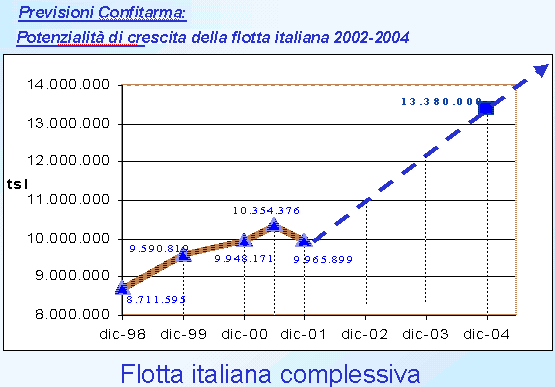
La previsione indica per i prossimi
anni un aumento costante di tonnellaggio che, nel dicembre 2004,
si attesterà sui 13.4 milioni di TSL, con un incremento
approssimato del 34% rispetto ai valori attuali e 15.000 posti
di lavoro aggiuntivi. Tale previsione non tiene conto però
di eventuali uscite né tantomeno di nuovi ingressi da parte
di operatori non nazionali.
L'incremento della flotta internazionale
italiana si prospetta di circa il 25%, mentre per quella di cabotaggio
l'incremento potrebbe essere più marcato ed arrivare al
61% della consistenza attuale.
Concludo, sapendo di aver abusato della
vostra pazienza.
(sapevo che vi sarebbe tanto dispiaciuto se fossi stato breve).
Il mare è stato e resta il principale
sistema di trasporto. La nave, la rotta marittima, il porto, sono
da sempre strumenti al servizio delle città, degli stati
e delle economie: strumenti di scambio e quindi di ricchezza.
Ricchezza che una globalizzazione ben
governata non potrà che diffondere ed aumentare, facendo
crescere ancora la navigazione.
Noi armatori italiani ci saremo.
Abbiamo la capacità per poterci
essere, testimoniata dalla qualità delle nostre navi e
delle nostre imprese.
E abbiamo l'orgoglio di volerci essere
e di dare sostanza a quei valori di libertà che sono alla
base del nostro agire di cittadini e di imprenditori del mare.
Il nostro auspicio è di poterlo
fare continuando ad inalberare il tricolore.
Grazie.
Merce con percorrenza superiore ai 500km
che può essere trasferita sul mare
entro il 2010:
|
Ipotesi minima:
|
10% del totale pari a 240.000 mezzi pesanti all'anno
|
|
Ipotesi massima:
|
25% del totale pari a 600.000 mezzi pesanti all'anno
|
Una flotta giovane e moderna:
-
L'età media della flotta italiana è di 12 anni
|
-
Il 31% del tonnellaggio italiano ha meno di 5 anni di età
|
-
Il 52% ha meno di 10 anni di età
|
L'età media delle navi
inferiori alle 10.000
tsl è di 19 anni
|
Carenza dei marittimi:
Secondo stime della Federazione Sindacale Europea,
nel 2006 vi sarà una carenza di 38.000 ufficiali.
|














 - Via Raffaele Paolucci 17r/19r - 16129 Genoa - ITALY


