
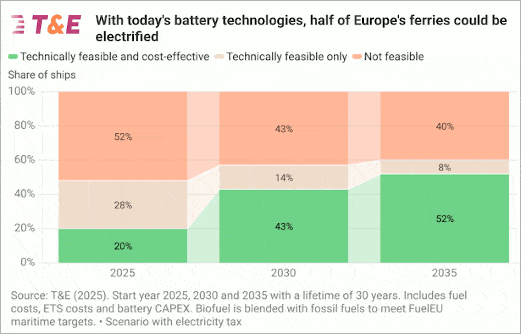
According to a report by Transport & Environment, by
2035 over half (60%) of the ferry fleet
of the European Union could be electrified and more than the
half (52%) could also be competitive in terms of
compared to ferries powered by fossil fuels. The
document shows that in 2023 the 1043 European ferries taken into account
T&E exams, many of which are small, have
emitted 13.4 million tons of CO2, the equivalent of 6.6 million tons of CO2.
million cars in a year, and were found to be responsible for
more SOx air pollution than all cars in
major European port cities such as Barcelona, Dublin or
Naples. In particular, Dublin was the city
port in Europe in terms of
air pollution caused by ferries, followed by Las
Palmas and Holyhead, a situation that is destined to change in the
2027 when new Control Areas of the
Emissions that will limit air pollution caused by
marine fuels in the north-east Atlantic. The study
specifies that, however, despite similar measures already in place
vigor in the Mediterranean, in cities such as Barcelona ferries
pollute by emitting 1.8 times more SOx than all cars in the
city.
The report indicates that in 2023 four Italian ports (Genoa,
Livorno, Palermo and Civitavecchia) were among the ten ports
with the highest level of pollution caused by
in terms of CO2 emissions.
In addition, the report points out that ferries in Europe have
an average age of 26 and which, therefore, is now the
A moment of ecological renewal of the fleet. The document
notes that electrification and hybridisation could reduce the
CO2 emissions of ferries by up to 42% and improve the quality
in port cities, while reducing costs
operational. "Electrification - highlighted Felix Klann,
T&E Maritime Transport Policy Officer -
It makes sense from an economic point of view. Electric ferries are
already cheaper on many routes and in the coming years
they will become more and more so."
The study makes seven recommendations to enable this
transition and at the same time to support the national industry,
starting with the extension of the EU ETS and FuelEU regulations
Maritime to ships of more than 400 gross tons,
thus ensuring coverage of the most
electrified vehicles, and the extension of the regulation on
Alternative Fuels Infrastructure (AFIR), beyond
the obligations for ports to equip themselves with infrastructure to
alternative fuels and to enable the electrification of
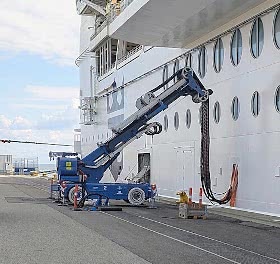
quays, including Onshore Power Supply (OPS) facilities,
i.e. ship charging infrastructure.
In addition, it is called for changes to EU rules on
procurement to ensure the sustainable use of public resources,
including through zero-emission standards, a measure that could be
benefit smaller ferries that operate more
often in the context of public procurement or service obligations, and
it is urged to include the production of batteries for marine use
in the strategic objectives of production capacity, also
through the EU's Maritime Industrial Strategy.
Finally, the study notes that according to European regulations already
national and regional governments can already
use key policies using supply methodologies
and Green Public Procurement
(GPP), reducing national taxes and levies on electricity
provided to ships, as already provided for in the Directive on
taxation, and extending the Control Areas of
(ECA) to the outermost regions and putting an end to the
specific derogations for certain maritime routes.

















 - Via Raffaele Paolucci 17r/19r - 16129 Genoa - ITALY


