
Eni and MSC Cruises announced today the completion of the
experimental campaign on the use of HVO diesel
(Hydrogenated Vegetable Oil) by Enilive for the feeding of
cruise ship engines, an experiment that confirmed the
technical feasibility of using biofuel in form
in the maritime sector to support the decarbonisation of the
and the reduction of greenhouse gas emissions
throughout its entire life cycle, allowing shipowners to reduce
emissions costs and to comply with the
targets set by the European FuelEU Maritime Regulation.
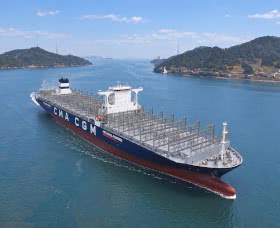
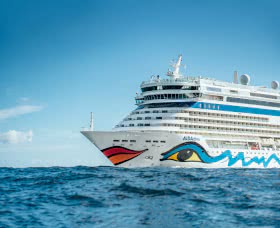
During the tests, one of the engines of the MSC cruise ship
Opera was powered for approximately 2,000 hours with HVO
pure, without any modification to the engine. At the same time,
performance and emissions data collected. Eni and
MSC Cruises highlighted that the test showed that HVO
represents a solution that can also be immediately applied to engines
without the need for significant upgrades
ensuring performance in line with those of the
traditional marine fossil fuels. The test also
recorded a reduction in emissions of both NOx (-16%) and
particulate matter, as well as a significant decrease in
GHG emissions of approximately -80% compared to fuel use
reduction linked to the use in the process of
HVO production of 100% biogenic raw materials.
Technical data on engine performance and emissions
were collected and evaluated with the support of
Wärtsilä, the engine manufacturer, and Bureau Veritas, which
has acted as an independent certifying body for the validation of
experimental results.
Stefano Ballista, CEO of Enilive,
specified that "HVO is produced in biorefineries
Enilive of Venice and Gela, mainly from raw materials
waste such as used cooking oils, animal fats and residues
of the agri-food industry. For some months - he announced - the HVO
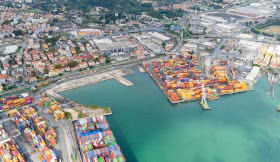
Enilive's marine diesel is available in the ports of
Genoa, Ravenna and Venice for direct deliveries from the depot to the
ships by barge".
















 - Via Raffaele Paolucci 17r/19r - 16129 Genoa - ITALY


