- ASSOPORTI
-
- ASSEMBLEA GENERALE
-
- Relazione del Presidente
-
PASQUALINO MONTI
-
- 29 OTTOBRE 2013
-
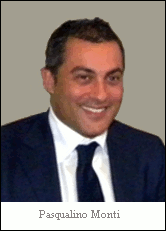
- Autorità, amici, gentili ospiti,
-
- per me non è solo un grande piacere e un grande onore
essere qui oggi. Non è solo la mia prima volta nella funzione
di Presidente dell'Associazione dei Porti Italiani.
-
- È per me, prima di tutto, una grande responsabilità.
Il nostro paese, ed è inutile che illustri a voi i dati che
purtroppo sono noti a tutti, attraversa una crisi epocale, una crisi
che mette in discussione strutturalmente la sopravvivenza del nostro
sistema economico, produttivo, ma anche il nostro assetto sociale.
-
- Le difficoltà di far convivere una politica di rigore che
assecondi le indicazioni o - secondo alcuni - le imposizioni
dell'Unione Europea, con una politica di sviluppo che consenta di
generare ricchezza, occupazione, consumi, ripresa produttiva, sono
sin troppo evidenti.
-
- E ciò richiede a ciascuno di noi, alla nostra
Associazione in questo caso, l'assunzione di responsabilità
precise. Prima fra tutte quella di parlare chiaro e di illustrare
con grande realismo, quello che sarebbe richiesto non ad un
amministratore, bensì a un buon padre di famiglia, il
percorso da realizzare fra i rischi e gli ostacoli reali che si
parano e si pareranno sul nostro cammino.
-
- Assoporti, i porti italiani hanno una doppia responsabilità
ed hanno anche una doppia titolarità a intervenire a gamba
tesa sulle cause della recessione. Il settore dei porti, in
controtendenza anche rispetto ai trend dell'interscambio mondiale,
non ha mai abbassato la guardia ed è riuscito, persino nel
periodo più buio della crisi, a chiudere con un segno più
i suoi bilanci annuali e ad incrementare i suoi traffici.
-
- I porti italiani non hanno perso occupazione, ma l'hanno
incrementata nella maggior parte dei casi in modo sano, ovvero
rispondendo non alle richieste del campanilismo o del clientelismo,
bensì a quelle del mercato.
-
- I porti italiani sono la prova tangibile che la spending review
non è e non deve essere uno slogan privo di contenuti. Oggi
le Autorità Portuali occupano 1.300 addetti. Solo dieci anni
fa avevano 18.000 dipendenti.
-
- Le Autorità Portuali che li impiegano sono da sempre in
equilibrio di bilancio anche perché una legge le obbliga in
modo puntuale a non sforare sul fronte delle spese, perché,
se ciò accadesse, scatterebbe automaticamente il
commissariamento.
-
- I porti italiani alimentano le casse dello Stato con oltre 13
miliardi di gettito fra Iva e accise, ottenendo in cambio
finanziamenti sproporzionatamente esigui per manutenzione ed
infrastrutturazione.
-
- E ancora. Nei porti italiani si è concretizzato negli
ultimi vent'anni forse l'unico processo sano e di mercato di
privatizzazione di beni pubblici, attraverso il meccanismo della
concessione che ha portato grandi gruppi internazionali ad investire
sulle nostre banchine.
-
- ECCO PERCHÉ I PORTI AL CONTRARIO Dl GRAN PARTE DEGLI
ASSET PUBBLICI OGGI SONO UNA RISORSA PER IL PAESE, NON UN ONERE.
-
- Ecco perché dai porti si potrebbe a macchia d'olio
rilanciare l'intero sistema logistico italiano che, al contrario di
quanto accaduto in altri paesi come Germania, Olanda, Belgio, Gran
Bretagna, non ha mai assunto quel ruolo strategico di chiave dello
sviluppo.
-
- I porti sono in grado di farlo non perché lo suggeriscono
la nostra ambizione o, peggio, le velleità campanilistiche:
perché lo afferma con forza il mercato.
-
- E sul mercato vorrei fornirvi solo alcune indicazioni, anche se
chi mi ha preceduto questa mattina ha già indicato con grande
autorevolezza linee guida e mega trend che devono rappresentare i
driver della nostra azione quotidiana.
-
- Ho detto quanto siano importanti i porti e quanto siano
indispensabili per pianificare una ripresa sana, in un paese che ha
oggi il dovere, non l'opzione, di investire nei settori che possono
produrre ritorni significativi, immediati e provati in termini di
ricchezza ed occupazione.
-
- Qualcuno potrebbe pensare: lo dicono tutti. Tutti in fondo sono
così autoreferenti nel nostro paese da credere che il loro
settore sia la colonna portante dell'economia presente e futura. Ma
io posso con assoluta certezza affermare che i porti lo sono
veramente.
-
- Per mare viaggiano nel mondo beni per 4,5 trilioni di dollari,
Sono 8,4 miliardi di tonnellate di merce che ogni anno vengono
imbarcate e sbarcate nei porti e attraverso i porti immesse
nell'economia nazionale dei paesi di tutto il mondo.
-
- Le oltre 100mila navi in servizio commerciale muovono più
dell'80% dell'interscambio mondiale.
-
- Tutte le nuove economie emergenti pianificano lo sviluppo in
funzione della vicinanza a un porto hub che possa rispondere alle
esigenze tecniche e commerciali dei grandi operatori e al tempo
stesso del mercato che sarà chiamato a servire.
-
- Per troppi anni anche nel settore portuale ci siamo dimenticati
di questo: è il mercato a fissare le regole del gioco. A noi
compete gestire il territorio nel modo ottimale per far sì
che le risorse e le opportunità che dal mercato emergono
possano essere sfruttate nei tempi più stretti possibile,
ottimizzandone le ricadute occupazionali e produttive,
razionalizzando le risposte in modo da tutelare ambiente e qualità,
generando quelle sinergie modali che nel trasporto rappresentano la
chiave vincente per una crescita sostenibile, e specialmente, e lo
dico con forza, ANTICIPANDO I CAMBIAMENTI.
-
- Cambiamenti che si stanno concretizzando anche all'interno
dell'Unione europea, attraverso un regolamento che - a nostro parere
(e ringrazio il direttore Dimitrios Theologitis) - va adattato nei
contenuti alle reali esigenze dei nostri scali.
-
- Siamo convinti che il coraggioso tentativo del Commissario
Kallas verso una reale standardizzazione dei processi di
governo degli scali debba seguire tre direttrici di marcia.
-
- La prima: l'indipendenza finanziaria delle Autorità
Portuali.
-
- La seconda: il riconoscimento alle Authority di una unica
capacità di governo di sistema.
-
- La terza: il passaggio dalla modalità di accesso ai
servizi portuali alla misurazione del valore della qualità
totale dei servizi e della sicurezza ad essi connessa.
-
- I TEMPI SONO MALEDETTAMENTE STRETTI. So che quello di cui sta
parlando è l'esatto contrario di quanto accaduto sino ad
oggi, in un paese in cui l'assetto burocratico e normativo tende a
congelare la capacità di risposta economica e territoriale,
in cui si allontanano gli investitori, anziché avvicinarli,
come oggi sarebbe urgente fare.
-
- Per troppi anni ci siamo cullati sull'idea che fosse scontato e,
passatemi il termine, dovuto il riconoscimento internazionale
all'Italia quale piattaforma logistica del Mediterraneo. MA NON È
COSÌ. Solo per una concomitanza di fattori internazionali
l'Italia è ancora in gioco e le dolorose conseguenze di tali
fattori sono sotto gli occhi di tutti noi che non abbiamo certo
dimenticato le immagini di Lampedusa o quelle delle sanguinose
repressioni in molti paesi del nord Africa. Se fosse stato per noi,
i traffici anche quelli che oggi gravitano sui nostri porti,
sarebbero andati altrove. Rileggendo vecchi giornali degli anni 70,
mi ha colpito una frase pronunciata da un portuale al quale durante
uno dei tanti scioperi venivano chiesti lumi sulla crisi del suo
porto e sugli effetti di lunga durata generati dall'inaffidabilità
di quello scalo. La risposta fu arrogante: “tanto prima o poi
di qua devono passare”. Non è stato e non è
così.
-
- L'esempio potrebbe riguardare uno, dieci, venti porti italiani.
Riguarda l'intero sistema logistico ovvero la grande incompiuta di
questo paese che per decenni non ha fatto dialogare porti con
ferrovie, autostrade con aeroporti, non ha pianificato nulla. Un
paese nel quale il boom dei porti a cavallo dei due millenni è
stato, sì, conseguenza del processo di privatizzazione, ma
specialmente dell'entrata in funzione di nuove infrastrutture
moderne come Voltri, Gioia Tauro e Taranto che in quel momento hanno
creato quell'offerta che genera domanda.
-
- Quella dei porti è stata una primavera alla quale è
seguita una gestione attenta. Oggi abbiamo bisogno di rendere
strutturale il ruolo di questo settore partendo da due
considerazioni di fondo che devono essere tenute ben presenti.
-
- La prima. I porti e la razionalizzazione logistica che sui porti
può e deve fare perno, sono in grado di rilanciare il sistema
economico del paese. E solo una razionalizzazione logistica è
in grado di fornire alle altre filiere una ripresa che colpevolmente
non si persegue. Ci riferiamo al turismo o a industrie come quella
agro-alimentare nella quale l'Italia non ha rivali.
-
- La seconda. Nulla è scontato. LA SCOMMESSA POSSIAMO
PERDERLA. Anche quel gettito sul quale l'apparato burocratico dello
Stato sembra contare, quasi si trattasse di una rendita, tale non è.
I 13 miliardi di euro che oggi i porti pompano nella casse dello
Stato, potrebbero diminuire drasticamente, se non si porrà il
sistema portuale in condizione di svilupparsi, di crescere, di
rispondere in modo razionale alla domanda del mercato. Le rendite di
posizione non esistono più, cari amici. Esistono opportunità
e chi non le coglie è tagliato fuori. O meglio, è il
caso di precisarlo: chi non le coglie nei tempi che il mercato
detta.
-
- Possiamo cullarci nelle consuete guerre fra i poveri, pensare di
essere importanti, chiamarci la portaerei logistica sul
Mediterraneo. Oppure abbiamo la capacità di rimboccarci le
maniche. Scegliere dove investire, pianificare il territorio e le
priorità infrastrutturali alle spalle dei porti per portare
il mercato in banchina e intercettare, là dove è
possibile o dove è realistico pensare sia possibile, i
traffici e quelle navi giganti che, piaccia o non piaccia, nei
container così come nelle crociere, domineranno i mari. Navi
che entreranno là dove i fondali saranno adeguati, là
dove i bacini di evoluzione saranno congrui rispetto alla loro
lunghezza, là dove servizi ferroviari adeguati consentiranno
lo smistamento rapido da e per il mercato.
-
- La capacità di fornire questi servizi, di
internazionalizzare davvero i nostri porti, abbattendo i tempi delle
procedure burocratiche, coordinando le funzioni, fornendo nei tempi
giusti le risposte infrastrutturali (non quelle che ci piacciono o
che sogniamo, quelle che servono sulla base di parametri ed
equazioni economiche che sono ormai arci-conosciuti) devono essere
il reale OBIETTIVO. Il fatto che l'Italia sia precipitata al 68esimo
posto nella classifica del World Economic Forum per qualità
infrastrutturale non depone certo a nostro favore. Così come
non depone a favore della nostra capacità di fare sistema il
sorpasso nei confronti dell'Italia attuato anche dall'Olanda, per
quanto concerne fa movimentazione complessiva di merci nei porti.
-
- I porti possono invertire i trend guidando una vera rivoluzione
logistica. In quest'ottica, in questo quadro di riferimento (non
fantasioso, non di campanile, non autoreferente) oggi sono
indispensabili risposte e soluzioni rapide. Riguardano la governance
delle Autorità Portuali, chiamano in causa direttamente la
capacità di coordinamento che le Autorità portuali
devono avere (non per delirio di potere) ma perché sono
individuate per legge come la casa comune, come la piattaforma
all'interno della quale sinergizzare funzioni, obblighi
amministrativi e burocrazia. Casa dalla quale dovranno partire
risposte rapide (certo molto più rapide di quelle attuali) a
navi e merci.
-
- Soluzioni che consentano alle Autorità Portuali di
abbattere i tempi decisionali anche in materia di investimento in
nuove opere. Soluzioni che realizzino non tanto un autonomia
finanziaria, ma quella che oggi mi piace chiamare una
AUTODETERMINAZIONE FINANZIARIA, ovvero una capacità di
sfruttare tutti gli strumenti possibili per realizzare in tempi
brevi nuova offerta portuale e garantire efficienza senza incidere
sul bilancio dello Stato.
-
- Come dire: l'architrave del nostro ragionamento è
l'autodeterminazione finanziaria.
-
- Consentitemelo. Dobbiamo far comprendere con chiarezza che quel
gettito di 13 miliardi non è una rendita di posizione e solo
porti efficienti sono in grado di garantirne l'esistenza e forse la
crescita. Ciò all'interno di una filosofia di rapporti nuovi
in cui esista un legame diretto fra ricchezza prodotta e
finanziamento. Una filosofia che non faccia di Assoporti una
controparte ma l'elemento centrale di un sistema di competenze dalle
quali devono scaturire le idee, i progetti, le indicazioni sulle
norme che la politica, il Parlamento ed il governo si attendono da
noi. E ciò significa affermazione e rispetto dei ruoli, ivi
compreso quello della nostra Associazione.
-
- Nella convinzione che il processo di riforma della Legge 84/94
non debba essere arrestato, e che anzi gli effetti positivi che
ormai vent'anni fa questa legge ha prodotto, debbano segnare la via
maestra per il futuro, abbiamo oggi qui il dovere di fornire le
indicazioni di priorità, e di collocarci anche nella
posizione di consulente e mediatore fra le istanze del Governo e
quelle del Parlamento. Abbiamo quindi il dovere di fornire alcune
indicazioni di sostanza. Indicazioni che dovranno confluire come
emendamenti nell'analisi del nuovo articolato normativo, fornendo a
Governo e Parlamento un contributo essenziale di comprensione dei
fenomeni per i quali lo Stato ha collocato le Autorità
Portuali sulla linea del fronte fra la gestione del territorio e
quella del mercato. Indicazioni che, qualora l'iter di riforma della
legge 84 dovesse prolungarsi oltremodo, dovranno diventare anche
parte integrante di appositi decreti che, comunque, sono
indispensabili e non più procrastinabili per garantire un
cambio di passo.
-
- Proprio per le funzioni che lo Stato attribuisce alle Autorità
Portuali, la prima modifica che a nostro parere va inserita nel
processo di riforma è relativa alla semplificazione dei
compiti delle A.P. e al loro ruolo.
-
- In primis, le Autorità Portuali devono “uscire”
immediatamente dall'elenco delle pubbliche amministrazioni e degli
enti pubblici redatto annualmente dall'Istat: ciò non
significa nuovi oneri a carico dello Stato, ma il riconoscimento del
fatto che per legge e per funzioni svolte, le Autorità
Portuali non possono essere soggette a norme di finanza pubblica
solo per analogia interpretativa delle norme generali sulla pubblica
amministrazione. Quest'apparente concessione di maggiore libertà
alle Autorità Portuali non comporta alcun rischio per lo
Stato ed i suoi conti, ma, anzi, rappresenterebbe per la prima volta
il giusto riconoscimento nei confronti di quegli enti che hanno ben
operato e che dunque non dovrebbero essere soggetti a quei tagli
orizzontali che in modo incomprensibile hanno fatto di tutta l'erba
un fascio. Per legge le A.P. sono costrette al pareggio di bilancio
pena l'immediato commissariamento ed è dal lontano 2002 che i
porti non dispongono più di fondi pubblici garantiti per
legge per realizzare le proprie infrastrutture. Quindi anche le
condizioni tecniche per le quali le A.P. sono state inserite
nell'elenco Istat in realtà non sussistono più.
-
- Sempre per assicurare alle Autorità Portuali (o se
preferite, costringerle) a una più efficace rapidità
di reazione e di decisione, crediamo siano maturi i tempi per
l'utilizzazione di un nuovo meccanismo decisionale. Il Presidente
dell'Autorità Portuale, ai fini delle funzioni di
coordinamento e della risoluzione dei problemi che riguardano il
porto (anche e specialmente quelli operativi che discendono ad
esempio dal mancato coordinamento degli orari dei vari soggetti
pubblici che interagiscono nell'operatività dello scalo) può
utilizzare lo strumento di un'apposita conferenza dei servizi. Il
che significa: tutti attorno a un tavolo, ma le decisioni che a quel
tavolo sono assunte non sono oggetto di ulteriore discussione, di
negoziazioni o ripensamenti.
-
- Si tratta di una misura amministrativa che sottende un
riconoscimento più globale del ruolo dell'Autorità
Portuale, nella gestione del demanio, ma anche e specialmente nel
coordinamento di tutte le funzioni indispensabili al buon
funzionamento del porto. Non si tratta, sia chiaro, di una
rivendicazione di leadership, bensì dell'affermazione di una
necessità cogente di efficientamento che nasce dal mercato.
Ogni soggetto in porto dovrà conservare le sue prerogative ma
sarà all'interno dell'Autorità Portuale che si
realizzerà la quadratura dei problemi e l'individuazione
delle soluzioni; che proprio le A.P., con proprie risorse, potranno
certamente garantire.
-
- Questo avverrà, tanto per fare un esempio, nei confronti
della Port Community, ossia nella definizione e gestione di un
portale comune e unico, nel quale abbattere i tempi delle
autorizzazioni e della burocrazia favorendo il rapido flusso delle
informazioni e la loro standardizzazione con l'obiettivo prioritario
di fluidificare i traffici.
-
- L'Autorità Portuale è il soggetto che ha in mano
il timone commerciale del porto e che quindi deve disporre di tutti
gli strumenti per esercitare questo ruolo.
-
- Quella che lanciamo oggi, ci tengo a ribadirlo, non va letta
come una sfida per il primato, bensì realmente come l'offerta
di una base comune, di un sistema di coordinamento efficace fra
tutti gli Enti e i soggetti nell'interesse comune del porto e della
sua capacità di proporsi in modo competitivo sul mercato.
-
- E questo coordinamento, a nostro parere, dovrà estendersi
anche al ciclo logistico ed ai servizi essenziali che al loro
interno si combinano e che hanno bisogno oggi più che mai di
una governance univoca centrata nel soggetto autoritativo posto
dallo Stato sulla linea di confine. Una linea, per altro, che
postula anche un generale innalzamento qualitativo dei Comitati
Portuali, che non possono rimanere la sede di un conflitto
d'interessi permanente, ma devono diventare organi costruttivi che
lavorano nell'interesse dei porti.
-
- In questo quadro di riferimento, peraltro, Assoporti è in
grado già da oggi di ragionare sulle reti Ten e sul numero
delle Autorità Portuali. Si ricordi che proprio Assoporti ha
predisposto da tempo un emendamento relativo all'esclusione dei
Porti di Trapani e Manfredonia quali sedi di A.P., sollevando
interrogativi sui requisiti indispensabili per essere ed operare
come A.P.
-
- Ma senza crescita nell'offerta di infrastrutture portuali, di
banchine, di terminal, di piazzali, queste misure saranno solo
palliativi sulla strada di un progressivo e sempre più veloce
arretramento.
-
- In quest'ottica Assoporti ha concentrato la sua attenzione e i
suoi sforzi per trovare anche in strumenti finanziari nuovi, le
chiavi multiple per finanziare nuove infrastrutture senza impattare
sui conti e sui limiti di spesa dello Stato.
-
- Non parliamo di autonomia finanziaria che pure ha fruttato il
riconoscimento del diritto dei porti a trattenere l'un percento del
loro gettito con un tetto massimo di 90 milioni. Lo sappiamo tutti,
questi 90 milioni che dovrebbero essere suddivisi percentualmente e
correttamente in modo virtuoso, sulla base di quanto ciascun porto
ha prodotto, non sono solo insufficienti; prefigurano un quadro
probabilmente non coerente con le necessità di ridare
competitività al sistema; e per altro, ancora oggi, non sono
stati resi disponibili per le Autorità Portuali.
-
- L'effetto leva attuabile su queste dotazioni attraverso
l'accensione di mutui pluriennali e l'attualizzazione quindi delle
risorse che nei prossimi vent'anni deriveranno dall'addizionale, non
sono certo risolutivi.
-
- La nostra Associazione è in grado oggi di illustrare una
proposta che dovrà trovare definizione normativa all'interno
della legge di riforma o di provvedimenti di legge ad hoc;
-
- il nostro progetto punta innanzitutto a cancellare la parola
“tetto massimo”, (che sia pure dell'1% ma senza tetto
massimo).
- Quindi aggiungere un'ulteriore quota di gettito iva, ma sempre
nel rispetto del meccanismo premiale (chi più versa di più
avrà).
- Consentire l'utilizzo parallelo e contemporaneo di più
strumenti finanziari che sono possibili, disponibili sul mercato,
pre normati, ma scarsamente utilizzati.
- Una soluzione che preveda l'attuazione di un fondo che può
essere Fondo presso Cassa Depositi e Prestiti e nel quale collocare
le risorse provenienti da una ulteriore quota addizionale del
gettito Iva e le risorse per interventi perequativi dell'attuale
previsione normativa e che ci consenta quindi di utilizzare tutti
gli strumenti coerenti con l'obiettivo da raggiungere.
-
- La soluzione CDP (ed è per me un grande piacere poter
contare oggi sulla presenza del presidente Bassanini), permetterebbe
di garantire il coinvolgimento di un intermediario finanziario,
abilitato ad attivare tutti gli strumenti finanziari, al tempo
stesso coinvolgendo il sistema del credito nel funding di questi
strumenti. Dal cofinanziamento dei project financing, al
coinvestimento del Fondo a monte o negli investimenti nella società
di progetto (SPV) a valle, sino alla sottoscrizione dei project
bond.
-
- Il Fondo alla mera attività di finanziatore potrà
abbinare sia quella di gestore della liquidità (generata dai
flussi nazionali della quota Iva riconosciuta ai porti, e da
un'ulteriore quota aggiuntiva, insieme al ritorno finanziario dei
singoli investimenti) sia quella di advisor nella strutturazione dei
singoli finanziamenti, garantendo così un unico interlocutore
per le A.P. ed il conseguente abbattimento delle procedure
burocratiche che ancora oggi non ci permettono di avere neppure i 90
milioni già previsti.
-
- Per le operazioni che si prestano al finanziamento, è
ipotizzabile che Cassa Depositi e Prestiti possa utilizzare come
società di progetto proprio le Autorità Portuali.
-
- Questa configurazione finanziaria è a nostro parere in
grado di garantire un doppio obiettivo. Da un lato attivare un
effetto leva che libererebbe risorse per oltre due miliardi di euro
a favore della portualità italiana consentendo la
realizzazione delle opere che oltre che strategiche sono possibili
semplicemente perché troverebbero ragione d'essere nella loro
redditività.
-
- Dall'altro quello, possibile solo attraverso queste formule
finanziarie modulari e concatenate, di non incidere sui conti dello
Stato non gravando quindi in alcun modo sul debito del sistema
paese.
-
- Vorrei soffermarmi un istante in più su questo tema per
evitare equivoci, Il progetto che ho appena illustrato prende le
mosse da tre capisaldi.
-
- il concetto di premialità (ovvero dell'assegnazione delle
risorse ai porti in funzione di quanto ogni porto versa nelle casse
dello Stato). Questo punto è imprescindibile;
- la necessità di attuare un effetto leva rispetto alle
risorse generate dall'assegnazione ai porti di una quota (oggi
dell'l%, domani più consistente) del gettito dai porti
generato;
- l'assenza di impatto sui conti dello Stato.
- E a ciò aggiungerei anche la necessità cogente di
disporre rapidamente delle risorse, tagliando i tempi della
burocrazia.
-
- In questo schema il Fondo è soggetto di asset allocation
e le Autorità Portuali diventano a tutti gli effetti società
di progetto in grado di attivare le risorse, affidando la
possibilità di attuare un effetto leva ora alla finanza di
progetto, ora ai mutui, e utilizzando i project bond per chi li
riterrà utili.
-
- Questo è il contributo che Assoporti dà. Non
chiedendo risorse, bensì attivando risorse e spiegando ai
decisori politici che solo in questa maniera si può innescare
una spirale virtuosa di investimento, di incremento nell'offerta,
nel gettito, nell'occupazione oltre che di generazione di ricchezza
nel senso più ampio.
-
- Già a partire da domani, con uno spirito totale di
servizio, sottoporremo l'idea progetto a tutte le verifiche nelle
sedi competenti, tenendo ben presente che in economia e specialmente
nell'economia della società globale, il fattore tempo non è
una variabile indipendente.
-
- E ciò a maggior ragione in un Paese, come è il
nostro, che deve risolvere e in fretta le troppe contraddizioni che
ancora lo condizionano negativamente.
-
- Assoporti nella filiera della logistica, del trasporto, della
mobilità sostenibile, ha fermamente intenzione di fare la sua
parte. Nella costante convinzione che i compartimenti stagni
figurino fra le principali cause del declino, abbiamo intenzione di
promuovere, e ciò sta già accadendo, tutte le alleanze
possibili con le altre modalità di trasporto. In primis una
comunanza di idee con gli aeroporti, che condividono con i porti il
ruolo di hub sia per il traffico merci, sia, a maggior ragione, per
il traffico passeggeri; se l'unione fa la forza e noi crediamo di
sì, insieme porti e aeroporti possono risolvere anche le
contraddizioni all'interno delle rispettive filiere, Contraddizioni
spesso determinate dall'incapacità di mettere a frutto i
vantaggi di una gestione globale della mobilità che ponga al
primo posto, in una lista di priorità, la necessità di
interconnettere questi hub, ad esempio alla rete ferroviaria
dell'alta velocità, mettendo a nudo doppioni infrastrutturali
che il paese forse non si può più permettere. Uniti
possono quindi dialogare con l'Autorità nazionale dei
trasporti collaborando e non subendo le scelte.
-
- Su questi punti abbiamo intenzione di lavorare intensamente
stabilendo un coordinamento del tutto nuovo, una vera e propria casa
comune della mobilità che si ponga come obiettivo una
razionalizzazione dell'esistente. Ciò nel bene e nel male,
anche accettando misure di ristrutturazione sistemica.
-
- Le Autorità Portuali devono quindi, anche in questa
ottica, avere la possibilità di incidere sulle scelte ed
entrare nel meccanismo decisionale di opere che riguardano altre
modalità di trasporto.
-
- Parallelamente abbiamo quindi intenzione di costruire un
rapporto nuovo con gli interporti e le piattaforme logistiche
favorendo (anche attraverso processi di razionalizzazione
nell'utilizzo dei mezzi quale quello espresso da Uirnet) un
risanamento dell'autotrasporto, oggi diventato un pericolosissimo
elemento di fragilità dell'intero scacchiere logistico
nazionale.
-
- È ovvio che ogni richiamo alla collaborazione e alla
necessità di un'azione sinergica con tutti gli attori della
filiera logistica debba avere come necessario presupposto l'unità
del cluster ed un ripensamento, in quest'ambito, del ruolo stesso
delle A.P. come fattore di aggregazione e di sintesi propositiva. In
sostanza le A.P. dovranno essere riconosciute come vere e proprie
authority della logistica con poteri di programmazione e di
coordinamento dell'intera filiera, soprattutto con riferimento alla
definizione e realizzazione delle infrastrutture di rete necessarie
allo sviluppo coerente e sostanziale del trasporto intermodale,
magari con lo strumento dell'accordo di programma.
-
- E infine consentitemi una notazione di tipo comunicazionale. Ho
aperto questa relazione con alcuni dati sul ruolo del trasporto
marittimo e dei porti al servizio dell'economia mondiale.
-
- Per noi nulla di sconvolgente. Per l'opinione pubblica e spesso
anche per i media una realtà del tutto sconosciuta. Un
mistero che provoca sottostima, sottovalutazione del ruolo,
ignoranza e che si ripercuote inevitabilmente anche sulla capacità
di scelta e di individuazione delle priorità da parte del
decisore pubblico.
-
- Dobbiamo voltare pagina. Dobbiamo far sapere in qualsiasi
consesso, dalle scuole all'Università, dai posti di lavoro ai
centri finanziari sino ai palazzi della politica che ruolo giocano i
porti per il sistema economico nazionale e quale ruolo potrebbero
svolgere nel recupero di competitività del nostro apparato
produttivo.
-
- Marshall McLuhan diceva: “se un albero cade nella
foresta ma nelle vicinanze non c'è una telecamera a
riprenderlo, quell'albero non è mai caduto”.
-
- Ciascuno di noi deve capire che senza conoscenza, comprensione,
condivisione, i porti a tutti gli effetti non esistono. E se non
esistono difficilmente potranno essere riconosciuti come risorsa
essenziale per dare un futuro al nostro paese.
-
- Dobbiamo mettercela tutta per invertire questo trend. Assoporti
ha intenzione di giocare la sua partita anche annunciando oggi che
nella primavera prossima (la data la definiremo a breve) rilanceremo
il progetto del Port Day. Una grande occasione pubblica, direi
popolare, per accendere tutti, ma dico tutti, i possibili riflettori
sulla portualità italiana. Chiederemo a Francesco Nerli, nel
suo ruolo di amministratore di Assoporti service e di past president
di Assoporti, di aiutarci a realizzare questo progetto.
-
- Vi garantisco qui oggi l'impegno massimo della nostra
associazione, per provare a cambiare anche ciò che nel nostro
paese e nel nostro settore appare immodificabile, immutabile.
-
- Esistono tre regole di lavoro.
-
- La prima: uscire dalla confusione e trovare semplicità;
- la seconda: trovare armonia;
- la terza: capire che nel pieno delle difficoltà risiede
l'occasione favorevole.
- Mi piacerebbe essere l'autore di queste tre regole che condivido
appieno e che ritengo debbano rappresentare la via maestra anche per
Assoporti e per i porti italiani.
-
- Ma in realtà a formulare questo pensiero molto prima e
molto più autorevolmente di me è stato un certo Albert
Einstein.
-
- Grazie
|














 - Via Raffaele Paolucci 17r/19r - 16129 Genoa - ITALY


