
The Port of Barcelona plans to halve its emissions
CO2 emissions by 2030 compared to 2017 levels, thereby reducing
emissions generated by one million tonnes in the period
2025-2030 corresponding to annual emissions of 240,000
cars, and to reduce them by 85% by 2024 compared to
on the same date and then reach zero emissions
by 2050. To achieve these objectives, the Authority
Port of the Catalan port has adopted a Transition Plan
Energy based on all the measures that the port is currently implementing
decarbonising port activity, ensuring
sustainable energy supply, both from the point of view of
environmental and economic, and become a reference center for
energy activities.
The programme focuses on an action plan that
provides for more than 150 measures grouped into four main areas:
decarbonisation of port activity; sustainability
energy consumption; resilience to ensure
energy supply and innovation to facilitate
the emergence of new business models; Adoption of technologies
Innovative. Specific objectives are also set such as
electrification of 50% of port activities by
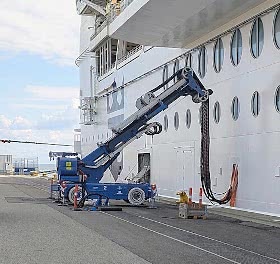
2030 and the supply of electricity from the shore-side grid to the
ships parked in the port through OPS facilities at 65% of the ports of call
container ships and cruise ships, a percentage that is
expected to rise to 90% by 2050.
The focus is also on energy production
with the aim of installing 100 MWp of energy
photovoltaic system by 2030 and to produce 100,000 tons of
Sustainable fuels per year between biomethane and fuels
Synthetic.
The Energy Transition Plan provides for private investments
equal to about 920 million euros and public investments of 780 million
Million.






















 - Via Raffaele Paolucci 17r/19r - 16129 Genoa - ITALY


