testata inforMARE
Cerca
15 August 2026 - Year XXX
Independent journal on economy and transport policy
03:08 GMT+2
LinnkedInTwitterFacebook
FORUM of Shipping
and Logistics
ASSARMATORI

Relazione del Presidente
Stefano Messina

Assemblea
Roma, 2 luglio 2024


Gentilissime Signore,
Signori Ministri,
Autorità, Signori, Colleghi imprenditori e Armatori, Amici

Desidero innanzitutto ringraziare tutti per la Vostra partecipazione alla nostra Assemblea annuale, che, anno dopo anno, qualifica – e gratifica – sempre più la nostra rappresentanza.

Che cosa rappresenta Assarmatori

Assarmatori non è solo la forza della sua base associativa, ma è anche la qualità del lavoro che portiamo avanti. Rappresentiamo il ceto armatoriale italiano, ma anche quello che in Italia opera e crea ricchezza e occupazione. Siamo presenti a Roma, Genova e Bruxelles, ma anche a livello periferico, nelle Commissioni Consultive e negli Organismi di Partenariato in quasi tutti i porti italiani. Ci permettiamo di dire che il nostro lavoro quotidiano di approfondimento e studio a supporto delle Amministrazioni ci permette di essere un punto di riferimento autorevole e utile al Decisore. Il merito va alle compagnie di navigazione e alle imprese nostre associate, i cui rappresentanti animano i nostri molteplici Gruppi di Lavoro, e alla nostra squadra. Voglio qui ringraziare tutti, perché mai come in questo momento siamo noi imprenditori, in questa sede del cluster marittimo, portuale e della logistica, che vogliamo dare un segnale di vitalità, di esistenza, di responsabilità. Voglio ringraziarvi per aver aderito al progetto Assarmatori: la vostra testimonianza, la vostra presenza e il vostro supporto sono i fattori principali che stano dando successo e credibilità al nostro progetto.

Servizi marittimi e geopolitica

Lo scorso anno, proprio da questo palco, avevo sottolineato il rischio della – ancorché parziale – de-globalizzazione. Da allora questi problemi si sono aggravati. Al conflitto russo-ucraino, che comporta gravi ripercussioni economiche determinate dalle sempre più sofisticate misure sanzionatorie, si è aggiunto quello in Medio Oriente, con gli attacchi degli Houthi al traffico commerciale nello stretto di Bab el-Mandeb e nel golfo di Aden.

Sono ben note le conseguenze sui traffici portuali e gli appesantimenti della catena logistica.

Si tratta di un tema di nuova geopolitica che possiamo solo osservare, sperando che la ragione, un'autorevole politica e il diritto internazionale prevalgano sulle tensioni e sulle guerre, in primis per interrompere le sofferenze inferte alle popolazioni coinvolte in questi conflitti.

Per quanto riguarda il nostro comparto è oramai evidente l'importanza del trasporto marittimo in particolare per un Paese come l'Italia. Prima la pandemia, quando abbiamo adottato misure e protocolli di sicurezza che poi sono diventati standard a livello internazionale. Poi, all'indomani dello scoppio del conflitto russo-ucraino, è stato sempre il trasporto marittimo, e penso alle gasiere e alle navi-rigassificatore, a mantenere inalterate le forniture energetiche. A tal proposito voglio sottolineare un dato. Nel 2023 le importazioni italiane di gas via condotta sono diminuite del 22,51% rispetto al 2022; nello stesso arco di tempo le importazioni di gas allo stato liquido, avvenute quindi via nave, sono invece aumentate di oltre il 16%. Un trend chiaro, che nei primi sei mesi del 2024 è andato ulteriormente consolidandosi. Sono certo che a fine anno, quando avremo i numeri definitivi, ci sarà un'ulteriore crescita dell'approvvigionamento che avviene proprio grazie al trasporto marittimo, dimostrando in modo inequivocabile l'importanza di tale asset per un Paese come il nostro.

Oggi è l'occasione per parlare dei temi del momento: transizione energetica, lavoro marittimo, la necessaria semplificazione dei processi e delle regole, il nostro rapporto con le Istituzioni ed infine del tema a cui abbiamo voluto dedicare il titolo della nostra assemblea: la necessità di invocare e proteggere, nella politica marittima europea, la specificità mediterranea.

La semplificazione

Parto con la cosa più immediata, più facilmente percorribile, a costo zero: la semplificazione.

L'anno scorso avevamo lanciato l'allarme relativamente al flagging out, ovvero al fatto che un numero crescente di navi armate da armatori italiani avesse cambiato bandiera. Il fenomeno purtroppo non si è arrestato anche nel corso degli ultimi dodici mesi. Vale la pena ribadirlo ancora una volta: gli armatori non scelgono di cambiare bandiera per issarne una 'di comodo' a bordo delle loro navi. Niente di più sbagliato e fuorviante.

Quello che cercano, e che spesso trovano anche in registri di Stati membri dell'Unione europea, è minor burocrazia, che si traduce in efficienza, rapidità, minori running cost a parità di sicurezza e certificazioni… un vero risparmio di tempo e di costi!

Voglio tuttavia rendere merito al Governo, ai membri del Parlamento, ai vertici delle varie Amministrazioni, perché molto è stato fatto negli ultimi mesi. Mi riferisco in particolare al Disegno di Legge a firma del Senatore Lucio Malan, in questo momento al vaglio del Senato, che contiene molti elementi che vanno nel senso dell'auspicata sburocratizzazione e digitalizzazione. Anche il Consiglio dei Ministri ha approvato una bozza di Disegno di Legge che prevede analoghe misure. Ancora, il Cipom sta lavorando alla stesura di una nuova proposta di legge sulla blue economy. Insomma, c'è finalmente un cantiere. Chiediamo ai numerosi parlamentari presenti oggi in sala di non mollare e portare a casa il risultato. Il nostro auspicio è che l'anno prossimo potremo parlare delle norme che rimangono da affinare con nuovi provvedimenti.

Penso anche al decreto con cui il Comandante Generale del Corpo delle Capitanerie di Porto – Guardia Costiera, Ammiraglio Nicola Carlone, ha dato il via libera affinché le verifiche di sicurezza previste dalla Convenzione SOLAS per la salvaguardia della vita umana in mare, e la conseguente emissione dei necessari certificati, possano essere svolte anche da un organismo riconosciuto proprio dalla Capitaneria di Porto. È una norma moderna che allinea la nostra bandiera a quelle più avanzate.

Nell'ambito di questa opera di semplificazione che le Istituzioni stanno portando avanti devo ricordare anche il lavoro del Ministero della Salute, impegnato nel riordino della disciplina relativa al regolamento del servizio sanitario a bordo di navi mercantili nazionali, il cui Regolamento – ricordo - risale alla fine dell'Ottocento. A tal riguardo, saluto il Ministro della Salute Orazio Schillaci che ci onora della sua presenza.

C'è molto da fare. Noi siamo qui per ribadire che il cluster marittimo-portuale è unito e compatto e ci sono le competenze necessarie. Ci sentiamo molto positivi e motivati su questo argomento, poiché le istanze arrivano da tutti i settori e da tutte le aziende, da quelle operanti sul traffico internazionale quanto da quelle attive sul cabotaggio, sulle Autostrade del Mare e sul trasporto pubblico locale.

Il mondo del lavoro

Parlando di un tema centrale come quello del lavoro, voglio darvi una notizia importante: abbiamo finalizzato il rinnovo del Contratto Collettivo Nazionale del nostro comparto, che era scaduto il 31 dicembre scorso. Abbiamo apprezzato, ancorché con momenti di naturale contrapposizione, lo spirito realistico e collaborativo con il quale le Organizzazioni Sindacali hanno deciso di approcciare la trattativa sin dall'inizio.

All'interno del nostro settore non si parla di disoccupazione, salario minimo, lavoro irregolare, si parla sempre più di professionalizzazione e nuove skill, formazione e, non ultimo, aumento delle retribuzioni, del welfare aziendale, della assistenza sanitaria, della previdenza integrativa della contrattazione anche di secondo livello.

Anche per il lavoro marittimo v'è l'esigenza di una corposa opera di semplificazione.

Abbiamo la necessità di professionisti del mare: ufficiali, sottufficiali e personale di coperta la cui carenza ha assunto connotati emergenziali soprattutto durante la stagione estiva. Ma anche il personale dedicato alla hotellerie è oggi necessario per soddisfare la domanda delle compagnie di crociera in grande aumento: nel 2023 in Italia sono stati movimentati 14 milioni di passeggeri in questo mercato, le proiezioni a fine 2024 ci dicono che questo dato, già di per sé record, sarà ancora più elevato.

Anche in questo ambito l'anno di lavoro ha portato a risultati tangibili. Nello scorso novembre, l'emanazione di un Decreto Interministeriale del MIT e del MEF ha finalmente consentito l'utilizzo di preziose risorse economiche per la formazione di nuove professionalità da parte delle compagnie. È un provvedimento fortemente voluto da noi, dal Governo, e dalle Parti sociali.

Siamo dunque andati a cercare i marittimi del futuro a casa loro, organizzando incontri in varie regioni italiane con i giovani e meno giovani in cerca di una occupazione stabile e fortemente specializzata. Altri ne organizzeremo subito dopo l'estate.

L'ampia partecipazione che abbiamo riscontrato ci fa ben sperare: i giovani ci sono, hanno voglia di lavorare e di mettersi in gioco. Ora dobbiamo continuare – tutti insieme: noi armatori, le Istituzioni, le Organizzazioni Sindacali – ad abbattere quelle barriere che si frappongono fra domanda e offerta di lavoro. L'Italia vanta una storica tradizione marittima, un patrimonio di esperienze di cui non dobbiamo permettere la dissipazione!

Non posso infine dimenticare la necessità di adeguare il regime di aiuto attribuito a noi armatori impegnati sulle linee marittime internazionali e di collegamento con le isole maggiori a quelle imprese che operano nel cabotaggio costiero e nei collegamenti con le Isole minori.

La regola che ha previsto l'esclusione di queste imprese dal novero dei beneficiari dell'aiuto è anacronistica e ingiusta, posto che si tratta di imprese italiane che imbarcano solo personale italiano.

Il rapporto con le Istituzioni

L'armamento vive un quotidiano confronto con numerose autorità. A questo rapporto voglio dedicare alcune riflessioni, perché, se da un lato la nostra industria deve giocoforza essere capace, attenta, consapevole e informata per vincere la contesa competitiva sui mercati, lo stesso ci attendiamo dalle Istituzioni e dall'Amministrazione con la quale lavoriamo prevalentemente. Abbiamo bisogno di avere Autorità di Sistema Portuale autorevoli, capaci e profonde conoscitrici dei mercati e delle problematiche regolatorie ed economiche che connotano il nostro mondo. Abbiamo bisogno di un sempre più intenso, franco e costruttivo rapporto con le Amministrazioni che ci rappresentano nei consessi internazionali per proteggere le specificità del nostro Paese, la bandiera italiana e più in generale tutta la marineria. Abbiamo bisogno di amministratori che conoscano le problematiche ambientali e che possano traghettarci nella transizione energetica con competenza e soprattutto tenendo conto dell'interesse dello Stato, che è quello di avere un sistema di porti moderni e un trasporto marittimo sicuro, efficiente e competitivo.

Auspichiamo inoltre che le Autorità di regolazione ci consentano di fornire ancora di più il nostro contributo di competenze e ci offrano la disponibilità di volerci ascoltare e di ragionare insieme. Altrimenti le conseguenze si ripercuotono non soltanto sulle imprese, ma soprattutto sugli utenti che sono poi i cittadini. È il caso, ad esempio, della regolazione dei servizi marittimi gravati da oneri di servizio pubblico, ovvero disciplinati da contratti di servizio.

La transizione energetica

Il trasporto marittimo sta affrontando la prima fase della regolazione derivata dal Green Deal europeo e dalla regolazione dell'IMO, avviandosi - non certo senza interrogativi - verso la decarbonizzazione.

A questo riguardo voglio essere anche qui assolutamente chiaro ed essenziale.

La politica ambientale dell'Unione Europea è stata decisa e agli Stati membri viene affidato il compito di implementarla. Non vi sono spazi per divergere da questa politica.

Ci aspettiamo pertanto che le scelte che verranno effettuate saranno unicamente destinate a garantire gli obbiettivi decisi dall'Unione.

La neutralità tecnologica, così come immaginata a livello comunitario, è a prima vista foriera di incertezza. In materia di carburanti non possiamo immaginare di percorrere tutte le strade consentite dalla legislazione europea. È impossibile, dal punto di vista industriale per quanto riguarda la loro produzione ed è impossibile dal punto di vista della distribuzione e messa a bordo. Immaginatevi i porti che ben conosciamo. Possiamo immaginare di avere depositi e bunkeraggi dei vari carburanti alternativi nei nostri scali?

Una visione davvero inverosimile, ed è impossibile imporre agli armatori un carburante o un altro perché sarebbe una violazione della libertà di azione garantita dalla norma europea. Dall'atro lato sarebbe un inutile vincolo, che metterebbe le nostre imprese in condizioni di sudditanza concorrenziale rispetto ai nostri competitor.

È pertanto imperativo che le scelte di produzione e infrastrutturazione dei nostri porti per la fornitura dei carburanti alternativi avvengano in mare, perché soltanto gli armatori conoscono le capacità tecnologiche e quelle di investimento tenuto conto dei trend del mercato internazionale che seguono standard di economicità ed efficienza.

Chiediamo pertanto che venga istituito da subito un Tavolo affinché si possano condividere e definire i bisogni delle compagnie di navigazione sulla base di quanto emerge dal mercato, che noi che operiamo a livello mondiale ben conosciamo, e sulla base di questi bisogni vengano definite le linee che il Governo italiano dovrà comunicare alla Commissione europea entro la fine di quest'anno ai sensi della direttiva AFIR, che detta le regole europee per l'infrastrutturazione e per la distribuzione dei carburanti alternativi. Abbiamo ancora qualche mese, siamo in tempo: è un appuntamento di straordinaria importanza, soprattutto per i traffici di prossimità e cioè quelli vincolati alla presenza di impianti di distribuzione nei porti caposcalo in Italia e nel Mediterraneo.

Il futuro delle Autostrade del Mare, del trasporto pubblico locale marittimo, del traffico crocieristico e dei collegamenti con le isole, tutti mercati dove noi italiani siamo leader europei, dipende dalle scelte che si faranno riguardo alla messa a disposizione dei carburanti alternativi che verranno utilizzati da queste unità.

Anche su questo punto l'occasione è utile per dire che per questi servizi abbiamo bisogno di usare i biocarburanti e il GNL. La sfida della decarbonizzazione dei trasporti è già partita, sia sull'approvvigionamento della materia prima sia nella costruzione della filiera per la produzione dei biocarburanti in grado di fronteggiare la crescente domanda di propellente green.

Usando questi carburanti, che sono nel catalogo europeo e dell'IMO, potremmo già concorrere al raggiungimento degli obbiettivi dell'Europa, contando poi su una prevista evoluzione della produzione di questi carburanti.

Dobbiamo quindi creare e difendere un impianto regolatorio nazionale che consenta di mettere a terra le scelte che abbiamo fatto. Il GNL è il carburante su cui dobbiamo puntare, occorre difendere la scelta e rendere possibile la produzione, lo stoccaggio e la messa a bordo di questo carburante in più porti possibili.

E ancora, soprattutto sulle linee di prossimità, attendiamo il sostegno economico per l'utilizzo dei biocarburanti, come previsto sia dal regime ETS che da quello della FuelEU.

Per le linee internazionali, sosteniamo la definizione dei cosiddetti Green corridor, ovvero di rotte intercontinentali fra due o più porti, allo scopo di creare un perimetro definito ove poter garantire agli armatori impegnati in queste linee il sostegno economico per incentivare l'utilizzo di questi carburanti.

È una scelta che alcuni porti del Nord Europa stanno già facendo.

Noi non possiamo rimanere indietro, perché andremmo ad incidere negativamente sulla competitività del nostro sistema portuale impegnato a servire i traffici oceanici, proprio ora che il Governo sta investendo miliardi di euro per accrescere la capacità, la maggiore accessibilità e l'attrattività dei più importanti scali nazionali.

In tale scenario, è poi essenziale, non solo per gli armatori, ma per tutto il sistema Paese, che gli ingenti proventi generati nel trasporto marittimo in Italia dal sistema ETS e dal regime sanzionatorio della FuelEU vengano destinati al settore marittimo e non dispersi in altri settori o, peggio, non spesi.

Nessun dubbio che la legislazione europea ha introdotto delle vere e proprie tasse di scopo, imposte ai passeggeri e alla merce con l'obbiettivo di sostenere un processo che per sua natura è lungo e molto costoso e che non potrebbe mai essere completato senza un sostegno economico da parte degli Stati.

Siamo preoccupati che non ci sia la corrispondenza tra quanto sarà il prelievo a carico delle tasche degli italiani e l'ammontare messo a disposizione del settore in termine di sostegni finanziari nei tre obbiettivi che sono previsti dal legislatore europeo: 1) una vera politica di sostegno al modal shift marittimo con fondi degni di questo nome; 2) il contributo al rinnovo delle navi e dell'l'impiantistica di terra necessaria per la decarbonizzazione; 3) un sostegno reale per l'armatore che utilizzi carburanti alternativi, che costano significativamente di più rispetto a quelli tradizionali.

Auspichiamo che il Governo sappia definire la governance adatta per far sì che le scelte relative a come e quanto investire con questi fondi avvengano con il concorso di tutti gli attori e soprattutto di quello – parlo del MIT – che è deputato a definire le politiche marittime del Paese.

In questo senso noi desideriamo e siamo motivati a dare il nostro contributo: a parlare, a confrontarci, a recepire e contraccambiare competenze, informazioni e lavoro.

Un'identità mediterranea per l'Europa

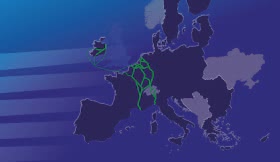
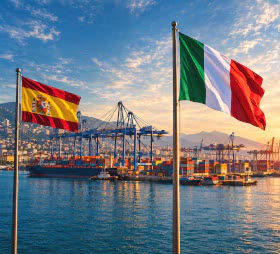
In chiusura, voglio riallacciarmi a un tema già emerso nella mia relazione, e da cui abbiamo tratto spunto per il titolo della nostra Assemblea: “Un'identità mediterranea per l'Europa”. Una necessità che diventa sempre più evidente, quella di costituire una maggiore coesione e unità d'intenti, un vero e proprio blocco nel senso nobile del termine, tra i Paesi che si affacciano sul mare nostrum le cui economie, in particolare quelle marittime, presentano realtà e quindi necessità diverse rispetto al cosiddetto Northern Range. L'Italia, la Spagna, la Francia, Grecia, Malta - il cui Ministro dei trasporti Chris Bonett ci onora della sua presenza e amicizia - non sono l'Olanda o la Germania, con porti distanti chilometri dai centri abitati. I Paesi mediterranei hanno vaste comunità insulari, cui deve essere garantita la continuità territoriale. Hanno strumenti come le Autostrade del Mare, che realizzano una vera sostenibilità ambientale perché sottraggono traffico pesante dalle reti viarie. Le loro economie si basano sul trasporto marittimo: un elemento cardine anche per la decarbonizzazione. Hanno, quasi banalmente, caratteristiche e quindi bisogni differenti: non si può non tenerne conto nei processi legislativi unionali.

Anche in questo caso, però, voglio chiudere evidenziando un fatto positivo: proprio recentemente il blocco mediterraneo ha saputo fare fronte comune, interrompendo la possibile revisione dell'Energy Taxation Directive (ETD) che, nei termini in cui era stata posta, avrebbe esteso la tassazione delle accise anche ai carburanti ad uso marittimo.

Sappiamo tuttavia che il tema ETD è di nuovo sui tavoli delle cancellerie europee per iniziativa dell'Ungheria, da ieri presidente di turno del Consiglio.

Ministro Salvini e Ministro Bonett: sappiate proteggere i nostri Paesi da un'altra tassa che viene dall'Europa!

Infine, queste settimane segnano il passaggio verso una nuova legislatura del Parlamento Europeo e una nuova Commissione Europea che, assieme ai governi nazionali, dovranno guidare il nostro continente.

Permettetemi di salutare con un augurio di successo e leale collaborazione tutti coloro che hanno già assunto o sono prossimi ad assumere ruoli di responsabilità nelle Istituzioni europee sempre più importanti.

C'è davvero bisogno di un'identità mediterranea per l'Europa. Non è quindi solo uno slogan, il titolo di un'Assemblea: è il nostro auspicio, il progetto concreto cui dobbiamo guardare per proteggere la nostra identità e il benessere delle nostre società.

************

Dopo i tanti argomenti trattati ringrazio tutti voi per l'attenzione, soprattutto per il contributo che, ognuno nel proprio ruolo, sarete in grado di fornirci e di cui abbiamo bisogno per il bene del settore, delle nostre aziende e di tutto il Paese.

Desidero infine ringraziare il Consiglio Direttivo di Assarmatori e quindi i Vice Presidenti Achille Onorato e Vincenzo Romeo e i consiglieri Stefano Beduschi, Gaudenzio Bonaldo Gregori, Matteo Catani, Franco Del Giudice, Maria Celeste Lauro, Luigi Merlo, Salvatore Ravenna e Pasquale Russo, oltre al Segretario Generale Alberto Rossi e tutta la struttura di Roma, Genova e Bruxelles per il lavoro e gli sforzi profusi, per la passione. Un ringraziamento speciale ai miei cugini Andrea, Ignazio, Massimo e a mio fratello Emanuele, il cui lavoro e la cui fiducia e stima reciproca è essenziale per il mio ruolo e la mia responsabilità nel progetto Assarmatori.

Buon lavoro a chi animerà di ulteriori contenuti la nostra Assemblea. Grazie.
›››File
FROM THE HOME PAGE
In the first half of 2026, freight traffic in the port of La Spezia grew by +2.0%
La Spezia
In decisa crescita il traffico delle merci nei porti tunisini
Nel trimestre aprile-giugno è stato di 7,4 milioni di tonnellate (+8,8%)
The port of Koper reports a 5.6% decrease in quarterly freight traffic
Ljubljana
In June the decline was -18.9%
Strait of Hormuz crisis has severe impact on DP World's financial and operating performance
Dubai
Container traffic at CK Hutchison terminals fell by -1% in the first six months of 2026.
Hong Kong
Excluding operations in Panama, volumes increased by +5%
In the first half of 2026, freight traffic in the port of Hamburg decreased by -3.1%.
Hamburg
Containers amounted to four million TEUs (-3.7%)
HMM's revenues increased by 29.7% in the second quarter
Seoul
Net profit down, weighed down by lower financial income
Evergreen's net profit grew by 43.9% in the April-June quarter.
Taipei
Maersk and Hapag-Lloyd benefit from the recovery of the container shipping market
Copenhagen/Hamburg
The Danish company reports better quarterly performance than its German partner in Gemini Cooperation
Freight traffic in the ports of Genoa and Savona-Vado remained stable in the second quarter
Genoa
Passenger numbers drop at both ports
In the second quarter, Yang Ming recorded a net profit growth of +610.7%.
Keelung
Revenues stable in the first half of 2026
Two ships attacked in the Gulf of Oman and off the coast of Yemen
Southampton
A container ship was reportedly hit by an American helicopter
The Northern Sea Route is not at all competitive with the sea route through Suez
Basel
Study by two researchers from Mokpo National Maritime University
The auction on August 28 is expected to confirm Rheinmetall-MSC's interest in the Romanian Mangalia shipyard.
Bucharest
In the second quarter, vessel traffic in the Panama Canal grew by +9.6%, but decreased significantly in June
Panama/Balboa
The ACP introduces new limitations on vessel draft and does not exclude reductions in the daily number of transits.
Contract with Fincantieri for the construction of a third cruise ship for Crystal is now in force
Monaco/Miami
Delivery is scheduled for 2034
More explosions in the Strait of Hormuz area
Southampton/Tehran
Iran-Oman negotiations continue, but reopening to ship transit still seems a long way off.
Shipping associations reiterate their opposition to mandatory tolls and tariffs for transiting the Strait of Hormuz.
Two ships attacked in the Red Sea
Southampton/San'a'/New Delhi
Indian vessel "Faize Noore Oliya" sunk, Houthis claim attack on "NCC Wafa"
Prologis makes $18.8 billion offer to buy Segro
San Francisco
The combination will create a European giant in the ownership and management of logistics properties
In the April-June quarter, ONE recorded an improvement in financial performance
Singapore
During the period the fleet transported almost 3.3 million containers (+2.9%)
Global Port Holdings' revenues grew by 27% in the first half of this year.
Istanbul
Gross operating margin up 22%
In the second quarter, naval traffic in the Suez Canal increased by +16.5%
Cairo
In the first half of 2026, growth was +14.0%
In the second quarter of 2026, the Bosphorus Strait was crossed by 10,082 ships (+0.5%)
Ankara
In the first half of the year, naval traffic decreased by -0.5%
A report by the French National Assembly notes the competitive decline of the state's port ecosystem.
Paris
In the first half of 2026, FS's freight transport segment recorded a -2.7% drop in operating revenues
Rome
Traffic volumes amounted to approximately 8.8 billion tonne-km (-7.3%)
The EU ETS Observatory confirms that the emissions trading system is having a negative impact on EU ports.
Madrid
The proposed corrections are the broadening of the criteria for the designation of neighbouring container transhipment ports and a percentage reduction factor applied to the volume of CO2 emissions from ships.
Norwegian Cruise Line Holdings' revenues increased by 4.9% in the second quarter of 2026.
Miami
New historical record of passengers embarking on the fleet's ships
Fincantieri's half-year revenues remain stable
Trieste
Net profit increased by 191.4%. New orders fell by 58.5%.
In the second quarter, freight traffic in Albanian ports grew by +8.9%
Tirana
The US think tank Open Markets Institute proposes the establishment of a public container shipping company
Washington
Rao: Today the United States depends on a cartel of six foreign shipping companies
Royal Caribbean reports record revenue for the April-June quarter
Miami
New all-time peak in turnover in the first half of 2026
In the second quarter, CMA CGM group revenues increased by +19.2%
Marseille/New York/Los Angeles
United Ports Joint Venture with Stonepeak Completed
PortXchange: To immediately reduce shipping emissions, we need to focus on ports.
Rotterdam
In the port of Trieste, bulk cargo is increasing and miscellaneous goods are decreasing.
Trieste
In the first six months of 2026, traffic in Monfalcone dropped by 24.9%.
Fermerci, freight train transport production in Italy could fall to 2015 levels this year.
Rome
Map: We are faced with data that exceeds all expectations.
Indian government approves $7.2 billion in aid for domestic shipbuilding
New Delhi
Strategy adopted today to revitalize the sector
Two Indian shipyards included in the new EU list of ship recycling facilities proposed by the Commission
Brussels/Washington
Satisfaction of ECSA and World Shipping Council
Hyundai and Siemens sign agreement for AI-powered shipbuilding
Washington
The goal is an autonomous manufacturing system in which all processes, including design, production, logistics, inspection and testing, are digitally connected.
African Union condemns attacks on tankers in Red Sea claimed by Houthis
Addis Ababa
Youssouf: The security of Red Sea shipping lanes is of vital strategic importance for Africa
In Genoa, Fincantieri delivered the new cruise ship Explora III to Explora Journeys.
Genoa
"Explora IV" and "Explora V" will follow in 2027 and "Explora VI" in 2028.
In the second quarter of 2019, bulk cargo volumes increased while general cargo volumes decreased.
Rotterdam
In the first half of 2026, 212.0 million tonnes of goods were moved (+0.4%)
In the second quarter, Spanish ports handled 144.8 million tonnes of goods (+2.9%)
Madrid
Record for conventional goods and containers (in TEU)
The EU Commission opens an in-depth investigation into the Saipem-Subsea7 merger.
Brussels
Brussels considers the effects of the operation to be particularly critical, especially in the SURF market.
Medlog (MSC Group) acquires a stake in Interporto Bologna
Bologna
Caliandro: Industrial development that will allow us to achieve our rail freight traffic objectives
The Barcelona Port Authority will acquire 40% of Terminal Intermodal de Navarra.
Barcelona
The remaining 60% of the capital will remain with Hutchison Ports Best
In the first half of this year, Chinese seaports handled 5.87 billion tons of cargo (+3.0%).
Beijing
New historical records for half-yearly and quarterly container traffic
Ports of Italy: The issue of competences divides the reform.
Rome
At the Confitarma conference, Rixi defends the new national control room, while experts and operators ask for clarity on the relationships with the AdSPs and on the resources of the new company.
The maritime sector is divided between cautious support and criticism over the EU ETS review.
Brussels/Washington/
Copenhagen/Piraeus/Rotterdam
Yet another attack on a ship in the Strait of Hormuz
Southampton
A tanker was hit and abandoned by the crew.
ECSA considers the proposed revision of the EU ETS to be a first step, but many others should follow.
Brussels
Raptis: It's a good idea to allocate system revenues at EU and national levels to support sustainable fuels.
ESPO: No to lowering the EU ETS application threshold from 5,000 to 400 GRT vessels.
Brussels
Appreciation for measures aimed at reducing evasive ship calls
T&E welcomes some new proposals from Brussels for the EU maritime ETS
Brussels
The association is more critical of the measures studied by the EU Commission for the aviation sector
For Assarmatori, the Commission's proposal on the EU ETS is timid, while more courageous measures were expected
Brussels
EU Maritime ETS: The European Commission partially accepts shipowners' requests.
Brussels
A new €110 million fund for clean fuels, non-permanent exemptions extended to 2035, an IMO deduction mechanism, and crackdowns on "evasive" transshipment ports.
Another ship was hit by a shell in the Strait of Hormuz
Southampton/Tampa
US Marines conducted an inspection aboard a sanctioned oil tanker
Port of Gioia Tauro: First connection of a large container ship to the cold ironing system
Gioia Tauro
The ship "MSC Mirja" powered with a total power of approximately seven MW
In the second quarter of 2026, freight traffic in the port of Antwerp-Bruges decreased by -2%.
Antwerp
Dry bulk volumes recovered and rolling stock increased. Other sectors declined.
COSCO Shipping Ports sets new quarterly and half-year container traffic records
Hong Kong
US forces struck the VLCC Belma sailing towards Iran's Kharg Island.
Tampa
It is operated by the Emirati Max Maritime Solutions which is subject to US sanctions
In May, freight traffic in the port of Genoa was stable, while in Savona-Vado it decreased
Genoa
In the first five months of 2026, containers amounted to 1,199,914 TEUs (-2.8%), of which 999,228 (-1.4%) and 200,686 (-9.2%) were handled by the two ports respectively.
Turkey's GIH acquires Royal Caribbean's stakes in Kusadasi and Lisbon cruise terminals
Istanbul
Shareholdings rose to 99.99% and 60% respectively
In the first half of the year, Russian ports handled 451.5 million tons of cargo (+5.8%)
St. Petersburg
Record traffic in the second quarter
Trump backtracks on 20% tax on ships passing through Hormuz under US protection
Washington/Southampton/Rotterdam
Meanwhile, another tanker, the "Stolt Magnesium", was hit by a missile near Oman
European shipowners call for permanent derogations from the EU maritime ETS after 2030
Brussels
Exemptions for connections with islands and outermost regions, for polar class vessels, for transnational public service obligations and for search and rescue activities
The rail sector is calling for recognition of its contribution to decarbonisation in the EU ETS review.
Brussels
Two VLCCs operated by the UAE's ADNOC were attacked in the Strait of Hormuz.
Abu Dhabi/Tampa
US Central Command announces reinstatement of blockade on maritime traffic in and out of Iranian ports
Trump announces a tax on goods passing through the Strait of Hormuz protected by the US
Washington/Portsmouth
Expected to be equal to 20% of the value of the transported loads
Six-monthly vessel traffic in the Straits of Malacca and Singapore increased by +3.7%
Port Klang
In the second quarter of this year alone, a decrease of -0.5% was recorded
In May, naval traffic in the Suez Canal increased by +15.0%
Cairo
In the first five months of 2026, 5,696 ships passed through the port (+12.7%)
OOCL records sharp increase in containers carried by its fleet
Hong Kong
In the April-June quarter, revenues generated by this activity grew by +19.8%
Strait of Hormuz, a container ship was attacked near the coast of Oman
Muscat/Portsmouth/New Delhi/Tampa
Fire on board. One crew member missing. 23 other sailors rescued.
Danish DFDS's quarterly financial performance improves
Copenhagen
In the April-June quarter, rolling stock transported by the fleet increased by 1.1%. Passengers decreased by 8.9%.
Container traffic at HHLA terminals decreased by -8.0% in the second quarter
Hamburg
Revenues increased by 2.5%. Operating costs increased by 5.7%.
The Livorno Port Authority creates an internal task force for the Darsena Europa project.
Livorno
The aim is to ensure a unified coordination with the commissioner structure that follows the project
Costa Cruises announces change of management for the Americas region.
Genoa
Jorge Serrano Martín de Vidales will replace Dario Rustico
MSC installs Jotun's proactive hull cleaning system on MSC Daniela
Sandefjord
Combines advanced antifouling technology with robotic inspection and cleaning
Wan Hai Lines reports a 965.6% increase in quarterly profit
Taipei
The company orders six new 11,000 TEU containerships
In the second quarter, cargo traffic in Montenegrin ports decreased by -5.8%
Podgorica
Cargoes to and from Italy dropped by -40.6%
The Grimaldi Group has taken delivery of the Grande Pacifico
Naples
The vessel is the first of five new sister PCTCs with a capacity of 9,800 ceu
In 2025, the Fratelli Cosulich group's revenues amounted to 1.9 billion euros (-11.5%)
Genoa
Net profit of 20.0 million euros (-3.0%)
Maurizio Longo, Secretary General of Trasportounito, has passed away.
Rome
He passed away in Rome after a long illness.
Terminal Investment Limited abandons Tercat acquisition
Brussels
It provided for joint control of the Barcelona terminal with Hutchison Ports
Work has been completed to activate cold ironing at the Porto Corsini cruise terminal in Ravenna.
Ravenna
Acceleration of the redevelopment process for the former CIVAM area in the port of Vibo Valentia Marina
Vibo Valentia
The area will be transformed into new yards for commercial logistics
Maersk Group sells Maersk Training and Maersk H2S Safety Services
Copenhagen
They will be sold to the US Open Gate Capital, specialized in industrial carve-out operations
In the April-June quarter, the port of Venice handled 6.3 million tons of goods (-1.2%)
Venice
Cruise passengers down by -15.3%
In the second quarter, freight traffic in the port of Ravenna recorded a sharp increase of +10.9%
Ravenna
In the first six months of 2026 the increase was +5.9%
DP World acquires six GXO logistics sites in the UK
Dubai
186,000 square meters and 2,000 employees change hands: this is the transfer imposed by the British Antitrust for the acquisition of Wincanton
DHL soars in the second quarter, but not everywhere
Bonn
Revenue and EBIT in double digits. Express performed well, while Supply Chain and Post & Parcel Germany fared less well.
Global Ship Lease reports record quarterly and half-year revenues
Athens
Rising costs impact profits
DP World to build temperature-controlled logistics hub in the port of Antwerp
Dubai/Kallo
GNV will activate a third maritime service to Algeria on Saturday
Genoa
The Civitavecchia-Annaba line will complement the existing routes from Sète to Algiers and Bejaia.
Danaos Corporation reports quarterly revenue growth of 4.7%.
Athens
The containership segment remains stable. Bulk carriers continue to contribute.
A bulk carrier hit by a shell in the Strait of Hormuz
Southampton/London
One crew member is reportedly missing.
This year, 800,000 cruise passengers are expected in Messina.
Messina
Passengers make a direct expenditure of almost 16 million euros in the city
Container traffic at the Port of New York grew by 1.6% in the second quarter
New York
In the first six months of 2026, 4.43 million TEUs were handled (+0.2%)
HZ Cargo and Railtrans form joint venture for intermodal transport
Zagreb
The aim is to activate a traffic of over 500 thousand tons between the ports of Croatia and the markets of Central Europe.
ICTSI posts record net income of $363 million (+24.2%) in the second quarter
Manila
Another GasLog vessel hit while leaving the Persian Gulf
Piraeus/Southampton
Damage to the engine room
Finnlines reports record quarterly revenues
Helsinki
In the April-June period, net profit was 42.9 million euros (+64.7%)
Spinelli Group approves 2025 sustainability report
Genoa
Production value grew by 5%. New hires increased by 48%.
Fabrizio Marilli will be the new secretary general of the Central Adriatic Sea Port Authority.
Ancona
The Management Committee has approved the institution's budget adjustment
The Western Ligurian Sea Port Authority has adopted the 2026-2028 Port Plan.
Genoa
Projections for 2028 indicate an increase of approximately 150 employees in the ports of the system
The Southern Tyrrhenian and Ionian Sea Port Authority has approved the budget adjustment change.
Gioia Tauro
It records higher revenues and higher expenses of 1.69 million euros
One and a half million euros for training in Tuscan ports
Livorno
The Northern Tyrrhenian Port Authority has presented its 2026-2028 training plan.
Terminali Italia will manage the Orte intermodal terminal starting next year.
Rome
It has approximately 96,000 square meters of yards and three tracks
Italy and Tunisia sign a collaboration agreement in the transport and logistics sector
Rome
Another Saudi-owned Bahri ship attacked by Houthis in the Red Sea
Southampton/Sana'a/Riyadh
Yemeni militants' spokesman claimed responsibility for the attack on the chemical tanker "NCC Ghazal"
The final breakthrough of the two main tunnels of the Brenner Base Tunnel was achieved today.
Bolzano
The two construction sites are connected approximately 1,400 meters below the Brenner Pass
UPS revenues increased 7.6% in the second quarter
Atlanta
Net profit amounted to $604 million (-52.9%)
In 2025, the revenues of the Italian logistics company Nord Ovest grew by +13.6%
Wedge
Net profit down 8.3%
Quarterly freight traffic increased at the ports of Algeciras and Barcelona. Valencia saw a decline.
Algeciras/Barcelona/
Valencia
Increase in containers at the Catalan port
Fincantieri signs agreement with NextGeo's reinvesting partners
Trieste
The operation is part of the development strategy in the diving segment
The update to the DPSS of the ports of Sardinia has been adopted.
Cagliari
Resolution of the Management Committee of the Port System Authority
ICTSI acquires the ATU12 and ATU18 bulk terminals at the Brazilian port of Aratu.
Sao Paulo/Manila
They will be sold by SIMPAR for approximately 355 million dollars
SAILING LIST
Visual Sailing List
Departure ports
Arrival ports by:
- alphabetical order
- country
- geographical areas
Konecranes reports decline in quarterly financial performance as orders increase
Helsinki
The value of orders relating to port equipment grew by +17%
Fourteen regions are in favor and five are against the bill on port governance reform.
Rome
Rixi: Let's now continue the institutional process with the aim of achieving a balanced reform.
Kuehne+Nagel's net sales increased by 8% in the second quarter.
Schindellegi
Performance improved markedly in the air freight segment
Assagenti's management team has been renewed.
Genoa
The composition of the executive committee and the chairmen of the commissions
DP World signs preliminary agreement to build two terminals at Fujairah Port
Dubai
VIO - Vado Ligure Interport Board of Directors Renewed
Genoa
Pierangelo Olivieri has been appointed president
Kalmar's turnover increased by 14% in the second quarter
Helsinki
New orders value stable
Saipem wins new offshore drilling contract off Ivory Coast
Milan
It was awarded by Eni Côte d'Ivoire
DSV's quarterly performance continues to grow, boosted by the Schenker acquisition.
Hedehusene
Net profit of DKK 2.6 billion (+11.5%) was recorded in the April-June period of 2026.
Falteri (Federlogistica) has been co-opted into the Board of the European Logistics Association
Genoa
International collaboration protocol on integrated logistics with ACLI Terra
GCC urges international community to protect maritime transport against Houthi threats
Riyadh
Reaction to the announcement of a maritime embargo against Saudi Arabia
Fincantieri signs agreement in Qatar for operational management of the Training and Simulation Centre.
Trieste
The center is intended for the training of naval personnel of the Qatari Navy.
Wärtsilä records sharp increase in new order value in second quarter
Helsinki
Net turnover decreased by -2%
Over 770 kilos of cocaine seized at the port of Vado Ligure
Savona
Once released on the market, the drug would have ensured criminal organizations profits of 250 million euros.
Yang Ming orders Hanwha Ocean to build six 13,000 TEU dual-fuel containerships
Keelung
Contract valued at over $1.2 billion
The toll of attacks on ships in the Black Sea worsens
Odessa
Ten dead on board a ship leaving the port of Odessa
Today a new attack on a ship in the Strait of Hormuz
Southampton
The product tanker Kavomaleas of the Greek company Dynacom Tankers Management caught fire
Confitarma disappointed by the Commission's proposal to revise the EU ETS
Rome
Zanetti: The notable absentee is the competitiveness of the Italian and European shipping industry.
ALIS: Commission's proposals on the EU ETS are positive, but serious issues remain.
Rome
MIT adopts cold ironing guidelines
Rome
The aim is to ensure clear, uniform and transparent criteria for all Port System Authorities.
In the first half of the year, cruise traffic at GPH port terminals grew by +10.1%
Istanbul
In the second quarter alone the increase was +2.8%
Western Liguria Port Authority approves 2026 budget update
Genoa
Assiterminal clarifies its doubts about the responsibilities assigned to Porti d'Italia Spa.
Genoa
ABB buys British Rotork
Zurich/London
The Bath-based company specializes in flow control and industrial automation.
Central Adriatic Port Authority refinances €100 million from the Infrastructure Decree
Ancona
The funds concern seven strategic interventions of the port system
Container traffic at the Port of Los Angeles increased by 3.4% in the first half of 2026.
Los Angeles
In the second quarter, growth was +11.5%
IMO and ITF call for an end to attacks on seafarers and transport workers
London
Resurgence of incidents in the Black Sea, Sea of Azov and the Strait of Hormuz region
Container traffic in the port of Hong Kong grew by 0.2% in the second quarter of 2026.
Hong Kong
An increase of +6.5% was recorded in June
PORTS
Italian Ports:
Ancona Genoa Ravenna
Augusta Gioia Tauro Salerno
Bari La Spezia Savona
Brindisi Leghorn Taranto
Cagliari Naples Trapani
Carrara Palermo Trieste
Civitavecchia Piombino Venice
Italian Interports: list World Ports: map
DATABASE
ShipownersShipbuilding and Shiprepairing Yards
ForwardersShip Suppliers
Shipping AgentsTruckers
MEETINGS
The conference "EU-Mercosur Agreement: The Role of the Maritime Economy" will be held in Genoa on July 1st.
Genoa
It is organized by the Casa America ETS Foundation and the Western Liguria Port Authority
The Federagenti assembly will be held in Civitavecchia on July 3rd.
Rome
Pessina: We will not discuss regulations, community relations, or the pursuit of theories and bureaucracy, but rather the challenges of Italian port infrastructure.
››› Meetings File
PRESS REVIEW
Empire buys back: After Tata, Adani can rewrite India's colonial past
(The Economic Times)
Govt does not interfere in port management appointments - Loke
(Bernama)
››› Press Review File
FORUM of Shipping
and Logistics
Intervento del presidente Tomaso Cognolato
Roma, 19 giugno 2025
››› File
Uiltrasporti is strongly opposed to the establishment of Porti d'Italia Spa
Rome
Verzari and Gulli: the AdSPs must be coordinated by a public body that can protect port workers
CMPort sets new monthly, quarterly and half-yearly container traffic records
Hong Kong
In the first half of 2026, 78.3 million were moved (+4.6%)
In the first half of this year, the port of Singapore handled 22.7 million containers (+4.7%)
Singapore
Historic record for half-year bunker sales
Container traffic at the Port of Long Beach increased by 10.3% in the second quarter.
Long Beach
Growth of +1.7% was recorded in the first half of 2026
The new board of directors of Ferrovie dello Stato Italiane has been appointed.
Rome
Tommaso Tanzilli confirmed as president. Gianpiero Strisciuglio is the new CEO.
Port of Gioia Tauro: tender launched for completion of dredging activities
Gioia Tauro
The expected duration of the contract is 60 days
In the first half of 2026, cargo traffic in Turkish ports was 279.1 million tonnes (+1.5%)
Ankara
Cargoes with Italy alone amounted to 23.4 million tons (-2.5%)
The first steel cutting of the Carnival Destiny cruise ship.
Monfalcone
Fincantieri and Carnival celebrate the thirtieth anniversary of their collaboration
NatPower Marine acquires Aqua superPower to accelerate the electrification of ports and marinas
Monk
It operates the largest international network of electric charging points in Europe.
European Logistics Observatory established
Brussels
The aim is to strengthen the competitiveness, resilience and sustainability of European logistics.
Agreement reached at Mimit with JSW to relaunch the Piombino steelworks
Rome/Livorno
Gariglio: Strengthening integration between port docks and industrial areas
Agreement between Fincantieri and the Croatian shipyards Brodotrogir Cruise and Iskra Shipyard
Trieste
Initiative within the framework of the two-corvette program promoted by the Croatian Ministry of Defence
Evergreen, Yang Ming and WHL return to quarterly revenue growth
Keelung/Taipei
Four consecutive quarters of decline behind us
Project for a direct rail link between the port of Gioia Tauro and the Interporto D'Abruzzo
Pescara
Tax fraud on labor in the logistics sector
Milan
€28 million seized from four Milanese companies
PSA Genova Pra', the state of agitation has been lifted following the successful completion of the cooling procedure.
Genoa
- Via Raffaele Paolucci 17r/19r - 16129 Genoa - ITALY
phone: +39.010.2462122, fax: +39.010.2516768, e-mail
VAT number: 03532950106
Press Reg.: nr 33/96 Genoa Court
Editor in chief: Bruno Bellio
No part may be reproduced without the express permission of the publisher
Search on inforMARE Presentation
Feed RSS Advertising spaces

inforMARE in Pdf
Mobile